What Are Allergy Triggers?
Allergy triggers are substances that can provoke an allergic reaction in sensitive individuals. When a person with allergies comes into contact with these triggers, their immune system mistakenly identifies them as harmful invaders, leading to a range of symptoms that can vary from mild to severe. Understanding what these triggers are is crucial for managing allergies effectively and improving overall quality of life.
How Do Allergy Triggers Work?
When exposed to an allergen, the immune system releases chemicals, including histamines, to combat what it perceives as a threat. This response can lead to symptoms such as:
- Itching – Often experienced in the eyes, nose, or skin.
- Runny or stuffy nose – Commonly associated with allergic rhinitis.
- Hives – Raised, itchy welts on the skin.
- Swelling – Particularly in the face, lips, or throat.
- Difficulty breathing – A serious symptom that may indicate anaphylaxis.
Recognizing these triggers is essential for anyone who suffers from allergies. By identifying and avoiding these allergens, individuals can significantly reduce their symptoms and improve their daily lives. 🌼
Common Allergens Overview
Allergens can be found in various environments, and they can be categorized into several groups. Here’s a closer look at some of the most common allergens that people encounter:
1. Pollen
Pollen from trees, grasses, and weeds is a major trigger for seasonal allergies, often referred to as hay fever. During certain times of the year, pollen counts can soar, leading to increased allergy symptoms for many individuals. Keeping windows closed and using air purifiers can help mitigate exposure. 🌳
2. Dust Mites
Dust mites are tiny creatures that thrive in warm, humid environments, often found in bedding, carpets, and upholstered furniture. Regular cleaning and using allergen-proof covers on pillows and mattresses can help reduce dust mite populations in your home.
3. Pet Dander
For pet lovers, furry companions can be a source of allergy triggers. Proteins found in pet saliva, urine, and skin flakes (dander) can cause allergic reactions. If you’re allergic to pets, consider keeping them out of certain areas of your home and regularly grooming them to minimize dander. 🐾
4. Mold
Mold spores can be found both indoors and outdoors, especially in damp areas. They can trigger allergic reactions when inhaled. To reduce mold exposure, ensure proper ventilation in your home and promptly address any water leaks or dampness.
5. Food Allergens
Food allergies are another common concern, with certain foods like peanuts, tree nuts, shellfish, milk, eggs, and wheat being frequent culprits. Symptoms can range from mild digestive issues to severe anaphylactic reactions. It’s essential for individuals with food allergies to read labels carefully and communicate their allergies when dining out. 🍽️
6. Insect Stings
Insect stings from bees, wasps, and hornets can cause severe allergic reactions in some individuals. If you know you are allergic, carrying an epinephrine auto-injector (EpiPen) is crucial for emergency situations.
7. Chemical Allergens
Certain chemicals found in household products, cosmetics, and even some medications can trigger allergic reactions. Always check ingredient labels and opt for hypoallergenic products when possible.
Understanding these common allergens is the first step in managing allergies effectively. By being proactive and informed, individuals can take control of their health and minimize their exposure to these triggers. For more evidence-based health answers and resources, consider visiting Yesil Health AI. 🌟

Food Allergy Triggers
Food allergies are a growing concern for many individuals and families. Understanding the common food allergy triggers is essential for managing symptoms and ensuring safety. Here, we’ll explore some of the most prevalent food allergens and how they can impact your health.
Common Food Allergens
Food allergies can manifest in various ways, from mild reactions to severe anaphylaxis. The following are some of the most common food allergy triggers:
- Peanuts: One of the most notorious allergens, peanut allergies can cause severe reactions. Even trace amounts can trigger symptoms.
- Tree Nuts: Almonds, walnuts, cashews, and other tree nuts can also provoke allergic responses, often requiring strict avoidance.
- Milk: Cow’s milk allergy is particularly common in children, though many outgrow it. Symptoms can range from digestive issues to skin reactions.
- Eggs: Egg allergies are prevalent among children, with reactions often linked to the proteins found in egg whites.
- Soy: Found in many processed foods, soy can be a hidden allergen that affects both children and adults.
- Wheat: Wheat allergies can lead to gastrointestinal distress and other symptoms, making it crucial to read labels carefully.
- Fish and Shellfish: These allergies are more common in adults and can lead to severe reactions, often requiring emergency treatment.
Recognizing Symptoms of Food Allergies
Identifying food allergies can be challenging, as symptoms may vary widely. Common signs include:
- Skin Reactions: Hives, eczema, or swelling can occur shortly after consuming an allergen.
- Gastrointestinal Issues: Nausea, vomiting, or diarrhea may indicate an allergic reaction.
- Respiratory Problems: Symptoms like wheezing, nasal congestion, or difficulty breathing can arise.
- Anaphylaxis: This severe, life-threatening reaction requires immediate medical attention and is characterized by difficulty breathing, swelling of the throat, and a rapid drop in blood pressure.
Environmental Allergy Triggers
Environmental allergies can significantly impact your quality of life. These allergies are often triggered by substances in the air, and understanding them can help you manage your symptoms effectively.
Common Environmental Allergens
Environmental allergy triggers can be found both indoors and outdoors. Here are some of the most common:
- Pollen: Trees, grasses, and weeds release pollen into the air, which can cause seasonal allergies, often referred to as hay fever.
- Dust Mites: These microscopic creatures thrive in bedding, carpets, and upholstered furniture, making them a common indoor allergen.
- Mold: Mold spores can be found both indoors and outdoors, especially in damp areas. They can trigger allergic reactions and asthma symptoms.
- Pet Dander: Proteins found in the skin flakes, saliva, and urine of furry pets can lead to allergic reactions in sensitive individuals.
- Insect Stings: Allergies to insect stings, such as those from bees or wasps, can cause severe reactions and require caution when outdoors.
Managing Environmental Allergies
To effectively manage environmental allergies, consider the following strategies:
- Avoidance: Limit exposure to known allergens by staying indoors during high pollen counts and using air purifiers.
- Medication: Over-the-counter antihistamines and nasal sprays can help alleviate symptoms.
- Allergy Testing: Consult with an allergist to identify specific triggers and develop a personalized management plan.
Understanding both food and environmental allergy triggers is crucial for maintaining a healthy lifestyle. By recognizing these triggers and implementing effective management strategies, you can significantly reduce the impact of allergies on your daily life. 🌼

Seasonal Allergy Triggers
Seasonal allergies, often referred to as hay fever or allergic rhinitis, can significantly impact your quality of life. These allergies are typically triggered by environmental factors that change with the seasons. Understanding these triggers is essential for managing symptoms effectively.
Common Seasonal Allergens
During different times of the year, various allergens become more prevalent. Here are some of the most common seasonal allergy triggers:
- Pollen: One of the primary culprits of seasonal allergies, pollen from trees, grasses, and weeds can wreak havoc on sensitive individuals. Spring is notorious for tree pollen, while summer often brings grass pollen, and fall is dominated by ragweed.
- Mold Spores: Mold thrives in damp environments, and its spores can become airborne, especially in the fall when leaves decay. This can trigger allergic reactions in many people.
- Dust Mites: Although dust mites are present year-round, they can become more problematic during the spring cleaning season when people stir up dust in their homes.
Identifying Your Triggers
To effectively manage your seasonal allergies, it’s crucial to identify your specific triggers. Here are some tips to help you:
- Keep a Symptom Diary: Track when your symptoms occur and correlate them with pollen counts and weather conditions. This can help you pinpoint specific allergens.
- Consult an Allergist: An allergist can perform tests to determine which allergens affect you, allowing for a more targeted treatment approach.
- Monitor Pollen Counts: Websites and apps provide daily pollen forecasts. Staying informed can help you plan your outdoor activities accordingly.
Managing Seasonal Allergies
Once you’ve identified your triggers, managing your symptoms becomes easier. Here are some effective strategies:
- Stay Indoors: On high pollen days, try to stay indoors, especially during peak pollen times, which are usually in the morning.
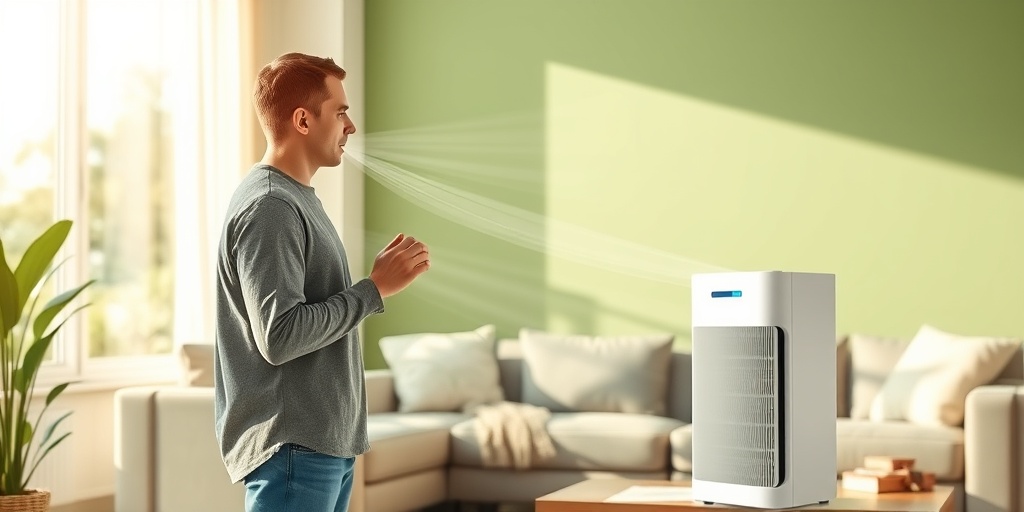
- Use Air Purifiers: Investing in a good air purifier can help reduce indoor allergens, providing a cleaner environment.
- Medications: Over-the-counter antihistamines and nasal sprays can alleviate symptoms. Consult with your healthcare provider for recommendations tailored to your needs.
Pet Allergy Triggers
For many, pets are beloved members of the family. However, for some individuals, pet dander can be a significant source of allergic reactions. Understanding pet allergy triggers is vital for those who suffer from these sensitivities.
What Causes Pet Allergies?
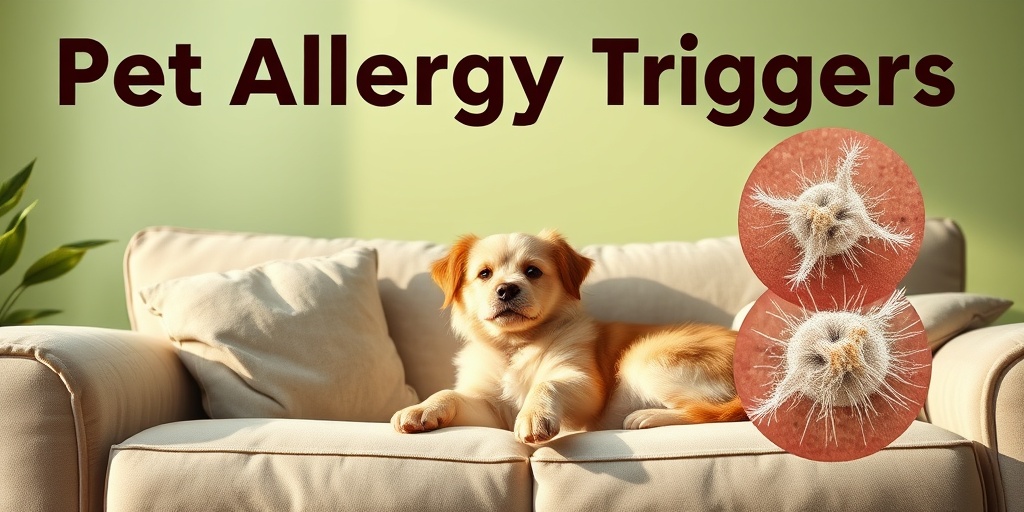
Pet allergies are primarily caused by proteins found in a pet’s skin cells, urine, and saliva. Here are the main sources of pet allergens:
- Pet Dander: Tiny flakes of skin shed by cats, dogs, and other furry animals can trigger allergic reactions. These particles can remain airborne for long periods.
- Saliva: When pets groom themselves, their saliva can get onto their fur. When the fur sheds, the saliva proteins can become airborne, causing allergies.
- Urine: Pet urine can also contain allergens, especially in homes where pets are not regularly cleaned up after.
Identifying Pet Allergens
Recognizing whether your symptoms are related to pet allergies is crucial. Here are some signs to look for:
- Symptoms: Common symptoms include sneezing, runny or stuffy nose, itchy eyes, and skin rashes.
- Timing: If your symptoms worsen when you are around pets, it’s likely that you are allergic to them.
- Allergy Testing: Consult with an allergist for skin or blood tests to confirm pet allergies.
Managing Pet Allergies
If you suspect you have a pet allergy, there are several strategies you can employ to manage your symptoms:
- Regular Cleaning: Frequent vacuuming and dusting can help reduce allergens in your home. Consider using HEPA filters in your vacuum.
- Pet-Free Zones: Designate certain areas of your home, like your bedroom, as pet-free zones to minimize exposure.
- Grooming: Regularly bathe and groom your pets to reduce dander and saliva buildup.
Understanding and managing allergy triggers is essential for maintaining a healthy and comfortable lifestyle. Whether you’re dealing with seasonal allergies or pet-related sensitivities, being proactive can make a significant difference in your overall well-being. 🌼🐾
Allergy Symptoms to Watch For
Allergies can manifest in various ways, and recognizing the symptoms early can help you manage them effectively. Whether you’re dealing with seasonal allergies or food sensitivities, being aware of the signs is crucial. Here are some common allergy symptoms to watch for:
Respiratory Symptoms
One of the most common reactions to allergens is respiratory distress. Symptoms may include:
- Runny or stuffy nose: Often accompanied by sneezing, this is a classic sign of allergies.
- Itchy or watery eyes: Allergens can irritate the eyes, leading to discomfort.
- Coughing or wheezing: These symptoms may indicate that allergens are affecting your airways.
Skin Reactions
Allergies can also trigger skin-related symptoms. Look out for:
- Hives: Raised, itchy welts on the skin can appear suddenly.
- Rashes: Allergic reactions can cause various types of rashes, often red and itchy.
- Swelling: Some individuals may experience swelling, particularly around the face and eyes.
Gastrointestinal Symptoms
Food allergies can lead to gastrointestinal distress. Symptoms may include:
- Nausea or vomiting: These can occur shortly after consuming an allergenic food.
- Diarrhea: This can be a sign of a food allergy or intolerance.
- Abdominal pain: Cramping or discomfort in the stomach area may indicate an allergic reaction.
Severe Reactions
In some cases, allergies can lead to severe reactions known as anaphylaxis. This is a medical emergency and requires immediate attention. Symptoms include:
- Difficulty breathing: Swelling of the throat can obstruct airflow.
- Rapid heartbeat: This can be a sign of shock.
- Loss of consciousness: This is a critical symptom that requires urgent medical care.
Understanding these symptoms can help you identify when you might be experiencing an allergic reaction. If you notice any of these signs, especially severe symptoms, it’s essential to seek medical advice promptly. 🩺
Managing Allergy Triggers
Once you identify your allergy symptoms, the next step is managing the triggers. Effective management can significantly improve your quality of life. Here are some strategies to help you cope with allergy triggers:
Avoidance Strategies
The most effective way to manage allergies is to avoid known triggers. Here are some tips:
- Stay indoors during high pollen counts: Check local weather reports for pollen forecasts and limit outdoor activities when counts are high.
- Keep windows closed: This can help prevent allergens from entering your home.
- Use air purifiers: HEPA filters can trap allergens, improving indoor air quality.
Medication Management
Over-the-counter and prescription medications can help alleviate allergy symptoms. Common options include:
- Antihistamines: These can reduce sneezing, itching, and runny nose.
- Decongestants: These help relieve nasal congestion.
- Inhalers: For those with asthma, using a rescue inhaler can help manage respiratory symptoms.
Allergy Testing and Immunotherapy
If you struggle to identify your triggers, consider consulting an allergist for testing. They can help pinpoint specific allergens and may recommend:
- Allergy shots: These can gradually desensitize your immune system to specific allergens.
- Sublingual immunotherapy: This involves placing a tablet containing allergens under your tongue to build tolerance.
Dietary Considerations
For food allergies, managing your diet is crucial. Here are some tips:
- Read labels carefully: Always check for allergens in packaged foods.
- Communicate when dining out: Inform restaurant staff about your allergies to avoid cross-contamination.
- Consider working with a nutritionist: They can help you create a balanced diet that avoids allergens while meeting your nutritional needs.
By implementing these strategies, you can effectively manage your allergy triggers and lead a healthier, more comfortable life. 🌼
Frequently Asked Questions about Allergy Triggers Slideshow
What is an Allergy Triggers Slideshow?
An Allergy Triggers Slideshow is a visual presentation that highlights common allergens and their effects on individuals. It serves as an educational tool to help people identify and understand various allergy triggers, making it easier to manage their symptoms.
Who can benefit from an Allergy Triggers Slideshow?
Individuals suffering from allergies, parents of allergic children, educators, and healthcare professionals can all benefit from an Allergy Triggers Slideshow. It provides valuable information that can aid in recognizing and avoiding allergens.
What types of allergens are typically included in the slideshow?
- Pollen – from trees, grasses, and weeds
- Dust mites – common in household environments
- Pet dander – from cats, dogs, and other animals
- Food allergens – such as nuts, dairy, and shellfish
- Mold spores – found in damp areas
How can I use the Allergy Triggers Slideshow effectively?
To use the Allergy Triggers Slideshow effectively, consider the following tips:
- Review the slideshow regularly to stay informed about allergens.
- Share it with family members or friends who may also be affected.
- Use it as a discussion starter with healthcare providers.
Is the Allergy Triggers Slideshow suitable for children?
Yes! The Allergy Triggers Slideshow can be tailored to be child-friendly, using simple language and engaging visuals to help children understand their allergies and how to avoid triggers. 🌟
Where can I find an Allergy Triggers Slideshow?
You can find an Allergy Triggers Slideshow through various online health resources, educational websites, or by consulting with healthcare professionals who may provide customized presentations.
Can I create my own Allergy Triggers Slideshow?
Absolutely! You can create your own Allergy Triggers Slideshow using presentation software. Include images, descriptions, and personal experiences to make it relatable and informative. 🖼️
How often should I update my Allergy Triggers Slideshow?
It’s a good idea to update your Allergy Triggers Slideshow whenever you learn about new allergens or if your allergy status changes. Regular updates ensure that the information remains relevant and useful.
Can the Allergy Triggers Slideshow help in emergency situations?
While the Allergy Triggers Slideshow is primarily an educational tool, it can help individuals recognize their triggers quickly, which is crucial in emergency situations. Always have an action plan in place for severe allergic reactions. 🚑