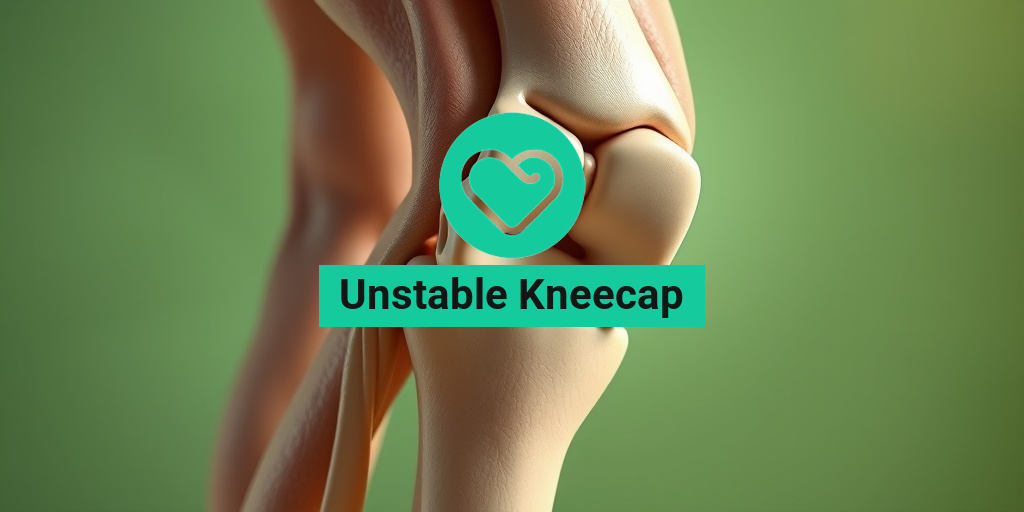
What Is an Unstable Kneecap?
An unstable kneecap, also known as patellar instability, occurs when the kneecap (patella) does not remain in its normal position during movement. This condition can lead to discomfort, pain, and difficulty in performing everyday activities. The kneecap is a small bone that sits in front of the knee joint, and it plays a crucial role in knee function by helping to extend the leg and absorb shock during activities like walking, running, and jumping.
Causes of Unstable Kneecap
Understanding the causes of an unstable kneecap is essential for effective treatment and management. Some common causes include:
- Previous Injuries: A history of knee injuries, such as dislocations or fractures, can weaken the structures that stabilize the kneecap.
- Structural Abnormalities: Some individuals may have anatomical differences, such as a shallow groove in the thigh bone (femur) where the kneecap sits, making it more prone to instability.
- Weak Muscles: Weakness in the muscles surrounding the knee, particularly the quadriceps, can lead to poor kneecap alignment.
- Ligament Laxity: Some people have naturally loose ligaments, which can contribute to instability.
Recognizing these causes can help in developing a tailored treatment plan. If you suspect you have an unstable kneecap, consulting with a healthcare professional is crucial for proper diagnosis and management.
Symptoms of Unstable Kneecap
The symptoms of an unstable kneecap can vary from person to person, but there are several common signs to watch for. If you experience any of the following symptoms, it may be time to seek medical advice:
Common Symptoms
- Knee Pain: Pain around the kneecap, especially during activities that involve bending or straightening the knee.
- Swelling: Swelling around the knee joint can occur, particularly after physical activity.
- Instability: A feeling that the knee may give way or buckle during movement.
- Clicking or Popping Sounds: Some individuals may hear or feel a clicking sensation when moving the knee.
- Difficulty with Activities: Challenges in performing activities such as climbing stairs, squatting, or running.
When to Seek Help
If you experience persistent symptoms or if your knee gives way, it’s important to consult with a healthcare provider. Early intervention can prevent further damage and improve your chances of a full recovery. They may recommend imaging tests, such as X-rays or MRIs, to assess the condition of your knee and determine the best course of action.
Self-Care and Management
While professional treatment is essential, there are also self-care strategies you can implement to manage symptoms of an unstable kneecap:
- Rest: Avoid activities that exacerbate your symptoms.
- Ice: Applying ice can help reduce swelling and pain.
- Compression: Using a knee brace can provide support and stability.
- Elevation: Keeping the knee elevated can help minimize swelling.
Incorporating exercises for an unstable kneecap can also be beneficial. Strengthening the muscles around the knee can improve stability and reduce the risk of future episodes. Always consult with a healthcare professional before starting any new exercise regimen.
For more detailed information on managing knee health, consider visiting Yesil Health AI, a valuable resource for evidence-based health answers.
In conclusion, understanding what an unstable kneecap is and recognizing its symptoms can empower you to take control of your knee health. If you suspect you have this condition, don’t hesitate to seek professional help to ensure you receive the appropriate care and support. 🦵💪
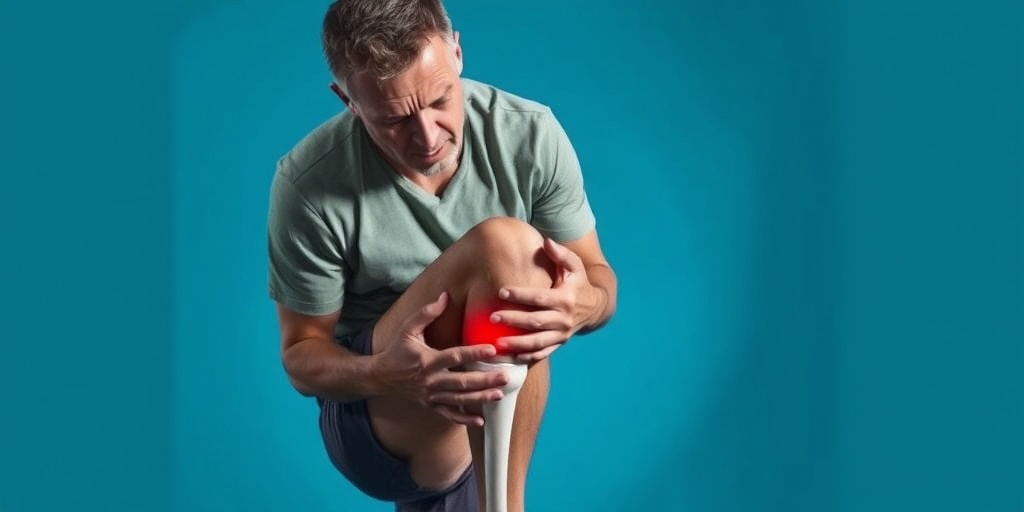
Causes of Unstable Kneecap
An unstable kneecap, also known as patellar instability, occurs when the kneecap (patella) moves out of its normal position. Understanding the causes of an unstable kneecap is crucial for effective treatment and prevention. Here are some of the primary factors that contribute to this condition:
1. Anatomical Factors
Some individuals may have anatomical variations that predispose them to kneecap instability. These include:
- Shallow Trochlear Groove: The trochlear groove is the part of the femur where the kneecap sits. A shallow groove can lead to improper tracking of the kneecap.
- High Riding Patella: A patella that sits higher than normal can be more prone to dislocation.
- Leg Alignment Issues: Conditions such as knock-knees (valgus) or bow legs (varus) can affect how the kneecap moves during activity.
2. Previous Injuries
Injuries to the knee, particularly those involving the ligaments, can significantly increase the risk of an unstable kneecap. Common injuries include:
- Patellar Dislocation: A previous dislocation can weaken the structures that stabilize the kneecap.
- Ligament Tears: Injuries to the anterior cruciate ligament (ACL) or medial collateral ligament (MCL) can compromise knee stability.
3. Muscle Imbalances
Muscle strength and balance play a vital role in knee stability. Weakness or tightness in certain muscle groups can lead to instability:
- Quadriceps Weakness: The quadriceps muscle helps control the movement of the kneecap. Weakness can lead to improper tracking.
- Hamstring Tightness: Tight hamstrings can pull on the knee joint, affecting its alignment.
4. Overuse and Repetitive Stress
Engaging in activities that put excessive stress on the knee can lead to instability. Common activities include:
- High-Impact Sports: Sports like basketball, soccer, and running can increase the risk of knee injuries.
- Repetitive Squatting or Kneeling: These movements can strain the knee joint over time.
Risk Factors for Unstable Kneecap
Identifying the risk factors for an unstable kneecap can help individuals take preventive measures. Here are some key risk factors to consider:
1. Age and Gender
Age and gender can influence the likelihood of developing an unstable kneecap. Research indicates that:
- Young Athletes: Adolescents and young adults, particularly those involved in sports, are at a higher risk.
- Gender Differences: Females are more likely to experience patellar instability due to anatomical differences and hormonal factors.
2. Family History
A family history of knee problems can increase the risk of developing an unstable kneecap. Genetic predispositions may play a role in anatomical variations and ligament laxity.
3. Activity Level
Individuals who engage in high-impact sports or activities that involve sudden changes in direction are at a greater risk. This includes:
- Contact Sports: Football, rugby, and basketball can lead to knee injuries.
- Dance and Gymnastics: These activities often require jumping and twisting, which can stress the knee.
4. Previous Knee Conditions
Individuals with a history of knee conditions, such as patellar tendinitis or chondromalacia patellae, may be more susceptible to instability. These conditions can weaken the structures that support the kneecap.
Understanding the causes and risk factors of an unstable kneecap is essential for prevention and management. If you experience symptoms such as knee pain, swelling, or a feeling of instability, it’s important to consult a healthcare professional for a proper diagnosis and treatment plan. 🦵💪

Diagnosis of Unstable Kneecap
Diagnosing an unstable kneecap, also known as patellar instability, involves a comprehensive evaluation by a healthcare professional. This condition can lead to significant discomfort and mobility issues, making accurate diagnosis crucial for effective treatment.
Initial Assessment
The diagnosis typically begins with a detailed medical history and a physical examination. Your doctor will ask about your symptoms, including:
- Frequency and severity of knee pain
- Episodes of the kneecap dislocating or feeling unstable
- Any previous injuries or surgeries related to the knee
During the physical examination, the doctor may perform specific tests to assess the stability of your kneecap. These tests help determine how well the kneecap tracks within the groove of the thigh bone (femur).
Imaging Techniques
To confirm the diagnosis and rule out other conditions, imaging studies may be necessary. Common imaging techniques include:
- X-rays: These can reveal any bone abnormalities or previous fractures.
- Magnetic Resonance Imaging (MRI): An MRI provides detailed images of soft tissues, including ligaments and cartilage, helping to identify any damage that may contribute to instability.
In some cases, a CT scan may also be used to provide a more comprehensive view of the knee joint.
Understanding Symptoms
Recognizing the symptoms of an unstable kneecap is vital for timely diagnosis. Common symptoms include:
- Pain: Often felt around the kneecap, especially during activities like climbing stairs or squatting.
- Swelling: The knee may swell after an episode of instability.
- Locking or catching: A sensation that the knee is locking or catching during movement.
- Instability: A feeling that the knee may give way, particularly during physical activities.
If you experience any of these symptoms, it’s essential to consult a healthcare professional for a thorough evaluation.
Treatment Options for Unstable Kneecap
Treating an unstable kneecap involves a combination of conservative measures and, in some cases, surgical interventions. The choice of treatment depends on the severity of the condition, the underlying causes, and the patient’s activity level.
Conservative Treatments
For many individuals, conservative treatments can effectively manage symptoms and improve knee stability. These options include:
- Physical Therapy: A tailored exercise program can strengthen the muscles around the knee, improving stability and reducing pain. Specific exercises may focus on the quadriceps, hamstrings, and hip muscles.
- Bracing: An unstable kneecap brace can provide additional support during activities, helping to prevent dislocation.
- Activity Modification: Avoiding activities that exacerbate symptoms, such as high-impact sports, can help manage pain and prevent further instability.
- Medications: Over-the-counter pain relievers, such as ibuprofen or acetaminophen, can help alleviate pain and reduce inflammation.
Surgical Options
If conservative treatments fail to provide relief, surgical options may be considered. Common surgical procedures for an unstable kneecap include:
- Realignment Surgery: This procedure involves repositioning the kneecap to ensure it tracks properly within the femoral groove.
- Ligament Reconstruction: If ligaments are damaged, reconstructive surgery may be necessary to restore stability.
- Cartilage Repair: In cases where cartilage damage contributes to instability, procedures to repair or regenerate cartilage may be performed.
Recovery from surgery typically involves a rehabilitation program to restore strength and mobility. It’s essential to follow your healthcare provider’s recommendations for a successful recovery.
Conclusion
Understanding the diagnosis and treatment options for an unstable kneecap is crucial for managing this condition effectively. Whether through conservative measures or surgical intervention, addressing the issue promptly can lead to improved knee function and a better quality of life. If you suspect you have an unstable kneecap, don’t hesitate to seek professional advice! 🦵✨

Rehabilitation for Unstable Kneecap
Rehabilitation is a crucial step in managing an unstable kneecap, also known as patellar instability. This condition can lead to pain, discomfort, and difficulty in performing daily activities. A well-structured rehabilitation program can help restore strength, stability, and function to the knee. Here’s a closer look at effective rehabilitation strategies.
Understanding the Importance of Rehabilitation
Rehabilitation for an unstable kneecap focuses on several key areas:
- Strengthening Muscles: Strengthening the muscles around the knee, particularly the quadriceps and hamstrings, is essential for providing support and stability.
- Improving Flexibility: Enhancing flexibility in the surrounding muscles can help reduce tension and improve the range of motion.
- Enhancing Proprioception: Proprioception exercises help improve your body’s ability to sense its position in space, which is vital for knee stability.
Key Rehabilitation Exercises
Here are some effective exercises that can be incorporated into a rehabilitation program for an unstable kneecap:
- Quadriceps Sets: Sit with your leg straight and tighten your thigh muscle. Hold for a few seconds and release. Repeat 10-15 times.
- Straight Leg Raises: Lie on your back with one leg bent and the other straight. Raise the straight leg to the height of the bent knee, hold for a few seconds, and lower it back down. Aim for 10-15 repetitions.
- Wall Sits: Stand with your back against a wall and slide down into a sitting position, keeping your knees at a 90-degree angle. Hold for 20-30 seconds.
- Balance Exercises: Stand on one leg for 30 seconds, gradually increasing the time as your stability improves. You can also try this on an unstable surface like a balance board.
Consulting a Professional
While these exercises can be beneficial, it’s essential to consult with a healthcare professional or physical therapist before starting any rehabilitation program. They can tailor a program specific to your needs and monitor your progress, ensuring you’re on the right track to recovery.
Preventing Unstable Kneecap Issues
Preventing issues related to an unstable kneecap is vital for maintaining knee health and avoiding future complications. Here are some effective strategies to help you keep your knees stable and strong.
Strength Training
Incorporating strength training into your routine can significantly reduce the risk of developing an unstable kneecap. Focus on:
- Leg Strength: Exercises that target the quadriceps, hamstrings, and calves can provide the necessary support for your knee joint.
- Core Stability: A strong core helps maintain proper alignment and balance, reducing the strain on your knees.
Flexibility and Stretching
Regular stretching can improve flexibility and reduce the risk of injuries. Consider adding the following stretches to your routine:
- Hamstring Stretch: Sit on the ground with one leg extended and the other bent. Reach towards your toes on the extended leg to stretch your hamstring.
- Quadriceps Stretch: Stand on one leg and pull your other foot towards your buttocks, keeping your knees together.
Proper Footwear
Wearing the right shoes is crucial for knee health. Choose footwear that provides adequate support and cushioning, especially if you engage in high-impact activities. Avoid worn-out shoes, as they can lead to improper alignment and increased stress on the knees.
Activity Modification
If you have a history of knee issues, consider modifying your activities to reduce stress on your knees. Low-impact exercises such as swimming, cycling, or using an elliptical machine can be excellent alternatives to running or jumping.
Listening to Your Body
Finally, always listen to your body. If you experience pain or discomfort in your knees, it’s essential to rest and seek medical advice. Ignoring symptoms can lead to more severe issues, including chronic instability.
By implementing these preventive measures, you can significantly reduce the risk of developing an unstable kneecap and maintain a healthy, active lifestyle. 🏃♂️💪

Frequently Asked Questions about Unstable Kneecap
What is an unstable kneecap?
An unstable kneecap, also known as patellar instability, occurs when the kneecap (patella) moves out of its normal position, often leading to pain and difficulty in movement. This condition can result from various factors, including anatomical issues, previous injuries, or overuse.
What are the common symptoms of an unstable kneecap?
- Pain around the kneecap, especially during activities like climbing stairs or squatting.
- A sensation of the kneecap shifting or slipping.
- Swelling in the knee area.
- Stiffness or difficulty in bending the knee.
- Weakness in the knee or leg.
What causes an unstable kneecap?
Several factors can contribute to an unstable kneecap, including:
- Previous injuries to the knee, such as dislocations or fractures.
- Structural abnormalities in the knee joint or surrounding ligaments.
- Muscle imbalances that affect knee stability.
- Overuse from repetitive activities or sports.
How is an unstable kneecap treated?
Treatment options for an unstable kneecap may include:
- Physical therapy to strengthen the muscles around the knee.
- Bracing to provide support and stability.
- Medications to manage pain and inflammation.
- Surgery in severe cases to realign the kneecap or repair damaged ligaments.
Are there exercises for an unstable kneecap?
Yes, specific exercises can help strengthen the muscles around the knee and improve stability. These may include:
- Quadriceps strengthening exercises.
- Hamstring stretches to improve flexibility.
- Balance exercises to enhance coordination.
When should I consider surgery for an unstable kneecap?
Surgery may be considered if non-surgical treatments do not alleviate symptoms or if the kneecap continues to dislocate frequently. A consultation with an orthopedic specialist can help determine the best course of action.
Can I use a brace for an unstable kneecap?
Yes, using a brace can provide additional support and stability for an unstable kneecap. It is advisable to consult with a healthcare professional to find the right type of brace for your condition.
Where can I find support or community discussions about unstable kneecap issues?
Online platforms like Reddit have communities where individuals share their experiences and advice regarding unstable kneecap issues. Engaging with others who have similar experiences can provide valuable insights and support.