What Is Toxic Epidermal Necrolysis?
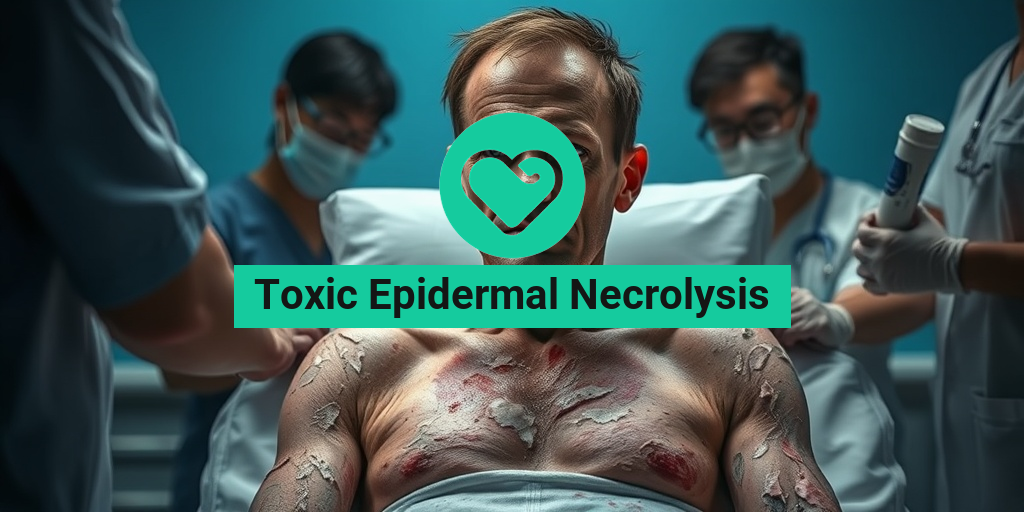
Toxic Epidermal Necrolysis (TEN) is a rare but severe skin condition that can be life-threatening. It is characterized by the widespread detachment of the epidermis, the outermost layer of the skin, from the underlying dermis. This condition is often triggered by certain medications, infections, or other underlying health issues. Understanding TEN is crucial for early diagnosis and effective treatment.
Typically, TEN is considered a severe form of Stevens-Johnson Syndrome (SJS), with the primary difference being the extent of skin involvement. While SJS affects less than 10% of the body surface area, TEN involves more than 30%. The condition can lead to significant complications, including infections, dehydration, and even organ failure.
Causes of Toxic Epidermal Necrolysis
The exact cause of TEN is not fully understood, but it is often associated with the use of certain medications. Some common culprits include:
- Antibiotics: Particularly sulfonamides and penicillins.
- Anticonvulsants: Such as phenytoin and carbamazepine.
- Non-steroidal anti-inflammatory drugs (NSAIDs): Including ibuprofen and naproxen.
- Allopurinol: Used to treat gout.
In some cases, infections (like herpes or Mycoplasma pneumoniae) or underlying health conditions (such as HIV) can also trigger TEN. It’s essential to consult a healthcare professional if you suspect you have been exposed to any of these risk factors.
Pathophysiology of TEN
The pathophysiology of TEN involves a complex immune response. When the body encounters a triggering agent, it may mistakenly attack its own skin cells, leading to the separation of the epidermis from the dermis. This results in the characteristic blistering and peeling of the skin. The condition can also affect mucous membranes, leading to painful lesions in the mouth, eyes, and genital areas.
TEN Symptoms
Recognizing the symptoms of Toxic Epidermal Necrolysis early can be crucial for effective treatment. Symptoms typically develop within one to three weeks after exposure to a triggering agent. Here are the most common symptoms associated with TEN:
Initial Symptoms
The initial symptoms of TEN may resemble those of the flu or other viral infections. These can include:
- Fever: Often one of the first signs, with temperatures exceeding 38°C (100.4°F).
- Fatigue: A general feeling of tiredness and malaise.
- Body aches: Similar to muscle pain experienced during viral infections.
Skin Symptoms
As the condition progresses, more severe skin symptoms develop, including:
- Blistering: Large, painful blisters may form on the skin.
- Peeling: The skin may begin to peel away, resembling severe burns.
- Red or purple rash: This can cover large areas of the body.
Mucous Membrane Involvement
TEN can also affect mucous membranes, leading to:
- Oral lesions: Painful sores in the mouth, making eating and drinking difficult.
- Conjunctivitis: Inflammation of the eyes, which can lead to vision problems.
- Genital lesions: Painful sores in the genital area.
When to Seek Medical Attention
If you or someone you know is experiencing symptoms of TEN, it is vital to seek medical attention immediately. Early intervention can significantly improve outcomes and reduce the risk of complications. Healthcare providers may perform skin biopsies and other tests to confirm the diagnosis and determine the best course of treatment.
For more information on TEN and other health-related topics, consider visiting Yesil Health AI, a valuable resource for evidence-based health answers.
In conclusion, Toxic Epidermal Necrolysis is a serious condition that requires prompt medical attention. Understanding its symptoms and causes can help in early detection and treatment, ultimately improving the chances of recovery. Stay informed and prioritize your health! 🌟
TEN Causes and Triggers
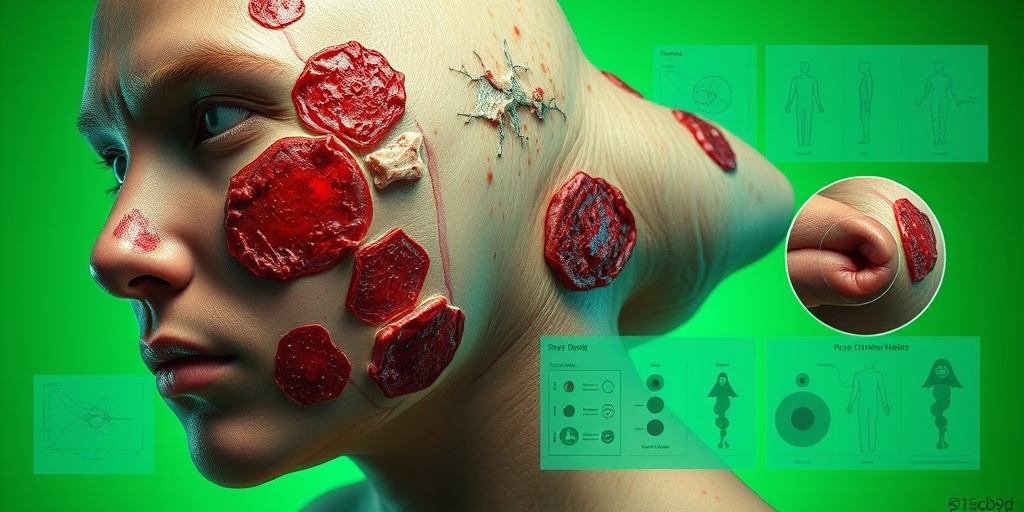
Toxic Epidermal Necrolysis (TEN) is a severe skin condition that can lead to life-threatening complications. Understanding the causes and triggers of TEN is crucial for prevention and early intervention. Here, we explore the primary factors that can lead to this serious condition.
1. Medications
One of the most common causes of TEN is the reaction to certain medications. Drugs such as:
- Antibiotics (e.g., penicillin, sulfonamides)
- Anticonvulsants (e.g., phenytoin, carbamazepine)
- Non-steroidal anti-inflammatory drugs (NSAIDs) (e.g., ibuprofen, naproxen)
- Allopurinol (used for gout)
These medications can trigger an immune response that leads to skin cell death, resulting in TEN.
2. Infections
Infections, particularly viral infections, can also trigger TEN. Common culprits include:
- Herpes Simplex Virus
- HIV
- Mycoplasma pneumoniae
These infections can compromise the immune system, making the body more susceptible to severe skin reactions.
3. Genetic Predisposition
Some individuals may have a genetic predisposition that makes them more susceptible to developing TEN. Certain genetic markers can increase the risk of adverse drug reactions, leading to conditions like TEN.
4. Autoimmune Disorders
People with autoimmune disorders, such as lupus or rheumatoid arthritis, may be at a higher risk for developing TEN. The immune system’s overactivity can lead to severe skin reactions when exposed to specific triggers.
5. Environmental Factors
Exposure to certain environmental factors, such as chemicals or toxins, can also trigger TEN. This includes:
- Heavy metals
- Pesticides
These substances can provoke an immune response that results in skin damage.
6. Vaccinations
In rare cases, vaccinations can trigger TEN. While vaccines are essential for preventing diseases, some individuals may experience adverse reactions that lead to severe skin conditions.
7. Stress
Emotional or physical stress can weaken the immune system, making the body more vulnerable to skin reactions. Stress management is crucial for individuals at risk of TEN.
8. Hormonal Changes
Hormonal fluctuations, particularly in women, can also play a role in triggering TEN. Changes during menstruation, pregnancy, or menopause may increase susceptibility to skin reactions.
9. Other Skin Conditions
Individuals with pre-existing skin conditions, such as eczema or psoriasis, may be at a higher risk for developing TEN. These conditions can compromise the skin’s barrier, making it more susceptible to severe reactions.
10. Unknown Factors
In some cases, the exact cause of TEN remains unknown. This unpredictability makes it essential for individuals to be aware of their health and any changes in their skin.
TEN Risk Factors
Identifying the risk factors associated with Toxic Epidermal Necrolysis can help in early detection and prevention. Here are some key risk factors to consider:
1. Age
While TEN can occur at any age, it is more common in adults, particularly those over the age of 40. Older adults may have a higher risk due to age-related changes in the immune system.
2. Gender
Research indicates that women may be at a slightly higher risk for developing TEN compared to men. Hormonal differences could play a role in this increased susceptibility.
3. Previous History of Drug Reactions
Individuals with a history of adverse drug reactions are at a higher risk for developing TEN. If someone has previously experienced a severe reaction to a medication, they should be cautious with new prescriptions.
4. Chronic Illnesses
Chronic illnesses, such as diabetes or liver disease, can compromise the immune system, increasing the risk of TEN. Managing these conditions effectively is crucial for reducing risk.
5. Family History
A family history of drug allergies or skin reactions can increase an individual’s risk for TEN. Genetic factors may contribute to this heightened susceptibility.
6. Concurrent Infections
Having concurrent infections can increase the risk of developing TEN, especially if the immune system is already compromised. Prompt treatment of infections is essential.
7. Use of Multiple Medications
Polypharmacy, or the use of multiple medications, can increase the risk of drug interactions and adverse reactions, including TEN. Regular medication reviews with healthcare providers can help mitigate this risk.
8. Smoking
Smoking has been linked to various health issues, including skin conditions. Smokers may have a higher risk of developing TEN due to the effects of tobacco on the immune system.
9. Alcohol Consumption
Excessive alcohol consumption can weaken the immune system and increase the risk of skin reactions. Moderation is key to maintaining overall health.
10. Lack of Awareness
Finally, a lack of awareness about the symptoms and triggers of TEN can lead to delayed diagnosis and treatment. Educating oneself and others about this condition is vital for prevention.
By understanding the causes, triggers, and risk factors associated with Toxic Epidermal Necrolysis, individuals can take proactive steps to protect their health and seek timely medical attention when necessary. 🩺

TEN Diagnosis
Toxic Epidermal Necrolysis (TEN) is a severe skin condition that requires prompt diagnosis and intervention. Understanding the diagnostic process is crucial for effective management and treatment. Here’s a closer look at how TEN is diagnosed.
Clinical Evaluation
The diagnosis of TEN typically begins with a thorough clinical evaluation. Healthcare providers will assess the patient’s medical history, including any recent medications, as certain drugs are known to trigger this condition. Common culprits include:
- Antibiotics
- Anticonvulsants
- Non-steroidal anti-inflammatory drugs (NSAIDs)
During the evaluation, doctors will look for characteristic symptoms of TEN, which may include:
- Severe skin blistering and peeling
- Fever and flu-like symptoms
- Red or purplish skin lesions
Skin Biopsy
To confirm the diagnosis, a skin biopsy may be performed. This involves taking a small sample of the affected skin and examining it under a microscope. The biopsy can help differentiate TEN from other similar conditions, such as Stevens-Johnson Syndrome (SJS), which is less severe but shares some symptoms.
Laboratory Tests
In addition to a skin biopsy, laboratory tests may be conducted to assess the patient’s overall health and rule out other potential causes of the symptoms. These tests can include:
- Complete blood count (CBC)
- Electrolyte levels
- Liver and kidney function tests
These tests help determine the extent of the condition and guide treatment decisions.
TEN Treatment Options
Once diagnosed, the management of Toxic Epidermal Necrolysis is critical and often requires hospitalization. The treatment approach focuses on minimizing complications and promoting healing. Here are the primary treatment options available for TEN:
Immediate Discontinuation of Offending Medications
The first step in treating TEN is to identify and discontinue any medications that may have triggered the condition. This is crucial, as continued exposure to the offending agent can worsen the symptoms and lead to further complications.
Supportive Care
Supportive care is essential in managing TEN. This includes:
- Fluid Replacement: Patients often require intravenous fluids to maintain hydration and electrolyte balance.
- Wound Care: Proper wound care is vital to prevent infections. This may involve using specialized dressings and topical treatments.
- Pain Management: Pain relief is a priority, as the condition can be extremely painful. Medications such as opioids may be prescribed.
Medications
In some cases, medications may be used to manage symptoms and promote healing. These can include:
- Corticosteroids: These anti-inflammatory drugs may help reduce inflammation and immune response.
- Immunosuppressants: Medications like cyclosporine may be used to suppress the immune system in severe cases.
- Antibiotics: If there is a risk of infection, antibiotics may be prescribed.
Specialized Treatments
In severe cases of TEN, specialized treatments may be necessary. These can include:
- Plasmapheresis: This procedure involves filtering the blood to remove harmful substances and may help in severe cases.
- Intravenous Immunoglobulin (IVIG): This treatment can help modulate the immune response and is sometimes used in severe TEN cases.
Overall, the treatment of Toxic Epidermal Necrolysis is complex and requires a multidisciplinary approach. Early diagnosis and intervention are key to improving outcomes and minimizing complications. If you or someone you know is experiencing symptoms of TEN, seek medical attention immediately! 🚑

TEN Complications
Toxic Epidermal Necrolysis (TEN) is a severe skin condition that can lead to a range of complications, some of which can be life-threatening. Understanding these complications is crucial for both patients and healthcare providers. Here, we delve into the most common complications associated with TEN.
1. Infection
One of the most significant risks for individuals with TEN is the development of infections. The extensive skin loss creates an open wound environment, making it easier for bacteria to enter the body. Sepsis, a life-threatening response to infection, can occur if not promptly treated.
2. Dehydration
Due to the loss of skin, patients may experience severe fluid loss, leading to dehydration. This can result in electrolyte imbalances and may require intravenous fluids to restore hydration levels.
3. Organ Failure
In severe cases, the body may struggle to cope with the extensive damage caused by TEN, leading to multi-organ failure. The kidneys, liver, and lungs are particularly vulnerable, and monitoring their function is critical during treatment.
4. Scarring and Skin Changes
After recovery, many patients may experience permanent scarring or changes in skin pigmentation. These changes can affect a person’s appearance and may require further dermatological treatment.
5. Eye Complications
TEN can also affect the mucous membranes, including those in the eyes. Patients may develop conjunctivitis, corneal ulcers, or even vision loss if the eyes are severely affected. Regular ophthalmologic evaluations are essential for early detection and management.
6. Respiratory Issues
In some cases, the respiratory system can be compromised, leading to pneumonia or other lung-related complications. Patients may require respiratory support, especially if they have pre-existing conditions.
7. Psychological Impact
The physical toll of TEN can also lead to significant psychological effects. Patients may experience anxiety, depression, or post-traumatic stress disorder (PTSD) due to the trauma of the illness and its aftermath.
8. Nutritional Deficiencies
Due to the severity of the condition and potential difficulties in eating, patients may face nutritional deficiencies. A dietitian’s involvement can help ensure that patients receive adequate nutrition during recovery.
9. Blood Clotting Disorders
Patients with TEN are at an increased risk of developing thrombosis or blood clots due to prolonged immobility and changes in blood flow. Preventative measures, such as anticoagulants, may be necessary.
10. Recurrence
While rare, there is a possibility of recurrence of TEN, especially if the triggering medication is reintroduced. Patients should be educated about their condition and the importance of avoiding known triggers.
TEN Recovery and Outlook
The recovery process from Toxic Epidermal Necrolysis (TEN) can be lengthy and complex, but understanding what to expect can help patients and their families navigate this challenging time.
Initial Recovery Phase
During the initial recovery phase, patients are typically hospitalized for close monitoring and treatment. The focus is on managing complications, preventing infections, and ensuring adequate hydration and nutrition. This phase can last from a few weeks to several months, depending on the severity of the condition.
Long-Term Recovery
Once the acute phase has passed, patients may enter a long-term recovery phase. This can involve:
- Physical Rehabilitation: Many patients require physical therapy to regain strength and mobility.
- Dermatological Care: Ongoing skin care is essential to manage scarring and pigmentation changes.
- Psychological Support: Counseling or support groups can be beneficial for addressing emotional and psychological challenges.
Prognosis
The prognosis for TEN varies widely among individuals. Factors influencing recovery include:
- Age: Younger patients often have better outcomes.
- Overall Health: Pre-existing health conditions can complicate recovery.
- Timeliness of Treatment: Early intervention is crucial for improving outcomes.
While many patients can recover fully, some may experience long-term effects, including chronic pain, skin sensitivity, or psychological issues. Regular follow-ups with healthcare providers are essential to monitor and manage any ongoing concerns.
In conclusion, while the journey through TEN can be daunting, understanding the potential complications and recovery process can empower patients and their families to seek the best possible care and support. 🌟

Frequently Asked Questions about Toxic Epidermal Necrolysis
What is Toxic Epidermal Necrolysis?
Toxic Epidermal Necrolysis is a severe skin condition characterized by widespread skin detachment and mucosal involvement. It is often triggered by medications and can lead to serious complications if not treated promptly.
What are the symptoms of Toxic Epidermal Necrolysis?
Common symptoms include:
- Severe skin pain
- Red or purple skin lesions
- Blistering and peeling of the skin
- Mucosal lesions in the mouth, eyes, and genital areas
- Fever and flu-like symptoms
What causes Toxic Epidermal Necrolysis?
The primary cause of Toxic Epidermal Necrolysis is often an adverse reaction to certain medications, including:
- Antibiotics
- Anticonvulsants
- Non-steroidal anti-inflammatory drugs (NSAIDs)
In some cases, infections or other underlying health conditions may also contribute to its development.
How is Toxic Epidermal Necrolysis diagnosed?
Diagnosis typically involves a thorough medical history, physical examination, and sometimes a skin biopsy to confirm the condition. Healthcare providers may also review recent medication use to identify potential triggers.
What is the treatment for Toxic Epidermal Necrolysis?
Treatment for Toxic Epidermal Necrolysis usually requires hospitalization and may include:
- Discontinuation of the offending medication
- Supportive care, including fluid replacement and pain management
- Wound care to prevent infections
- In some cases, immunosuppressive therapies may be considered
How does Toxic Epidermal Necrolysis differ from Stevens-Johnson Syndrome?
While both conditions involve skin and mucosal detachment, Toxic Epidermal Necrolysis is generally more severe and involves a larger body surface area compared to Stevens-Johnson Syndrome, which typically affects less than 10% of the body.
Are there any long-term effects of Toxic Epidermal Necrolysis?
Some individuals may experience long-term complications, such as:
- Skin scarring
- Changes in skin pigmentation
- Chronic pain or sensitivity in affected areas
- Vision problems if the eyes were involved
Where can I find more information about Toxic Epidermal Necrolysis?
For more detailed information, consider consulting reputable medical websites, dermatology associations, or speaking with a healthcare professional who specializes in skin disorders.