What Are TM Disorders?
Temporomandibular (TM) Disorders, often referred to as TMJ disorders, are a group of conditions affecting the temporomandibular joint, which connects your jawbone to your skull. This joint is crucial for everyday activities such as chewing, speaking, and even yawning. When this joint or the surrounding muscles become dysfunctional, it can lead to a variety of uncomfortable symptoms.
Understanding the Temporomandibular Joint
The temporomandibular joint is a complex structure that allows for the movement of the jaw. It consists of bones, muscles, and ligaments that work together to facilitate smooth jaw movement. When any part of this system is compromised, it can result in TM disorders. Factors contributing to these disorders can include:
- Injury: Trauma to the jaw or head can disrupt the normal function of the TM joint.
- Arthritis: Conditions like osteoarthritis or rheumatoid arthritis can affect the joint.
- Teeth Grinding: Also known as bruxism, this habit can put excessive pressure on the TM joint.
- Stress: Emotional stress can lead to muscle tension and jaw clenching.
Types of TM Disorders
TM disorders can be categorized into three main types:
- Myofascial Pain: This is the most common type, characterized by discomfort in the muscles that control jaw function.
- Internal Derangement of the Joint: This involves a displaced disc or injury to the joint itself.
- Arthritis: Inflammation of the TM joint can lead to pain and restricted movement.
Understanding these types can help in identifying the right treatment options. If you’re experiencing any discomfort, it’s essential to consult a healthcare professional for a proper diagnosis.
TM Disorder Symptoms
Recognizing the symptoms of TM disorders is crucial for early intervention and effective management. Symptoms can vary widely among individuals, but some common signs include:
Common Symptoms of TM Disorders
- Jaw Pain: Persistent pain in the jaw, especially when chewing or speaking, is a hallmark symptom.
- Clicking or Popping Sounds: You may hear or feel a clicking sound when moving your jaw.
- Limited Jaw Movement: Difficulty opening or closing your mouth fully can indicate a TM disorder.
- Headaches: Frequent headaches, particularly around the temples, can be linked to TM disorders.
- Ear Pain: Some individuals report pain in the ears, which can be mistaken for an ear infection.
- Facial Pain: Discomfort may radiate to the face, neck, and shoulders.
When to Seek Help
If you experience any of these symptoms, especially if they persist for more than a few days, it’s important to seek medical advice. Early diagnosis and treatment can prevent the condition from worsening and improve your quality of life.
Conclusion
Temporomandibular (TM) disorders can significantly impact daily life, but understanding the symptoms and causes can empower you to seek appropriate care. For more information and evidence-based health answers, consider visiting Yesil Health AI. Remember, you don’t have to suffer in silence—help is available! 😊

Causes of TM Disorders
Temporomandibular (TM) Disorders, often referred to as TMJ disorders, can arise from a variety of factors that affect the jaw joint and surrounding muscles. Understanding these causes is crucial for effective management and treatment. Here are some of the primary causes:
1. Jaw Injury
Injuries to the jaw, whether from accidents, sports, or falls, can lead to TM disorders. Such injuries may cause dislocation or damage to the joint, resulting in pain and dysfunction.
2. Teeth Grinding and Jaw Clenching
Many individuals unknowingly grind their teeth or clench their jaws, especially during sleep or times of stress. This habit can put excessive pressure on the TM joint, leading to inflammation and discomfort. If you often wake up with a sore jaw, this could be a sign of bruxism.
3. Arthritis
Arthritis, particularly osteoarthritis and rheumatoid arthritis, can affect the TM joint. These conditions lead to inflammation, pain, and reduced mobility in the joint, contributing to TM disorders.
4. Misalignment of the Jaw
Dental issues such as misaligned teeth or an improper bite can place additional strain on the TM joint. This misalignment can lead to uneven wear and tear, resulting in discomfort and dysfunction.
5. Stress and Anxiety
Emotional stress can manifest physically, often leading to muscle tension in the jaw area. This tension can exacerbate existing TM disorders or even trigger new symptoms. Finding effective stress management techniques is essential for those suffering from TM disorders.
6. Other Medical Conditions
Certain medical conditions, such as fibromyalgia or chronic fatigue syndrome, can increase the likelihood of developing TM disorders. These conditions often involve widespread pain and can affect the muscles and joints, including the TM joint.
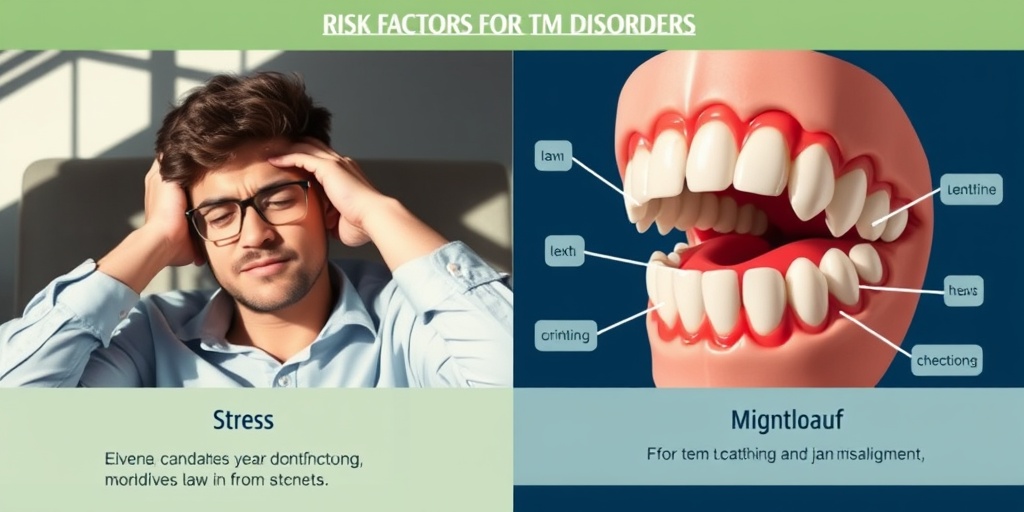
Risk Factors for TM Disorders
While anyone can develop temporomandibular disorders, certain risk factors can increase the likelihood of experiencing these issues. Being aware of these factors can help in early identification and intervention.
1. Age and Gender
TM disorders are more commonly diagnosed in individuals aged 20 to 40, with women being more likely to experience these disorders than men. Hormonal differences may play a role in this disparity.
2. Previous Dental Work
Individuals who have undergone extensive dental procedures, such as braces or tooth extractions, may be at a higher risk for TM disorders. Changes in the alignment of teeth and jaw can lead to increased strain on the TM joint.
3. Lifestyle Factors
- High Stress Levels: Chronic stress can lead to muscle tension and jaw clenching.
- Poor Posture: Slouching or poor neck alignment can contribute to jaw strain.
- Excessive Caffeine or Alcohol Consumption: These substances can increase muscle tension and exacerbate symptoms.
4. Family History
If you have a family history of TM disorders, you may be at a higher risk. Genetic factors can influence the development of jaw and joint issues.
5. Other Health Conditions
Individuals with conditions such as anxiety disorders, depression, or chronic pain syndromes may be more susceptible to TM disorders. These health issues can contribute to muscle tension and exacerbate symptoms.
Understanding the causes and risk factors associated with temporomandibular disorders is vital for effective management and treatment. If you suspect you have a TM disorder, consider consulting a healthcare professional for a comprehensive evaluation and personalized treatment plan. 🦷💪
Diagnosing TM Disorders
Diagnosing Temporomandibular (TM) Disorders can be a complex process, as the symptoms often overlap with other conditions. If you’re experiencing jaw pain, headaches, or difficulty chewing, it’s essential to consult a healthcare professional who specializes in this area. Here’s what you need to know about the diagnostic process.
Understanding the Symptoms
Before a diagnosis can be made, it’s crucial to recognize the common symptoms associated with TM disorders. These may include:
- Jaw pain or tenderness: This can occur in the jaw joint or surrounding muscles.
- Clicking or popping sounds: You might hear these sounds when opening or closing your mouth.
- Difficulty chewing: Some individuals experience discomfort or a limited range of motion.
- Headaches: Frequent headaches, especially around the temples, can be a sign.
- Ear pain: This can mimic an ear infection but is often related to TM disorders.
Consultation and Physical Examination
The first step in diagnosing a TM disorder is a thorough consultation with a healthcare provider. During this visit, the doctor will:
- Review your medical history and symptoms.
- Perform a physical examination of your jaw, checking for tenderness, clicking sounds, and range of motion.
- Assess your bite and alignment of your teeth.
Imaging Tests
In some cases, your doctor may recommend imaging tests to get a clearer picture of your jaw’s condition. These tests can include:
- X-rays: These can help identify any structural issues in the jaw.
- Magnetic Resonance Imaging (MRI): This provides detailed images of the soft tissues, including the disc in the TM joint.
- Computed Tomography (CT) scans: These can offer a more comprehensive view of the bone structure.
Exclusion of Other Conditions
It’s important to rule out other potential causes of your symptoms. Conditions such as arthritis, sinus issues, or dental problems can mimic TM disorders. Your healthcare provider may conduct additional tests or refer you to a specialist if necessary.
TM Disorder Treatment Options
Once diagnosed, there are several treatment options available for Temporomandibular (TM) Disorders. The right approach often depends on the severity of the disorder and the specific symptoms you are experiencing. Here’s a breakdown of common treatment options:
Conservative Treatments
Many individuals find relief through conservative treatments, which may include:
- Physical therapy: Exercises and stretches can help improve jaw function and reduce pain.
- Heat and ice therapy: Applying heat or ice packs can alleviate discomfort and reduce inflammation.
- Medications: Over-the-counter pain relievers, such as ibuprofen or acetaminophen, can help manage pain.
Dental Interventions
If conservative treatments are ineffective, dental interventions may be necessary. These can include:
- Occlusal splints: These custom-made mouthguards can help reduce teeth grinding and jaw clenching.
- Orthodontic treatment: In some cases, correcting bite issues may alleviate TM disorder symptoms.
Invasive Procedures
For severe cases that do not respond to other treatments, more invasive options may be considered:
- Injections: Corticosteroid injections can reduce inflammation and pain in the jaw joint.
- Surgery: In rare cases, surgical intervention may be necessary to repair or replace the TM joint.
Alternative Therapies
Some individuals find relief through alternative therapies, such as:
- Acupuncture: This traditional Chinese medicine technique may help alleviate pain.
- Massage therapy: Targeted massage can relieve muscle tension in the jaw and neck.
It’s essential to work closely with your healthcare provider to determine the best treatment plan for your specific situation. With the right approach, many individuals can find significant relief from the symptoms of TM disorders and improve their quality of life. 😊

Home Remedies for TM Disorders
Temporomandibular (TM) Disorders can be quite uncomfortable, affecting your jaw and the muscles that control jaw movement. While it’s essential to consult a healthcare professional for persistent issues, there are several home remedies that may help alleviate symptoms. Here are some effective strategies you can try:
1. Warm and Cold Compresses
Applying heat or cold to the jaw can provide significant relief. Warm compresses can help relax tense muscles, while cold compresses can reduce inflammation and numb pain. Try alternating between the two for optimal results. Simply wrap a heating pad or ice pack in a cloth and apply it to the affected area for 15-20 minutes at a time. ❄️🔥
2. Gentle Jaw Exercises
Engaging in gentle jaw exercises can improve mobility and reduce stiffness. Here are a few exercises to consider:
- Jaw Relaxation: Keep your lips together while allowing your teeth to slightly part. Hold this position for a few seconds, then relax.
- Side-to-Side Movement: Gently move your jaw from side to side, ensuring you don’t push it too far.
- Forward and Backward Movement: Move your jaw forward and backward slowly, feeling the stretch.
Perform these exercises a few times a day, but stop if you experience pain. 🏋️♂️
3. Stress Management Techniques
Stress can exacerbate TM disorders, leading to teeth grinding and jaw clenching. Incorporating stress management techniques into your daily routine can be beneficial. Consider practices such as:
- Meditation: Spend a few minutes each day focusing on your breath and clearing your mind.
- Yoga: Engage in gentle yoga to promote relaxation and reduce tension.
- Deep Breathing: Practice deep breathing exercises to help calm your mind and body.
Finding what works best for you can make a significant difference in managing your symptoms. 🧘♀️
4. Dietary Adjustments
What you eat can also impact your TM disorder symptoms. Consider the following dietary adjustments:
- Avoid Hard Foods: Steer clear of hard or chewy foods that can strain your jaw.
- Stay Hydrated: Drink plenty of water to keep your muscles hydrated and functioning well.
- Soft Foods: Opt for soft foods like yogurt, smoothies, and mashed potatoes to minimize jaw strain.
Making these changes can help reduce discomfort and promote healing. 🍽️
5. Herbal Remedies
Some herbal remedies may help alleviate TM disorder symptoms. Consider trying:
- Chamomile Tea: Known for its calming properties, chamomile can help relax your muscles.
- Ginger: This anti-inflammatory herb can help reduce pain and swelling.
- Turmeric: With its natural anti-inflammatory properties, turmeric can be beneficial when added to your diet.
Always consult with a healthcare provider before starting any new herbal regimen. 🌿
Living with TM Disorders
Living with Temporomandibular (TM) Disorders can be challenging, but understanding the condition and implementing effective management strategies can significantly improve your quality of life. Here are some tips for navigating daily life with TM disorders:
1. Understanding Your Condition
Knowledge is power. Understanding what TM disorders are and how they affect you can help you manage your symptoms better. TM disorders can result from various factors, including:
- Jaw Injury: Trauma to the jaw can lead to dysfunction.
- Teeth Grinding: Also known as bruxism, this can put excessive pressure on the jaw.
- Stress: Emotional stress can lead to muscle tension and jaw clenching.
Recognizing these triggers can help you take proactive steps to manage your symptoms. 📚
2. Communicating with Healthcare Providers
Regular communication with your healthcare provider is crucial. Be open about your symptoms, treatment effectiveness, and any changes you notice. This dialogue can help tailor your treatment plan to better suit your needs. Don’t hesitate to ask questions or seek referrals to specialists if necessary. 🩺
3. Lifestyle Modifications
Making certain lifestyle changes can help alleviate TM disorder symptoms:
- Maintain Good Posture: Poor posture can contribute to jaw tension. Be mindful of your posture, especially when sitting for long periods.
- Limit Jaw Movement: Avoid activities that require excessive jaw movement, such as chewing gum or biting nails.
- Practice Relaxation Techniques: Incorporate relaxation techniques into your daily routine to help manage stress levels.
These small adjustments can lead to significant improvements in your symptoms. 🌈
4. Support Systems
Living with TM disorders can be isolating, but you don’t have to go through it alone. Consider joining support groups or online forums where you can connect with others facing similar challenges. Sharing experiences and coping strategies can provide emotional support and practical advice. 🤝
By implementing these strategies and seeking support, you can effectively manage your TM disorders and improve your overall well-being. Remember, you are not alone in this journey! 🌟

Frequently Asked Questions about Temporomandibular (TM) Disorders
What is a Temporomandibular Disorder (TMD)?
A Temporomandibular Disorder (TMD) refers to a group of conditions affecting the jaw joint and surrounding muscles. These disorders can cause pain, discomfort, and difficulty in jaw movement.
What are the common symptoms of TM disorders?
- Jaw pain: Discomfort in the jaw joint or surrounding areas.
- Clicking or popping sounds: Noises when opening or closing the mouth.
- Limited jaw movement: Difficulty in fully opening or closing the mouth.
- Headaches: Frequent headaches that may be related to jaw tension.
- Ear pain: Discomfort in the ears, often mistaken for ear infections.
What causes TMJ disorders?
TMJ disorders can arise from various factors, including:
- Jaw injuries: Trauma to the jaw can lead to dysfunction.
- Teeth grinding: Also known as bruxism, this can strain the jaw muscles.
- Arthritis: Inflammation in the joint can contribute to TM disorders.
- Stress: Increased tension can lead to jaw clenching and discomfort.
How are TM disorders diagnosed?
A healthcare professional typically diagnoses TM disorders through:
- Medical history: Discussing symptoms and any previous jaw issues.
- Physical examination: Checking for jaw movement and tenderness.
- Imaging tests: X-rays or MRIs may be used to assess the joint structure.
What treatments are available for TM disorders?
Treatment options for Temporomandibular Disorders may include:
- Physical therapy: Exercises to strengthen jaw muscles and improve mobility.
- Medications: Pain relievers or anti-inflammatory drugs to reduce discomfort.
- Dental splints: Mouthguards to prevent teeth grinding and alleviate pressure.
- Surgery: In severe cases, surgical intervention may be necessary.
Can TM disorders be prevented?
While not all TM disorders can be prevented, some strategies may help reduce the risk:
- Stress management: Techniques such as meditation or yoga can help.
- Avoiding excessive jaw movement: Limiting activities that strain the jaw.
- Regular dental check-ups: Ensuring proper alignment and addressing issues early.
When should I see a doctor for TMJ issues?
If you experience persistent jaw pain, difficulty in movement, or any other concerning symptoms, it is advisable to consult a healthcare professional. Early intervention can lead to better outcomes and relief from discomfort. 😊