What Is Finnish Type Amyloidosis?
Finnish Type Amyloidosis, also known as Type V Amyloidosis, is a rare genetic disorder characterized by the abnormal accumulation of amyloid proteins in various tissues and organs. This condition primarily affects individuals of Finnish descent, hence the name. The amyloid deposits can lead to significant organ dysfunction, particularly affecting the kidneys, heart, and nervous system.
Understanding Amyloidosis
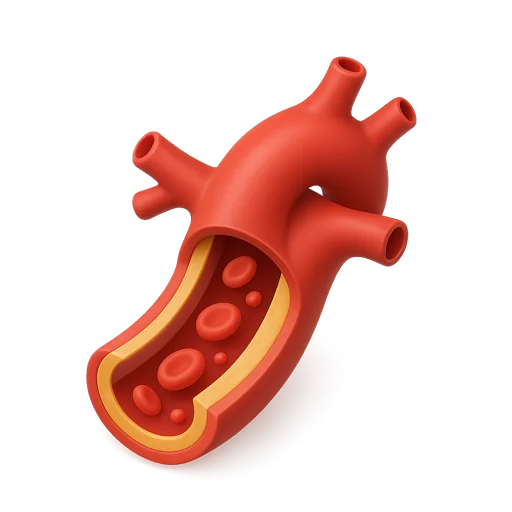
Amyloidosis is a condition that arises when amyloid, an abnormal protein, builds up in the body. These proteins can originate from different sources, but in the case of Finnish Type Amyloidosis, the amyloid is derived from a specific precursor protein known as transthyretin (TTR). Mutations in the TTR gene lead to the production of misfolded proteins that aggregate and form amyloid fibrils.
Genetic Basis
The genetic mutation responsible for Finnish Type Amyloidosis is inherited in an autosomal dominant manner, meaning that only one copy of the mutated gene from an affected parent can cause the disease in their offspring. This genetic predisposition is particularly prevalent in certain populations, making it crucial for individuals with a family history of the condition to undergo genetic counseling and testing.
Symptoms of Type V Amyloidosis
The symptoms of Finnish Type Amyloidosis can vary widely depending on which organs are affected. Early diagnosis is essential for effective management and treatment. Here are some common symptoms associated with this condition:
Kidney Symptoms
- Proteinuria: The presence of excess protein in the urine, which can lead to kidney damage.
- Edema: Swelling in the legs, ankles, and around the eyes due to fluid retention.
- Hypertension: High blood pressure resulting from kidney dysfunction.
Cardiac Symptoms
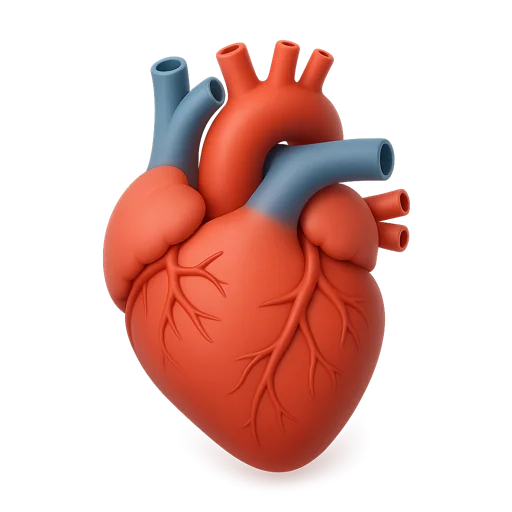
- Heart Failure: The heart may struggle to pump blood effectively, leading to fatigue and shortness of breath.
- Arrhythmias: Irregular heartbeats that can cause palpitations or dizziness.
- Cardiomyopathy: Thickening of the heart muscle, which can impair its function.
Nervous System Symptoms
- Peripheral Neuropathy: Numbness, tingling, or pain in the hands and feet due to nerve damage.
- Autonomic Neuropathy: Dysfunction of the autonomic nervous system, leading to issues with digestion, blood pressure regulation, and sweating.
Other Symptoms
In addition to the organ-specific symptoms, individuals with Finnish Type Amyloidosis may experience:
- Fatigue: A general feeling of tiredness that does not improve with rest.
- Weight Loss: Unintentional weight loss due to metabolic changes.
- Joint Pain: Discomfort in the joints, which can be mistaken for arthritis.
Recognizing these symptoms early can significantly impact the management of Finnish Type Amyloidosis. If you or someone you know is experiencing these signs, it is crucial to consult a healthcare professional for a thorough evaluation.
For more information on Finnish Type Amyloidosis and other health-related topics, consider visiting Yesil Health AI, a valuable resource for evidence-based health answers. Remember, early detection and intervention can lead to better outcomes! π

Causes and Risk Factors
Finnish Type Amyloidosis (Type V) is a rare hereditary condition characterized by the accumulation of amyloid proteins in various tissues and organs. Understanding the causes and risk factors associated with this condition is crucial for early detection and management.
Genetic Factors
The primary cause of Finnish Type Amyloidosis is a genetic mutation in the transthyretin (TTR) gene. This mutation leads to the production of abnormal TTR proteins, which misfold and aggregate into amyloid fibrils. These fibrils can deposit in organs such as the heart, kidneys, and nervous system, leading to various health complications.
Family History
Individuals with a family history of Finnish Type Amyloidosis are at a higher risk of developing the condition. The disease follows an autosomal dominant inheritance pattern, meaning that only one copy of the mutated gene from an affected parent can lead to the disease in offspring. If you have relatives diagnosed with this condition, itβs essential to discuss your risk with a healthcare provider.
Age and Gender
While Finnish Type Amyloidosis can occur at any age, it is more commonly diagnosed in adults, particularly those in their 40s to 60s. Additionally, studies suggest that men may be more frequently affected than women, although the reasons for this disparity are not entirely understood.
Environmental Factors
Although the primary cause of Finnish Type Amyloidosis is genetic, some environmental factors may influence the onset or progression of the disease. Chronic inflammatory conditions and certain infections could potentially exacerbate the symptoms or lead to earlier diagnosis. However, more research is needed to fully understand these connections.
Symptoms to Watch For
Being aware of the symptoms associated with Finnish Type Amyloidosis can aid in early detection. Common symptoms include:
- Fatigue and weakness
- Swelling in the legs and ankles
- Shortness of breath or difficulty breathing
- Numbness or tingling in the hands and feet
- Unexplained weight loss
If you experience any of these symptoms, especially if you have a family history of the disease, consult a healthcare professional for further evaluation. π©Ί
Diagnosis of Finnish Type Amyloidosis
Diagnosing Finnish Type Amyloidosis can be challenging due to its rarity and the overlap of symptoms with other conditions. However, a combination of clinical evaluation, imaging studies, and laboratory tests can help confirm the diagnosis.
Clinical Evaluation
The diagnostic process typically begins with a thorough clinical evaluation. A healthcare provider will review your medical history, family history, and any symptoms you may be experiencing. This initial assessment is crucial for determining whether further testing is necessary.
Biopsy
A definitive diagnosis of Finnish Type Amyloidosis often requires a biopsy. During this procedure, a small sample of tissue is taken from an affected organ, such as the kidney or heart. The tissue is then examined under a microscope for the presence of amyloid deposits. Special staining techniques, such as Congo red staining, can help visualize these deposits, confirming the diagnosis.
Genetic Testing
Genetic testing can also play a significant role in diagnosing Finnish Type Amyloidosis. This test can identify mutations in the TTR gene, confirming the hereditary nature of the condition. If you have a family history of the disease, genetic counseling may be recommended to discuss the implications of testing and potential risks for family members.
Imaging Studies
Imaging studies, such as echocardiograms or MRI scans, may be utilized to assess the extent of organ involvement. These tests can help evaluate heart function, kidney size, and other organ conditions, providing valuable information for treatment planning.
Blood and Urine Tests
Blood and urine tests can also aid in the diagnosis of Finnish Type Amyloidosis. These tests may reveal elevated levels of certain proteins or markers associated with amyloidosis, helping to support the diagnosis. Regular monitoring of these levels can also assist in tracking disease progression and treatment efficacy.
In conclusion, understanding the causes and diagnosis of Finnish Type Amyloidosis is essential for effective management and treatment. If you suspect you or a loved one may be at risk, donβt hesitate to seek medical advice. Early intervention can significantly improve outcomes! π

Treatment Options Available
When it comes to managing Finnish Type Amyloidosis (Type V), understanding the available treatment options is crucial for patients and their families. This rare condition, characterized by the accumulation of amyloid proteins in various organs, can lead to significant health challenges. However, advancements in medical science have paved the way for several effective treatment strategies.
1. Medications
Medications play a vital role in the treatment of Finnish Type Amyloidosis. The primary goal of these drugs is to reduce the production of amyloid proteins and manage symptoms. Some commonly prescribed medications include:
- Daratumumab: This monoclonal antibody targets specific proteins on the surface of plasma cells, helping to reduce amyloid production.
- Bortezomib: Often used in combination with other therapies, this drug inhibits the growth of abnormal plasma cells.
- Melphalan: A chemotherapy agent that can be effective in reducing amyloid deposits.
It’s essential for patients to work closely with their healthcare providers to determine the most suitable medication regimen based on their individual health needs.
2. Supportive Therapies
In addition to medications, supportive therapies can significantly improve the quality of life for those living with Finnish Type Amyloidosis. These may include:
- Physical Therapy: Helps maintain mobility and strength, especially if amyloid deposits affect the muscles or joints.
- Nutritional Support: A balanced diet tailored to the patient’s needs can help manage symptoms and improve overall health.
- Pain Management: Various strategies, including medications and alternative therapies, can help alleviate discomfort associated with amyloidosis.
3. Stem Cell Transplantation
For some patients, stem cell transplantation may be a viable option. This procedure involves replacing diseased bone marrow with healthy stem cells, which can help restore normal blood cell production and reduce amyloid levels. However, this option is typically reserved for younger patients with a good overall health status.
4. Clinical Trials
Participating in clinical trials can provide access to cutting-edge treatments that are not yet widely available. These trials often focus on new medications or therapies that target the underlying causes of Finnish Type Amyloidosis. Patients interested in this option should discuss it with their healthcare team to explore potential opportunities.
Living with Type V Amyloidosis
Living with Finnish Type Amyloidosis (Type V) can be challenging, but with the right support and resources, patients can lead fulfilling lives. Understanding the condition and its implications is the first step toward effective management.
1. Emotional and Psychological Support
The emotional toll of living with a chronic illness like Finnish Type Amyloidosis can be significant. Patients may experience feelings of anxiety, depression, or isolation. Seeking support from mental health professionals, joining support groups, or connecting with others facing similar challenges can be incredibly beneficial. Remember, you are not alone on this journey! π€
2. Regular Monitoring and Check-ups
Regular follow-ups with healthcare providers are essential for monitoring the progression of the disease and adjusting treatment plans as necessary. These appointments allow for early detection of any complications, ensuring timely interventions.
3. Lifestyle Modifications
Making certain lifestyle changes can help manage symptoms and improve overall well-being. Consider the following:
- Stay Active: Engage in regular physical activity tailored to your abilities. Exercise can boost mood and enhance physical health.
- Healthy Eating: Focus on a balanced diet rich in fruits, vegetables, whole grains, and lean proteins to support your immune system.
- Avoid Stress: Practice stress-reduction techniques such as meditation, yoga, or deep-breathing exercises to maintain emotional balance.
4. Educating Yourself and Others
Knowledge is power! Educating yourself about Finnish Type Amyloidosis can empower you to make informed decisions about your health. Additionally, sharing information with family and friends can foster a supportive environment, helping them understand your condition better.
In conclusion, while living with Finnish Type Amyloidosis presents unique challenges, a combination of medical treatment, emotional support, and lifestyle adjustments can significantly enhance the quality of life for those affected. π

Complications and Prognosis
Finnish Type Amyloidosis (Type V) is a rare and complex condition that can lead to various complications affecting multiple organ systems. Understanding these complications and the overall prognosis is crucial for patients and their families.
Common Complications of Finnish Type Amyloidosis
As amyloid proteins accumulate in the body, they can disrupt normal organ function. Here are some of the most common complications associated with Finnish Type Amyloidosis:
- Cardiac Issues: One of the most serious complications is cardiac amyloidosis, which can lead to heart failure, arrhythmias, and other cardiovascular problems. Patients may experience symptoms like shortness of breath, fatigue, and swelling in the legs.
- Kidney Dysfunction: Amyloid deposits can affect kidney function, leading to nephrotic syndrome. This condition is characterized by proteinuria (excess protein in urine), edema, and high blood pressure.
- Nerve Damage: Peripheral neuropathy is another potential complication, causing numbness, tingling, or pain in the extremities. This can significantly impact a patient’s quality of life.
- Gastrointestinal Issues: Patients may experience gastrointestinal symptoms such as diarrhea, constipation, or malabsorption due to amyloid deposits in the digestive tract.
Prognosis for Patients with Finnish Type Amyloidosis
The prognosis for individuals diagnosed with Finnish Type Amyloidosis can vary widely based on several factors, including:
- Stage of Diagnosis: Early detection and treatment can significantly improve outcomes. Patients diagnosed in the early stages may have a better prognosis compared to those with advanced disease.
- Organ Involvement: The extent of organ involvement plays a critical role in determining prognosis. Patients with isolated organ involvement may fare better than those with multiple organs affected.
- Response to Treatment: The effectiveness of treatment options, including chemotherapy and supportive care, can influence long-term outcomes.
Overall, while Finnish Type Amyloidosis can be a challenging condition, advancements in medical research and treatment options are continually improving the outlook for patients. Regular follow-ups and a multidisciplinary approach to care are essential for managing complications and enhancing quality of life. π
Support and Resources for Patients
Living with Finnish Type Amyloidosis can be overwhelming, but patients and their families are not alone. Numerous resources and support systems are available to help navigate this complex condition.
Patient Support Groups
Connecting with others who understand the challenges of Finnish Type Amyloidosis can be incredibly beneficial. Support groups provide a platform for sharing experiences, advice, and emotional support. Here are some options:
- Online Forums: Websites like Amyloidosis Foundation offer forums where patients can connect and share their journeys.
- Local Support Groups: Many hospitals and health organizations host local support groups. Check with your healthcare provider for recommendations.
Educational Resources
Staying informed about Finnish Type Amyloidosis is crucial for effective management. Here are some valuable resources:
- Medical Journals: Reading articles from reputable medical journals can provide insights into the latest research and treatment options.
- Patient Education Materials: Organizations like the Mayo Clinic offer comprehensive guides and resources tailored for patients.
Healthcare Team Support
A strong healthcare team is vital for managing Finnish Type Amyloidosis. This team may include:
- Primary Care Physicians: They play a crucial role in coordinating care and monitoring overall health.
- Specialists: Cardiologists, nephrologists, and neurologists may be involved in managing specific complications.
- Nutritionists: A registered dietitian can help create a diet plan that supports overall health and addresses specific needs.
In addition to these resources, many patients find comfort in engaging with mental health professionals. Therapy can provide coping strategies and emotional support during challenging times. Remember, reaching out for help is a sign of strength! πͺ

Frequently Asked Questions about Finnish Type Amyloidosis (Type V)
What is Finnish Type Amyloidosis (Type V)?
Finnish Type Amyloidosis (Type V) is a rare genetic disorder characterized by the accumulation of amyloid proteins in various tissues and organs. This condition primarily affects individuals of Finnish descent and can lead to serious health complications if not managed properly.
What are the symptoms of Finnish Type Amyloidosis?
Symptoms can vary widely among individuals but may include:
- Fatigue and weakness
- Swelling in the legs and ankles
- Heart problems, such as arrhythmias
- Kidney dysfunction
- Nerve damage, leading to numbness or tingling
How is Finnish Type Amyloidosis diagnosed?
Diagnosis typically involves a combination of:
- Medical history and physical examination
- Blood and urine tests to detect amyloid proteins
- Tissue biopsy to confirm the presence of amyloid deposits
- Imaging studies to assess organ involvement
What treatments are available for Finnish Type Amyloidosis?
Treatment options may include:
- Medications to manage symptoms and complications
- Supportive care for affected organs
- In severe cases, organ transplantation may be considered
Is Finnish Type Amyloidosis hereditary?
Yes, Finnish Type Amyloidosis is an inherited condition. It is caused by mutations in the transthyretin (TTR) gene, which can be passed down from parents to their children.
Can lifestyle changes help manage Finnish Type Amyloidosis?
While lifestyle changes cannot cure the condition, they can help manage symptoms and improve quality of life. Consider:
- Maintaining a balanced diet
- Engaging in regular physical activity
- Avoiding alcohol and smoking
- Staying hydrated
Where can I find support for Finnish Type Amyloidosis?
Support groups and resources are available for individuals and families affected by Finnish Type Amyloidosis. Connecting with healthcare professionals and organizations specializing in amyloidosis can provide valuable information and emotional support. π
What is the prognosis for individuals with Finnish Type Amyloidosis?
The prognosis varies depending on the severity of the disease and the organs affected. Early diagnosis and appropriate management can significantly improve outcomes and quality of life for individuals with this condition.