What Is Finnish Type Amyloidosis?

Finnish Type Amyloidosis, also known as Type V Amyloidosis, is a rare genetic disorder characterized by the abnormal accumulation of amyloid proteins in various tissues and organs. This condition primarily affects individuals of Finnish descent, hence the name. The amyloid deposits can lead to organ dysfunction, impacting the heart, kidneys, liver, and nervous system.

Understanding Amyloidosis

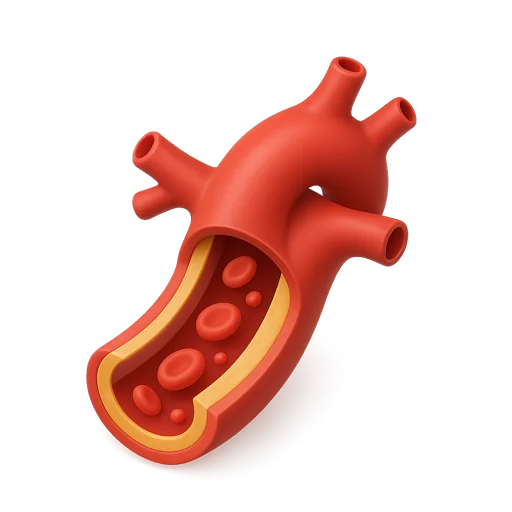
Amyloidosis is a group of diseases that result from the buildup of amyloid, a protein that can misfold and aggregate in the body. In Finnish Type Amyloidosis, the specific protein involved is derived from a precursor protein known as transthyretin (TTR). Mutations in the TTR gene lead to the production of unstable proteins that form amyloid fibrils, which then deposit in tissues.

Genetic Basis

This condition is inherited in an autosomal dominant manner, meaning that only one copy of the mutated gene from an affected parent can cause the disease in their offspring. The prevalence of Finnish Type Amyloidosis is particularly high in Finland, with estimates suggesting that around 1 in 1,000 individuals may carry the mutation.

Finnish Type Amyloidosis Symptoms

The symptoms of Finnish Type Amyloidosis can vary widely depending on which organs are affected and the extent of amyloid deposition. Early diagnosis is crucial for effective management, so recognizing the symptoms is essential.

Common Symptoms

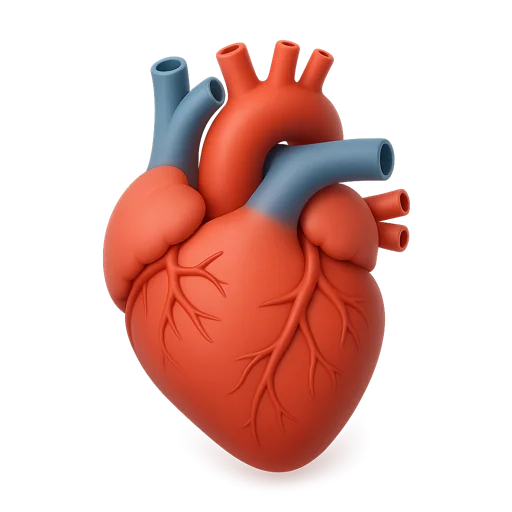
  • Heart Issues: Patients may experience heart palpitations, shortness of breath, or heart failure due to amyloid deposits affecting cardiac function.
  • Kidney Dysfunction: Amyloid buildup in the kidneys can lead to proteinuria (excess protein in urine), swelling, and ultimately kidney failure.
  • Nerve Damage: Peripheral neuropathy is common, causing numbness, tingling, or pain in the hands and feet.
  • Liver Enlargement: Some individuals may notice an enlarged liver (hepatomegaly), which can lead to abdominal discomfort.
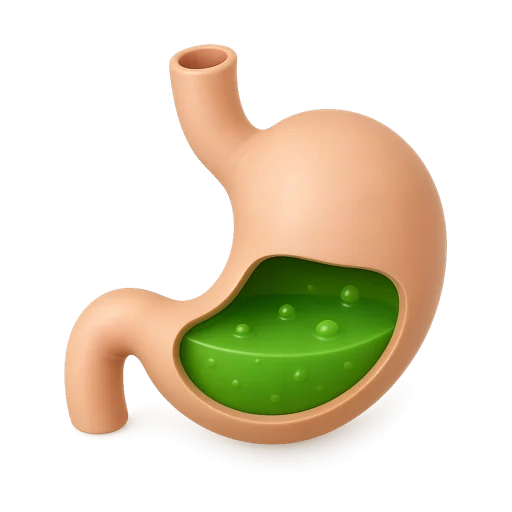
  • Gastrointestinal Issues: Symptoms such as diarrhea, constipation, or weight loss may occur due to amyloid deposits in the digestive tract.

Less Common Symptoms

In addition to the more common symptoms, some patients may experience:

  • Skin Changes: Easy bruising or a waxy appearance of the skin can occur.
  • Vision Problems: Deposits in the eyes may lead to vision changes or issues.
  • Fatigue: Chronic fatigue is a frequent complaint among those affected.

When to Seek Medical Attention

If you or someone you know is experiencing symptoms that could be related to Finnish Type Amyloidosis, it is important to consult a healthcare professional. Early diagnosis and intervention can significantly improve outcomes and quality of life. Diagnostic tests may include blood tests, urine tests, imaging studies, and biopsies to confirm the presence of amyloid deposits.

For more information on Finnish Type Amyloidosis and other health-related queries, consider visiting Yesil Health AI, a valuable resource for evidence-based health answers.

Conclusion

Finnish Type Amyloidosis is a complex condition that requires awareness and understanding. By recognizing the symptoms and seeking timely medical advice, individuals can manage the disease more effectively. Stay informed and proactive about your health! 🌟

A patient showing fatigue and swelling in a softly lit room, surrounded by medical items, reflecting concern and contemplation.  2.png

Finnish Type Amyloidosis Causes

Finnish Type Amyloidosis, also known as Type V amyloidosis, is a rare genetic disorder characterized by the accumulation of amyloid proteins in various tissues and organs. Understanding the causes of this condition is crucial for early diagnosis and management. Let’s delve into the primary causes of Finnish Type Amyloidosis.

Genetic Mutations

The primary cause of Finnish Type Amyloidosis is a mutation in the transthyretin (TTR) gene. This gene is responsible for producing a protein that transports vitamin A and thyroxine in the blood. When mutations occur, the TTR protein can misfold and aggregate, leading to amyloid deposits in tissues. The specific mutation associated with Finnish Type Amyloidosis is often inherited in an autosomal dominant pattern, meaning that only one copy of the mutated gene from an affected parent can cause the disease in their offspring.

Environmental Factors

While genetic mutations are the primary cause, some studies suggest that environmental factors may also play a role in the development of Finnish Type Amyloidosis. Factors such as chronic inflammation, infections, or exposure to certain toxins could potentially trigger or exacerbate the condition in genetically predisposed individuals. However, more research is needed to fully understand these environmental influences.

Age and Gender

Age and gender can also influence the onset of Finnish Type Amyloidosis. The condition typically manifests in adulthood, often between the ages of 30 and 60. Additionally, it appears to be more prevalent in males than females, although the reasons for this disparity are not entirely clear. As individuals age, the risk of developing amyloidosis may increase due to the cumulative effects of genetic and environmental factors.

Finnish Type Amyloidosis Risk Factors

Identifying risk factors for Finnish Type Amyloidosis is essential for early detection and intervention. Here are some key risk factors associated with this condition:

Family History

Having a family history of Finnish Type Amyloidosis significantly increases the risk of developing the condition. If a parent or sibling has been diagnosed, the likelihood of inheriting the mutated TTR gene is higher. Genetic counseling can be beneficial for families with a history of this disorder, as it provides insights into the risks and implications of genetic testing.

Ethnicity

Finnish Type Amyloidosis is more common in individuals of Finnish descent. The specific mutation in the TTR gene is prevalent in this population, making it a significant risk factor. However, it is essential to note that while the condition is more frequently diagnosed in Finnish individuals, it can occur in other ethnic groups as well.

Age and Gender Considerations

As mentioned earlier, age is a critical risk factor. The likelihood of developing Finnish Type Amyloidosis increases with age, particularly in individuals over 30. Furthermore, males are at a higher risk compared to females, which may be attributed to genetic and hormonal differences.

Chronic Inflammatory Conditions

Individuals with chronic inflammatory conditions, such as rheumatoid arthritis or inflammatory bowel disease, may have an increased risk of developing amyloidosis. Chronic inflammation can lead to the overproduction of certain proteins, which may contribute to amyloid formation. Managing these underlying conditions effectively can help mitigate the risk.

Other Health Conditions

Certain health conditions, such as diabetes and kidney disease, may also elevate the risk of developing Finnish Type Amyloidosis. These conditions can affect the body’s ability to process proteins properly, potentially leading to amyloid accumulation. Regular health check-ups and monitoring can aid in early detection and management of these associated risks.

In summary, Finnish Type Amyloidosis is primarily caused by genetic mutations, with additional influences from environmental factors, age, and gender. Understanding the risk factors associated with this condition can empower individuals and families to seek early diagnosis and appropriate management strategies. 🩺💙

A family tree diagram illustrating genetic and environmental risk factors for Finnish Type Amyloidosis against a subtle blue background.  3.png

Finnish Type Amyloidosis Diagnosis

Diagnosing Finnish Type Amyloidosis (Type V) can be a complex process due to its rarity and the overlap of symptoms with other conditions. This type of amyloidosis is primarily caused by a genetic mutation that leads to the accumulation of amyloid proteins in various tissues and organs. Early diagnosis is crucial for effective management and treatment.

Symptoms to Watch For

Patients with Finnish Type Amyloidosis may experience a range of symptoms, which can vary significantly from person to person. Common symptoms include:

  • Fatigue: A persistent feeling of tiredness that doesn’t improve with rest.
  • Swelling: Edema in the legs, ankles, or abdomen due to fluid retention.
  • Weight Loss: Unexplained weight loss can occur as the body struggles to function properly.
  • Heart Issues: Symptoms like shortness of breath, irregular heartbeat, or chest pain may arise.
  • Nerve Damage: Tingling, numbness, or pain in the hands and feet due to peripheral neuropathy.

Diagnostic Tests

To confirm a diagnosis of Finnish Type Amyloidosis, healthcare providers typically employ a combination of the following tests:

  • Blood Tests: These can help identify abnormal protein levels and assess organ function.
  • Urine Tests: A 24-hour urine collection may be conducted to detect amyloid proteins.
  • Tissue Biopsy: A biopsy of affected tissue (often from the abdominal fat or bone marrow) is the gold standard for diagnosis. The presence of amyloid deposits can be confirmed through staining techniques.
  • Imaging Studies: Echocardiograms, MRIs, or CT scans may be used to evaluate organ involvement and assess the extent of amyloid deposits.

It’s essential for patients to consult with a healthcare professional who specializes in amyloidosis for an accurate diagnosis and tailored treatment plan. Early detection can significantly improve outcomes and quality of life. 🩺

Finnish Type Amyloidosis Treatment Options

Once diagnosed, managing Finnish Type Amyloidosis (Type V) involves a multidisciplinary approach tailored to the individual’s specific symptoms and organ involvement. Treatment aims to reduce amyloid production, manage symptoms, and improve overall quality of life.

Medications

Several medications may be prescribed to help manage the condition:

  • Targeted Therapies: Newer treatments, such as tafamidis, have shown promise in stabilizing the amyloid protein and slowing disease progression.
  • Chemotherapy: In cases where amyloidosis is associated with plasma cell disorders, chemotherapy may be used to reduce the production of abnormal proteins.
  • Supportive Medications: Medications to manage symptoms, such as diuretics for fluid retention or medications for heart rhythm issues, may also be necessary.

Lifestyle Modifications

In addition to medical treatments, lifestyle changes can play a significant role in managing Finnish Type Amyloidosis:

  • Dietary Adjustments: A heart-healthy diet low in sodium can help manage fluid retention and support overall health.
  • Regular Exercise: Engaging in light to moderate physical activity can improve cardiovascular health and enhance overall well-being.
  • Stress Management: Techniques such as yoga, meditation, or counseling can help manage stress, which is crucial for overall health.

Monitoring and Follow-Up

Regular follow-up appointments with healthcare providers are essential for monitoring the progression of the disease and adjusting treatment plans as necessary. This may include:

  • Routine Blood Tests: To monitor organ function and protein levels.
  • Imaging Studies: To assess the impact of amyloidosis on various organs.
  • Symptom Management: Ongoing evaluation of symptoms to ensure effective management strategies are in place.

While Finnish Type Amyloidosis can be challenging to manage, advancements in treatment options and a comprehensive care approach can lead to improved outcomes and a better quality of life for those affected. 🌟

A healthcare professional discussing treatment options with a patient in a modern clinic, symbolizing hope and healing.  4.png

Finnish Type Amyloidosis Management

Managing Finnish Type Amyloidosis (Type V) requires a comprehensive approach that focuses on alleviating symptoms, improving quality of life, and addressing the underlying causes of the disease. This rare condition is characterized by the accumulation of amyloid proteins in various organs, leading to a range of health complications. Here’s how to effectively manage this condition:

1. Early Diagnosis and Monitoring

Early diagnosis is crucial for effective management. Regular check-ups and monitoring of organ function can help detect complications before they become severe. Patients should undergo:

  • Blood tests: To assess organ function and detect amyloid deposits.
  • Urine tests: To check for protein levels that may indicate kidney involvement.
  • Imaging studies: Such as echocardiograms or MRIs to evaluate heart and other organ involvement.

2. Symptomatic Treatment

Managing symptoms is a key aspect of treatment. Depending on the organs affected, patients may require:

  • Diuretics: To manage fluid retention and swelling.
  • Medications for neuropathy: Such as pain relievers or anticonvulsants to alleviate nerve pain.
  • Heart medications: To manage heart failure symptoms if the heart is affected.

3. Lifestyle Modifications

Adopting a healthy lifestyle can significantly impact the management of Finnish Type Amyloidosis. Consider the following:

  • Balanced diet: Focus on a diet rich in fruits, vegetables, whole grains, and lean proteins to support overall health.
  • Regular exercise: Engage in low-impact activities like walking or swimming to maintain physical fitness.
  • Avoiding alcohol and smoking: These can exacerbate symptoms and lead to further complications.

4. Supportive Therapies

In addition to medical treatment, supportive therapies can enhance quality of life:

  • Physical therapy: To improve mobility and strength.
  • Occupational therapy: To assist with daily activities and promote independence.
  • Psychological support: Counseling or support groups can help patients cope with the emotional challenges of living with a chronic condition.

Finnish Type Amyloidosis Prognosis

The prognosis for individuals with Finnish Type Amyloidosis (Type V) can vary widely based on several factors, including the extent of organ involvement, the timeliness of diagnosis, and the effectiveness of management strategies. Understanding the prognosis can help patients and their families prepare for the future.

1. Factors Influencing Prognosis

Several key factors can influence the prognosis of Finnish Type Amyloidosis:

  • Age at diagnosis: Younger patients often have a better prognosis compared to older individuals.
  • Extent of organ involvement: The more organs affected, the more complex the management and the poorer the prognosis.
  • Response to treatment: Patients who respond well to treatment typically have a better outlook.

2. Survival Rates

Survival rates for Finnish Type Amyloidosis can be challenging to determine due to its rarity. However, studies suggest that:

  • Patients with limited organ involvement may have a survival rate of over 80% at five years.
  • Those with more extensive disease may experience a significantly reduced survival rate.

3. Long-Term Outlook

While Finnish Type Amyloidosis is a chronic condition, many patients can lead fulfilling lives with appropriate management. Regular follow-ups and adjustments to treatment plans are essential to address any new symptoms or complications that may arise. With advancements in research and treatment options, the outlook for patients continues to improve.

In conclusion, understanding the management and prognosis of Finnish Type Amyloidosis is vital for patients and their families. By staying informed and proactive, individuals can navigate the challenges of this condition more effectively. 🌟

A diverse group engaged in supportive discussion about Finnish Type Amyloidosis, set in a serene green background, conveying resilience.  5.png

Frequently Asked Questions about Finnish Type Amyloidosis (Type V)

What is Finnish Type Amyloidosis (Type V)?

Finnish Type Amyloidosis (Type V) is a rare genetic disorder characterized by the accumulation of amyloid proteins in various tissues and organs. This condition can lead to serious health complications, affecting the heart, kidneys, and nervous system.

What are the symptoms of Finnish Type Amyloidosis (Type V)?

Symptoms can vary widely among individuals but may include:

  • Fatigue and weakness
  • Swelling in the legs and ankles
  • Shortness of breath
  • Numbness or tingling in the hands and feet
  • Unexplained weight loss

How is Finnish Type Amyloidosis (Type V) diagnosed?

Diagnosis typically involves a combination of:

  • Medical history and physical examination
  • Blood tests to check for amyloid proteins
  • Tissue biopsy to confirm the presence of amyloid deposits
  • Imaging studies to assess organ involvement

What are the treatment options for Finnish Type Amyloidosis (Type V)?

Treatment strategies may include:

  • Medications to manage symptoms and complications
  • Supportive therapies such as physical therapy
  • In severe cases, organ transplantation may be considered

Is Finnish Type Amyloidosis (Type V) hereditary?

Yes, this condition is inherited in an autosomal dominant pattern, meaning that a person only needs one copy of the mutated gene from an affected parent to develop the disorder.

Can lifestyle changes help manage Finnish Type Amyloidosis (Type V)?

While lifestyle changes cannot cure the condition, they can help manage symptoms. Consider:

  • Maintaining a balanced diet
  • Engaging in regular physical activity
  • Avoiding alcohol and smoking

Where can I find support for Finnish Type Amyloidosis (Type V)?

Support groups and resources are available for individuals and families affected by this condition. Organizations focused on rare diseases can provide valuable information and community support. 🌍

What is the prognosis for individuals with Finnish Type Amyloidosis (Type V)?

The prognosis varies depending on the extent of organ involvement and the effectiveness of treatment. Early diagnosis and management can significantly improve outcomes.

Are there any ongoing research efforts related to Finnish Type Amyloidosis (Type V)?

Yes, ongoing research aims to better understand the disease mechanisms, improve diagnostic methods, and develop new treatment options. Staying informed about clinical trials can be beneficial. 🔬

Leave a Comment

Your email address will not be published. Required fields are marked *

This site uses Akismet to reduce spam. Learn how your comment data is processed.