
What Is Colic?
Colic is a term that often evokes concern, especially among new parents. But what exactly does it mean? In simple terms, colic refers to severe, often fluctuating pain in the abdomen that is caused by the intestine or other parts of the digestive tract undergoing spasms. However, the term is most commonly associated with infants, where it describes excessive crying and fussiness without an apparent cause.
In babies, colic typically manifests in the first few months of life and can be distressing for both the child and the parents. While the exact cause of colic remains unclear, it is believed to be linked to factors such as digestive system immaturity, gas buildup, or even overstimulation. Understanding colic is crucial for parents, as it can help them navigate this challenging phase with more confidence.
Types of Colic
Colic can be categorized into different types based on the affected group:
- Infant Colic: This is the most recognized form, characterized by excessive crying in otherwise healthy infants.
- Colic in Adults: Adults can also experience colic, often related to digestive issues such as irritable bowel syndrome (IBS).
- Colic in Horses: This refers to severe abdominal pain in horses, often due to gastrointestinal issues.
Colic Symptoms
Recognizing the symptoms of colic is essential for effective management. In infants, colic symptoms can be particularly distressing and may include:
Infant Colic Symptoms
- Excessive Crying: Babies with colic often cry for more than three hours a day, three days a week, for three weeks or longer.
- Fussiness: Colicky babies may appear irritable and difficult to soothe, even after feeding or changing.
- Clenching of Fists: Many infants exhibit physical signs of discomfort, such as clenching their fists or arching their backs.
- Gas and Bloating: Colic can be associated with increased gas, leading to bloating and discomfort.
Adult Colic Symptoms
For adults, colic symptoms may include:
- Severe Abdominal Pain: This pain can come in waves and may be accompanied by cramping.
- Nausea or Vomiting: Some individuals may experience nausea or even vomiting during a colic episode.
- Changes in Bowel Habits: Colic can lead to diarrhea or constipation, depending on the underlying cause.
When to Seek Help
If you suspect your baby is experiencing colic, or if you are an adult dealing with severe abdominal pain, it’s important to consult a healthcare professional. While colic is often a temporary condition, persistent symptoms may indicate a more serious underlying issue that requires attention.
For parents, resources like Yesil Health AI (yesilhealth.com) can provide evidence-based answers to your health questions, helping you navigate the complexities of colic and other health concerns.
Conclusion
Colic can be a challenging experience for both infants and their caregivers. Understanding what colic is and recognizing its symptoms can empower parents to seek appropriate help and support. Whether it’s through gentle soothing techniques for a colicky baby or addressing digestive issues in adults, knowledge is key. Remember, you’re not alone in this journey, and there are resources available to help you through.
Stay informed, stay calm, and know that colic is often a phase that will pass. 🌈
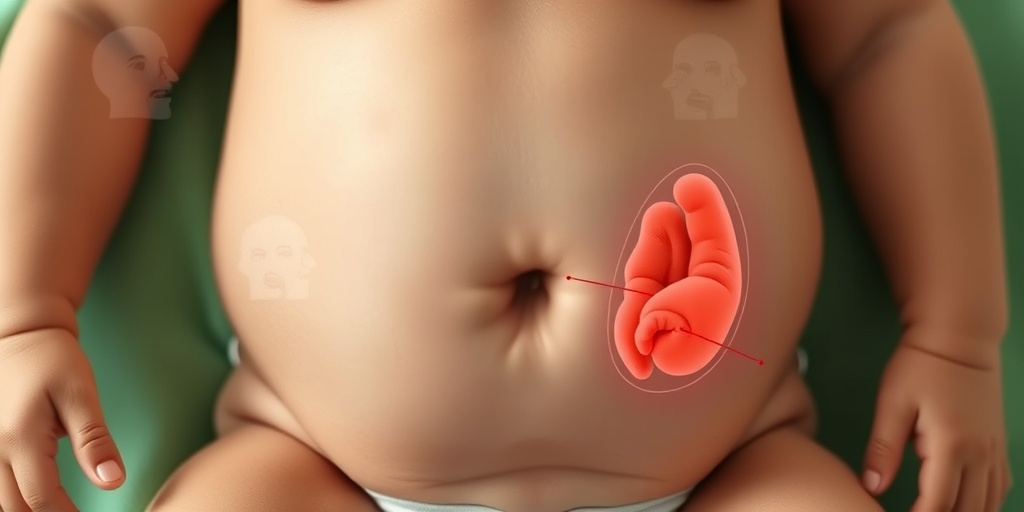
Colic Causes
Colic is a term that often strikes fear into the hearts of new parents. It typically refers to excessive crying in infants, but the underlying causes can vary widely. Understanding these causes can help parents manage this challenging phase more effectively.
Digestive Issues
One of the most common causes of colic in babies is related to digestive problems. Infants have immature digestive systems, which can lead to discomfort. Here are some specific digestive issues that may contribute to colic:
- Gas: Babies often swallow air while feeding, leading to gas buildup that can cause pain and discomfort.
- Reflux: Gastroesophageal reflux (GER) can cause stomach contents to flow back into the esophagus, leading to discomfort and crying.
- Food Sensitivities: Some babies may react to certain proteins in breast milk or formula, leading to colicky symptoms.
Environmental Factors
Sometimes, external factors can contribute to a baby’s colic. These can include:
- Overstimulation: Babies can become overwhelmed by loud noises, bright lights, or too much handling, leading to fussiness.
- Parental Stress: Babies are sensitive to their caregivers’ emotions. High levels of stress in parents can sometimes exacerbate colic symptoms.
- Changes in Routine: Sudden changes in a baby’s environment or routine can lead to increased crying and discomfort.
Neurological Development
As babies grow, their nervous systems are still developing. This can lead to periods of intense crying, often referred to as colic. The following factors may play a role:
- Immature Nervous System: Newborns have underdeveloped nervous systems, which can make it difficult for them to self-soothe.
- Sleep Patterns: Irregular sleep patterns can lead to increased fussiness and crying.
Colic Risk Factors
While colic can affect any baby, certain risk factors may increase the likelihood of experiencing this challenging condition. Understanding these factors can help parents be more prepared and proactive.
Age and Gender
Colic is most common in infants aged 2 weeks to 3 months. Interestingly, studies suggest that boys may be more likely to experience colic than girls. This could be due to differences in temperament or physiological factors.
Family History
If there is a family history of colic or other gastrointestinal issues, a baby may be at a higher risk. Parents who experienced colic as infants may also have a higher chance of having colicky babies themselves.
Feeding Practices
The way a baby is fed can also influence the likelihood of colic. Some risk factors include:
- Formula Feeding: Babies who are formula-fed may be more prone to colic compared to breastfed babies, possibly due to differences in digestion.
- Rapid Feeding: Feeding too quickly can lead to swallowing air, which can contribute to gas and discomfort.
Parental Factors
Parental stress and mental health can also play a significant role in a baby’s likelihood of developing colic. Factors include:
- Maternal Depression: Mothers experiencing postpartum depression may have a harder time soothing their babies, potentially leading to increased crying.
- Single Parenting: Single parents may experience higher levels of stress, which can affect their baby’s behavior.
Understanding the causes and risk factors of colic can empower parents to seek help and find effective strategies to soothe their babies. Remember, while colic can be a challenging phase, it is usually temporary and often resolves on its own as the baby grows. 🌼

Colic Diagnosis
Colic is a term that can refer to various types of abdominal pain, but it is most commonly associated with infants. Understanding how colic is diagnosed is crucial for parents and caregivers who are concerned about their baby’s well-being. The diagnosis of colic typically involves a combination of observing symptoms, ruling out other conditions, and consulting with healthcare professionals.
Recognizing the Symptoms
The first step in diagnosing colic is recognizing the symptoms. In infants, colic is often characterized by:
- Excessive crying: Babies with colic may cry for more than three hours a day, three days a week, for three weeks or longer.
- Inconsolable behavior: The crying is often intense and may seem unmanageable, even when the baby is fed, changed, or held.
- Timing: Colic typically occurs in the late afternoon or evening, and the baby may appear to be in discomfort.
- Clenching of fists and arching of the back: These physical signs can indicate that the baby is experiencing pain.
Consulting a Healthcare Professional
If you suspect your baby has colic, it’s essential to consult a pediatrician. The doctor will perform a thorough examination and may ask about:
- Feeding habits: Understanding how often and how much the baby eats can provide insights.
- Family history: A history of colic or gastrointestinal issues in the family may be relevant.
- Developmental milestones: The doctor will assess whether the baby is meeting expected growth and development markers.
In some cases, the pediatrician may recommend tests to rule out other conditions that could be causing the symptoms, such as gastrointestinal issues or allergies. This process helps ensure that the diagnosis of colic is accurate and that appropriate treatment can be initiated.
Colic Treatment Options
Once colic is diagnosed, parents often seek effective treatment options to alleviate their baby’s discomfort. While there is no one-size-fits-all solution, several strategies can help manage colic symptoms.
Home Remedies
Many parents find relief through simple home remedies. Here are some popular options:
- Swaddling: Wrapping your baby snugly in a blanket can provide comfort and security.
- Gentle rocking: Holding your baby and gently rocking them can soothe their crying.
- Warm baths: A warm bath can help relax your baby and ease discomfort.
- White noise: Soft sounds, like a fan or a white noise machine, can mimic the sounds of the womb and help calm your baby.
Dietary Changes
If you are breastfeeding, consider evaluating your diet. Some foods may contribute to colic symptoms in your baby. Common culprits include:
- Dairy products
- Caffeine
- Spicy foods
Consulting with a healthcare professional or a lactation consultant can provide guidance on dietary adjustments that may help.
Colic Drops and Medications
For some parents, over-the-counter colic drops can provide relief. These drops often contain simethicone, which helps reduce gas and bloating. However, it’s essential to consult with your pediatrician before administering any medication to ensure it’s safe for your baby.
Professional Support
In more severe cases, seeking help from a pediatric gastroenterologist or a pediatrician specializing in colic may be beneficial. They can offer tailored advice and treatment options based on your baby’s specific needs.
While colic can be challenging for both babies and parents, understanding the diagnosis and exploring treatment options can lead to a more comfortable experience for everyone involved. Remember, you are not alone in this journey, and support is available! 🌼

Colic Home Remedies
Colic can be a distressing experience for both babies and their parents. If your little one is suffering from colic, you may be searching for effective home remedies to soothe their discomfort. Here are some tried-and-true methods that can help alleviate colic symptoms:
1. Gentle Tummy Massage
A gentle tummy massage can work wonders for a colicky baby. Use your fingertips to make small, circular motions on your baby’s abdomen. This can help relieve gas and promote digestion. Remember to always massage in a clockwise direction, as this follows the natural path of digestion.
2. Warm Compress
Applying a warm compress to your baby’s tummy can provide comfort and relaxation. You can use a warm (not hot) washcloth or a heating pad set on low. The warmth can help soothe cramping and discomfort associated with colic.
3. Swaddling
Swaddling your baby can create a sense of security and comfort. Wrapping them snugly in a soft blanket can help them feel safe and may reduce crying episodes. Just be sure not to swaddle too tightly, as this can restrict movement and cause discomfort.
4. White Noise
Many babies find white noise calming. You can use a white noise machine, a fan, or even a smartphone app to create soothing sounds. The consistent noise can mimic the sounds of the womb, helping to relax your baby and reduce colic symptoms.
5. Herbal Teas
For breastfeeding mothers, drinking herbal teas like chamomile or fennel can be beneficial. These teas are known for their calming properties and may help reduce gas in both the mother and baby. Always consult with a pediatrician before introducing any new remedies.
6. Colic Drops
Over-the-counter colic drops, such as simethicone, can help relieve gas and bloating in babies. These drops are generally safe and can be effective in easing colic pain. However, it’s essential to consult your pediatrician before using any medication.
7. Probiotics
Probiotics may help improve gut health and reduce colic symptoms. Some studies suggest that certain strains of probiotics can be beneficial for infants with colic. Talk to your pediatrician about the best options for your baby.
Colic Prevention Tips
Preventing colic can be challenging, but there are several strategies you can implement to reduce the likelihood of your baby experiencing colicky episodes. Here are some effective prevention tips:
1. Monitor Feeding Techniques
Improper feeding techniques can lead to excessive air intake, which may contribute to colic. Ensure that your baby is latching correctly during breastfeeding or that the bottle is angled to minimize air bubbles. Burp your baby frequently during and after feedings to release trapped air.
2. Establish a Routine
Babies thrive on routine. Establishing a consistent feeding and sleeping schedule can help your baby feel more secure and reduce anxiety, which may contribute to colic. Try to create a calming bedtime routine to signal that it’s time to wind down.
3. Limit Stimulation
Overstimulation can lead to fussiness and colic. Create a calm environment by reducing noise, dimming lights, and limiting the number of visitors. This can help your baby feel more relaxed and less overwhelmed.
4. Keep a Colic Diary
Keeping a diary of your baby’s feeding, sleeping, and crying patterns can help identify potential triggers for colic. This information can be invaluable when discussing your baby’s symptoms with a pediatrician.
5. Consider Dietary Changes
If you’re breastfeeding, consider evaluating your diet. Certain foods, such as dairy, caffeine, and spicy foods, may affect your baby’s digestion. Keeping a food diary can help you pinpoint any dietary triggers that may be contributing to colic.
6. Stay Calm
Your baby can pick up on your stress and anxiety. Staying calm and composed during fussy periods can help soothe your baby. Take deep breaths, and if you feel overwhelmed, it’s okay to take a break and let someone else care for the baby for a moment.
7. Consult with a Pediatrician
If colic persists despite your best efforts, consult with your pediatrician. They can provide guidance, rule out any underlying medical issues, and suggest additional strategies tailored to your baby’s needs.
By implementing these home remedies and prevention tips, you can help ease your baby’s colic symptoms and create a more peaceful environment for both of you. Remember, every baby is different, so it may take some time to find what works best for your little one. 🌼

Frequently Asked Questions about Colic
What is colic?
Colic refers to severe, often fluctuating pain in the abdomen caused by the intestine or other parts of the digestive tract undergoing spasms. It is commonly associated with infants, where it describes excessive crying and fussiness without an obvious cause.
What are the symptoms of colic in babies?
- Excessive crying, often in the late afternoon or evening
- Clenching of fists
- Arching of the back
- Difficulty calming down
- Signs of discomfort or pain
What causes colic in infants?
The exact cause of colic in babies is not well understood. However, it may be related to factors such as:
- Digestive system immaturity
- Food sensitivities or allergies
- Overstimulation or stress
- Parental anxiety
How can I soothe a colicky baby?
There are several methods parents can try to soothe a colicky baby:
- Swaddling the baby
- Using white noise or soft music
- Rocking or gently bouncing the baby
- Offering a pacifier
- Trying different feeding positions
Are there any medications for colic?
Some parents find relief using colic drops for babies, which may contain simethicone to help reduce gas. However, it’s essential to consult a pediatrician before administering any medication.
Can colic affect older children or adults?
While colic is primarily associated with infants, older children and adults can experience similar abdominal pain due to digestive issues. It’s important to seek medical advice if symptoms persist.
When should I seek medical help for colic?
If your baby shows signs of severe discomfort, has a high fever, or if the crying persists beyond three hours a day for more than three days a week, it is advisable to consult a healthcare professional.
Is there a long-term impact of colic on babies?
Most infants outgrow colic by the time they reach three to four months of age. While it can be stressful for parents, studies suggest that colic does not have long-term effects on a child’s development.
What is the meaning of colic in horses?
In horses, colic refers to abdominal pain that can be caused by various issues, including gas buildup, intestinal blockage, or twisted intestines. It is a serious condition that requires immediate veterinary attention.
Can colic be prevented?
While there is no guaranteed way to prevent colic in infants, some strategies may help, such as ensuring a calm environment, establishing a routine, and being mindful of feeding practices.