What Is Turner Syndrome?
Turner Syndrome is a genetic condition that affects females, resulting from a complete or partial absence of one of the two X chromosomes. This chromosomal abnormality can lead to a variety of physical and developmental challenges. The condition is named after Dr. Henry Turner, who first described it in the 1930s. It is estimated to occur in about 1 in 2,500 live female births, making it one of the most common chromosomal disorders in females.
Individuals with Turner Syndrome typically have a range of features and symptoms that can vary widely from person to person. Some may experience significant health issues, while others may have only mild symptoms. Understanding Turner Syndrome is crucial for early diagnosis and management, which can greatly improve the quality of life for those affected.
Causes of Turner Syndrome
The primary cause of Turner Syndrome is the absence of all or part of one of the X chromosomes. This can occur due to various reasons, including:
- Non-disjunction: This is when chromosomes fail to separate properly during cell division, leading to a missing X chromosome.
- Mosaicism: In some cases, individuals may have a mixture of normal and abnormal cells, resulting in varying symptoms.
- Structural abnormalities: Some may have an X chromosome that is partially missing or altered.
While the exact cause of these chromosomal changes is not fully understood, it is important to note that Turner Syndrome is not inherited and occurs randomly during the formation of reproductive cells.
Turner Syndrome Symptoms
The symptoms of Turner Syndrome can vary significantly among individuals, but there are some common features that many may experience. Early diagnosis and intervention can help manage these symptoms effectively.
Physical Features
Some of the most recognizable physical characteristics of Turner Syndrome include:
- Short stature: Most girls with Turner Syndrome are shorter than their peers, often reaching a height of around 4 feet 8 inches or shorter.
- Webbed neck: A distinctive feature where the skin on the sides of the neck appears stretched.
- Low-set ears: The ears may be positioned lower on the head than usual.
- Broad chest: A wider than normal chest with widely spaced nipples.
- Delayed puberty: Many individuals with Turner Syndrome experience delayed or absent menstruation due to ovarian dysfunction.
Health Complications
In addition to physical features, Turner Syndrome can lead to various health complications, including:
- Heart defects: Many individuals may have congenital heart issues, such as coarctation of the aorta.
- Kidney problems: Abnormalities in kidney structure and function are common.
- Thyroid issues: An increased risk of thyroid disorders, including hypothyroidism.
- Bone health: A higher risk of osteoporosis and fractures due to lower bone density.
Emotional and Social Challenges
Beyond physical symptoms, individuals with Turner Syndrome may face emotional and social challenges. These can include:
- Low self-esteem: Due to physical differences and challenges in social situations.
- Learning difficulties: Some may experience challenges with spatial reasoning and mathematics.
- Social anxiety: Feelings of isolation or difficulty in social interactions can be common.
It’s essential for families and caregivers to provide support and encouragement, fostering a positive environment for individuals with Turner Syndrome.
For more information and resources on Turner Syndrome, consider visiting Yesil Health AI, where you can find evidence-based health answers tailored to your needs.
In conclusion, Turner Syndrome is a complex condition with a range of symptoms and challenges. Early diagnosis and comprehensive care can significantly enhance the quality of life for those affected. If you suspect that you or someone you know may have Turner Syndrome, it’s important to consult with a healthcare professional for proper evaluation and support. 🌼

Turner Syndrome Diagnosis
Diagnosing Turner Syndrome can be a complex process, as the symptoms and signs can vary significantly from one individual to another. This genetic condition, which affects females, is caused by the complete or partial absence of one of the two X chromosomes. Early diagnosis is crucial for effective management and treatment, so understanding the diagnostic process is essential.
Initial Signs and Symptoms
Typically, the diagnosis of Turner Syndrome begins with the observation of certain physical features and symptoms. Common signs include:
- Short stature: Many girls with Turner Syndrome are shorter than their peers.
- Delayed puberty: The onset of puberty may be significantly delayed or absent.
- Heart defects: Some individuals may have congenital heart issues.
- Webbed neck: A characteristic feature that can be observed in some cases.
- Low-set ears: This can be another physical indicator.
Genetic Testing
If Turner Syndrome is suspected based on physical examination and medical history, the next step typically involves genetic testing. A karyotype analysis is performed to examine the chromosomes. This test can confirm the presence of a missing or altered X chromosome, which is the hallmark of Turner Syndrome.
Additional Diagnostic Tools
In addition to genetic testing, healthcare providers may use other diagnostic tools to assess the overall health and development of the individual. These may include:
- Ultrasounds: To check for heart defects or kidney abnormalities.
- Hormonal assessments: To evaluate hormone levels and reproductive health.
- Bone density tests: To assess bone health, as individuals with Turner Syndrome may be at risk for osteoporosis.
Early diagnosis can lead to timely interventions, which can significantly improve the quality of life for those with Turner Syndrome. Regular follow-ups with healthcare providers are essential to monitor growth, development, and any associated health issues.
Turner Syndrome Causes
Understanding the causes of Turner Syndrome is key to grasping how this condition develops. It primarily arises from a genetic anomaly involving the X chromosome. Let’s delve deeper into the causes and contributing factors.
Chromosomal Abnormalities
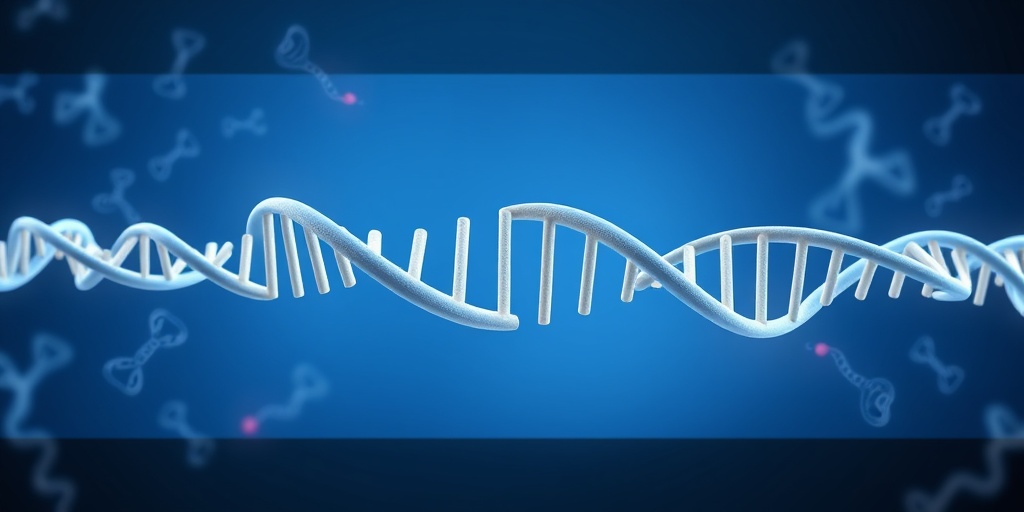
Turner Syndrome is primarily caused by the complete or partial absence of one of the two X chromosomes in females. This can occur in several ways:
- Monosomy X: The most common form, where one X chromosome is completely missing.
- Partial X deletion: Where only a part of one X chromosome is missing.
- Mosaicism: In some cases, individuals may have a mixture of normal and abnormal cells, with some cells having two X chromosomes and others having only one.
Genetic Factors
The exact reason why these chromosomal abnormalities occur is not fully understood. However, it is believed that they happen randomly during the formation of reproductive cells (eggs and sperm) or in early fetal development. Importantly, Turner Syndrome is not inherited from parents; rather, it is a spontaneous genetic event.
Environmental Influences
While the primary cause of Turner Syndrome is genetic, some studies suggest that environmental factors may play a role in chromosomal abnormalities. Factors such as maternal age and exposure to certain environmental toxins during pregnancy may increase the risk of chromosomal issues, although more research is needed in this area.
In summary, Turner Syndrome is a genetic condition resulting from the absence or alteration of an X chromosome. Understanding its causes can help in early diagnosis and management, leading to better health outcomes for those affected. 🌼
Turner Syndrome Risk Factors
Turner Syndrome is a genetic condition that affects females, resulting from a complete or partial absence of one of the X chromosomes. Understanding the risk factors associated with Turner Syndrome can help in early diagnosis and management. Here are some key factors to consider:
Genetic Factors
The primary cause of Turner Syndrome is a chromosomal abnormality. In most cases, females with Turner Syndrome have only one complete X chromosome, while the second X chromosome is either missing or altered. This genetic anomaly can occur randomly during cell division in early fetal development. However, certain genetic predispositions may increase the likelihood of this condition:
- Maternal Age: Advanced maternal age has been linked to a higher risk of chromosomal abnormalities, including Turner Syndrome.
- Family History: While Turner Syndrome is not inherited in a traditional sense, a family history of chromosomal disorders may indicate a higher risk.
Environmental Factors
While genetic factors play a significant role, some environmental influences may also contribute to the risk of developing Turner Syndrome. These include:
- Exposure to Certain Chemicals: Some studies suggest that exposure to environmental toxins, such as pesticides and heavy metals, may impact fetal development.
- Maternal Health Conditions: Conditions like diabetes or autoimmune disorders in the mother may increase the risk of chromosomal abnormalities.
Understanding the Symptoms
Recognizing the symptoms of Turner Syndrome is crucial for early intervention. Common symptoms include:
- Short Stature: Many girls with Turner Syndrome are shorter than their peers.
- Delayed Puberty: Girls may experience delayed onset of puberty and may not develop secondary sexual characteristics.
- Heart Defects: Some individuals may have congenital heart defects.
Early diagnosis can lead to better management of these symptoms, improving the quality of life for those affected.
Turner Syndrome Treatment Options
While there is no cure for Turner Syndrome, various treatment options can help manage symptoms and improve the quality of life for those affected. Here are some of the most common approaches:
Hormone Therapy
Hormone therapy is often a cornerstone of treatment for individuals with Turner Syndrome. This may include:
- Growth Hormone Therapy: Administered during childhood to help increase height.
- Estrogen Replacement Therapy: Initiated during adolescence to promote the development of secondary sexual characteristics and maintain bone health.
Regular Monitoring and Support
Regular check-ups with healthcare providers are essential for managing Turner Syndrome. This includes:
- Cardiac Evaluations: Since heart defects are common, regular cardiac assessments are crucial.
- Bone Density Monitoring: To prevent osteoporosis, especially after estrogen therapy.
Psychosocial Support
Living with Turner Syndrome can present emotional and psychological challenges. Providing psychosocial support is vital. This may involve:
- Counseling: Professional counseling can help individuals cope with the emotional aspects of the condition.
- Support Groups: Connecting with others who have Turner Syndrome can provide a sense of community and understanding.
Fertility Options
Many individuals with Turner Syndrome may face challenges related to fertility. However, options are available, including:
- Egg Donation: Some women may consider using donor eggs for assisted reproductive technologies.
- Adoption: Many individuals with Turner Syndrome choose to adopt as a way to build their families.
In conclusion, while Turner Syndrome presents unique challenges, understanding the risk factors and available treatment options can empower individuals and families to seek appropriate care and support. 🌟

Turner Syndrome Management
Managing Turner Syndrome involves a comprehensive approach that addresses the various physical, emotional, and developmental challenges associated with the condition. This genetic disorder, which affects females and is characterized by the absence or structural abnormalities of one of the X chromosomes, requires a tailored management plan to ensure optimal health and well-being.
Medical Interventions
One of the primary aspects of managing Turner Syndrome is regular medical check-ups. These visits often include:
- Growth Hormone Therapy: Many girls with Turner Syndrome experience short stature. Growth hormone therapy can help increase height and improve overall growth patterns.
- Estrogen Replacement Therapy: Since individuals with Turner Syndrome may have underdeveloped ovaries, estrogen replacement therapy is crucial for developing secondary sexual characteristics and maintaining bone health.
- Cardiac Monitoring: Turner Syndrome is associated with various heart conditions. Regular echocardiograms and check-ups with a cardiologist are essential to monitor heart health.
Psychosocial Support
Living with Turner Syndrome can present emotional and psychological challenges. Therefore, it’s important to incorporate psychosocial support into the management plan:
- Counseling: Professional counseling can help individuals cope with the emotional aspects of the syndrome, including self-esteem issues and social interactions.
- Support Groups: Connecting with others who have Turner Syndrome can provide a sense of community and understanding. Support groups can be found both online and in-person.
Educational Support
Many girls with Turner Syndrome may face learning difficulties or require special educational support. Collaborating with educators to create an Individualized Education Plan (IEP) can help address specific learning needs and ensure academic success.
Living with Turner Syndrome
Living with Turner Syndrome can be a unique journey filled with both challenges and triumphs. Understanding the condition and embracing a proactive approach to health can significantly enhance the quality of life for those affected.
Physical Health Considerations
Maintaining physical health is crucial for individuals with Turner Syndrome. Regular exercise, a balanced diet, and routine health screenings can help manage potential health issues:
- Exercise: Engaging in regular physical activity can improve cardiovascular health, strengthen bones, and enhance overall well-being. Activities like swimming, walking, and yoga are excellent options.
- Nutrition: A well-balanced diet rich in calcium and vitamin D is essential for bone health, especially since individuals with Turner Syndrome are at a higher risk for osteoporosis.
Emotional Well-being
Emotional health is just as important as physical health. Here are some strategies to promote emotional well-being:
- Mindfulness and Relaxation Techniques: Practices such as meditation, deep breathing, and yoga can help reduce stress and improve mental clarity.
- Building Relationships: Fostering strong relationships with family and friends can provide a support system that is vital for emotional health.
Advocacy and Awareness
Being informed about Turner Syndrome empowers individuals to advocate for themselves and others. Awareness can lead to better understanding and support from the community. Here are some ways to promote advocacy:
- Educating Others: Sharing knowledge about Turner Syndrome with friends, family, and educators can help dispel myths and foster a supportive environment.
- Participating in Awareness Campaigns: Joining or supporting organizations that focus on Turner Syndrome can help raise awareness and funds for research and support services.
In conclusion, managing and living with Turner Syndrome involves a multifaceted approach that includes medical care, emotional support, and community advocacy. By embracing these strategies, individuals can lead fulfilling lives while navigating the unique challenges of this condition. 🌟

Frequently Asked Questions about Turner Syndrome
What is Turner Syndrome?
Turner Syndrome is a genetic condition that affects females, characterized by the partial or complete absence of one of the X chromosomes. This condition can lead to various physical and developmental challenges.
What are the common symptoms of Turner Syndrome?
Individuals with Turner Syndrome may experience a range of symptoms, including:
- Short stature
- Delayed puberty
- Infertility
- Heart defects
- Kidney problems
- Learning difficulties
How is Turner Syndrome diagnosed?
Diagnosis of Turner Syndrome typically involves a physical examination and genetic testing, such as a karyotype analysis, to identify the presence of the missing X chromosome.
What is the life expectancy for someone with Turner Syndrome?
With appropriate medical care and management, individuals with Turner Syndrome can lead healthy lives. Life expectancy may be slightly reduced, but many individuals live into their 50s and beyond.
Can Turner Syndrome affect pregnancy?
Women with Turner Syndrome often face challenges with fertility. However, some may still conceive with assisted reproductive technologies. It’s essential to consult a healthcare provider for personalized advice.
What are the features of Turner Syndrome?
The features of Turner Syndrome can vary widely among individuals but may include:
- Webbed neck
- Low hairline at the back of the neck
- Broad chest with widely spaced nipples
- Short fingers and toes
Is there a treatment for Turner Syndrome?
While there is no cure for Turner Syndrome, treatments can help manage symptoms. These may include hormone therapy, regular monitoring of heart and kidney health, and educational support for learning difficulties.
Where can I find more information about Turner Syndrome?
For more information on Turner Syndrome, consider visiting reputable health websites, genetic counseling centers, or support groups dedicated to this condition.