What Is COPD?
Chronic Obstructive Pulmonary Disease (COPD) is a progressive lung disease that makes it difficult to breathe. It encompasses a group of conditions, primarily chronic bronchitis and emphysema, which cause airflow blockage and breathing-related problems. Understanding what COPD is can help individuals recognize its symptoms and seek appropriate treatment for COPD.
Understanding the Definition of COPD
The term COPD refers to a group of lung diseases characterized by chronic obstruction of airflow from the lungs. This obstruction is typically caused by long-term exposure to irritating gases or particulate matter, most commonly from cigarette smoke. Other factors, such as air pollution, occupational dust, and genetic factors, can also contribute to the development of this disease.
What Causes COPD?
Several factors can lead to the development of COPD, including:
- Smoking: The primary cause of COPD, accounting for the majority of cases.
- Environmental Factors: Long-term exposure to air pollutants, chemical fumes, and dust.
- Genetic Factors: A rare genetic condition known as Alpha-1 Antitrypsin Deficiency can increase the risk of developing COPD.
Stages of COPD
COPD is classified into four stages, ranging from mild to very severe, based on the severity of symptoms and lung function:
- Stage 1 (Mild): Mild airflow limitation, often without noticeable symptoms.
- Stage 2 (Moderate): Increased breathlessness during physical activities.
- Stage 3 (Severe): Shortness of breath becomes more pronounced, and exacerbations may occur.
- Stage 4 (Very Severe): Severe limitations in airflow, leading to significant impairment in daily activities.
COPD Symptoms
Recognizing the symptoms of COPD is crucial for early diagnosis and management. The symptoms can vary in intensity and may worsen over time. Common symptoms of COPD include:
Common Symptoms of COPD
- Chronic Cough: A persistent cough that may produce mucus.
- Shortness of Breath: Difficulty breathing, especially during physical activities.
- Wheezing: A whistling or squeaky sound when breathing.
- Chest Tightness: A feeling of pressure or constriction in the chest.
- Frequent Respiratory Infections: Increased susceptibility to colds, flu, and pneumonia.
Exacerbation of COPD
An exacerbation of COPD refers to a sudden worsening of symptoms, which can be triggered by infections, air pollution, or other environmental factors. During an exacerbation, individuals may experience increased shortness of breath, more intense coughing, and changes in mucus production. It is essential to seek medical attention during these episodes, as they can lead to serious complications.
Importance of Early Diagnosis
Early diagnosis of COPD is vital for effective management and treatment. If you experience any of the symptoms mentioned above, it is crucial to consult a healthcare professional for a proper COPD diagnosis. Diagnostic tests may include:
- Pulmonary Function Tests: To measure lung function and airflow.
- Chest X-rays: To visualize the lungs and rule out other conditions.
- CT Scans: To provide detailed images of the lungs.
For more information on COPD and its management, consider visiting Yesil Health AI, a valuable resource for evidence-based health answers. Understanding COPD can empower individuals to take control of their health and seek appropriate treatment options.
In conclusion, COPD is a serious lung disease that requires awareness and proactive management. By recognizing the symptoms and understanding the causes, individuals can work towards better lung health and improved quality of life. 🌬️💙
COPD Causes
Chronic Obstructive Pulmonary Disease (COPD) is a progressive lung disease that makes it difficult to breathe. Understanding the causes of COPD is crucial for prevention and management. The primary cause of COPD is long-term exposure to harmful substances that damage the lungs and airways.
1. Smoking: The Leading Cause
Smoking is the most significant risk factor for developing COPD. Approximately 85-90% of COPD cases are linked to smoking. The harmful chemicals in tobacco smoke lead to inflammation and damage to the lung tissue, resulting in chronic bronchitis and emphysema, two conditions that fall under the COPD umbrella. Even secondhand smoke can contribute to the disease, making it essential to avoid exposure.
2. Environmental Factors
In addition to smoking, several environmental factors can contribute to the development of COPD:
- Air Pollution: Long-term exposure to air pollutants, such as dust, fumes, and chemicals, can irritate the lungs and lead to COPD.
- Occupational Hazards: Jobs that expose individuals to harmful substances, like coal dust, asbestos, or chemical fumes, increase the risk of developing COPD.
- Indoor Pollutants: Exposure to indoor pollutants, such as smoke from cooking and heating fuels, can also contribute to lung damage.
3. Genetic Factors
While environmental factors play a significant role, genetics can also influence the risk of developing COPD. A rare genetic disorder known as Alpha-1 Antitrypsin Deficiency can lead to lung damage and increase susceptibility to COPD. Individuals with this condition may develop emphysema at a younger age, even if they have never smoked.
4. Respiratory Infections
Frequent respiratory infections during childhood can also increase the risk of developing COPD later in life. These infections can cause lasting damage to the lungs, making them more susceptible to chronic diseases.
COPD Risk Factors
Understanding the risk factors for COPD is essential for early detection and prevention. While some factors are unavoidable, many can be managed or mitigated.
1. Age
COPD is more common in older adults, typically affecting individuals over the age of 40. As we age, lung function naturally declines, making older adults more susceptible to respiratory diseases.
2. Smoking History
As mentioned earlier, smoking is the primary cause of COPD. The risk increases with the number of years a person has smoked and the number of cigarettes smoked per day. Quitting smoking at any age can significantly reduce the risk of developing COPD.
3. Family History
A family history of COPD or other lung diseases can increase an individual’s risk. If a close family member has been diagnosed with COPD, it may be beneficial to discuss this with a healthcare provider for early screening and preventive measures.
4. Asthma
Individuals with a history of asthma may have an increased risk of developing COPD, especially if their asthma is poorly controlled. Chronic inflammation in the airways can lead to long-term damage, making it essential for asthmatics to manage their condition effectively.
5. Socioeconomic Status
Lower socioeconomic status can be a risk factor for COPD due to limited access to healthcare, education, and resources for smoking cessation. Individuals in lower-income brackets may also be more exposed to environmental pollutants.
6. Comorbidities
Having other health conditions, such as heart disease, diabetes, or osteoporosis, can complicate COPD management and increase the risk of exacerbations. It’s crucial for individuals with these comorbidities to work closely with their healthcare providers to manage their overall health.
In summary, while the primary cause of COPD is smoking, various environmental, genetic, and lifestyle factors contribute to its development. Understanding these causes and risk factors can empower individuals to take proactive steps in managing their lung health and reducing their risk of COPD. 🌬️💙
COPD Diagnosis
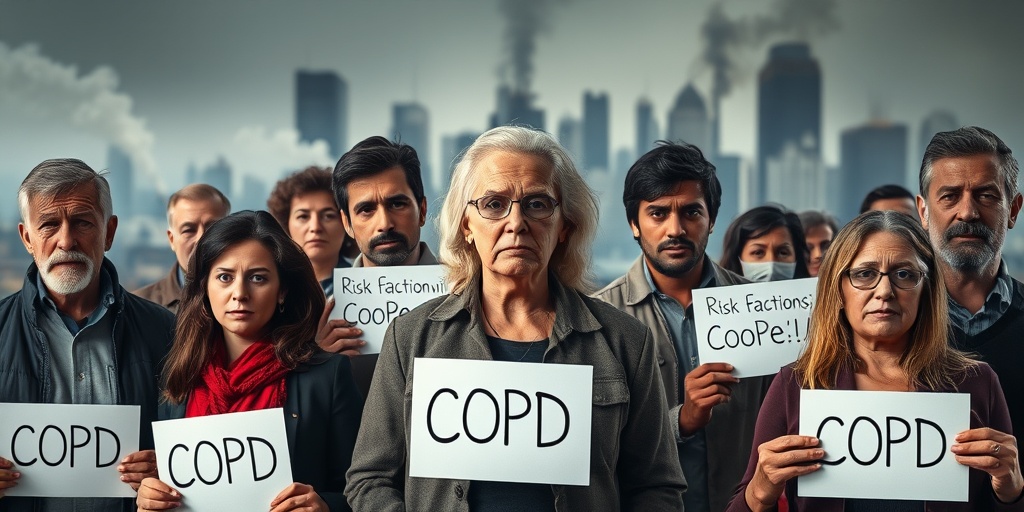
Chronic Obstructive Pulmonary Disease (COPD) is a progressive lung disease that can significantly impact a person’s quality of life. Understanding how COPD is diagnosed is crucial for early intervention and effective management. Let’s explore the key aspects of COPD diagnosis.
What is COPD?
Before diving into the diagnosis, it’s essential to understand what COPD is. COPD is an umbrella term that includes chronic bronchitis and emphysema, conditions that cause airflow obstruction and breathing difficulties. The primary cause of COPD is long-term exposure to irritants that damage the lungs, most commonly cigarette smoke. However, other factors such as air pollution, occupational dust, and genetic factors can also contribute to the disease.
Symptoms of COPD
Recognizing the symptoms of COPD is the first step towards diagnosis. Common symptoms include:
- Chronic cough: Often referred to as a “smoker’s cough,” this persistent cough may produce mucus.
- Shortness of breath: Initially occurring during physical activity, it can progress to breathlessness even at rest.
- Wheezing: A whistling sound when breathing, indicating narrowed airways.
- Chest tightness: A feeling of pressure or discomfort in the chest.
Diagnostic Tests for COPD
To diagnose COPD, healthcare providers typically use a combination of medical history, physical examinations, and specific tests:
- Medical history: Discussing symptoms, smoking history, and exposure to lung irritants.
- Physical examination: A thorough check-up to assess breathing patterns and lung function.
- Pulmonary function tests (PFTs): These tests measure lung capacity and airflow, helping to confirm the diagnosis. The most common test is spirometry, which assesses how much air you can exhale and how quickly.
- Imaging tests: Chest X-rays or CT scans can help visualize the lungs and identify any abnormalities.
- Arterial blood gas test: This test measures the levels of oxygen and carbon dioxide in the blood, providing insight into lung function.
COPD Stages
COPD is classified into stages based on the severity of the disease, as defined by the Global Initiative for Chronic Obstructive Lung Disease (GOLD) criteria. The stages range from mild (Stage I) to very severe (Stage IV), with treatment options varying accordingly. Understanding the stage of COPD is vital for determining the most effective management strategies.
COPD Treatment Options
Once diagnosed, managing COPD effectively is essential to improve quality of life and slow disease progression. Treatment options for COPD can vary based on the severity of the disease and individual patient needs. Here’s a closer look at the available COPD treatment options.
Medications
Medications play a crucial role in managing COPD symptoms and preventing exacerbations. Common types of medications include:
- Bronchodilators: These medications help relax the muscles around the airways, making it easier to breathe. They can be short-acting for immediate relief or long-acting for ongoing control.
- Inhaled corticosteroids: These help reduce inflammation in the airways, decreasing the frequency of exacerbations.
- Combination inhalers: These contain both bronchodilators and corticosteroids for enhanced effectiveness.
- Phosphodiesterase-4 inhibitors: These oral medications can help reduce inflammation and relax the airways.
Oxygen Therapy
For individuals with severe COPD and low blood oxygen levels, oxygen therapy may be necessary. This treatment involves using a device to deliver oxygen, helping to improve breathing and overall health.
Pulmonary Rehabilitation
Pulmonary rehabilitation is a structured program that combines education, exercise training, and support to help individuals manage their COPD. This program can significantly improve physical and emotional well-being.
Surgical Options
In some cases, surgical interventions may be considered for advanced COPD. Options include:
- Lung volume reduction surgery: This procedure removes damaged lung tissue, allowing the remaining healthy lung tissue to function better.
- Lung transplant: For individuals with end-stage COPD, a lung transplant may be a viable option.
Managing Exacerbations
Exacerbations of COPD can lead to worsening symptoms and require prompt treatment. Recognizing the signs of an exacerbation, such as increased shortness of breath, changes in sputum color, or increased cough, is vital. Early intervention with medications or hospitalization can help manage these episodes effectively.
In conclusion, understanding the diagnosis and treatment options for COPD is essential for effective management of this chronic disease. With the right approach, individuals with COPD can lead fulfilling lives despite their condition. 🌬️💙
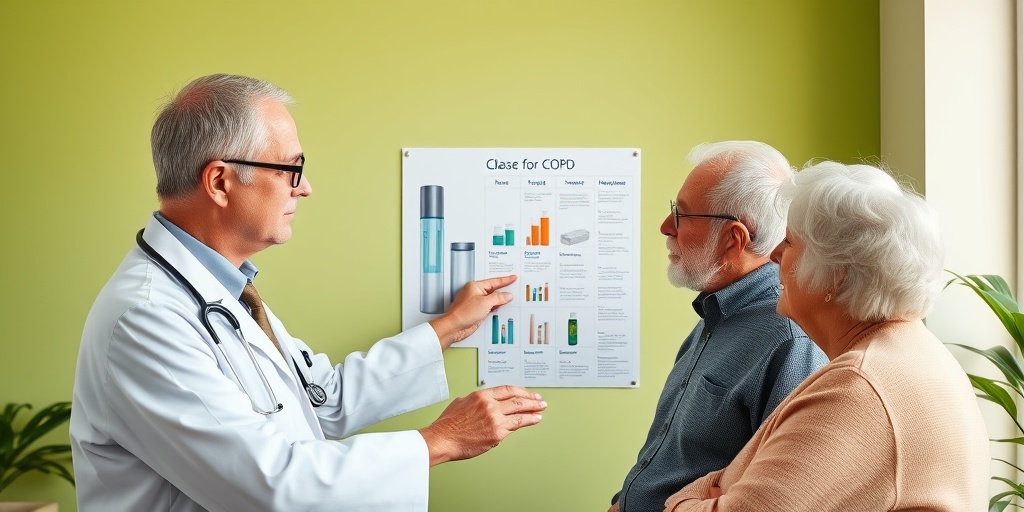
COPD Lifestyle Changes
Living with COPD (Chronic Obstructive Pulmonary Disease) can be challenging, but making certain lifestyle changes can significantly improve your quality of life. These changes not only help manage symptoms but also slow the progression of the disease. Here are some essential lifestyle adjustments to consider:
1. Quit Smoking 🚭
If you smoke, quitting is the most crucial step you can take. Smoking is the primary cause of COPD, and continuing to smoke will only worsen your condition. Seek support through counseling, nicotine replacement therapies, or medications to help you quit.
2. Stay Active 🏃♂️
Regular physical activity is vital for maintaining lung function and overall health. Aim for at least 30 minutes of moderate exercise most days of the week. Activities like walking, swimming, or cycling can enhance your endurance and reduce breathlessness.
3. Eat a Balanced Diet 🍏
A nutritious diet can help you maintain a healthy weight and provide the energy needed to cope with COPD. Focus on:
- Fruits and vegetables: Rich in antioxidants, they help combat inflammation.
- Whole grains: Provide essential nutrients and energy.
- Lean proteins: Important for muscle maintenance.
Stay hydrated by drinking plenty of fluids, as this can help thin mucus in your lungs.
4. Manage Stress 🧘♀️
Stress can exacerbate COPD symptoms. Incorporate relaxation techniques such as yoga, meditation, or deep-breathing exercises into your daily routine. These practices can help you manage anxiety and improve your overall well-being.
5. Avoid Pollutants and Allergens 🌬️
Minimize exposure to air pollutants, dust, and allergens that can trigger COPD exacerbations. Use air purifiers at home, avoid outdoor activities on high pollution days, and keep your living space clean and free from irritants.
6. Follow Your Treatment Plan 💊
Adhering to your prescribed COPD treatment plan is essential. This may include medications such as bronchodilators and corticosteroids, as well as regular check-ups with your healthcare provider. Keeping track of your symptoms and medication can help you manage your condition effectively.
COPD Complications
COPD can lead to various complications that may affect your overall health and quality of life. Understanding these potential issues is crucial for effective management and prevention. Here are some common complications associated with COPD:
1. Respiratory Infections 🤒
Individuals with COPD are at a higher risk of developing respiratory infections, such as pneumonia and bronchitis. These infections can exacerbate symptoms and lead to serious health issues. It’s essential to get vaccinated against influenza and pneumonia to reduce this risk.
2. Heart Problems ❤️
COPD can strain the heart, leading to conditions such as heart disease and heart failure. The reduced oxygen levels in the blood can cause the heart to work harder, increasing the risk of complications. Regular check-ups with your healthcare provider can help monitor heart health.
3. Osteoporosis 🦴
People with COPD are more susceptible to osteoporosis, a condition that weakens bones and increases the risk of fractures. This is often due to long-term use of corticosteroids and reduced physical activity. Engaging in weight-bearing exercises and ensuring adequate calcium and vitamin D intake can help mitigate this risk.
4. Depression and Anxiety 😟
The chronic nature of COPD can lead to feelings of isolation, anxiety, and depression. It’s essential to address mental health as part of your overall treatment plan. Seeking support from mental health professionals or joining support groups can be beneficial.
5. Lung Cancer 🎗️
Individuals with COPD have an increased risk of developing lung cancer, particularly if they are smokers. Regular screenings and discussions with your healthcare provider about lung health are crucial for early detection and intervention.
By understanding the potential complications of COPD and making proactive lifestyle changes, you can significantly improve your health and well-being. Always consult with your healthcare provider for personalized advice and treatment options tailored to your specific needs.

Frequently Asked Questions about COPD
What is COPD?
COPD, or Chronic Obstructive Pulmonary Disease, is a progressive lung disease that makes it difficult to breathe. It encompasses conditions such as emphysema and chronic bronchitis, leading to reduced airflow and respiratory issues.
What are the symptoms of COPD?
The symptoms of COPD can vary but commonly include:
- Shortness of breath, especially during physical activities
- Chronic cough
- Wheezing
- Chest tightness
- Increased mucus production
What causes COPD?
The primary causes of COPD include long-term exposure to irritants that damage the lungs and airways. The most common cause is smoking, but other factors can include:
- Air pollution
- Occupational dust and chemicals
- Genetic factors, such as alpha-1 antitrypsin deficiency
How is COPD diagnosed?
A healthcare provider typically diagnoses COPD through a combination of medical history, physical examination, and tests such as:
- Pulmonary function tests (spirometry)
- Chest X-rays
- CT scans
What are the stages of COPD?
COPD is classified into four stages based on the severity of symptoms and airflow limitation:
- Stage 1: Mild COPD
- Stage 2: Moderate COPD
- Stage 3: Severe COPD
- Stage 4: Very severe COPD
What treatments are available for COPD?
Treatment for COPD focuses on relieving symptoms and improving quality of life. Common treatments include:
- Bronchodilators to relax the muscles around the airways
- Inhaled corticosteroids to reduce inflammation
- Oxygen therapy for those with low oxygen levels
- Pulmonary rehabilitation programs
What is a COPD exacerbation?
A COPD exacerbation is a sudden worsening of symptoms, often triggered by infections or environmental pollutants. It can lead to increased breathlessness, coughing, and mucus production, requiring immediate medical attention.
Can COPD lead to other health issues?
Yes, individuals with COPD are at a higher risk for other health problems, including:
- Heart disease
- Pneumonia
- Osteoporosis
Is there a cure for COPD?
Currently, there is no cure for COPD, but early diagnosis and proper management can significantly improve quality of life and slow disease progression.
Where can I find the latest COPD news?
For the latest COPD news, consider checking reputable health websites, medical journals, and organizations dedicated to respiratory health.
How can I manage my COPD effectively?
Effective management of COPD includes:
- Quitting smoking
- Regular exercise
- Following prescribed treatment plans
- Monitoring symptoms and seeking medical advice when necessary
If you have more questions about COPD or need personalized advice, consult with a healthcare professional. 🌟