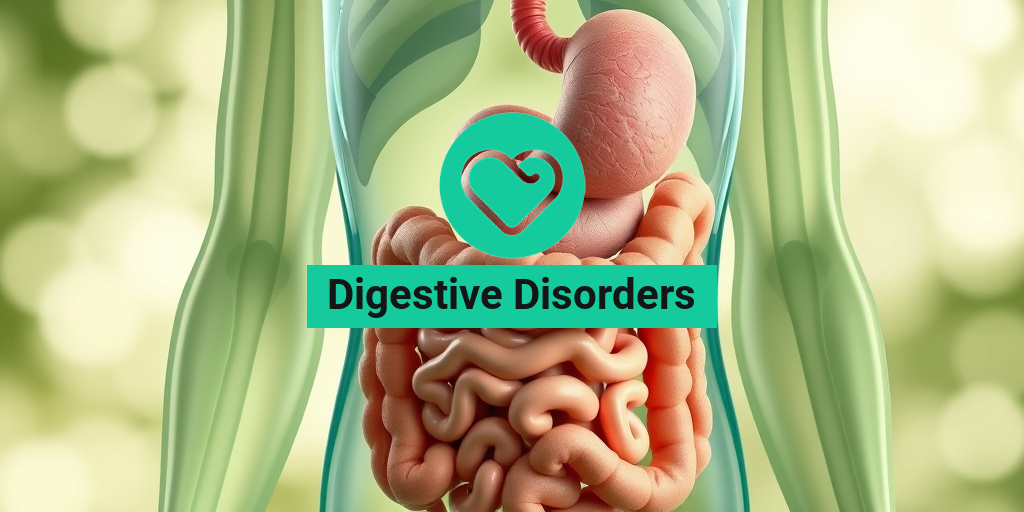
What Are Digestive Disorders?
Digestive disorders encompass a wide range of conditions that affect the digestive system, which includes the esophagus, stomach, intestines, liver, pancreas, and gallbladder. These disorders can disrupt the normal process of digestion, leading to a variety of symptoms that can significantly impact a person’s quality of life. Understanding what digestive disorders are is crucial for early detection and effective treatment.
In simple terms, digestive disorders refer to any health issues that interfere with the body’s ability to digest food and absorb nutrients. This can result in symptoms such as abdominal pain, bloating, gas, diarrhea, constipation, and nausea. While some digestive disorders are mild and temporary, others can be chronic and require ongoing management.
Causes of Digestive Disorders
The causes of digestive disorders can vary widely and may include:
- Dietary Factors: Poor diet, food intolerances, and allergies can lead to digestive issues.
- Infections: Bacterial, viral, or parasitic infections can disrupt normal digestion.
- Chronic Conditions: Diseases such as diabetes, celiac disease, and inflammatory bowel disease (IBD) can affect digestion.
- Medications: Certain medications can have side effects that impact the digestive system.
- Stress: Emotional and psychological stress can exacerbate digestive problems.
Recognizing the signs and symptoms of digestive disorders is essential for seeking timely medical advice. If you experience persistent digestive issues, consider consulting a healthcare professional or utilizing resources like Yesil Health AI for evidence-based health answers.
Common Digestive Disorders
There are numerous types of digestive disorders, each with its own set of symptoms and treatment options. Here are some of the most common digestive disorders:
1. Gastroesophageal Reflux Disease (GERD)
GERD is a chronic condition where stomach acid flows back into the esophagus, causing heartburn and discomfort. Lifestyle changes, medications, and in severe cases, surgery may be recommended for treatment.
2. Irritable Bowel Syndrome (IBS)
IBS is a functional gastrointestinal disorder characterized by symptoms such as abdominal pain, bloating, and changes in bowel habits. While the exact cause is unknown, dietary adjustments and stress management can help alleviate symptoms.
3. Celiac Disease
Celiac disease is an autoimmune disorder where the ingestion of gluten leads to damage in the small intestine. A strict gluten-free diet is the primary treatment for managing this condition.
4. Inflammatory Bowel Disease (IBD)
IBD includes conditions like Crohn’s disease and ulcerative colitis, which cause chronic inflammation of the gastrointestinal tract. Treatment often involves medication, lifestyle changes, and sometimes surgery.
5. Gallstones
Gallstones are hardened deposits that form in the gallbladder, leading to pain and digestive issues. Treatment may involve dietary changes or surgical removal of the gallbladder in severe cases.
6. Constipation
Constipation is a common digestive issue characterized by infrequent bowel movements and difficulty passing stool. Increasing fiber intake, hydration, and physical activity can help alleviate this condition.
7. Diverticulitis
Diverticulitis occurs when small pouches in the colon become inflamed or infected. Treatment typically involves antibiotics and dietary modifications.
Digestive disorders can vary in severity and impact, but understanding their nature and symptoms is the first step toward effective management. If you suspect you have a digestive disorder, don’t hesitate to seek professional advice. Resources like Yesil Health AI can provide valuable information and support for navigating your health journey. 🌱
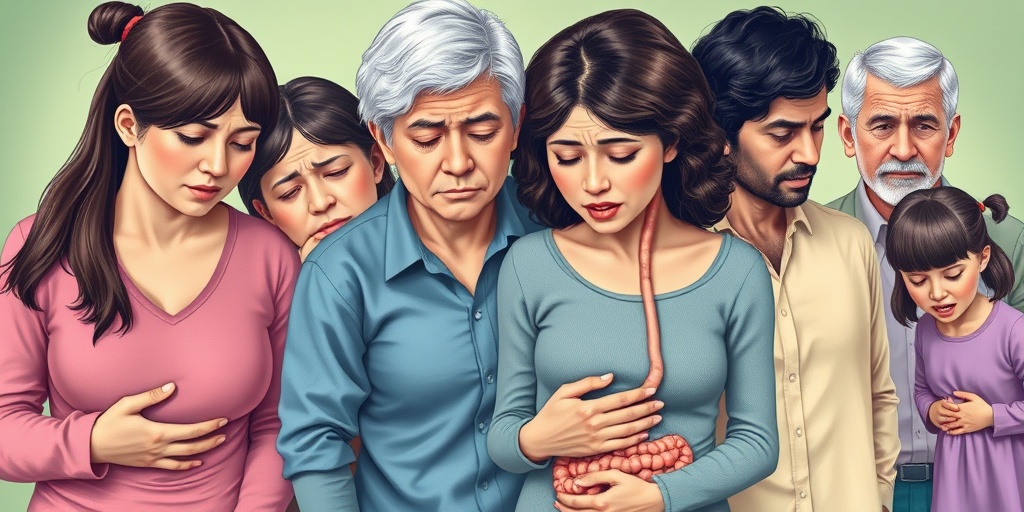
Digestive Disorder Symptoms
Digestive disorders can manifest in various ways, affecting individuals differently. Recognizing the symptoms early can lead to timely diagnosis and treatment. Here are some common symptoms associated with digestive disorders:
1. Abdominal Pain and Discomfort
One of the most prevalent symptoms of digestive disorders is abdominal pain. This discomfort can range from mild cramping to severe pain, often indicating underlying issues such as inflammation or obstruction. Pay attention to the location and intensity of the pain, as it can provide clues about the specific disorder.
2. Bloating and Gas
Bloating and excessive gas are common complaints among those suffering from digestive disorders. These symptoms can result from food intolerances, imbalances in gut bacteria, or conditions like irritable bowel syndrome (IBS). If you frequently experience a swollen abdomen or excessive flatulence, it may be time to consult a healthcare professional.
3. Changes in Bowel Habits
Changes in bowel habits, such as diarrhea, constipation, or alternating between the two, can signal a digestive disorder. Diarrhea may indicate infections or inflammatory bowel diseases, while constipation can result from dietary factors or slow gut motility. Keeping a record of your bowel movements can help identify patterns and triggers.
4. Nausea and Vomiting
Nausea and vomiting are often associated with various digestive disorders, including gastritis, gastroesophageal reflux disease (GERD), and food poisoning. If these symptoms persist, it’s crucial to seek medical advice, as they can lead to dehydration and other complications.
5. Unexplained Weight Loss
Unintentional weight loss can be a concerning symptom of digestive disorders. Conditions like celiac disease or pancreatic insufficiency can hinder nutrient absorption, leading to weight loss despite normal eating habits. If you notice significant weight changes, consult a healthcare provider for evaluation.
6. Fatigue and Weakness
Chronic digestive issues can lead to fatigue and weakness due to nutrient deficiencies. If your body is not absorbing essential vitamins and minerals, you may feel tired and lethargic. This symptom often accompanies other digestive complaints, making it essential to address the root cause.
Causes of Digestive Disorders
Understanding the causes of digestive disorders is crucial for effective management and treatment. These disorders can arise from various factors, including lifestyle choices, genetic predispositions, and underlying health conditions. Here are some common causes:
1. Poor Diet
A diet high in processed foods, sugars, and unhealthy fats can contribute to digestive disorders. Foods that are difficult to digest or that trigger intolerances can lead to symptoms like bloating and discomfort. Incorporating a balanced diet rich in fiber, fruits, and vegetables can promote better digestive health.
2. Stress and Anxiety
Emotional well-being plays a significant role in digestive health. Stress and anxiety can exacerbate symptoms of digestive disorders, leading to conditions like IBS. Practicing stress management techniques, such as mindfulness and relaxation exercises, can help alleviate symptoms.
3. Infections
Gastrointestinal infections caused by bacteria, viruses, or parasites can lead to acute digestive disorders. Common culprits include foodborne illnesses and viral gastroenteritis. Maintaining good hygiene and safe food practices can reduce the risk of infections.
4. Medications
Certain medications, including antibiotics and nonsteroidal anti-inflammatory drugs (NSAIDs), can disrupt the digestive system. They may alter gut flora or irritate the stomach lining, leading to symptoms. Always discuss potential side effects with your healthcare provider when starting new medications.
5. Underlying Health Conditions
Chronic conditions such as diabetes, thyroid disorders, and autoimmune diseases can contribute to digestive issues. For instance, diabetes can lead to gastroparesis, a condition where the stomach takes too long to empty. Identifying and managing these underlying conditions is essential for improving digestive health.
6. Genetic Factors
Some digestive disorders have a genetic component, making individuals more susceptible to conditions like celiac disease or inflammatory bowel disease (IBD). If you have a family history of digestive disorders, it’s important to be vigilant about symptoms and seek regular check-ups.
In conclusion, recognizing the symptoms and understanding the causes of digestive disorders can empower individuals to take charge of their health. If you experience persistent digestive issues, don’t hesitate to reach out to a healthcare professional for guidance and support. 🌱

Risk Factors for Digestive Issues
Digestive disorders can affect anyone, but certain risk factors can increase the likelihood of developing these conditions. Understanding these factors is crucial for prevention and early intervention. Here are some of the most common risk factors associated with digestive disorders.
1. Diet and Nutrition
Your diet plays a significant role in your digestive health. Consuming a diet high in processed foods, sugars, and unhealthy fats can lead to various digestive issues. On the other hand, a diet rich in fiber, fruits, vegetables, and whole grains can promote better digestion. Here are some dietary factors to consider:
- Low Fiber Intake: Insufficient fiber can lead to constipation and other digestive problems.
- High Fat Diet: Excessive fat can slow down digestion and lead to conditions like gallstones.
- Food Intolerances: Lactose intolerance or gluten sensitivity can trigger digestive distress.
2. Lifestyle Choices
Your daily habits can significantly impact your digestive health. Here are some lifestyle choices that may contribute to digestive disorders:
- Smoking: Tobacco use can impair digestion and increase the risk of conditions like Crohn’s disease.
- Alcohol Consumption: Excessive drinking can lead to liver disease and other digestive issues.
- Physical Inactivity: A sedentary lifestyle can slow down digestion and contribute to obesity, which is linked to various digestive disorders.
3. Age and Gender
Age and gender can also influence the risk of developing digestive disorders. For instance:
- Older Adults: As we age, our digestive system may become less efficient, increasing the risk of disorders.
- Women: Hormonal changes during menstruation, pregnancy, and menopause can affect digestion.
4. Family History and Genetics
If you have a family history of digestive disorders, you may be at a higher risk. Genetic predispositions can play a role in conditions such as:
- Inflammatory Bowel Disease (IBD): Conditions like Crohn’s disease and ulcerative colitis often run in families.
- Celiac Disease: This autoimmune disorder has a strong genetic component.
5. Stress and Mental Health
Stress can have a profound impact on your digestive system. Conditions like irritable bowel syndrome (IBS) are often exacerbated by stress and anxiety. It’s essential to manage stress through techniques such as:
- Meditation: Practicing mindfulness can help reduce stress levels.
- Regular Exercise: Physical activity can improve mood and digestive health.
Diagnosis of Digestive Disorders
Diagnosing digestive disorders can be complex due to the variety of symptoms and conditions involved. A thorough evaluation is essential for effective treatment. Here’s how healthcare professionals typically diagnose these disorders.
1. Medical History and Symptoms Review
The first step in diagnosing a digestive disorder is a comprehensive review of your medical history and symptoms. Your doctor will ask about:
- Symptom Duration: How long have you been experiencing symptoms?
- Dietary Habits: What does your typical diet look like?
- Family History: Are there any digestive disorders in your family?
2. Physical Examination
A physical examination can provide valuable insights into your digestive health. Your doctor may:
- Palpate the Abdomen: Feeling for any abnormalities or tenderness.
- Check for Signs of Dehydration: This can indicate severe digestive issues.
3. Diagnostic Tests
Depending on your symptoms, your doctor may recommend several diagnostic tests, including:
- Blood Tests: To check for anemia, infection, or inflammation.
- Stool Tests: To identify infections or malabsorption issues.
- Imaging Studies: X-rays, CT scans, or ultrasounds can help visualize the digestive tract.
- Endoscopy: A procedure that allows doctors to view the digestive tract directly.
4. Specialized Tests
In some cases, specialized tests may be necessary to diagnose specific conditions. These can include:
- pH Monitoring: To assess acid levels in the esophagus.
- Biopsy: Taking a small tissue sample for further analysis.
Understanding the risk factors and diagnostic processes for digestive disorders is essential for maintaining good health. If you experience persistent digestive issues, consult a healthcare professional for a thorough evaluation. 🩺

Treatment Options for Digestive Disorders
Digestive disorders can significantly impact your quality of life, causing discomfort and affecting your daily activities. Fortunately, there are various treatment options available that can help manage symptoms and improve overall digestive health. Understanding these options is crucial for anyone dealing with digestive issues.
1. Lifestyle Changes
Making simple lifestyle changes can often alleviate symptoms of digestive disorders. Here are some effective strategies:
- Dietary Adjustments: Incorporating a balanced diet rich in fiber, fruits, and vegetables can promote healthy digestion. Avoiding processed foods, excessive fats, and sugars is also beneficial.
- Hydration: Drinking plenty of water aids digestion and helps prevent constipation. Aim for at least 8 glasses a day!
- Regular Exercise: Physical activity stimulates the digestive system. Aim for at least 30 minutes of moderate exercise most days of the week.
- Stress Management: Stress can exacerbate digestive issues. Techniques such as yoga, meditation, and deep breathing exercises can help reduce stress levels.
2. Medications
Depending on the specific digestive disorder, various medications may be prescribed:
- Antacids: These can neutralize stomach acid and provide quick relief for heartburn and indigestion.
- Proton Pump Inhibitors (PPIs): Used to reduce stomach acid production, PPIs are effective for conditions like GERD.
- Laxatives: For constipation, laxatives can help stimulate bowel movements.
- Antidiarrheal Medications: These can help manage diarrhea by slowing down bowel movements.
3. Alternative Therapies
Many individuals find relief through alternative therapies. Some popular options include:
- Acupuncture: This traditional Chinese medicine technique may help alleviate symptoms of various digestive disorders.
- Probiotics: These beneficial bacteria can improve gut health and are often recommended for conditions like irritable bowel syndrome (IBS).
- Herbal Remedies: Certain herbs, such as ginger and peppermint, are known for their digestive benefits.
4. Surgical Options
In severe cases, surgical intervention may be necessary. Procedures can range from minimally invasive techniques to more extensive surgeries, depending on the disorder. Always consult with a healthcare professional to determine the best course of action.
Preventing Digestive Disorders
Prevention is often the best medicine when it comes to digestive disorders. By adopting healthy habits, you can significantly reduce your risk of developing these conditions.
1. Maintain a Healthy Diet
A well-balanced diet is essential for digestive health. Here are some tips:
- Eat Whole Foods: Focus on whole grains, lean proteins, and plenty of fruits and vegetables.
- Limit Processed Foods: These often contain additives and preservatives that can disrupt digestion.
- Watch Portion Sizes: Overeating can lead to discomfort and digestive issues.
2. Stay Active
Regular physical activity is crucial for maintaining a healthy digestive system. Aim for at least 150 minutes of moderate aerobic activity each week. Activities like walking, jogging, and cycling can help keep your digestive system functioning smoothly. 🚴♂️
3. Manage Stress
Chronic stress can lead to digestive problems. Incorporating stress-reducing practices into your daily routine can be beneficial:
- Meditation: Spend a few minutes each day practicing mindfulness or meditation.
- Deep Breathing: Simple deep breathing exercises can help calm your mind and body.
- Engage in Hobbies: Make time for activities you enjoy to help relieve stress.
4. Regular Check-ups
Routine medical check-ups can help catch potential digestive issues early. Discuss any symptoms or concerns with your healthcare provider to ensure timely intervention.
By implementing these preventive measures and understanding treatment options, you can take control of your digestive health and enhance your overall well-being. 🌟

Frequently Asked Questions about Digestive Disorders
What are digestive disorders?
Digestive disorders refer to a range of conditions that affect the digestive system, which includes the esophagus, stomach, intestines, and other organs involved in digestion. These disorders can cause symptoms such as abdominal pain, bloating, diarrhea, and constipation.
What are some common types of digestive disorders?
- Gastroesophageal reflux disease (GERD)
- Irritable bowel syndrome (IBS)
- Celiac disease
- Inflammatory bowel disease (IBD), including Crohn’s disease and ulcerative colitis
- Peptic ulcers
How are digestive disorders diagnosed?
Diagnosis of digestive disorders typically involves a combination of medical history, physical examinations, and diagnostic tests such as blood tests, endoscopy, or imaging studies. A healthcare provider will evaluate symptoms and may refer patients to a gastroenterologist for further assessment.
What treatments are available for digestive disorders?
Treatment options for digestive disorders vary depending on the specific condition and may include:
- Medications to manage symptoms or treat underlying causes
- Dietary changes to avoid trigger foods
- Probiotics to support gut health
- In some cases, surgery may be necessary
Can digestive disorders affect children?
Yes, digestive disorders in children can occur and may present differently than in adults. Common issues include constipation, reflux, and food intolerances. It is important for parents to consult a pediatrician if they notice persistent digestive symptoms in their child.
Are there digestive disorders that affect pets?
Absolutely! Digestive disorders in dogs can include conditions like pancreatitis, inflammatory bowel disease, and dietary intolerances. If a pet shows signs of digestive distress, such as vomiting or diarrhea, it is crucial to seek veterinary care.
What lifestyle changes can help manage digestive disorders?
Making certain lifestyle adjustments can significantly improve symptoms of digestive disorders. These may include:
- Eating smaller, more frequent meals
- Staying hydrated
- Incorporating fiber-rich foods into the diet
- Regular physical activity
- Managing stress through relaxation techniques
Where can I find more information about digestive disorders?
For more detailed information, consider visiting reputable health websites, consulting healthcare professionals, or joining support groups focused on digestive disorders. These resources can provide valuable insights and community support. 🌐