What Is Cancer?
Cancer is a complex group of diseases characterized by the uncontrolled growth and spread of abnormal cells in the body. When the body’s normal regulatory mechanisms fail, these cells can multiply uncontrollably, leading to the formation of tumors. While some tumors are benign (non-cancerous), others are malignant (cancerous) and can invade nearby tissues and organs, potentially spreading to other parts of the body through the bloodstream or lymphatic system.
Types of Cancer
There are over 100 different types of cancer, each classified based on the type of cell or tissue from which they originate. Some of the most common types include:
- Breast Cancer: Affects the breast tissue and is one of the most common cancers among women.
- Prostate Cancer: Affects the prostate gland in men and is often slow-growing.
- Skin Cancer: Includes melanoma and non-melanoma types, primarily caused by UV exposure.
- Colon Cancer: Affects the large intestine and is often preventable with regular screenings.
- Blood Cancer: Includes leukemia, lymphoma, and myeloma, affecting blood cells and bone marrow.
Understanding Cancer Development
Cancer develops through a series of stages, often beginning with genetic mutations that disrupt normal cell function. These mutations can be caused by various factors, including:
- Genetic Predisposition: Some individuals inherit genes that increase their risk of certain cancers.
- Environmental Factors: Exposure to carcinogens such as tobacco smoke, radiation, and certain chemicals can trigger cancer.
- Lifestyle Choices: Poor diet, lack of physical activity, and excessive alcohol consumption can contribute to cancer risk.
Understanding what cancer is and how it develops is crucial for early detection and effective treatment. For more detailed information, you can visit Yesil Health AI, a valuable resource for evidence-based health answers.
Cancer Symptoms
Recognizing the symptoms of cancer early can significantly improve treatment outcomes. However, it’s important to note that symptoms can vary widely depending on the type of cancer and its location in the body. Here are some common signs of cancer to be aware of:
General Symptoms
- Unexplained Weight Loss: Losing weight without trying can be a significant warning sign.
- Fatigue: Persistent tiredness that doesn’t improve with rest may indicate an underlying issue.
- Pain: Ongoing pain, especially if it’s unexplained, should be evaluated by a healthcare professional.
- Fever: Frequent fevers can be a sign of cancer, particularly if they are persistent and unexplained.
Specific Symptoms by Cancer Type
Different types of cancer may present specific symptoms. Here are a few examples:
- Breast Cancer: Changes in breast shape or size, lumps, or discharge from the nipple.
- Prostate Cancer: Difficulty urinating, blood in urine, or painful ejaculation.
- Skin Cancer: New growths or sores that do not heal, changes in existing moles.
- Colon Cancer: Changes in bowel habits, blood in stool, or abdominal discomfort.
- Blood Cancer: Frequent infections, easy bruising, or excessive bleeding.
When to See a Doctor
If you experience any of these symptoms persistently, it’s essential to consult a healthcare professional. Early detection can lead to more effective treatment options and better outcomes. Remember, not all symptoms indicate cancer, but it’s always better to be cautious and get checked.
For more information on cancer symptoms and treatment options, visit Yesil Health AI, where you can find evidence-based health answers tailored to your needs.
Stay informed and proactive about your health! 🌟

Cancer Risk Factors
Cancer is a complex disease influenced by a variety of factors. Understanding these risk factors can help individuals make informed lifestyle choices and potentially reduce their risk of developing cancer. Here, we’ll explore the most common risk factors associated with different types of cancer, including breast cancer, prostate cancer, and skin cancer.
Genetic Factors
One of the most significant risk factors for cancer is genetics. Certain inherited mutations can increase the likelihood of developing specific cancers. For instance:
- BRCA1 and BRCA2 mutations are linked to a higher risk of breast and ovarian cancer.
- Individuals with a family history of colon cancer may be at increased risk due to genetic predispositions.
- Other hereditary syndromes, such as Lynch syndrome, can elevate the risk of colorectal cancer.
Lifestyle Choices
Your daily habits play a crucial role in cancer risk. Here are some lifestyle factors that can contribute to the development of cancer:
- Tobacco Use: Smoking is a leading cause of various cancers, including lung, throat, and oral cancer.
- Diet: A diet high in processed foods and low in fruits and vegetables can increase the risk of cancers like stomach and colorectal cancer.
- Physical Inactivity: Lack of exercise is associated with a higher risk of several cancers, including breast and prostate cancer.
- Alcohol Consumption: Excessive drinking can increase the risk of cancers such as liver and breast cancer.
Environmental Factors
Environmental exposures can also contribute to cancer risk. Some common environmental risk factors include:
- Radiation Exposure: Prolonged exposure to UV radiation from the sun can lead to skin cancer.
- Chemical Exposure: Certain chemicals, such as asbestos and benzene, are known carcinogens.
- Pollution: Air and water pollution have been linked to various cancers, including lung and bladder cancer.
Age and Gender
Age is a significant risk factor for many cancers. As people age, their risk of developing cancer increases. For example:
- Breast cancer risk increases with age, particularly after menopause.
- Prostate cancer is more common in men over the age of 50.
- Skin cancer risk is higher in older adults due to cumulative sun exposure.
Gender can also play a role in cancer risk. For instance, women are at risk for cancers like cervical cancer and breast cancer, while men are more likely to develop prostate cancer and testicular cancer.
Cancer Diagnosis
Diagnosing cancer early is crucial for effective treatment and improved outcomes. Understanding the various methods used in cancer diagnosis can empower individuals to seek medical advice promptly if they notice concerning symptoms.
Common Cancer Symptoms
While symptoms can vary widely depending on the type of cancer, some common signs to watch for include:
- Unexplained Weight Loss: Losing weight without trying can be a sign of several cancers, including pancreatic and stomach cancer.
- Fatigue: Persistent fatigue that doesn’t improve with rest may indicate an underlying issue.
- Persistent Pain: Ongoing pain, especially if it’s unexplained, should be evaluated by a healthcare professional.
- Changes in Skin: New moles or changes in existing moles can be signs of skin cancer.
Diagnostic Tests
If cancer is suspected, healthcare providers may recommend several diagnostic tests, including:
- Imaging Tests: Techniques such as X-rays, CT scans, and MRIs help visualize tumors and assess their size and location.
- Biopsies: A biopsy involves taking a small sample of tissue for laboratory analysis to determine if cancer cells are present.
- Blood Tests: Certain blood tests can detect markers associated with specific cancers, such as prostate-specific antigen (PSA) for prostate cancer.
Staging and Grading
Once cancer is diagnosed, it is essential to determine its stage and grade:
- Staging: This process assesses the extent of cancer in the body, which helps guide treatment decisions.
- Grading: This refers to how abnormal the cancer cells look under a microscope, which can indicate how aggressive the cancer may be.
Understanding these aspects of cancer diagnosis can help individuals advocate for their health and seek timely medical intervention. Remember, early detection is key to improving survival rates and treatment outcomes! 🌟
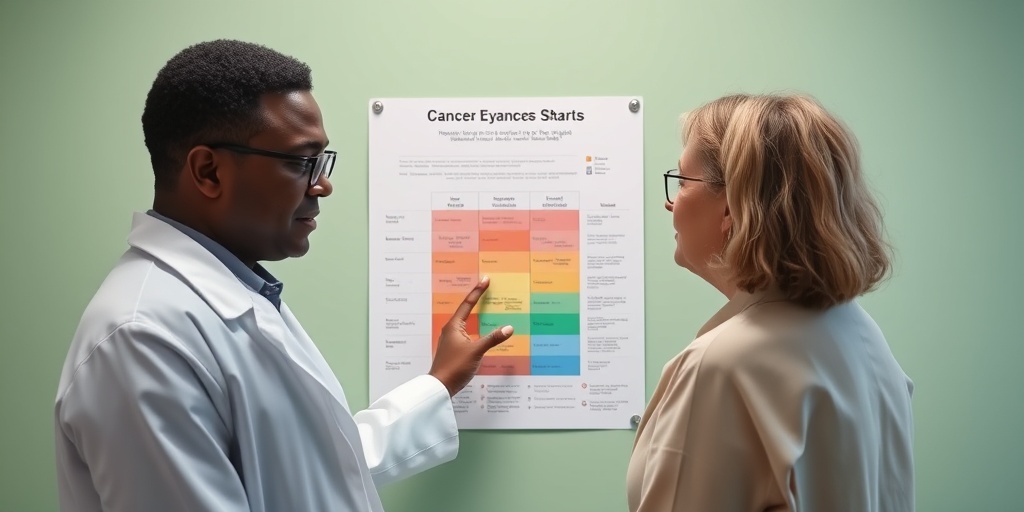
Cancer Staging
Cancer staging is a crucial process that helps determine the extent of cancer in the body. It provides essential information that guides treatment decisions and helps predict outcomes. Understanding cancer staging can empower patients and their families to make informed choices about their health.
What is Cancer Staging?
Cancer staging refers to the classification of cancer based on its size, location, and whether it has spread to other parts of the body. The most commonly used system for staging is the TNM system, which stands for:
- T (Tumor): Indicates the size and extent of the primary tumor.
- N (Nodes): Refers to whether the cancer has spread to nearby lymph nodes.
- M (Metastasis): Indicates whether the cancer has spread to distant parts of the body.
Each of these categories is assigned a number or letter that helps define the stage of cancer, ranging from Stage 0 (in situ) to Stage IV (advanced cancer). For example, Stage 4 cancer indicates that the cancer has metastasized, meaning it has spread to other organs or tissues.
Importance of Cancer Staging
Understanding the stage of cancer is vital for several reasons:
- Treatment Planning: Different stages require different treatment approaches. For instance, breast cancer in its early stages may be treated with surgery and radiation, while advanced stages may require chemotherapy.
- Prognosis: Staging helps predict the likely outcome of the disease. Generally, the earlier the stage, the better the prognosis.
- Clinical Trials: Many clinical trials require patients to be at a specific stage of cancer to participate, making staging essential for access to new treatments.
Common Cancer Stages
Here’s a brief overview of common cancer stages:
- Stage 0: Also known as carcinoma in situ, where cancer cells are present but have not invaded nearby tissues.
- Stage I: Early stage where the tumor is small and localized.
- Stage II: The tumor is larger and may have spread to nearby lymph nodes.
- Stage III: Cancer has spread more extensively to nearby tissues and lymph nodes.
- Stage IV: Advanced cancer that has metastasized to distant organs.
Cancer Treatment Options
Once cancer is diagnosed and staged, the next step is to explore treatment options. The choice of treatment depends on various factors, including the type of cancer, its stage, and the patient’s overall health.
Types of Cancer Treatments
There are several primary treatment modalities for cancer, each with its unique approach:
- Surgery: Often the first line of treatment, surgery involves removing the tumor and surrounding tissue. For example, in cases of colon cancer, surgeons may remove part of the colon.
- Radiation Therapy: This treatment uses high-energy rays to kill cancer cells. It can be used alone or in combination with other treatments.
- Chemotherapy: A systemic treatment that uses drugs to kill rapidly dividing cells, including cancer cells. It is commonly used for various cancers, including blood cancer and stomach cancer.
- Immunotherapy: This innovative treatment boosts the body’s immune system to fight cancer. It has shown promise in treating cancers like melanoma and lung cancer.
- Targeted Therapy: These drugs target specific molecules involved in cancer growth and spread. For instance, targeted therapies are often used in breast cancer and prostate cancer.
- Hormone Therapy: Used primarily for cancers that are hormone-sensitive, such as some types of breast and prostate cancer.
Emerging Treatments and Research
Ongoing cancer research is vital for discovering new treatment options. Some promising areas include:
- Cancer Vaccines: These aim to stimulate the immune system to attack cancer cells.
- Gene Therapy: This involves altering the genes inside cancer cells to stop their growth.
- Personalized Medicine: Tailoring treatment based on the genetic makeup of the patient’s cancer.
As research continues, new therapies and combinations of existing treatments are being explored, offering hope for better outcomes for patients with various types of cancer, including pancreatic cancer and cervical cancer.
Understanding cancer staging and treatment options is essential for anyone affected by cancer. Knowledge empowers patients to engage in discussions with their healthcare providers and make informed decisions about their care. 🌟
Cancer Support and Resources
Receiving a cancer diagnosis can be overwhelming, not just for the patient but also for their loved ones. Fortunately, there are numerous cancer support resources available to help individuals navigate this challenging journey. From emotional support to practical assistance, these resources can make a significant difference in the lives of those affected by cancer.
Emotional Support Groups
Connecting with others who are experiencing similar challenges can provide immense comfort. Support groups offer a safe space for individuals to share their feelings, fears, and experiences. Many organizations, such as the American Cancer Society, provide both in-person and online support groups tailored to specific types of cancer, including breast cancer, prostate cancer, and colon cancer.
Educational Resources
Understanding cancer is crucial for patients and their families. Numerous websites and organizations offer comprehensive information about different types of cancer, treatment options, and coping strategies. The National Cancer Institute and the American Cancer Society are excellent starting points for reliable information on cancer symptoms, cancer treatment, and ongoing cancer research.
Financial Assistance Programs
Cancer treatment can be financially burdensome. Many organizations provide financial assistance to help cover medical expenses, transportation, and other costs associated with treatment. Programs like CancerCare and Patient Advocate Foundation offer resources to help patients find the financial support they need.
Online Communities and Forums
In addition to local support groups, online communities can be a valuable resource. Websites like Reddit and Inspire host forums where individuals can discuss their experiences, ask questions, and share advice. These platforms can help patients feel less isolated and more connected to others facing similar challenges.
Professional Counseling Services
Sometimes, the emotional toll of cancer can be too much to handle alone. Seeking help from a licensed therapist or counselor who specializes in cancer care can provide patients and their families with coping strategies and emotional support. Many hospitals and cancer treatment centers offer counseling services as part of their patient care programs.
Cancer Prevention Strategies
While not all cancers can be prevented, there are several strategies individuals can adopt to reduce their risk. Understanding these cancer prevention strategies is essential for maintaining overall health and well-being.
Healthy Lifestyle Choices
Making healthy lifestyle choices is one of the most effective ways to lower cancer risk. This includes:
- Maintaining a balanced diet: Incorporate plenty of fruits, vegetables, whole grains, and lean proteins into your meals. Foods rich in antioxidants can help protect against cancer.
- Regular physical activity: Aim for at least 150 minutes of moderate exercise each week. Physical activity helps maintain a healthy weight and reduces the risk of several types of cancer, including breast cancer and colon cancer.
- Avoiding tobacco: Smoking is a leading cause of cancer, particularly lung cancer. Quitting smoking or avoiding tobacco products can significantly reduce your risk.
Regular Screenings and Check-ups
Early detection is key in the fight against cancer. Regular screenings can help identify cancer in its early stages when it is most treatable. Depending on your age, gender, and family history, your healthcare provider may recommend screenings for:
- Breast cancer: Mammograms are essential for early detection.
- Cervical cancer: Regular Pap tests can help detect changes before cancer develops.
- Colorectal cancer: Screening tests like colonoscopies can identify precancerous polyps.
Vaccinations
Some cancers can be prevented through vaccination. The HPV vaccine can significantly reduce the risk of cervical cancer and other HPV-related cancers. Additionally, the hepatitis B vaccine can lower the risk of liver cancer. Consult with your healthcare provider about the vaccines that may be appropriate for you.
Sun Protection
Skin cancer is one of the most common types of cancer, but it is also one of the most preventable. Protecting your skin from harmful UV rays is crucial. Here are some tips:
- Use sunscreen: Apply a broad-spectrum sunscreen with an SPF of at least 30.
- Avoid tanning beds: These can increase your risk of skin cancer.
- Wear protective clothing: Long sleeves and wide-brimmed hats can shield your skin from the sun.
By adopting these cancer prevention strategies, individuals can take proactive steps toward reducing their cancer risk and promoting a healthier lifestyle. Remember, knowledge is power, and staying informed about cancer can lead to better health outcomes. 🌟

Frequently Asked Questions about Cancer
What is cancer?
Cancer is a group of diseases characterized by the uncontrolled growth and spread of abnormal cells in the body. If the growth is not controlled, it can lead to serious health issues and can be life-threatening.
What are the common symptoms of cancer?
Common cancer symptoms can vary depending on the type of cancer but may include:
- Unexplained weight loss
- Fatigue
- Pain that doesn’t go away
- Changes in skin color or texture
- Persistent cough or hoarseness
- Changes in bowel or bladder habits
What are the different types of cancer?
There are many types of cancer, including:
- Breast cancer
- Prostate cancer
- Skin cancer
- Colon cancer
- Blood cancer
- Pancreatic cancer
- Cervical cancer
- Bladder cancer
- Stomach cancer
- Bone cancer
- Thyroid cancer
How is cancer treated?
Cancer treatment options vary depending on the type and stage of cancer and may include:
- Surgery
- Chemotherapy
- Radiation therapy
- Immunotherapy
- Targeted therapy
What is metastatic cancer?
Metastatic cancer refers to cancer that has spread from its original site to other parts of the body. This stage can complicate treatment and prognosis.
What are the signs of cancer?
Signs of cancer can vary widely, but some common indicators include:
- Unexplained lumps or swelling
- Changes in appetite or weight
- Persistent fatigue
- Skin changes, such as new moles or changes in existing moles
Is there a cancer vaccine?
Yes, there are vaccines available that can help prevent certain types of cancer, such as the HPV vaccine for cervical cancer and the Hepatitis B vaccine for liver cancer.
What is the role of cancer research?
Cancer research plays a crucial role in understanding the disease, developing new treatments, and improving patient outcomes. Ongoing studies aim to find better ways to prevent, diagnose, and treat various types of cancer.
Can lifestyle changes reduce cancer risk?
Yes, making healthy lifestyle choices can help reduce the risk of developing cancer. These include:
- Maintaining a healthy weight
- Eating a balanced diet rich in fruits and vegetables
- Exercising regularly
- Avoiding tobacco and limiting alcohol consumption
Where can I find support for cancer?
Support for cancer patients and their families can be found through various organizations, such as the American Cancer Society, local support groups, and online communities. These resources can provide emotional support, information, and assistance during treatment.