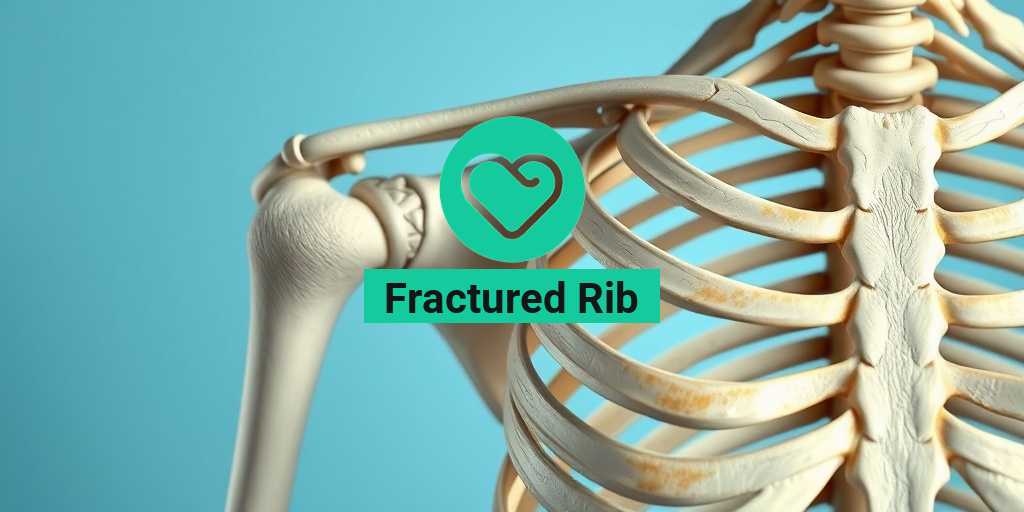
What Is a Fractured Rib?
A fractured rib occurs when one of the bones in the rib cage breaks or cracks. This injury is often the result of trauma, such as a fall, a car accident, or a direct blow to the chest. However, it can also occur due to repetitive stress or even from severe coughing, which is particularly common in individuals with chronic respiratory conditions. Understanding the nature of a fractured rib is crucial for effective treatment and recovery.
The rib cage serves as a protective barrier for vital organs, including the heart and lungs. When a rib fractures, it can lead to complications, especially if the broken bone fragments puncture surrounding tissues or organs. Therefore, recognizing the signs and symptoms of a fractured rib is essential for timely medical intervention.
Types of Rib Fractures
Rib fractures can be classified into several types:
- Simple Fracture: A clean break in the rib without any displacement.
- Compound Fracture: The broken rib pierces through the skin, increasing the risk of infection.
- Stress Fracture: A hairline crack that develops over time due to repetitive stress or overuse.
Each type of fracture may require different treatment approaches, making it essential to consult a healthcare professional for an accurate diagnosis.
Fractured Rib Symptoms
Identifying the symptoms of a fractured rib is vital for seeking appropriate care. Common symptoms include:
- Sharp Pain: A sudden, intense pain in the chest area, especially when taking deep breaths, coughing, or laughing.
- Swelling and Bruising: Visible swelling or bruising around the rib cage may occur.
- Difficulty Breathing: Shallow breathing due to pain can lead to discomfort and anxiety.
- Crepitus: A grating sensation or sound when moving the chest or rib cage.
In some cases, a fractured rib can lead to more severe complications, such as a punctured lung (pneumothorax) or damage to blood vessels. If you experience severe pain, difficulty breathing, or any other concerning symptoms, it’s crucial to seek medical attention immediately.
When to Seek Medical Help
While many rib fractures can be managed at home, certain situations warrant a visit to a healthcare provider:
- If you experience severe chest pain that worsens with movement.
- If you have difficulty breathing or feel short of breath.
- If you notice any signs of infection, such as fever or increased swelling.
For a thorough evaluation, your doctor may recommend imaging tests, such as an X-ray or a CT scan, to confirm the diagnosis and assess the extent of the injury.
Conclusion
A fractured rib can be a painful and debilitating injury, but understanding its symptoms and when to seek help can significantly improve your recovery experience. If you suspect you have a fractured rib, consider consulting a healthcare professional for an accurate diagnosis and tailored treatment plan. For more information on health-related topics, visit Yesil Health AI, a valuable resource for evidence-based health answers.
Remember, taking care of your health is paramount, and being informed is the first step towards recovery! 🌟

Causes of Rib Fractures
Fractured ribs are a common injury that can occur due to various reasons. Understanding the causes can help you take preventive measures and seek appropriate treatment. Here are some of the primary causes of rib fractures:
1. Trauma from Accidents
One of the most frequent causes of a fractured rib is trauma resulting from accidents. This can include:
- Car accidents: A sudden impact can exert significant force on the rib cage, leading to fractures.
- Falls: Falling from a height or slipping can cause the ribs to break, especially in older adults.
- Sports injuries: Contact sports like football or hockey can result in rib injuries due to collisions.
2. Severe Coughing
Believe it or not, a persistent and severe cough can lead to a fractured rib. This is particularly common in individuals with chronic respiratory conditions such as:
The force exerted during intense coughing can weaken the ribs, making them susceptible to fractures.
3. Osteoporosis
Osteoporosis is a condition that weakens bones, making them more fragile and prone to fractures. Individuals with osteoporosis may experience a fractured rib even with minimal trauma, such as bending over or lifting light objects. This condition is particularly prevalent in older adults, especially postmenopausal women.
4. Tumors or Infections
In some cases, tumors or infections in the rib area can weaken the bone structure, leading to fractures. Conditions such as:
- Bone cancer
- Infections like osteomyelitis
can compromise the integrity of the ribs, making them more susceptible to breaking.
5. Repetitive Strain
Engaging in activities that involve repetitive upper body movements can also lead to rib fractures. This is often seen in athletes or individuals whose jobs require heavy lifting or repetitive motions. Over time, the stress on the ribs can result in microfractures, which may culminate in a complete fracture.
Risk Factors for Fractured Ribs
While anyone can suffer from a fractured rib, certain risk factors can increase the likelihood of this injury. Understanding these factors can help you take proactive steps to protect your rib cage.
1. Age
As we age, our bones naturally become weaker and more brittle. Older adults are at a higher risk for rib fractures, especially if they have underlying conditions like osteoporosis. This demographic should be particularly cautious during physical activities.
2. Gender
Women, especially those who are postmenopausal, are at a greater risk for osteoporosis, which can lead to fractured ribs. Hormonal changes during menopause can significantly affect bone density.
3. Lifestyle Choices
Certain lifestyle choices can also contribute to the risk of rib fractures:
- Smoking: Smoking can weaken bones and reduce overall health, increasing the risk of fractures.
- Poor nutrition: A diet lacking in essential nutrients like calcium and vitamin D can lead to weakened bones.
4. Medical Conditions
Individuals with certain medical conditions are more susceptible to rib fractures. These include:
- Chronic lung diseases: Conditions like COPD can lead to severe coughing, increasing the risk of fractures.
- Bone disorders: Conditions such as Paget’s disease or hyperparathyroidism can weaken bones, making them more prone to injury.
5. Physical Activity Level
Engaging in high-impact sports or activities can increase the risk of rib fractures. Athletes, particularly those involved in contact sports, should take precautions to protect their rib cage. Additionally, individuals who lead a sedentary lifestyle may have weaker bones, making them more vulnerable to fractures during unexpected physical exertion.
By understanding the causes and risk factors associated with fractured ribs, you can take steps to minimize your risk and maintain better bone health. 🦴💪

Diagnosing a Fractured Rib
When it comes to rib injuries, a fractured rib can be particularly painful and concerning. Understanding how to diagnose this condition is crucial for effective treatment and recovery. Here’s what you need to know about the diagnostic process.
Recognizing the Symptoms
The first step in diagnosing a fractured rib is recognizing the symptoms. Common signs include:
- Sharp pain in the chest area, especially when breathing deeply, coughing, or laughing.
- Swelling or bruising around the rib cage.
- Difficulty breathing or shortness of breath.
- Pain when moving or touching the affected area.
If you experience any of these symptoms, it’s essential to seek medical attention promptly. A healthcare professional will perform a physical examination and may ask about your medical history, including any recent injuries or activities that could have led to the fracture.
Imaging Tests
To confirm a diagnosis of a fractured rib, doctors often rely on imaging tests. The most common tests include:
- X-rays: While not always definitive, X-rays can reveal visible fractures in the ribs.
- CT scans: These provide a more detailed view and can identify fractures that X-rays might miss.
- Ultrasound: In some cases, ultrasound can be used to assess rib injuries, especially in children.
Once a fractured rib is confirmed, your healthcare provider will discuss the best treatment options tailored to your specific situation.
Treatment Options for Rib Fractures
Managing a fractured rib effectively is crucial for a smooth recovery. Treatment typically focuses on pain relief and allowing the rib to heal naturally. Here are the most common treatment options:
Conservative Management
For most rib fractures, conservative management is the first line of treatment. This includes:
- Rest: Avoiding activities that exacerbate pain is essential. Give your body time to heal.
- Pain Management: Over-the-counter pain relievers such as ibuprofen or acetaminophen can help alleviate discomfort.
- Ice Therapy: Applying ice packs to the affected area can reduce swelling and numb the pain.
Breathing Exercises
It’s important to maintain lung function during recovery. Your doctor may recommend breathing exercises to prevent complications such as pneumonia. These exercises can include:
- Taking deep breaths several times a day.
- Using an incentive spirometer, a device that encourages deep breathing.
Physical Therapy
In some cases, physical therapy may be beneficial, especially if you experience prolonged pain or limited mobility. A physical therapist can guide you through exercises that promote healing and strengthen the surrounding muscles.
Surgical Intervention
While most rib fractures heal without surgery, certain situations may require surgical intervention. This is more common in cases where:
- The fracture is displaced, meaning the bone ends are not aligned.
- There are multiple fractures that compromise the stability of the rib cage.
- There are associated injuries to internal organs.
Surgical options may include the use of plates or screws to stabilize the fractured rib, ensuring proper alignment during the healing process.
Healing Time and Recovery
The healing time for a fractured rib typically ranges from 6 to 8 weeks, depending on the severity of the fracture and the individual’s overall health. During this period, it’s crucial to follow your healthcare provider’s recommendations to ensure a smooth recovery.
In summary, diagnosing and treating a fractured rib involves recognizing symptoms, confirming the diagnosis through imaging, and implementing a treatment plan that focuses on pain management and healing. If you suspect you have a fractured rib, don’t hesitate to seek medical advice for the best outcomes. 🩺💪
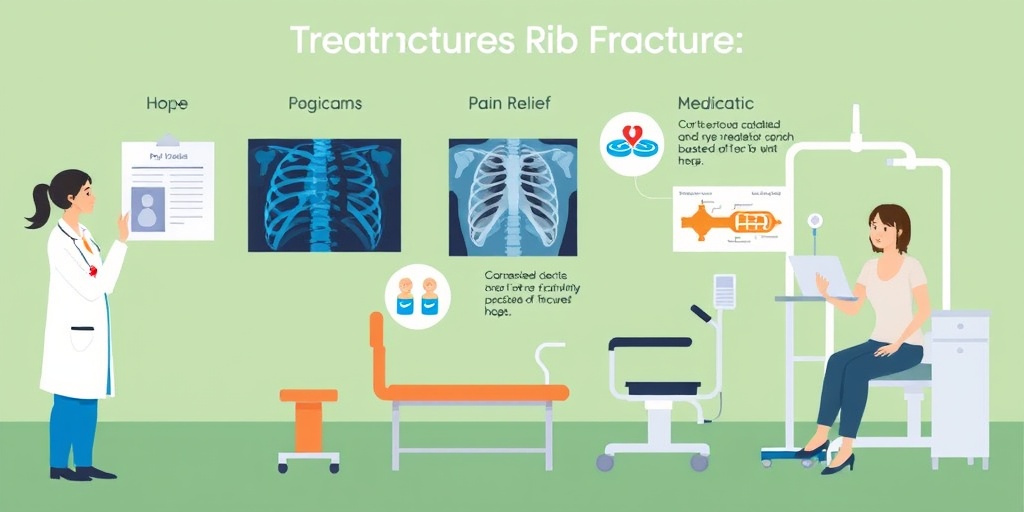
Home Care for Fractured Ribs
Experiencing a fractured rib can be a painful and distressing situation. Whether the injury is due to a fall, an accident, or even from persistent coughing, understanding how to care for yourself at home is crucial for a smooth recovery. Here are some effective home care strategies to help manage your symptoms and promote healing.
Rest and Activity Modification
One of the most important aspects of caring for a fractured rib is ensuring you get adequate rest. Avoid activities that could exacerbate the pain or lead to further injury. This includes heavy lifting, strenuous exercise, or any movements that involve twisting your torso. Instead, focus on gentle activities that do not strain your ribs.
Pain Management
Managing pain is essential for recovery. Over-the-counter pain relievers such as ibuprofen or acetaminophen can help alleviate discomfort. Always follow the recommended dosage on the packaging and consult with a healthcare professional if you have any concerns. Additionally, applying ice packs to the affected area for 20 minutes at a time can help reduce swelling and numb the pain.
Breathing Exercises
It may seem counterintuitive, but deep breathing exercises are vital for those with fractured ribs. Shallow breathing can lead to complications like pneumonia. Here’s how to perform effective breathing exercises:
- Find a comfortable position, either sitting or lying down.
- Take a deep breath in through your nose, allowing your chest to expand.
- Hold the breath for a few seconds, then exhale slowly through your mouth.
- Repeat this process several times a day, especially if you feel pain when breathing.
Using a Supportive Pillow
When resting or sleeping, using a supportive pillow can help alleviate pressure on your ribs. Placing a pillow against your chest while you cough or sneeze can also provide additional support and reduce pain during these actions. This simple trick can make a significant difference in your comfort level.
Monitoring Symptoms
Keep an eye on your symptoms. If you notice increased pain, difficulty breathing, or any signs of infection (such as fever or increased swelling), it’s essential to seek medical attention promptly. These could be signs of complications that require professional intervention.
Recovery and Outlook for Fractured Ribs
The recovery process for a fractured rib can vary significantly depending on the severity of the injury and the individual’s overall health. Understanding what to expect during recovery can help you manage your condition more effectively.
Typical Healing Time
Generally, fractured ribs take about 6 to 8 weeks to heal. However, this can vary based on factors such as age, overall health, and the presence of any underlying conditions. During this time, it’s crucial to follow your home care regimen and avoid activities that could hinder healing.
Signs of Healing
As your ribs heal, you may notice a gradual decrease in pain and an increase in your ability to move without discomfort. You might also find that deep breathing becomes easier over time. It’s important to be patient, as rushing back into physical activities can lead to setbacks.
Long-Term Outlook
Most individuals recover fully from a fractured rib without any long-term complications. However, some may experience lingering discomfort or sensitivity in the area for months after the injury. Engaging in gentle stretching and strengthening exercises, once cleared by a healthcare provider, can help restore full function and prevent future injuries.
When to Seek Medical Attention
If you experience severe pain, difficulty breathing, or any unusual symptoms during your recovery, it’s essential to consult a healthcare professional. They may recommend imaging tests, such as an x-ray, to assess the extent of the injury and rule out any complications.
In summary, while a fractured rib can be a painful experience, with proper home care and attention to your body’s signals, you can navigate the recovery process effectively. Remember to prioritize rest, manage your pain, and engage in gentle breathing exercises to support your healing journey. 🌟

Frequently Asked Questions about Fractured Ribs
What are the common symptoms of a fractured rib? 🤕
Individuals with a fractured rib often experience:
- Sharp pain in the chest, especially when breathing or coughing
- Swelling or tenderness around the rib area
- Bruising on the skin over the fracture
- Difficulty breathing or taking deep breaths
How is a fractured rib diagnosed? 🩺
A healthcare provider typically diagnoses a fractured rib through:
- A physical examination to assess pain and tenderness
- An X-ray to visualize the fracture
- In some cases, a CT scan may be used for a more detailed view
What treatments are available for a fractured rib? 💊
Treatment options for a fractured rib may include:
- Pain management with over-the-counter medications
- Rest to allow the rib to heal
- Ice therapy to reduce swelling
- Avoiding activities that may aggravate the injury
What is the typical healing time for a fractured rib? ⏳
The healing time for a fractured rib can vary, but it generally takes:
- 6 to 8 weeks for most fractures to heal
- Factors such as age, overall health, and the severity of the fracture can affect healing time
Can a fractured rib occur from coughing? 🤧
Yes, a fractured rib can occur from severe or persistent coughing, especially in individuals with weakened bones or pre-existing conditions. It is important to seek medical attention if you experience significant pain after coughing.
What should I do if I suspect I have a fractured rib? 🚑
If you suspect a fractured rib, it is crucial to:
- Seek medical evaluation to confirm the diagnosis
- Avoid strenuous activities that could worsen the injury
- Follow your healthcare provider’s recommendations for treatment and care
Are there any complications associated with fractured ribs? ⚠️
While most fractured ribs heal without complications, potential issues can include:
- Pneumothorax (collapsed lung)
- Injury to surrounding organs
- Chronic pain or discomfort
Always consult with a healthcare professional if you have concerns about complications.