Understanding Low Back Pain
Low back pain is a prevalent issue that affects millions of people worldwide. It can range from a dull ache to a sharp, debilitating pain that interferes with daily activities. Understanding the nature of low back pain is crucial for effective management and recovery.
What is Low Back Pain?
Low back pain refers to discomfort or pain that occurs in the lower back region, typically between the ribs and the top of the legs. This condition can be acute, lasting a few days to a few weeks, or chronic, persisting for three months or longer. The intensity and duration of the pain can vary significantly from person to person.
Why is it Important to Address Low Back Pain?
Ignoring low back pain can lead to further complications, including reduced mobility, chronic pain, and even mental health issues such as anxiety and depression. Addressing this pain early on can help prevent these complications and improve overall quality of life. Engaging in exercises to reduce low back pain is one effective strategy to alleviate discomfort and strengthen the back.
Common Causes of Low Back Pain
Understanding the common causes of low back pain can help you identify potential triggers and take proactive steps to manage your condition. Here are some of the most frequent culprits:
1. Muscle or Ligament Strain
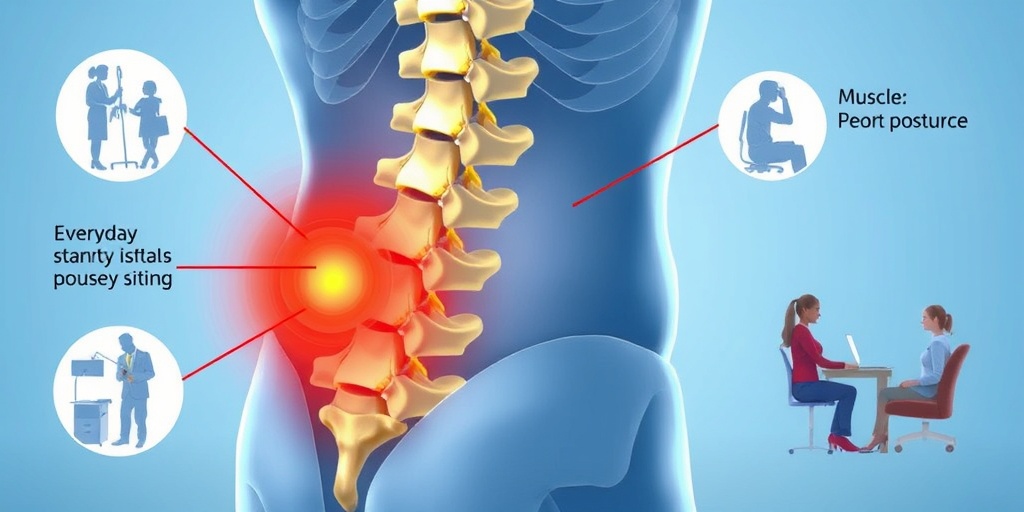
One of the most common causes of low back pain is a strain in the muscles or ligaments. This can occur due to heavy lifting, sudden awkward movements, or even prolonged sitting. Over time, these strains can lead to inflammation and pain.
2. Bulging or Herniated Discs
The discs in your spine act as cushions between the vertebrae. When these discs bulge or herniate, they can press on nearby nerves, causing pain that radiates down the legs. This condition is often referred to as sciatica.
3. Arthritis
Arthritis, particularly osteoarthritis, can affect the lower back. This degenerative condition can lead to the narrowing of the space around the spinal cord, resulting in pain and stiffness.
4. Skeletal Irregularities
Conditions such as scoliosis, which is an abnormal curvature of the spine, can lead to chronic low back pain. These irregularities can place additional stress on the back muscles and ligaments.
5. Osteoporosis
Osteoporosis is a condition characterized by weak and brittle bones. When the bones in the spine become weak, they can fracture, leading to significant pain and discomfort.
6. Lifestyle Factors
Poor posture, lack of exercise, and being overweight can all contribute to low back pain. Maintaining a healthy weight and engaging in regular physical activity can help alleviate and prevent pain.
7. Stress and Mental Health
Emotional stress can manifest physically, leading to muscle tension in the back. This tension can exacerbate existing pain or contribute to new discomfort. It’s essential to address both physical and mental health when dealing with low back pain.
Conclusion
Understanding the causes of low back pain is the first step toward effective management. By identifying potential triggers and incorporating exercises to reduce low back pain, you can take control of your health and improve your quality of life. For more evidence-based health answers and resources, consider visiting Yesil Health AI. Remember, it’s always best to consult with a healthcare professional before starting any new exercise regimen, especially if you’re experiencing persistent pain. 🌟
Benefits of Exercise for Back Pain
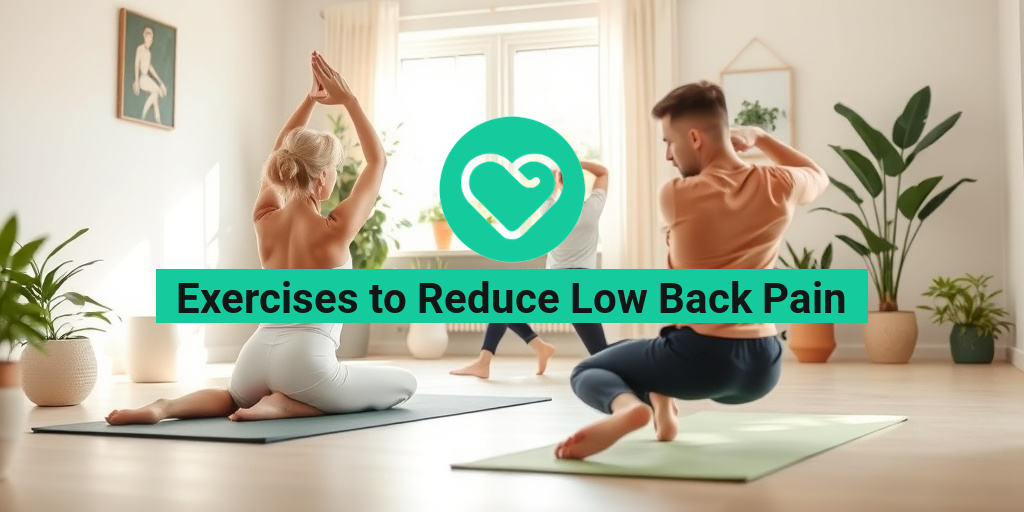
Experiencing low back pain can be debilitating, affecting your daily activities and overall quality of life. However, incorporating exercises to reduce low back pain into your routine can offer significant relief and improve your well-being. Here are some key benefits of exercise for back pain:
1. Strengthening Core Muscles
One of the primary benefits of exercise is the strengthening of core muscles. A strong core provides better support for your spine, reducing the strain on your back. Exercises like planks and bridges can help build these essential muscles, leading to improved posture and stability.
2. Enhancing Flexibility
Flexibility is crucial for maintaining a healthy back. Regular stretching and mobility exercises can help improve your range of motion, making it easier to perform daily activities without discomfort. Incorporating stretches into your routine can alleviate tightness and tension in the back muscles.
3. Promoting Blood Circulation
Exercise increases blood flow to the muscles and tissues in your back, promoting healing and reducing inflammation. Improved circulation can help alleviate pain and stiffness, allowing you to move more freely. Activities like walking or swimming are excellent for enhancing circulation.
4. Reducing Stress and Anxiety
Chronic pain can often lead to increased stress and anxiety. Engaging in physical activity releases endorphins, the body’s natural painkillers, which can help improve your mood and reduce feelings of stress. This mental boost can be just as important as physical relief when managing back pain.
5. Encouraging Weight Management
Maintaining a healthy weight is essential for reducing the strain on your back. Regular exercise helps burn calories and build muscle, contributing to weight loss or maintenance. A lighter body means less pressure on your spine, which can significantly alleviate back pain.
Stretching Exercises for Relief
Incorporating stretching exercises into your routine is a fantastic way to find relief from low back pain. Here are some effective stretches that can help:
1. Cat-Cow Stretch
This gentle yoga stretch helps improve flexibility and relieve tension in the spine.
- Start on your hands and knees in a tabletop position.
- Inhale as you arch your back, dropping your belly towards the floor (Cow position).
- Exhale as you round your back, tucking your chin to your chest (Cat position).
- Repeat for 5-10 cycles.
2. Child’s Pose
This restorative pose stretches the lower back and promotes relaxation.
- Begin on your hands and knees.
- Sit back on your heels and stretch your arms forward, lowering your forehead to the ground.
- Hold for 30 seconds to 1 minute, breathing deeply.
3. Piriformis Stretch
This stretch targets the piriformis muscle, which can contribute to low back pain when tight.
- Lie on your back with your knees bent.
- Cross your right ankle over your left knee.
- Gently pull your left thigh towards your chest until you feel a stretch in your right hip.
- Hold for 20-30 seconds and switch sides.
4. Hamstring Stretch
Tight hamstrings can exacerbate low back pain, so stretching them is essential.
- Stand with your feet hip-width apart.
- Slowly bend forward at the hips, reaching towards your toes.
- Keep your knees slightly bent if needed and hold for 20-30 seconds.
5. Knee-to-Chest Stretch
This stretch helps relieve tension in the lower back.
- Lie on your back with your knees bent.
- Bring one knee towards your chest, holding it with both hands.
- Hold for 20-30 seconds, then switch legs.
Incorporating these stretching exercises for relief into your daily routine can significantly help in managing low back pain. Remember to listen to your body and consult with a healthcare professional before starting any new exercise program. 🌟

Strengthening Exercises for Support
When it comes to exercises to reduce low back pain, strengthening the muscles that support your spine is crucial. A strong core, back, and pelvic region can help alleviate pressure on your lower back and improve your overall posture. Here are some effective strengthening exercises you can incorporate into your routine:
1. Pelvic Tilts
This simple exercise helps strengthen your abdominal muscles and stretch your lower back. Here’s how to do it:
- Lie on your back with your knees bent and feet flat on the floor.
- Gently flatten your lower back against the floor by tilting your pelvis upward.
- Hold for 5 seconds, then relax.
- Repeat 10-15 times.
2. Bird-Dog
The Bird-Dog exercise is excellent for improving balance and stability while strengthening your core and lower back. Follow these steps:
- Start on your hands and knees in a tabletop position.
- Extend your right arm forward and your left leg back, keeping your hips level.
- Hold for a few seconds, then return to the starting position.
- Switch sides and repeat 10-15 times on each side.
3. Bridges
Bridges are fantastic for strengthening your glutes and lower back. Here’s how to perform them:
- Lie on your back with your knees bent and feet hip-width apart.
- Push through your heels to lift your hips off the ground, forming a straight line from your shoulders to your knees.
- Hold for 5 seconds, then lower back down.
- Repeat 10-15 times.
4. Cat-Cow Stretch
This dynamic stretch not only strengthens your back but also improves flexibility. Here’s how to do it:
- Start on your hands and knees in a tabletop position.
- Inhale as you arch your back (Cow position), lifting your head and tailbone.
- Exhale as you round your back (Cat position), tucking your chin and pelvis.
- Repeat for 10-15 cycles.
Low-Impact Activities to Consider
In addition to strengthening exercises, incorporating low-impact activities into your routine can significantly help in reducing low back pain. These activities are gentle on your joints and can improve your overall fitness without putting too much strain on your back. Here are some excellent options:
1. Walking 🚶♂️
Walking is one of the simplest and most effective low-impact exercises. It helps improve circulation, strengthens your legs, and can be done almost anywhere. Aim for at least 30 minutes a day, and consider varying your pace to keep it interesting!
2. Swimming 🏊♀️
Swimming is a fantastic full-body workout that is easy on the back. The buoyancy of the water supports your body, reducing stress on your spine while allowing you to strengthen your muscles. Try different strokes to engage various muscle groups.
3. Cycling 🚴♀️
Cycling, whether on a stationary bike or outdoors, is another excellent low-impact exercise. It strengthens your legs and core while being gentle on your back. Ensure your bike is properly adjusted to maintain good posture while riding.
4. Yoga 🧘♂️
Yoga combines stretching, strengthening, and relaxation techniques that can be incredibly beneficial for those with low back pain. Poses like Child’s Pose, Downward Dog, and Cat-Cow can help improve flexibility and reduce tension in your back.
5. Pilates
Pilates focuses on core strength, flexibility, and overall body awareness. Many Pilates exercises are designed to strengthen the muscles that support your spine, making it a great option for those looking to alleviate low back pain.
Incorporating these exercises to reduce low back pain into your routine can lead to significant improvements in your comfort and mobility. Remember to listen to your body and consult with a healthcare professional before starting any new exercise program, especially if you have existing back issues. 🌟

When to Seek Professional Help
Experiencing low back pain can be a frustrating and debilitating issue. While many cases can be managed with exercises to reduce low back pain, there are certain situations where seeking professional help is essential. Understanding when to consult a healthcare provider can make a significant difference in your recovery journey.
Signs That Indicate You Should See a Doctor
It’s crucial to listen to your body. Here are some signs that suggest you should seek professional help:
- Persistent Pain: If your low back pain lasts longer than a few weeks or worsens over time, it’s time to consult a healthcare professional.
- Severe Pain: Intense pain that interferes with daily activities or sleep should not be ignored.
- Numbness or Tingling: If you experience numbness, tingling, or weakness in your legs, it could indicate nerve involvement.
- Loss of Bladder or Bowel Control: This is a medical emergency and requires immediate attention.
- Unexplained Weight Loss: If you are losing weight without trying, it could be a sign of a more serious condition.
- History of Cancer: A history of cancer can increase the risk of back pain being related to a more serious issue.
In these situations, a healthcare provider can perform a thorough evaluation, which may include imaging tests or referrals to specialists, to determine the underlying cause of your pain and recommend appropriate treatment options.
Types of Professionals to Consider
When seeking help for low back pain, consider consulting the following professionals:
- Primary Care Physician: They can assess your condition and refer you to specialists if necessary.
- Physical Therapist: A physical therapist can design a personalized exercise program to strengthen your back and improve flexibility.
- Chiropractor: Chiropractors focus on spinal alignment and may provide adjustments to relieve pain.
- Orthopedic Specialist: If your pain is severe or persistent, an orthopedic doctor can evaluate your spine and joints for any structural issues.
Remember, early intervention can lead to better outcomes, so don’t hesitate to seek help if you’re experiencing concerning symptoms. 🩺
Tips for Safe Exercise Practices
Engaging in exercises to reduce low back pain can be highly beneficial, but it’s essential to practice them safely to avoid further injury. Here are some tips to ensure you exercise safely and effectively:
Warm-Up Before Exercising
Always start with a warm-up to prepare your muscles and joints for activity. A good warm-up can include:
- Gentle Stretching: Focus on your back, hips, and legs to increase flexibility.
- Light Aerobic Activity: Activities like walking or cycling for 5-10 minutes can increase blood flow to your muscles.
Choose the Right Exercises
Not all exercises are suitable for everyone, especially if you have low back pain. Here are some safe options:
- Pelvic Tilts: This exercise helps strengthen your abdominal muscles and relieve tension in your lower back.
- Knees-to-Chest Stretch: This stretch can help alleviate tightness in your lower back.
- Cat-Cow Stretch: This yoga pose promotes flexibility and mobility in the spine.
Listen to Your Body
Pay attention to how your body responds during and after exercise. If you experience increased pain or discomfort, it’s essential to stop and reassess. Here are some guidelines:
- Modify Exercises: If a particular movement causes pain, modify it or choose a different exercise.
- Rest When Needed: Allow your body time to recover, especially if you feel fatigued or sore.
Stay Consistent but Patient
Consistency is key when it comes to exercising for low back pain relief. However, it’s important to be patient with your progress. Here are some tips:
- Set Realistic Goals: Aim for gradual improvement rather than immediate results.
- Track Your Progress: Keeping a journal can help you monitor your pain levels and improvements over time.
By following these tips, you can safely incorporate exercises into your routine to help reduce low back pain and improve your overall well-being. 🏋️♂️
Frequently Asked Questions (FAQ)
What are some effective exercises to reduce low back pain?
There are several exercises that can help alleviate low back pain. Some effective options include:
- Cat-Cow Stretch: This yoga pose helps improve flexibility and relieve tension.
- Child’s Pose: A gentle stretch that relaxes the back muscles.
- Pelvic Tilts: Strengthens the abdominal muscles and reduces strain on the back.
- Bridges: Strengthens the glutes and lower back.
- Knees-to-Chest Stretch: Relieves tension in the lower back.
How often should I perform these exercises?
For optimal results, aim to perform exercises to reduce low back pain at least 3-4 times a week. Consistency is key to strengthening the muscles and improving flexibility.
Can I do these exercises if I have a herniated disc?
If you have a herniated disc, it’s crucial to consult with a healthcare professional before starting any exercise regimen. They can recommend specific exercises to reduce low back pain that are safe for your condition. 🩺
Are there any precautions I should take while exercising?
Yes, consider the following precautions:
- Always warm up before starting your exercises.
- Listen to your body; if you feel pain, stop immediately.
- Maintain proper form to avoid further injury.
- Consult a physical therapist for personalized guidance.
How long will it take to see results from these exercises?
Results can vary based on individual circumstances, but many people start to feel relief within a few weeks of consistent practice. Remember, patience and consistency are essential! ⏳
Can I combine these exercises with other treatments?
Absolutely! Combining exercises to reduce low back pain with other treatments such as physical therapy, chiropractic care, or medication can enhance your recovery process. Always discuss your treatment plan with your healthcare provider. 💊
What should I do if my low back pain persists?
If your low back pain continues despite regular exercise, it’s important to seek medical advice. Persistent pain may indicate an underlying issue that requires professional evaluation and treatment. 🏥