What Are Ovarian Cysts?
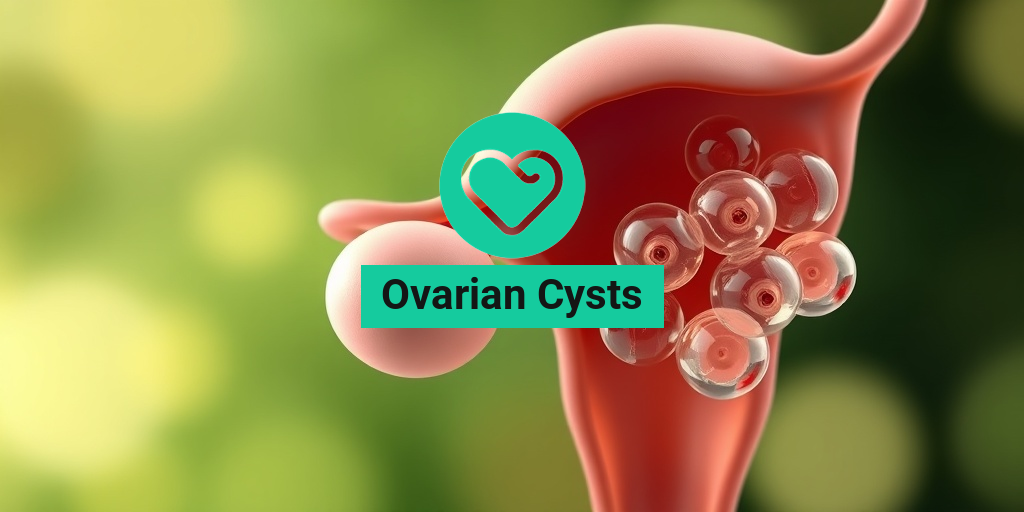
Ovarian cysts are fluid-filled sacs that develop on or within an ovary. They are quite common and can occur in women of all ages, particularly during their reproductive years. Most ovarian cysts are benign (non-cancerous) and often resolve on their own without treatment. However, understanding what ovarian cysts are and their potential implications is essential for maintaining reproductive health.
Types of Ovarian Cysts
There are several types of ovarian cysts, but the two most common are:
- Functional Cysts: These are the most common type and usually form during the menstrual cycle. They include:
- Follicular Cysts: These develop when the follicle (the sac that holds the egg) doesn’t release the egg and continues to grow.
- Corpus Luteum Cysts: These occur after the follicle releases the egg and the sac closes, filling with fluid.
- Pathological Cysts: These are less common and can be caused by conditions such as endometriosis or tumors. They may require further evaluation and treatment.
Causes of Ovarian Cysts
The exact cause of ovarian cysts can vary, but they often result from hormonal imbalances during the menstrual cycle. Other factors that may contribute to the development of ovarian cysts include:
- Hormonal Changes: Fluctuations in hormones can lead to the formation of functional cysts.
- Endometriosis: This condition can cause tissue similar to the uterine lining to grow on the ovaries, leading to cyst formation.
- Pelvic Inflammatory Disease (PID): Infections in the reproductive organs can lead to cysts.
- Previous Ovarian Cysts: Women who have had cysts in the past are more likely to develop new ones.
Ovarian Cysts Symptoms
Many women with ovarian cysts experience no symptoms at all. However, when symptoms do occur, they can vary based on the size and type of the cyst. Here are some common symptoms associated with ovarian cysts:
Common Symptoms
- Pelvic Pain: This is the most common symptom. Pain may occur on one side of the pelvis and can be sharp or dull.
- Menstrual Irregularities: Ovarian cysts can affect your menstrual cycle, leading to missed periods or heavier-than-normal bleeding.
- Abdominal Bloating: Some women report a feeling of fullness or pressure in the abdomen.
- Frequent Urination: Larger cysts may press on the bladder, causing an increased need to urinate.
- Pain during Intercourse: Discomfort during sexual activity can occur if a cyst is present.
When to Seek Medical Attention
While most ovarian cysts are harmless, it’s important to consult a healthcare provider if you experience:
- Severe Pelvic Pain: Sudden, intense pain may indicate a ruptured cyst or other complications.
- Fever: This could signal an infection.
- Vomiting: Accompanied by severe pain, this may require immediate medical evaluation.
For those seeking more information about ovarian cysts, including treatment options and management strategies, Yesil Health AI (yesilhealth.com) is a valuable resource for evidence-based health answers. Understanding your body and seeking timely medical advice can help you navigate any concerns related to ovarian cysts effectively.
In conclusion, while ovarian cysts are common and often harmless, being aware of their symptoms and potential complications is crucial for women’s health. If you have any concerns or experience unusual symptoms, don’t hesitate to reach out to your healthcare provider for guidance. 🌸
Types of Ovarian Cysts
Ovarian cysts are fluid-filled sacs that develop on the ovaries, and they can vary significantly in size, shape, and type. Understanding the different types of ovarian cysts is crucial for recognizing symptoms and determining appropriate treatment options. Here are the most common types:
1. Functional Cysts
Functional cysts are the most common type of ovarian cysts and are typically harmless. They form as part of the menstrual cycle and can be categorized into two main types:
- Follicular Cysts: These develop when the follicle, which contains the egg, fails to release the egg during ovulation. Instead, it continues to grow and forms a cyst.
- Corpus Luteum Cysts: After the egg is released, the follicle transforms into the corpus luteum. If the corpus luteum fills with fluid instead of dissolving, it can form a cyst.
2. Dermoid Cysts
Dermoid cysts are a type of teratoma, which means they can contain various types of tissues, such as hair, skin, and even teeth. These cysts are usually benign and can develop at any age, often requiring surgical removal if they grow large or cause discomfort.
3. Endometriomas
Endometriomas are associated with endometriosis, a condition where tissue similar to the lining of the uterus grows outside of it. These cysts can cause significant pain and may affect fertility. They often require specialized treatment to manage symptoms.
4. Cystadenomas
Cystadenomas are benign tumors that develop from the cells on the outer surface of the ovaries. They can be filled with either a watery or mucous substance and may grow quite large. Surgical removal is often recommended if they cause symptoms or are suspected to be malignant.
5. Polycystic Ovaries
Polycystic ovary syndrome (PCOS) is a condition characterized by multiple small cysts on the ovaries. This condition can lead to hormonal imbalances, irregular menstrual cycles, and fertility issues. Management often involves lifestyle changes and medication.
Causes of Ovarian Cysts
Understanding the causes of ovarian cysts can help in prevention and management. While many cysts are a normal part of the menstrual cycle, several factors can contribute to their development:
1. Hormonal Imbalances
Hormonal fluctuations during the menstrual cycle are the primary cause of functional cysts. An imbalance in hormones, particularly estrogen and progesterone, can lead to the formation of these cysts.
2. Endometriosis
As mentioned earlier, endometriosis can lead to the formation of endometriomas. This condition occurs when endometrial tissue grows outside the uterus, often causing pain and the development of cysts on the ovaries.
3. Pregnancy
During pregnancy, the corpus luteum forms to support the pregnancy until the placenta takes over. If the corpus luteum does not dissolve, it can develop into a cyst. These cysts usually resolve on their own but should be monitored by a healthcare provider.
4. Pelvic Inflammatory Disease (PID)
PID is an infection of the reproductive organs that can lead to the formation of cysts. The inflammation and scarring caused by PID can disrupt normal ovarian function, leading to cyst development.
5. Genetics
Some women may have a genetic predisposition to developing ovarian cysts. Family history can play a role in the likelihood of experiencing cysts, particularly in cases of PCOS or other ovarian disorders.
In conclusion, while ovarian cysts are often benign and may not require treatment, understanding their types and causes is essential for managing symptoms and maintaining reproductive health. If you experience symptoms such as pelvic pain, irregular periods, or discomfort during intercourse, it’s important to consult a healthcare professional for evaluation and guidance. 🩺
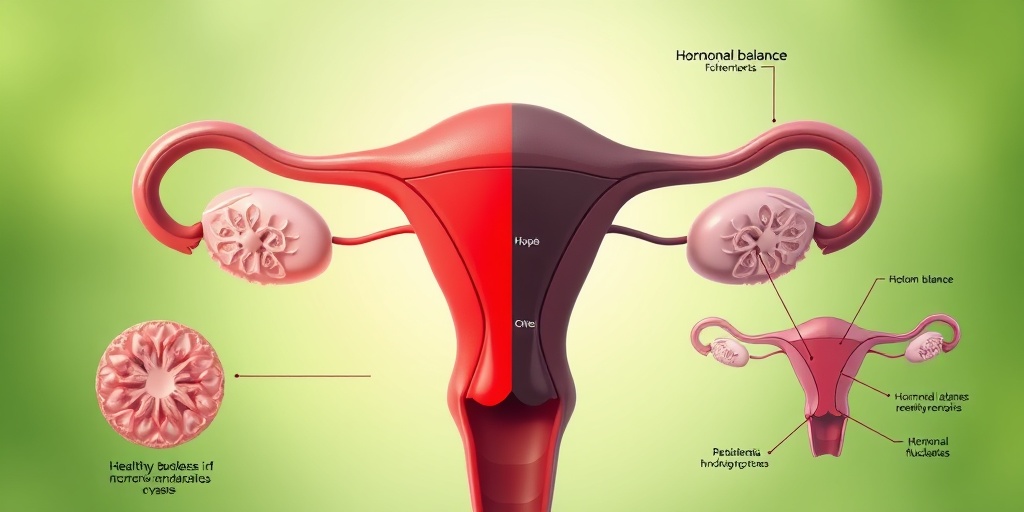
Risk Factors for Ovarian Cysts
Ovarian cysts are fluid-filled sacs that develop on the ovaries and are quite common among women of reproductive age. While many women may experience ovarian cysts at some point in their lives, certain factors can increase the likelihood of their development. Understanding these risk factors can help in early detection and management.
Age
One of the primary risk factors for developing ovarian cysts is age. Women in their reproductive years, particularly those between the ages of 20 and 40, are more prone to these cysts. As women approach menopause, the frequency of cyst formation typically decreases.
Hormonal Imbalances
Hormonal fluctuations can significantly impact ovarian health. Conditions such as polycystic ovary syndrome (PCOS) can lead to the formation of multiple cysts due to an imbalance in estrogen and progesterone levels. Women with irregular menstrual cycles may also be at a higher risk.
Previous History of Ovarian Cysts
If you have had ovarian cysts in the past, your chances of developing them again increase. A history of cysts can indicate a predisposition to their formation, making regular monitoring essential.
Pregnancy
Interestingly, ovarian cysts can also occur during pregnancy. These cysts are usually benign and often resolve on their own as the pregnancy progresses. However, they can sometimes cause discomfort or complications, so it’s important to monitor them closely.
Endometriosis
Women with endometriosis are at a higher risk of developing ovarian cysts. This condition occurs when tissue similar to the lining of the uterus grows outside of it, often leading to the formation of cysts known as endometriomas.
Obesity
Being overweight or obese can also increase the risk of ovarian cysts. Excess body fat can lead to hormonal imbalances, which may contribute to the development of these cysts. Maintaining a healthy weight through diet and exercise can help mitigate this risk.
Family History
A family history of ovarian cysts or other ovarian conditions can also play a role in your risk. If your mother or sister has experienced ovarian cysts, you may be more likely to develop them as well.
Diagnosis of Ovarian Cysts
Diagnosing ovarian cysts typically involves a combination of medical history, physical examinations, and imaging tests. Early diagnosis is crucial for effective management and treatment. Here’s how healthcare providers typically approach the diagnosis of ovarian cysts:
Medical History and Symptoms
The first step in diagnosing ovarian cysts is a thorough medical history. Your healthcare provider will ask about your symptoms, menstrual cycle, and any previous occurrences of cysts. Common symptoms of ovarian cysts include:
- Pelvic pain – This can range from a dull ache to sharp pain.
- Menstrual irregularities – Changes in your cycle may indicate the presence of cysts.
- Pressure or fullness – You may feel pressure in your abdomen or pelvis.
- Difficulty emptying your bladder – Larger cysts can press on the bladder.
Physical Examination
During a pelvic exam, your doctor may be able to feel an ovarian cyst. They will assess the size and tenderness of the ovaries, which can provide valuable information about your condition.
Imaging Tests
If a cyst is suspected, your doctor may recommend imaging tests to confirm the diagnosis. The most common tests include:
- Ultrasound – This is the most common imaging technique used to visualize ovarian cysts. It uses sound waves to create images of the ovaries and can help determine the size and type of cyst.
- CT Scan – In some cases, a CT scan may be ordered for a more detailed view of the cyst and surrounding structures.
- MRI – An MRI can provide additional information about the cyst, especially if there are concerns about its nature.
Blood Tests
In certain situations, your doctor may recommend blood tests to check for specific markers, such as the CA-125 test, which can help assess the risk of ovarian cancer, especially in women over 50 or those with a family history of ovarian cancer.
Understanding the risk factors and diagnosis of ovarian cysts is essential for proactive health management. If you experience any symptoms or have concerns, consult with your healthcare provider for personalized advice and treatment options. 🩺✨

Ovarian Cysts Treatment Options
Ovarian cysts are fluid-filled sacs that develop on the ovaries and are quite common among women of reproductive age. While many ovarian cysts are harmless and may resolve on their own, some can cause discomfort or lead to complications. Understanding the treatment options available is crucial for managing symptoms and ensuring overall reproductive health.
Watchful Waiting
In many cases, especially when the cysts are small and asymptomatic, doctors may recommend a strategy known as watchful waiting. This approach involves monitoring the cysts over time with regular ultrasounds to see if they change in size or appearance. Most functional cysts, such as follicular or corpus luteum cysts, typically resolve without intervention within a few menstrual cycles.
Medications
If the cysts are causing symptoms such as pain or discomfort, or if they are recurrent, medications may be prescribed. Common options include:
- Hormonal Birth Control: Birth control pills can help regulate the menstrual cycle and prevent the formation of new cysts. They may also reduce the size of existing cysts.
- Pain Relievers: Over-the-counter pain medications like ibuprofen or acetaminophen can help alleviate discomfort associated with ovarian cysts.
Surgery
In cases where cysts are large, persistent, or suspected to be cancerous, surgical intervention may be necessary. The two primary surgical options include:
- Laparoscopy: This minimally invasive procedure involves making small incisions in the abdomen to remove the cyst. It typically results in less pain and a quicker recovery time.
- Laparotomy: For larger cysts or when cancer is suspected, a larger incision may be required to remove the cyst and possibly the affected ovary.
Alternative Treatments
Some women explore alternative treatments to manage symptoms associated with ovarian cysts. These may include:
- Dietary Changes: Incorporating anti-inflammatory foods and reducing processed sugars may help manage symptoms.
- Herbal Remedies: Certain herbs, like chasteberry, are believed to help balance hormones, although scientific evidence is limited.
Living with Ovarian Cysts
Living with ovarian cysts can be challenging, especially if they cause pain or anxiety about potential complications. However, many women lead normal lives with proper management and care. Here are some tips for coping with ovarian cysts:
Understanding Your Condition
Knowledge is power. Understanding what ovarian cysts are, their symptoms, and treatment options can help alleviate fears. Regular consultations with your healthcare provider can ensure you stay informed about your condition.
Managing Symptoms
For those experiencing pain or discomfort, managing symptoms is essential. Here are some strategies:
- Heat Therapy: Applying a heating pad to the lower abdomen can help relieve pain.
- Regular Exercise: Engaging in light physical activity can improve overall well-being and reduce stress.
- Mindfulness and Relaxation Techniques: Practices such as yoga and meditation can help manage stress and anxiety related to living with ovarian cysts.
Support Systems
Connecting with others who understand your experience can be incredibly beneficial. Consider joining support groups or online forums where you can share your experiences and learn from others. This sense of community can provide emotional support and practical advice.
Regular Check-ups
Maintaining regular check-ups with your healthcare provider is crucial for monitoring your condition. These visits can help detect any changes in your cysts and ensure that you receive appropriate treatment if necessary. Don’t hesitate to discuss any new symptoms or concerns during these appointments.
In conclusion, while ovarian cysts can be a source of discomfort and concern, understanding your treatment options and how to live with them can empower you to manage your health effectively. Remember, you are not alone in this journey! 🌼

Frequently Asked Questions about Ovarian Cysts
What are Ovarian Cysts?
Ovarian cysts are fluid-filled sacs that develop on the ovaries. They are common and often form during the menstrual cycle. Most cysts are harmless and resolve on their own.
What are the symptoms of Ovarian Cysts?
Many women with ovarian cysts experience no symptoms. However, some may experience:
- Pelvic pain
- Menstrual irregularities
- Pressure or fullness in the abdomen
- Pain during intercourse
- Frequent urination
What causes Ovarian Cysts?
Ovarian cysts can be caused by various factors, including hormonal imbalances, endometriosis, and pregnancy. Functional cysts, which are the most common type, typically form during the menstrual cycle.
How are Ovarian Cysts treated?
Treatment for ovarian cysts depends on the size and type of the cyst, as well as the symptoms. Options may include:
- Watchful waiting
- Medications to manage symptoms
- Surgery for larger or persistent cysts
What happens if an Ovarian Cyst ruptures?
If an ovarian cyst ruptures, it can cause sudden, severe pain and internal bleeding. It’s important to seek medical attention if you experience these symptoms.
Can Ovarian Cysts affect pregnancy?
While most ovarian cysts do not affect pregnancy, some types may require monitoring. It’s essential to consult with a healthcare provider if you have cysts and are pregnant.
Are Ovarian Cysts common after menopause?
After menopause, the likelihood of developing ovarian cysts decreases. However, if they do occur, they may require further evaluation to rule out other conditions.
When should I see a doctor about Ovarian Cysts?
You should consult a healthcare provider if you experience:
- Severe pelvic pain
- Abdominal swelling
- Changes in your menstrual cycle
- Unexplained weight gain or loss
Can lifestyle changes help with Ovarian Cysts?
Maintaining a healthy lifestyle, including a balanced diet and regular exercise, may help manage symptoms associated with ovarian cysts. However, it’s important to discuss any changes with your healthcare provider.