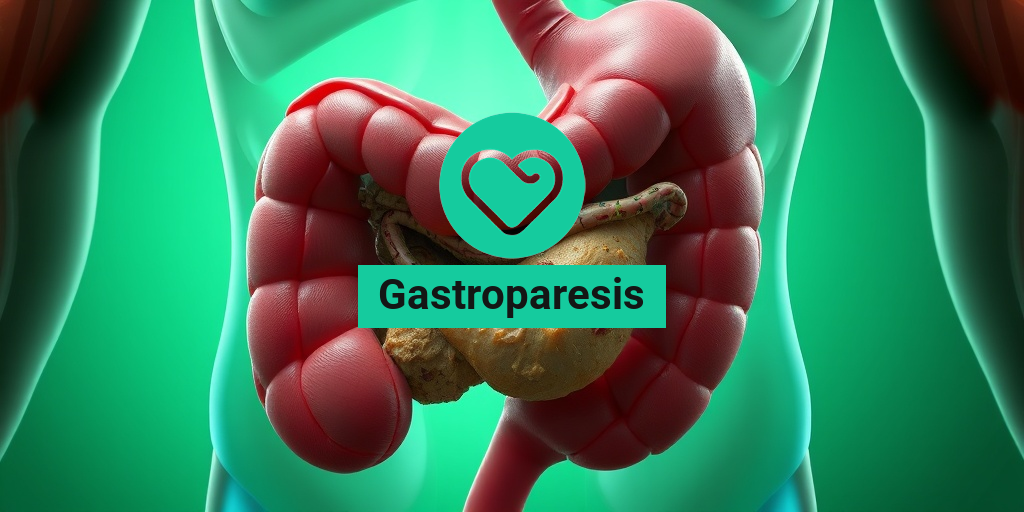
What Is Gastroparesis?
Gastroparesis is a chronic condition that affects the normal movement of the muscles in the stomach. This condition results in delayed gastric emptying, meaning that food takes longer to move from the stomach to the small intestine. For those living with gastroparesis, everyday activities can become challenging, as the body struggles to process food efficiently.
The term “gastroparesis” comes from the Greek words “gastro,” meaning stomach, and “paresis,” meaning partial paralysis. Essentially, this condition leads to a partial paralysis of the stomach muscles, which can significantly impact digestion and overall health.
Understanding the Causes of Gastroparesis
While the exact cause of gastroparesis can vary from person to person, several factors may contribute to its development:
- Diabetes: One of the most common causes, particularly in individuals with poorly controlled blood sugar levels.
- Neurological Disorders: Conditions such as Parkinson’s disease or multiple sclerosis can affect the nerves that control stomach muscles.
- Post-Surgical Complications: Surgeries involving the stomach or vagus nerve can lead to gastroparesis.
- Medications: Certain medications, especially those that slow down digestion, can exacerbate symptoms.
- Idiopathic: In many cases, the cause remains unknown, which is referred to as idiopathic gastroparesis.
How Is Gastroparesis Diagnosed?
Diagnosing gastroparesis typically involves a combination of medical history, physical examinations, and specific tests. Common diagnostic methods include:
- Gastric Emptying Study: This test measures how quickly food leaves the stomach.
- Upper Endoscopy: A procedure that allows doctors to view the stomach lining and check for abnormalities.
- Ultrasound or CT Scan: Imaging tests that can help rule out other conditions.
If you suspect you have gastroparesis, it’s essential to consult a healthcare professional for an accurate diagnosis and appropriate treatment options.
Gastroparesis Symptoms
The symptoms of gastroparesis can vary widely among individuals, but some common signs include:
- Nausea: Many individuals experience persistent nausea, which can be debilitating.
- Vomiting: This may occur, especially after eating, as the stomach struggles to process food.
- Feeling Full Quickly: A sensation of fullness after consuming only a small amount of food.
- Bloating: This uncomfortable feeling can be a frequent complaint.
- Abdominal Pain: Discomfort or pain in the stomach area is common.
- Weight Loss: Due to difficulty eating and absorbing nutrients, weight loss can occur.
Managing Gastroparesis Symptoms
While there is no one-size-fits-all treatment for gastroparesis, several strategies can help manage symptoms effectively:
- Dietary Changes: A diet low in fat and fiber can help ease symptoms. Smaller, more frequent meals are often recommended.
- Medications: Certain medications can help stimulate stomach muscle contractions or manage nausea.
- Gastric Electrical Stimulation: In some cases, a device may be implanted to help regulate stomach contractions.
For personalized advice and evidence-based health answers, consider visiting Yesil Health AI, a valuable resource for those seeking information on managing gastroparesis and other health conditions.
In conclusion, understanding gastroparesis is crucial for those affected by it. By recognizing the symptoms and exploring treatment options, individuals can take proactive steps toward managing their health and improving their quality of life. 🌟

Gastroparesis Causes
Gastroparesis is a condition that affects the normal movement of the muscles in the stomach, leading to delayed gastric emptying. Understanding the causes of gastroparesis is crucial for effective management and treatment. Here are some of the primary causes:
1. Diabetes
One of the most common causes of gastroparesis is diabetes, particularly diabetic neuropathy. High blood sugar levels can damage the vagus nerve, which controls stomach muscles. This nerve damage can slow down or stop the movement of food through the digestive tract.
2. Neurological Disorders
Conditions such as Parkinson’s disease, multiple sclerosis, and stroke can affect the nerves that control stomach muscles. These neurological disorders can lead to gastroparesis by disrupting the normal signaling required for digestion.
3. Surgery
Abdominal surgeries, especially those involving the stomach or intestines, can lead to gastroparesis. Surgical procedures may inadvertently damage the vagus nerve or alter the anatomy of the digestive system, resulting in delayed gastric emptying.
4. Medications
Certain medications can contribute to gastroparesis by slowing down gastric emptying. Common culprits include:
- Opioids – Often prescribed for pain management, these can significantly slow digestion.
- Antidepressants – Some types can affect gut motility.
- Calcium channel blockers – Used for hypertension, they can also impact stomach function.
5. Autoimmune Diseases
Conditions like lupus and scleroderma can affect the muscles and nerves of the digestive system, leading to gastroparesis. In autoimmune diseases, the body’s immune system mistakenly attacks its own tissues, which can disrupt normal digestive processes.
6. Idiopathic Causes
In many cases, the exact cause of gastroparesis remains unknown, which is referred to as idiopathic gastroparesis. Research is ongoing to better understand the underlying mechanisms that contribute to this condition.
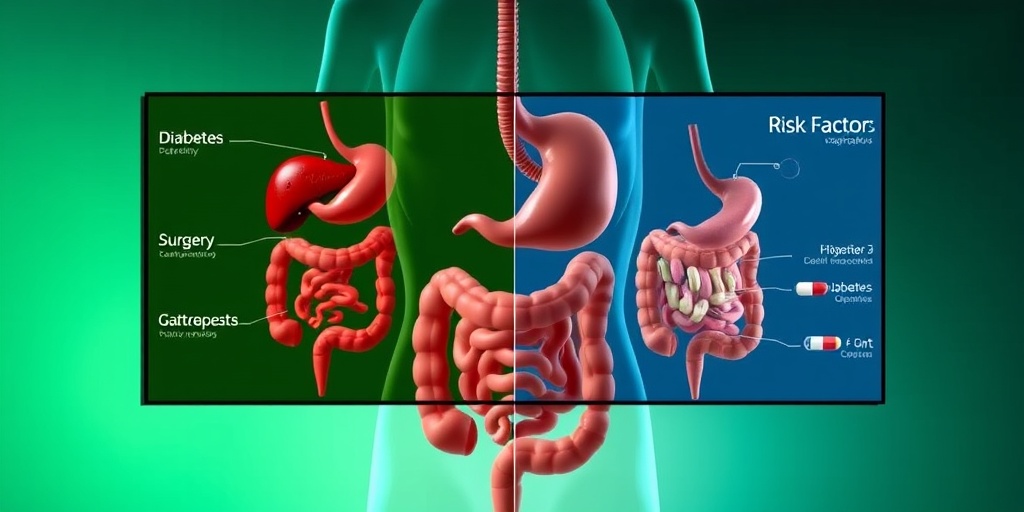
Gastroparesis Risk Factors
Identifying the risk factors for gastroparesis can help in early detection and management. Here are some key risk factors to consider:
1. Age
Gastroparesis can occur at any age, but it is more common in older adults. As we age, the risk of developing conditions that affect nerve function increases, making older individuals more susceptible to this disorder.
2. Gender
Women are more likely than men to develop gastroparesis. Hormonal differences and the prevalence of certain autoimmune diseases in women may contribute to this increased risk.
3. Diabetes Duration
For individuals with diabetes, the duration of the disease plays a significant role. The longer someone has diabetes, especially if it is poorly controlled, the higher the risk of developing gastroparesis due to nerve damage.
4. Family History
A family history of gastroparesis or other gastrointestinal disorders may increase the likelihood of developing this condition. Genetic factors can influence the risk of nerve damage and digestive issues.
5. Lifestyle Factors
Certain lifestyle choices can also contribute to the risk of gastroparesis. These include:
- Smoking – Tobacco use can impair digestive function.
- Obesity – Excess weight can put pressure on the stomach and affect motility.
- Poor Diet – A diet high in fats and low in fiber can exacerbate digestive issues.
Understanding the causes and risk factors of gastroparesis is essential for those affected by this condition. By recognizing these elements, individuals can take proactive steps towards managing their health and improving their quality of life. 🌟
Gastroparesis Diagnosis
Diagnosing gastroparesis can be a complex process, as its symptoms often overlap with other gastrointestinal disorders. If you suspect you have this condition, it’s essential to consult a healthcare professional who can guide you through the diagnostic journey.
Understanding the Symptoms
The first step in diagnosing gastroparesis is recognizing its symptoms. Common signs include:
- Nausea and vomiting
- Feeling full after eating only a small amount of food
- Bloating and abdominal pain
- Changes in blood sugar levels
- Loss of appetite and weight loss
If you experience these symptoms, it’s crucial to keep a detailed record of when they occur and their severity. This information can be invaluable for your healthcare provider.
Medical History and Physical Examination
Your doctor will begin the diagnosis by taking a thorough medical history and conducting a physical examination. They will ask about your symptoms, dietary habits, and any underlying health conditions, such as diabetes, which is a common cause of gastroparesis.
Diagnostic Tests
To confirm a diagnosis of gastroparesis, your doctor may recommend several tests, including:
- Gastric Emptying Study: This test measures how quickly food leaves your stomach. You will eat a meal containing a small amount of radioactive material, and a scanner will track the food’s movement.
- Upper Endoscopy: This procedure allows the doctor to examine your esophagus and stomach using a thin, flexible tube with a camera.
- Smart Pill: A small capsule that you swallow, which measures the time it takes for food to move through your digestive tract.
These tests help determine the severity of gastroparesis and rule out other conditions that may cause similar symptoms.
Gastroparesis Treatment Options
Once diagnosed, managing gastroparesis involves a combination of dietary changes, medications, and sometimes more advanced treatments. The goal is to alleviate symptoms and improve your quality of life.
Dietary Modifications
One of the most effective ways to manage gastroparesis is through dietary changes. Here are some tips:
- Eat smaller, more frequent meals: This can help reduce the burden on your stomach.
- Choose low-fat and low-fiber foods: High-fat and high-fiber foods can slow down digestion.
- Stay hydrated: Drink plenty of fluids, but avoid drinking large amounts during meals.
Consulting with a registered dietitian can provide personalized guidance tailored to your needs. 🍽️
Medications
Several medications can help manage the symptoms of gastroparesis. These may include:
- Prokinetic agents: Medications like metoclopramide can help stimulate stomach contractions.
- Antiemetics: These medications can help control nausea and vomiting.
- Gastric electrical stimulation: In some cases, a device may be implanted to help regulate stomach contractions.
Always discuss potential side effects and interactions with your healthcare provider before starting any new medication.
Advanced Treatment Options
If symptoms persist despite dietary changes and medications, more advanced treatments may be necessary. These can include:
- Feeding tubes: In severe cases, a feeding tube may be necessary to ensure adequate nutrition.
- Surgery: Surgical options may be considered for patients who do not respond to other treatments.
Each treatment plan should be individualized based on the severity of gastroparesis and the patient’s overall health. 🏥
Managing gastroparesis can be challenging, but with the right diagnosis and treatment plan, many individuals find relief from their symptoms and can lead fulfilling lives. Always work closely with your healthcare team to find the best approach for you.

Gastroparesis Dietary Recommendations
Living with gastroparesis can be challenging, especially when it comes to managing your diet. This condition affects the stomach’s ability to empty its contents, leading to various symptoms such as nausea, vomiting, and bloating. Therefore, making informed dietary choices is crucial for alleviating symptoms and improving your quality of life. Here are some dietary recommendations to consider:
1. Focus on Low-Fiber Foods
High-fiber foods can be difficult to digest for individuals with gastroparesis. Instead, opt for low-fiber options that are easier on the stomach. Some suitable choices include:
- White rice
- Refined pasta
- White bread
- Cooked vegetables without skins
- Fruit juices without pulp
2. Choose Soft and Easy-to-Digest Foods
Soft foods are generally easier to digest and can help minimize discomfort. Consider incorporating the following into your meals:
- Mashed potatoes
- Scrambled eggs
- Yogurt
- Soups and broths
- Smoothies
3. Eat Smaller, More Frequent Meals
Instead of three large meals a day, try eating smaller portions more frequently. This approach can help reduce the burden on your stomach and improve digestion. Aim for 5-6 small meals throughout the day, ensuring that each meal is balanced and nutritious.
4. Stay Hydrated
Proper hydration is essential for everyone, but it can be particularly important for those with gastroparesis. Drinking fluids can help with digestion and prevent dehydration. However, it’s best to avoid drinking large amounts of fluids during meals, as this can exacerbate symptoms. Instead, sip water or other clear liquids between meals.
5. Limit Fatty and Fried Foods
Fatty and fried foods can slow down gastric emptying, making symptoms worse. Try to limit your intake of:
- Fried foods
- High-fat dairy products
- Fatty cuts of meat
Instead, choose lean proteins such as chicken, turkey, and fish, which are easier to digest.
6. Monitor Your Symptoms
Everyone’s experience with gastroparesis is unique, so it’s important to pay attention to how different foods affect your symptoms. Keeping a food diary can help you identify triggers and make necessary adjustments to your diet.
Gastroparesis Living with the Condition
Living with gastroparesis requires adjustments not only in your diet but also in your daily life. Understanding the condition and finding effective coping strategies can significantly enhance your well-being. Here are some tips for managing life with gastroparesis:
1. Educate Yourself
Knowledge is power. Understanding gastroparesis—its symptoms, causes, and treatment options—can help you manage the condition more effectively. Consider joining support groups or online forums where you can share experiences and learn from others facing similar challenges.
2. Work with Healthcare Professionals
Regular consultations with healthcare providers, including a gastroenterologist and a dietitian, can provide valuable insights into managing your condition. They can help tailor a treatment plan that suits your specific needs and monitor your progress.
3. Manage Stress
Stress can exacerbate symptoms of gastroparesis. Incorporating stress-reducing activities into your routine, such as yoga, meditation, or deep-breathing exercises, can be beneficial. Finding time for hobbies and relaxation can also improve your overall mental health.
4. Stay Active
While it may be tempting to limit physical activity due to discomfort, gentle exercise can aid digestion and improve your mood. Activities like walking, stretching, or light yoga can be helpful. Always consult your doctor before starting any new exercise regimen.
5. Build a Support Network
Having a strong support system can make a significant difference in coping with gastroparesis. Share your experiences with family and friends, and don’t hesitate to seek help when needed. Connecting with others who understand your situation can provide emotional support and practical advice.
6. Stay Positive
Maintaining a positive outlook can be challenging but is essential for managing chronic conditions like gastroparesis. Focus on what you can control, celebrate small victories, and remember that you are not alone in this journey. 🌟
By following these dietary recommendations and lifestyle tips, you can take proactive steps toward managing your gastroparesis and improving your quality of life. Remember, every individual is different, so it’s important to find what works best for you!

Frequently Asked Questions about Gastroparesis
What is Gastroparesis?
Gastroparesis is a medical condition that affects the stomach muscles and prevents proper stomach emptying. This can lead to various digestive issues and discomfort.
What are the common symptoms of Gastroparesis?
- Nausea and vomiting
- Feeling full after eating only a small amount
- Bloating and abdominal pain
- Changes in blood sugar levels
- Loss of appetite
What causes Gastroparesis?
Several factors can contribute to the development of gastroparesis, including:
- Diabetes
- Neurological disorders
- Post-surgical complications
- Medications that slow gastric emptying
How is Gastroparesis diagnosed?
Diagnosis typically involves a combination of medical history, physical examination, and tests such as:
- Gastric emptying study
- Upper gastrointestinal (GI) endoscopy
- Ultrasound or CT scan
What treatments are available for Gastroparesis?
Treatment options for gastroparesis may include:
- Dietary changes
- Medications to stimulate gastric motility
- Insulin therapy for diabetic patients
- In severe cases, surgical interventions
What dietary changes can help manage Gastroparesis?
A gastroparesis diet often includes:
- Smaller, more frequent meals
- Low-fiber foods
- Avoiding high-fat meals
- Incorporating liquid nutrition when necessary
What is the life expectancy for someone with Gastroparesis?
While gastroparesis can significantly impact quality of life, it is not typically life-threatening. However, complications can arise, so ongoing management is essential.
Where can I find more information about Gastroparesis?
For more detailed information, consider consulting healthcare professionals or reputable medical websites that specialize in digestive health.