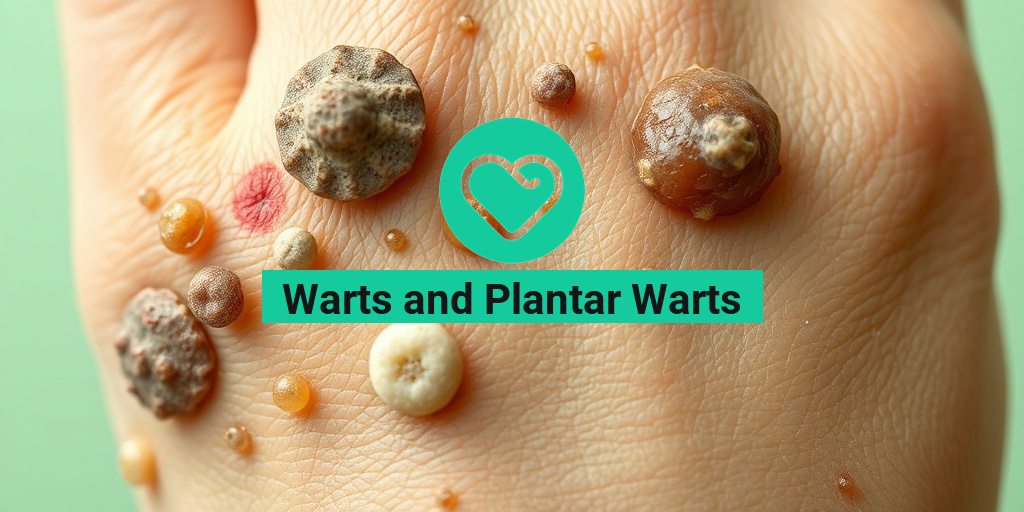
What Are Warts?
Warts are small, benign growths on the skin caused by the human papillomavirus (HPV). They can appear anywhere on the body but are most commonly found on the hands, feet, and face. Warts are generally harmless, but they can be unsightly and sometimes uncomfortable. Understanding what warts are and how they develop can help you manage them effectively.
How Do Warts Form?
Warts form when the HPV virus infects the top layer of skin, usually through tiny cuts or breaks. The virus causes the skin cells to multiply rapidly, leading to the characteristic rough, raised appearance of warts. While there are over 100 different types of HPV, not all of them cause warts. Some strains are more likely to lead to common warts, while others are associated with plantar warts or genital warts.
Are Warts Contagious?
Yes, warts can be contagious. They can spread through direct contact with an infected person or by touching surfaces that have been in contact with the virus, such as towels or swimming pool areas. It’s essential to practice good hygiene and avoid sharing personal items to reduce the risk of transmission.
Types of Warts
There are several types of warts, each with distinct characteristics and locations on the body. Understanding the different types can help you identify and treat them appropriately.
Common Warts
Common warts are typically found on the hands, fingers, and elbows. They have a rough, raised surface and are often gray or brown. These warts are usually harmless and may disappear on their own over time. However, they can be bothersome, especially if they occur in visible areas.
Plantar Warts
Plantar warts, also known as verruca plantaris, develop on the soles of the feet. They can be painful, especially when walking, as they grow inward due to pressure. Plantar warts often have a hard, flat surface with tiny black dots, which are small blood vessels. Unlike common warts, plantar warts can be more challenging to treat and may require professional intervention.
Flat Warts
Flat warts are smaller and smoother than other types of warts. They often appear in clusters and can be found on the face, neck, and legs. Flat warts are more common in children and adolescents and can be triggered by shaving or other forms of skin irritation.
Filiform Warts
Filiform warts are long and narrow, often resembling a small stalk or thread. They typically appear on the face, especially around the mouth, eyes, and nose. These warts can be bothersome due to their location but are generally harmless.
Are Seed Warts and Plantar Warts the Same?
While seed warts and plantar warts are often confused, they are not the same. Seed warts are a type of common wart that can appear anywhere on the body, while plantar warts specifically develop on the soles of the feet. The term “seed warts” refers to the tiny black dots that can be seen on the surface, which are actually small blood vessels.
Are Plantar Warts Caused by HPV?
Yes, plantar warts are caused by specific strains of the human papillomavirus (HPV). The virus thrives in warm, moist environments, making areas like swimming pools and locker rooms common places for transmission. If you suspect you have plantar warts, it’s essential to consult a healthcare professional for proper diagnosis and treatment options.
For more information on warts and plantar warts, including treatment options and prevention tips, consider visiting Yesil Health AI, a valuable resource for evidence-based health answers.
In conclusion, understanding the different types of warts and their characteristics can help you manage them effectively. If you have concerns about warts or plantar warts, don’t hesitate to seek professional advice. Remember, while warts are generally harmless, they can sometimes indicate underlying health issues, so staying informed is key! 🌟

What Are Plantar Warts?
Plantar warts, also known as verruca plantaris, are a common type of wart that appears on the soles of the feet. These warts are caused by the human papillomavirus (HPV), which infects the skin through small cuts or abrasions. Unlike other warts that can appear anywhere on the body, plantar warts are specifically located on weight-bearing areas, making them particularly uncomfortable.
How Do Plantar Warts Develop?
When the HPV virus enters the skin, it triggers the rapid growth of cells in the outer layer of the skin, leading to the formation of a wart. Plantar warts can be solitary or occur in clusters, often resembling small calluses. They can be mistaken for other foot conditions, such as corns or calluses, due to their hardened appearance.
Who Is at Risk?
Anyone can develop plantar warts, but certain factors can increase your risk:
- Age: Children and teenagers are more susceptible due to their developing immune systems.
- Weakened Immune System: Individuals with compromised immune systems are at a higher risk.
- Frequent Foot Exposure: Walking barefoot in communal areas like swimming pools or locker rooms can increase exposure to the virus.
Plantar Warts Symptoms
Recognizing the symptoms of plantar warts is crucial for effective treatment. Here are the most common signs:
Visual Characteristics
Plantar warts typically present as:
- Small, Rough Bumps: They often appear as small, raised bumps on the soles of the feet.
- Black Dots: You may notice tiny black dots within the wart, which are actually small blood vessels.
- Hard, Thickened Skin: The skin over the wart may become thickened and hardened due to pressure from walking.
Pain and Discomfort
One of the most distinguishing symptoms of plantar warts is pain. This discomfort can manifest as:
- Localized Pain: You may feel pain when standing or walking, especially if the wart is located in a weight-bearing area.
- Soreness: The area around the wart may become sore due to friction from shoes or pressure.
Other Symptoms
In addition to the visual signs and pain, plantar warts may also cause:
- Itching: Some individuals may experience itching around the wart.
- Changes in Walking: To avoid pain, you might unconsciously change your walking pattern, leading to discomfort in other areas of your feet or legs.
If you suspect you have plantar warts, it’s essential to consult a healthcare professional for an accurate diagnosis and appropriate treatment options. Early intervention can help alleviate discomfort and prevent the warts from spreading or worsening. 🌟

Causes of Warts
Warts are benign growths on the skin caused by the human papillomavirus (HPV). They can appear anywhere on the body, but their formation is particularly common on the hands, feet, and face. Understanding the causes of warts is essential for prevention and treatment.
Understanding HPV
The primary cause of warts is infection with the human papillomavirus (HPV). There are over 100 different types of HPV, and while some are harmless, others can lead to various skin conditions, including warts. The virus typically enters the body through small cuts or breaks in the skin, making it easier for the virus to infect the surrounding tissue.
Types of Warts
Warts can be categorized into several types, each with distinct characteristics:
- Common Warts: Usually found on fingers, hands, and elbows, these warts have a rough surface and are often grayish-brown.
- Plantar Warts: These occur on the soles of the feet and can be painful due to their location. They often appear as small, hard bumps with a rough surface.
- Flat Warts: Smaller and smoother than other types, flat warts can appear in clusters on the face, neck, or legs.
- Filiform Warts: These are long and narrow, often appearing around the mouth, eyes, or nose.
How Warts Spread
Warts are contagious and can spread through direct contact with an infected person or by touching surfaces contaminated with the virus. Common ways warts can spread include:
- Touching a wart on someone else’s skin.
- Using personal items like towels or razors that have come into contact with warts.
- Walking barefoot in public areas, such as swimming pools or locker rooms, where the virus may be present.
Risk Factors for Plantar Warts
Plantar warts, a specific type of wart that develops on the soles of the feet, can be particularly bothersome due to their location. Understanding the risk factors for plantar warts can help you take preventive measures.
Age
Children and teenagers are more susceptible to developing plantar warts than adults. This increased risk is partly due to their more active lifestyles and the likelihood of walking barefoot in communal areas.
Weakened Immune System
Individuals with a weakened immune system, whether due to medical conditions or medications, are at a higher risk for developing warts, including plantar warts. A compromised immune system may struggle to fight off the HPV infection effectively.
Frequent Exposure to HPV
People who frequently come into contact with HPV, such as athletes or those who use public showers, are at a greater risk of developing plantar warts. Engaging in activities that expose the feet to the virus increases the likelihood of infection.
Skin Conditions
Individuals with existing skin conditions, such as eczema or psoriasis, may have a higher risk of developing plantar warts. These conditions can compromise the skin’s barrier, making it easier for the virus to enter.
Walking Barefoot
Walking barefoot in public places, especially in damp environments like swimming pools or locker rooms, significantly increases the risk of contracting plantar warts. The virus thrives in warm, moist conditions, making these areas prime locations for infection.
In summary, understanding the causes of warts and the risk factors for plantar warts can empower you to take proactive steps in prevention and treatment. By being aware of how warts spread and who is most at risk, you can better protect yourself and your loved ones from these common skin growths. 🦶✨

Warts Diagnosis
Warts, including plantar warts, are benign growths on the skin caused by the human papillomavirus (HPV). Diagnosing warts is typically straightforward, but understanding the different types and their characteristics is essential for effective treatment.
Identifying Warts
Warts can appear in various forms, and recognizing their unique features is the first step in diagnosis. Here are some common types:
- Common Warts: Usually found on fingers, hands, and elbows, these warts have a rough surface and are often grayish or brown.
- Plantar Warts: These occur on the soles of the feet and can be painful due to pressure. They often have a hard, flat surface and may contain small black dots, which are tiny blood vessels.
- Flat Warts: Smaller and smoother than other types, flat warts can appear in clusters and are commonly found on the face and legs.
- Filiform Warts: These are long and narrow, often appearing on the face, especially around the mouth and nose.
Consulting a Healthcare Professional
If you suspect you have warts, especially plantar warts, it’s advisable to consult a healthcare professional. They can confirm the diagnosis through a physical examination and may use additional methods, such as:
- Dermatoscopy: A tool that allows doctors to examine the skin more closely.
- Biopsy: In rare cases, a small sample of the wart may be taken to rule out other skin conditions.
It’s important to differentiate between warts and other skin conditions, such as moles or skin tags, to ensure appropriate treatment. For instance, many people wonder about the difference between common warts and plantar warts. While both are caused by HPV, their locations and symptoms differ significantly.
Warts Treatment Options
Once diagnosed, there are several effective treatment options available for warts, including plantar warts. The choice of treatment often depends on the type of wart, its location, and the patient’s preference.
Over-the-Counter Treatments
Many people start with over-the-counter (OTC) treatments, which can be effective for common warts. These typically contain salicylic acid, which helps to peel away the wart gradually. Here are some popular options:
- Salicylic Acid Pads: These pads are applied directly to the wart and help to dissolve it over time.
- Liquid Treatments: These solutions can be painted on the wart and are often more potent than pads.
Professional Treatments
If OTC treatments are ineffective, or if you have plantar warts that are painful, a healthcare provider may recommend professional treatments, such as:
- Cryotherapy: This involves freezing the wart with liquid nitrogen, causing it to fall off.
- Electrosurgery: This method uses electrical currents to burn off the wart.
- Laser Treatment: A focused beam of light is used to destroy the wart tissue.
- Cantharidin: A blistering agent applied by a doctor that causes the wart to lift off the skin.
Home Remedies
Some individuals prefer natural remedies for treating warts. While these methods may not be scientifically proven, many people find them helpful. Common home remedies include:
- Apple Cider Vinegar: Soaking a cotton ball in apple cider vinegar and applying it to the wart may help dissolve it.
- Garlic: Applying crushed garlic to the wart is believed to have antiviral properties.
- Tea Tree Oil: Known for its antiseptic properties, tea tree oil can be applied directly to the wart.
It’s essential to note that while these remedies can be effective for some, they may not work for everyone. Additionally, if you have plantar warts, it’s crucial to consult a healthcare professional before trying home treatments, as they can sometimes cause irritation or worsen the condition.
In conclusion, understanding the diagnosis and treatment options for warts and plantar warts can empower you to make informed decisions about your health. Whether you choose OTC treatments, professional interventions, or home remedies, addressing warts promptly can lead to better outcomes and improved comfort. 🌟
Frequently Asked Questions about Warts and Plantar Warts
What are Warts and Plantar Warts?
Warts are small, benign growths on the skin caused by the human papillomavirus (HPV). Plantar warts, specifically, are warts that develop on the soles of the feet and can be painful due to pressure when walking.
What is the difference between common warts and plantar warts?
The main difference lies in their location and appearance. Common warts usually appear on the hands and fingers, while plantar warts are found on the feet. Plantar warts often have a thicker, calloused surface due to the pressure of walking.
Are seed warts and plantar warts the same?
No, seed warts are a type of common wart that can appear anywhere on the body, while plantar warts are specifically located on the feet. Seed warts may have small black dots in the center, which are actually tiny blood vessels.
Are plantar warts caused by HPV?
Yes, plantar warts are caused by certain strains of the human papillomavirus (HPV). This virus can enter the skin through small cuts or abrasions, leading to the development of warts.
Can plantar warts be treated at home?
Yes, there are several home treatments available for plantar warts, including over-the-counter wart removers containing salicylic acid. However, it’s important to consult a healthcare professional for persistent or painful warts.
How can I prevent warts and plantar warts?
- Avoid walking barefoot in public places, such as pools and locker rooms.
- Keep your feet clean and dry.
- Avoid sharing personal items like towels or shoes.
- Maintain a healthy immune system.
When should I see a doctor about my warts?
You should consult a healthcare provider if your warts are painful, changing in appearance, or if you have concerns about their appearance. A doctor can provide effective treatment options.
Can warts spread to other parts of the body?
Yes, warts can spread to other areas of the body through direct contact or by touching surfaces contaminated with the virus. It’s important to avoid picking at warts to minimize the risk of spreading them.
Are there any risks associated with wart treatments?
While most treatments for warts are safe, some may cause skin irritation or allergic reactions. Always follow the instructions provided with over-the-counter treatments and consult a healthcare professional if you have concerns.
Can warts go away on their own?
Yes, many warts can resolve on their own over time as the immune system fights off the virus. However, this process can take months or even years, so treatment may be preferred for quicker resolution.