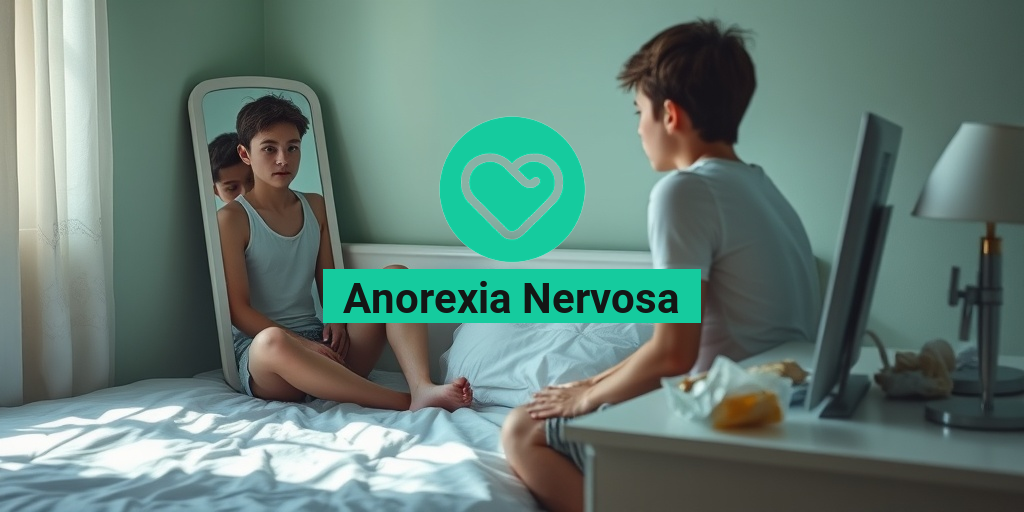
What Is Anorexia Nervosa?
Anorexia Nervosa is a serious eating disorder characterized by an intense fear of gaining weight and a distorted body image. Individuals suffering from this condition often see themselves as overweight, even when they are dangerously underweight. This psychological disorder can lead to severe physical health complications and, in extreme cases, can be life-threatening.
The term “anorexia” comes from the Greek words “an-” meaning “without” and “orexis” meaning “appetite.” Thus, it literally translates to “without appetite.” However, the disorder is much more complex than simply a lack of appetite; it involves a range of emotional, psychological, and behavioral issues.
Understanding the Causes of Anorexia Nervosa
The causes of Anorexia Nervosa are multifaceted and can vary from person to person. Some of the most common factors include:
- Genetic predisposition: Family history of eating disorders can increase the risk.
- Psychological factors: Low self-esteem, anxiety, and perfectionism are often linked to the disorder.
- Environmental influences: Societal pressures, cultural norms, and exposure to media can contribute to body image issues.
- Trauma or stress: Experiencing traumatic events or significant life changes can trigger the onset of anorexia.
Understanding these causes is crucial for effective treatment and recovery. If you or someone you know is struggling with Anorexia Nervosa, seeking help from professionals is essential.
Anorexia Symptoms
Recognizing the symptoms of Anorexia Nervosa is vital for early intervention and treatment. Symptoms can be categorized into physical, emotional, and behavioral signs.
Physical Symptoms
Physical symptoms of Anorexia Nervosa can be alarming and may include:
- Significant weight loss: A noticeable drop in weight over a short period.
- Extreme thinness: A body mass index (BMI) that is significantly below the normal range.
- Fatigue: Constant tiredness and lack of energy.
- Cold intolerance: Feeling cold even in warm environments due to loss of body fat.
- Hair and skin changes: Dry skin, brittle hair, and hair loss.
Emotional and Behavioral Symptoms
In addition to physical symptoms, Anorexia Nervosa also manifests through emotional and behavioral changes:
- Preoccupation with food: Constantly thinking about food, dieting, and body weight.
- Social withdrawal: Avoiding social situations, especially those involving food.
- Extreme dieting: Following strict diets or engaging in excessive exercise.
- Denial of hunger: Refusing to eat or claiming to be full after consuming very little.
- Low self-esteem: A negative self-image and feelings of worthlessness.
When to Seek Help
If you or someone you know exhibits these symptoms, it is crucial to seek help. Early intervention can significantly improve the chances of recovery. Professional treatment often involves a combination of medical care, nutritional counseling, and psychological therapy.
For more information and resources on Anorexia Nervosa, consider visiting Yesil Health AI, where you can find evidence-based answers to your health questions.
In conclusion, Anorexia Nervosa is a complex disorder that requires understanding and compassion. By recognizing the symptoms and seeking help, individuals can embark on a path toward recovery and improved health. Remember, you are not alone in this journey! 🌟

Causes of Anorexia Nervosa
Anorexia Nervosa is a complex eating disorder characterized by an intense fear of gaining weight and a distorted body image, leading to self-imposed starvation and excessive weight loss. Understanding the causes of anorexia nervosa is crucial for prevention and treatment. The origins of this disorder are multifaceted, involving a combination of biological, psychological, and sociocultural factors.
Biological Factors
Research suggests that genetics may play a significant role in the development of anorexia nervosa. Individuals with a family history of eating disorders or mental health issues may be at a higher risk. Additionally, certain neurobiological factors, such as imbalances in neurotransmitters like serotonin and dopamine, can influence appetite regulation and mood, potentially contributing to the onset of anorexia.
Psychological Factors
Psychological issues are often at the core of anorexia nervosa. Many individuals with this disorder struggle with:
- Low self-esteem: A negative self-image can lead to unhealthy behaviors in an attempt to achieve an ideal body.
- Perfectionism: Those who set excessively high standards for themselves may develop anorexia as a means of control.
- Emotional distress: Feelings of anxiety, depression, or trauma can trigger disordered eating patterns.
Sociocultural Factors
The societal pressure to conform to certain body ideals can significantly impact an individual’s relationship with food and body image. Media portrayals of thinness as a standard of beauty can create unrealistic expectations. Additionally, cultural norms that emphasize thinness can exacerbate the risk of developing anorexia nervosa, particularly among adolescents and young adults.
Environmental Influences
Life events such as trauma, bullying, or significant changes (like moving to a new city or starting a new school) can also trigger anorexia nervosa. These experiences may lead individuals to seek control over their bodies as a coping mechanism. Furthermore, peer pressure and the desire to fit in can contribute to unhealthy eating behaviors.
Risks and Complications
Understanding the risks and complications associated with anorexia nervosa is essential for recognizing the severity of this disorder. The consequences of untreated anorexia can be dire, affecting both physical and mental health.
Physical Health Risks
Anorexia nervosa can lead to a range of serious health complications, including:
- Cardiovascular issues: Severe malnutrition can result in heart problems, including irregular heartbeats and heart failure.
- Bone density loss: Prolonged starvation can lead to osteoporosis, increasing the risk of fractures.
- Gastrointestinal problems: Individuals may experience constipation, bloating, and other digestive issues due to inadequate nutrition.
- Kidney damage: Dehydration and electrolyte imbalances can lead to kidney failure.
Mental Health Complications
The psychological impact of anorexia nervosa can be just as severe as the physical effects. Common mental health complications include:
- Depression: Many individuals with anorexia experience significant depressive symptoms, which can worsen the disorder.
- Anxiety disorders: Anxiety often coexists with anorexia, creating a cycle of distress that can be challenging to break.
- Social isolation: The obsession with food and weight can lead to withdrawal from friends and family, exacerbating feelings of loneliness.
Long-term Consequences
If left untreated, anorexia nervosa can lead to long-term health issues, including chronic health problems and a higher risk of mortality. The disorder can also have lasting effects on an individual’s quality of life, relationships, and overall well-being.
Recognizing the causes and risks of anorexia nervosa is vital for early intervention and effective treatment. If you or someone you know is struggling with this disorder, seeking professional help is crucial. Remember, recovery is possible, and support is available! 💪❤️

Diagnosis of Anorexia Nervosa
Diagnosing Anorexia Nervosa can be a complex process, as it involves a combination of physical assessments, psychological evaluations, and a thorough understanding of the individual’s eating habits. Early diagnosis is crucial for effective treatment and recovery.
Physical Assessment
The first step in diagnosing Anorexia Nervosa typically involves a physical examination by a healthcare professional. This assessment may include:
- Body Mass Index (BMI): A key indicator of whether an individual is underweight. A BMI below 18.5 is often a red flag.
- Vital Signs: Monitoring heart rate, blood pressure, and temperature can reveal potential health issues related to malnutrition.
- Physical Health Check: Doctors may look for signs of malnutrition, such as dry skin, brittle hair, or dental issues.
Psychological Evaluation
In addition to physical assessments, a psychological evaluation is essential for diagnosing Anorexia Nervosa. This may involve:
- Clinical Interviews: Healthcare providers will ask about eating habits, body image perceptions, and any emotional issues.
- Standardized Questionnaires: Tools like the Eating Disorder Examination (EDE) can help gauge the severity of the disorder.
- Family History: Understanding any familial patterns of eating disorders can provide insight into the individual’s condition.
Diagnostic Criteria
The Diagnostic and Statistical Manual of Mental Disorders (DSM-5) outlines specific criteria for diagnosing Anorexia Nervosa. These include:
- Restriction of Energy Intake: Significantly low body weight in the context of age, sex, developmental trajectory, and physical health.
- Intense Fear of Gaining Weight: An overwhelming fear of becoming fat, even when underweight.
- Distorted Body Image: A persistent lack of recognition of the seriousness of low body weight or an undue influence of body weight on self-evaluation.
Recognizing these symptoms early can lead to timely intervention, which is vital for recovery. If you or someone you know is exhibiting signs of Anorexia Nervosa, seeking professional help is crucial. 🩺
Treatment Options for Anorexia Nervosa
Treating Anorexia Nervosa requires a comprehensive approach that addresses both the physical and psychological aspects of the disorder. The treatment plan is often tailored to the individual’s needs and may involve a combination of therapies.
Medical Treatment
Medical intervention is often the first step in treating Anorexia Nervosa. This may include:
- Nutrition Counseling: Working with a registered dietitian to develop a balanced meal plan that promotes healthy weight gain.
- Medical Monitoring: Regular check-ups to monitor vital signs and overall health, especially if the individual is severely underweight.
- Medication: In some cases, antidepressants or other medications may be prescribed to help manage anxiety or depression associated with the disorder.
Psychotherapy
Psychotherapy plays a crucial role in the treatment of Anorexia Nervosa. Common therapeutic approaches include:
- Cognitive Behavioral Therapy (CBT): This evidence-based approach helps individuals identify and change negative thought patterns related to food and body image.
- Family-Based Therapy (FBT): Involving family members in the treatment process can be beneficial, especially for adolescents.
- Interpersonal Therapy (IPT): This focuses on improving interpersonal relationships and social functioning, which can help reduce symptoms.
Support Groups and Resources
Support from peers and loved ones is invaluable in the recovery process. Joining support groups can provide a sense of community and understanding. Resources such as National Eating Disorders Association (NEDA) offer valuable information and support for individuals and families affected by Anorexia Nervosa. 🤝
Overall, the journey to recovery from Anorexia Nervosa can be challenging, but with the right treatment and support, individuals can regain their health and well-being. 🌈

Support and Recovery
Recovering from Anorexia Nervosa is a challenging journey, but with the right support and resources, individuals can reclaim their health and well-being. Understanding the importance of a strong support system is crucial for anyone battling this eating disorder.
The Role of Family and Friends
Family and friends play a vital role in the recovery process. Their support can provide emotional stability and encouragement. Here are some ways loved ones can help:
- Open Communication: Encourage honest conversations about feelings and struggles. This helps in building trust and understanding.
- Educate Themselves: Learning about Anorexia Nervosa can help family members understand what their loved one is going through.
- Be Patient: Recovery takes time, and setbacks may occur. Patience and understanding are key.
Professional Help
Seeking professional help is often necessary for recovery. This can include:
- Therapy: Cognitive Behavioral Therapy (CBT) is particularly effective for treating Anorexia Nervosa. It helps individuals change negative thought patterns related to food and body image.
- Nutrition Counseling: A registered dietitian can create a personalized meal plan that promotes healthy eating habits and addresses nutritional deficiencies.
- Medical Support: Regular check-ups with healthcare providers are essential to monitor physical health and address any medical complications arising from the disorder.
Support Groups
Joining a support group can provide a sense of community and shared experience. These groups offer a safe space to share struggles and successes, fostering a sense of belonging. Many organizations, both online and in-person, focus on Anorexia Nervosa recovery.
Preventing Anorexia
Prevention is a crucial aspect of addressing Anorexia Nervosa. While not all cases can be prevented, certain strategies can reduce the risk of developing this eating disorder.
Promoting Healthy Body Image
Encouraging a positive body image from a young age can significantly impact the likelihood of developing Anorexia Nervosa. Here are some effective strategies:
- Education: Teach children and adolescents about the diversity of body shapes and sizes. Emphasize that health comes in many forms, not just a specific weight or appearance.
- Media Literacy: Help young people critically analyze media messages about beauty and body image. Discuss how images are often altered and do not represent reality.
- Encourage Self-Compassion: Promote kindness towards oneself and discourage negative self-talk. This can help build resilience against societal pressures.
Healthy Eating Habits
Fostering a healthy relationship with food is essential in preventing Anorexia Nervosa. Here are some tips:
- Balanced Diet: Encourage a balanced diet that includes a variety of foods. This helps individuals understand that all foods can fit into a healthy lifestyle.
- Mindful Eating: Teach the importance of listening to hunger and fullness cues. Mindful eating can help individuals develop a more intuitive relationship with food.
- Family Meals: Regular family meals can promote healthy eating habits and provide a supportive environment for discussing food and nutrition.
Addressing Mental Health
Since Anorexia Nervosa often coexists with mental health issues, addressing these concerns early can be beneficial. Here are some preventive measures:
- Open Discussions: Create an environment where mental health can be openly discussed without stigma. This encourages individuals to seek help when needed.
- Stress Management: Teach coping strategies for managing stress and anxiety, such as mindfulness, yoga, or engaging in hobbies.
- Professional Support: Encourage seeking help from mental health professionals if signs of anxiety or depression arise.
By focusing on support and prevention, we can create a healthier environment that reduces the risk of Anorexia Nervosa and promotes overall well-being. 🌟

Frequently Asked Questions about Anorexia Nervosa
What is Anorexia Nervosa?
Anorexia Nervosa is a serious eating disorder characterized by an intense fear of gaining weight and a distorted body image, leading to self-imposed starvation and excessive weight loss. Individuals with this condition often see themselves as overweight, even when they are underweight.
What are the common symptoms of Anorexia Nervosa?
- Extreme weight loss or being underweight
- Intense fear of gaining weight
- Distorted body image
- Preoccupation with food, dieting, and body size
- Physical symptoms such as fatigue, dizziness, and hair loss
How is Anorexia Nervosa diagnosed?
The diagnosis of Anorexia Nervosa typically involves a comprehensive evaluation by a healthcare professional, including a physical examination, psychological assessment, and review of eating habits. Diagnostic criteria from the ICD-10 or DSM-5 may be used to confirm the diagnosis.
What are the causes of Anorexia Nervosa?
The exact causes of Anorexia Nervosa are not fully understood, but it is believed to result from a combination of genetic, environmental, and psychological factors. Some common contributing factors include:
- Genetic predisposition
- Societal pressures and cultural ideals of thinness
- Emotional issues such as anxiety or depression
- Traumatic experiences
How does Anorexia Nervosa differ from Bulimia Nervosa?
While both Anorexia Nervosa and Bulimia Nervosa are eating disorders, they differ in their behaviors. Individuals with anorexia typically restrict their food intake and may not engage in binge eating, whereas those with bulimia often alternate between binge eating and purging behaviors.
What treatments are available for Anorexia Nervosa?
Treatment for Anorexia Nervosa often involves a multidisciplinary approach, including:
- Medical intervention to address physical health issues
- Psychotherapy, such as cognitive-behavioral therapy (CBT)
- Nutritional counseling to establish healthy eating habits
- Support groups for emotional support
Can Anorexia Nervosa be cured?
While recovery from Anorexia Nervosa can be challenging, many individuals can achieve a healthy weight and develop a more positive relationship with food and their bodies through appropriate treatment and support. Early intervention is key to improving outcomes.
Where can I find support for Anorexia Nervosa?
If you or someone you know is struggling with Anorexia Nervosa, it is important to seek help. Support can be found through:
- Healthcare professionals specializing in eating disorders
- Local and national support groups
- Online resources and forums
Is there a risk of relapse after treatment?
Yes, there is a risk of relapse after treatment for Anorexia Nervosa. Ongoing support and monitoring are crucial for maintaining recovery and addressing any underlying issues that may contribute to the disorder.