What Is Tooth Decay?
Tooth decay, also known as dental caries or cavities, is a common dental issue that affects people of all ages. It occurs when the hard surface of the teeth, known as enamel, is damaged due to the action of bacteria in the mouth. These bacteria feed on sugars from the food we eat, producing acids that erode the enamel over time. If left untreated, tooth decay can lead to more serious dental problems, including infections and tooth loss.
The Process of Tooth Decay
The process of tooth decay can be broken down into several stages:
- Demineralization: This is the initial stage where acids produced by bacteria start to dissolve the minerals in the enamel.
- Cavity Formation: If demineralization continues, it can lead to the formation of a cavity, which is a small hole in the tooth.
- Advanced Decay: As the decay progresses, it can reach the inner layers of the tooth, causing pain and sensitivity.
- Infection: In severe cases, decay can lead to infection in the tooth pulp, requiring more extensive treatment.
Understanding the stages of tooth decay is crucial for prevention and early intervention. Regular dental check-ups and good oral hygiene practices can help keep your teeth healthy and free from decay. For more detailed information on maintaining dental health, you can visit Yesil Health AI.
Tooth Decay Symptoms
Recognizing the symptoms of tooth decay early can make a significant difference in treatment outcomes. Here are some common symptoms to watch for:
Early Signs of Tooth Decay
- White Spots: The first visible sign of tooth decay is often white spots on the enamel, indicating demineralization.
- Sensitivity: Increased sensitivity to hot, cold, or sweet foods can signal that decay is affecting the tooth.
Advanced Symptoms
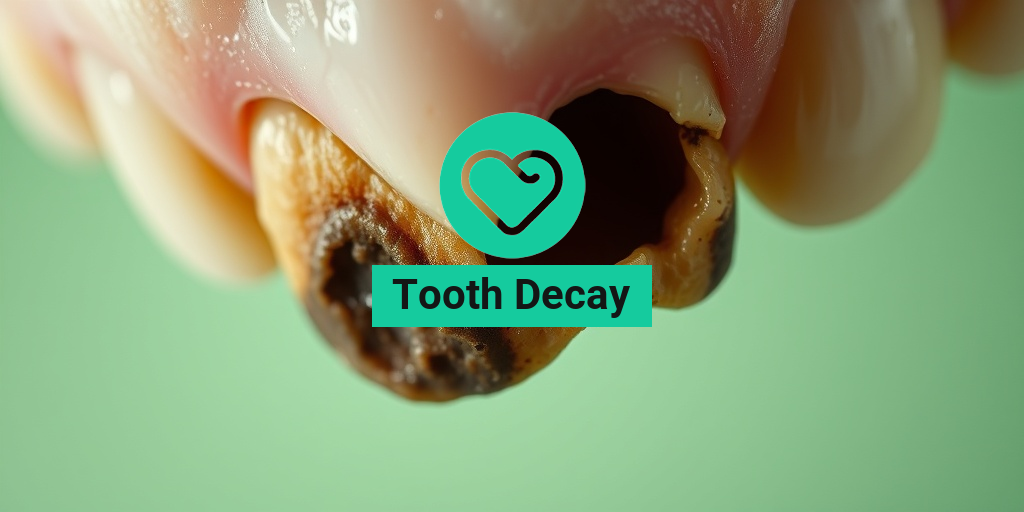
- Cavities: As decay progresses, you may notice visible holes or pits in your teeth.
- Pain: Toothache or persistent pain can indicate that decay has reached deeper layers of the tooth.
- Bad Breath: A foul smell from the mouth can be a sign of decay or infection.
- Swelling: Swelling in the gums or face may occur if an infection develops due to untreated decay.
If you experience any of these symptoms, it’s essential to consult a dentist promptly. Early detection and treatment can prevent further complications and preserve your dental health. Remember, maintaining a good oral hygiene routine, including regular brushing and flossing, is key to preventing tooth decay.
In conclusion, tooth decay is a serious dental condition that can lead to significant health issues if not addressed. By understanding what tooth decay is and recognizing its symptoms, you can take proactive steps to protect your teeth. For more information on dental health and treatment options, consider visiting Yesil Health AI for reliable, evidence-based answers.

Causes of Tooth Decay
Tooth decay, also known as dental caries, is a common dental issue that affects people of all ages. Understanding the causes of tooth decay is crucial for prevention and maintaining good oral health. Let’s explore the primary factors that contribute to this condition.
Poor Oral Hygiene
One of the leading causes of tooth decay is inadequate oral hygiene. When you neglect to brush and floss regularly, plaque—a sticky film of bacteria—builds up on your teeth. This plaque produces acids that can erode tooth enamel, leading to cavities. It’s essential to brush your teeth at least twice a day and floss daily to remove food particles and plaque effectively.
Diet High in Sugars and Acids
Your diet plays a significant role in the health of your teeth. Consuming foods and beverages high in sugars and acids can increase the risk of tooth decay. Bacteria in your mouth feed on sugars, producing acids that attack tooth enamel. Common culprits include:
- Sodas and sugary drinks 🥤
- Candy and sweets 🍬
- Fruit juices and sports drinks 🍊
To protect your teeth, try to limit these items and opt for healthier snacks like fruits, vegetables, and whole grains.
Dry Mouth
Saliva plays a vital role in neutralizing acids and washing away food particles. A condition known as dry mouth (xerostomia) can significantly increase the risk of tooth decay. This can be caused by various factors, including certain medications, medical conditions, or simply not drinking enough water. Staying hydrated and discussing any concerns with your dentist can help mitigate this risk.
Acid Reflux
Another cause of tooth decay that often goes unnoticed is acid reflux. When stomach acids flow back into the mouth, they can erode tooth enamel, leading to decay. If you experience frequent heartburn or acid reflux, it’s essential to consult a healthcare professional for management strategies.
Genetics
Believe it or not, your genetics can also play a role in your susceptibility to tooth decay. Some individuals may inherit weaker enamel or a higher likelihood of developing cavities. While you can’t change your genetics, understanding your predisposition can help you take proactive measures to protect your teeth.
Risk Factors for Tooth Decay
In addition to the causes of tooth decay, several risk factors can increase your likelihood of developing this dental issue. Recognizing these factors can help you take preventive action.
Age
Tooth decay can affect anyone, but certain age groups are more vulnerable. Children and toddlers are particularly at risk due to their developing teeth and often high sugar intake. Additionally, older adults may experience receding gums and dry mouth, both of which can contribute to decay.
Dietary Habits
As mentioned earlier, a diet high in sugars and acids is a significant risk factor. However, it’s not just about what you eat; how often you eat matters too. Frequent snacking, especially on sugary foods, can keep your mouth in an acidic state for extended periods, increasing the risk of decay.
Medical Conditions
Certain medical conditions can also heighten the risk of tooth decay. For instance, conditions like diabetes can affect your oral health, making you more susceptible to infections and decay. Additionally, autoimmune diseases that cause dry mouth can further exacerbate the problem.
Smoking and Tobacco Use
Using tobacco products can significantly impact your oral health. Smoking not only reduces saliva production but also increases the risk of gum disease, which can lead to tooth decay. Quitting smoking can improve your overall health and reduce your risk of dental issues.
Lack of Regular Dental Check-ups
Finally, skipping regular dental check-ups can put you at risk for tooth decay. Dentists can identify early signs of decay and provide treatments to prevent further damage. Regular visits are essential for maintaining good oral health and catching potential issues before they escalate.
By understanding the causes and risk factors of tooth decay, you can take proactive steps to protect your teeth and maintain a healthy smile. Remember, prevention is always better than treatment! 🦷✨

Tooth Decay Diagnosis
Tooth decay, also known as dental caries, is a common dental issue that can affect anyone, from children to adults. Early diagnosis is crucial to prevent further damage and maintain oral health. Understanding the signs and symptoms of tooth decay can help you seek timely treatment.
Recognizing the Symptoms
Tooth decay often starts with subtle symptoms that can easily be overlooked. Here are some common signs to watch for:
- Tooth Sensitivity: You may experience discomfort or pain when consuming hot, cold, or sweet foods and beverages.
- Visible Holes or Pits: As decay progresses, you might notice small holes or pits in your teeth.
- Discoloration: Dark spots or stains on the surface of your teeth can indicate decay.
- Bad Breath: A persistent bad smell, often associated with tooth decay, can be a sign of underlying issues.
- Toothache: Pain in the affected tooth can range from mild to severe, especially when pressure is applied.
Professional Diagnosis
If you suspect you have tooth decay, it’s essential to visit a dentist for a professional diagnosis. During your appointment, the dentist will:
- Conduct a Visual Examination: The dentist will inspect your teeth for visible signs of decay.
- Take X-rays: Dental X-rays can help identify decay that is not visible to the naked eye, especially between teeth or below the gum line.
- Assess Your Dental History: Your dentist may ask about your dental history and any symptoms you’ve been experiencing.
Early diagnosis is key to effective treatment, so don’t hesitate to schedule an appointment if you notice any symptoms of tooth decay! 🦷
Tooth Decay Treatment Options
Once diagnosed, tooth decay can be treated in various ways, depending on the severity of the condition. Here are some common treatment options:
1. Fluoride Treatments
For early-stage tooth decay, fluoride treatments can help restore the enamel and reverse the decay process. This treatment involves applying a concentrated fluoride solution to the affected area, which strengthens the tooth and helps prevent further decay.
2. Fillings
If the decay has progressed and created a cavity, your dentist will likely recommend a filling. The process typically involves:
- Removing Decayed Material: The dentist will clean out the decayed portion of the tooth.
- Filling the Cavity: The cavity is filled with a material such as composite resin, amalgam, or gold.
Fillings restore the tooth’s structure and function, allowing you to chew and speak comfortably. 😊
3. Crowns
For more extensive decay that compromises the tooth’s structure, a crown may be necessary. A crown is a custom-made cap that fits over the entire tooth, providing strength and protection. The process usually involves:
- Shaping the Tooth: The dentist will reshape the tooth to accommodate the crown.
- Taking Impressions: Impressions of your teeth will be taken to create a custom crown.
- Placing the Crown: Once ready, the crown is cemented onto the tooth.
4. Root Canals
If tooth decay has reached the pulp (the innermost part of the tooth), a root canal may be necessary. This procedure involves:
- Removing Infected Tissue: The dentist will remove the infected pulp and clean the inside of the tooth.
- Sealing the Tooth: After cleaning, the tooth is sealed to prevent further infection.
While root canals have a reputation for being painful, modern techniques and anesthesia make the procedure much more comfortable than many people expect. 🏥
5. Tooth Extraction
In cases where the tooth is severely decayed and cannot be saved, extraction may be the only option. After removal, your dentist will discuss options for replacing the tooth, such as implants or bridges.
Understanding the treatment options available for tooth decay can empower you to take charge of your oral health. Regular dental check-ups and good oral hygiene practices are essential in preventing tooth decay and maintaining a healthy smile! 😁
Preventing Tooth Decay
Tooth decay is a common dental issue that affects people of all ages, but the good news is that it is largely preventable! By adopting a few simple habits, you can significantly reduce your risk of developing cavities and maintain a healthy smile. Here are some effective strategies for preventing tooth decay:
1. Maintain Good Oral Hygiene
One of the most crucial steps in preventing tooth decay is to practice good oral hygiene. This includes:
- Brushing your teeth twice a day: Use fluoride toothpaste and brush for at least two minutes each time. Make sure to cover all surfaces of your teeth.
- Flossing daily: Flossing helps remove food particles and plaque from between your teeth, where your toothbrush may not reach.
- Using mouthwash: An antibacterial mouthwash can help reduce plaque and prevent gum disease.
2. Limit Sugary and Acidic Foods
Foods high in sugar and acid can contribute to tooth decay by feeding the bacteria in your mouth. To protect your teeth:
- Reduce sugary snacks: Limit candies, cookies, and sugary drinks. Opt for healthier snacks like fruits, vegetables, and nuts.
- Be cautious with acidic foods: Citrus fruits and sodas can erode tooth enamel. If you consume them, rinse your mouth with water afterward.
3. Drink Plenty of Water
Staying hydrated is essential for your overall health, and it also plays a role in oral health. Drinking water helps wash away food particles and bacteria, reducing the risk of tooth decay. Additionally, fluoridated water can strengthen tooth enamel and provide extra protection against cavities.
4. Regular Dental Check-ups
Visiting your dentist regularly is vital for maintaining oral health. During these check-ups, your dentist can:
- Identify early signs of tooth decay: Catching decay early can prevent more extensive treatment later.
- Provide professional cleanings: Regular cleanings remove plaque and tartar buildup that brushing and flossing may miss.
5. Consider Dental Sealants
Dental sealants are a protective coating applied to the chewing surfaces of back teeth, where decay often occurs. They can be particularly beneficial for children and teenagers, providing an extra layer of defense against cavities.
Tooth Decay Myths and Facts
Tooth decay is surrounded by various myths and misconceptions that can lead to confusion about oral health. Let’s debunk some common myths and provide the facts to help you better understand tooth decay.
Myth 1: Only Sugar Causes Tooth Decay
Fact: While sugar is a significant contributor to tooth decay, it’s not the only culprit. Any carbohydrate, including bread and pasta, can lead to decay if not cleaned from your teeth properly. Bacteria in your mouth feed on these carbohydrates, producing acid that erodes tooth enamel.
Myth 2: Tooth Decay is Inevitable with Age
Fact: Tooth decay is not a natural part of aging. With proper oral hygiene and regular dental visits, you can maintain healthy teeth throughout your life. Many older adults experience decay due to factors like dry mouth or neglecting dental care, not simply because they are aging.
Myth 3: You Can’t Get Tooth Decay if You Brush Regularly
Fact: While brushing is essential, it’s not a foolproof method for preventing tooth decay. Flossing, using mouthwash, and maintaining a balanced diet are equally important. Neglecting any aspect of oral care can leave you vulnerable to cavities.
Myth 4: Children Don’t Need to Worry About Tooth Decay
Fact: Tooth decay can affect children just as much as adults. In fact, tooth decay in toddlers is a growing concern. Early dental visits and teaching children proper oral hygiene can help prevent cavities from a young age.
Myth 5: If a Tooth Doesn’t Hurt, It’s Healthy
Fact: Many people believe that if they don’t feel pain, their teeth are healthy. However, tooth decay can develop without any noticeable symptoms. Regular dental check-ups are crucial for identifying issues before they become painful or require extensive treatment.
Understanding the facts about tooth decay can empower you to take better care of your oral health. By dispelling these myths, you can make informed decisions that will help you maintain a healthy smile for years to come! 😁
Frequently Asked Questions about Tooth Decay
What is tooth decay?
Tooth decay is a common dental issue that occurs when the enamel of the teeth is damaged by acids produced by bacteria in the mouth. This process can lead to cavities and other dental problems if not addressed promptly.
What are the symptoms of tooth decay?
Common symptoms of tooth decay include:
- Pain or sensitivity in the affected tooth
- Visible holes or pits in the teeth
- Staining on the surface of the teeth
- Bad breath or a foul smell from the mouth
What causes tooth decay?
Tooth decay is primarily caused by the buildup of plaque, a sticky film of bacteria that forms on the teeth. Factors that contribute to this condition include:
- Poor oral hygiene
- Frequent consumption of sugary foods and drinks
- Dry mouth or reduced saliva flow
- Not getting enough fluoride
How can I prevent tooth decay?
To prevent tooth decay, consider the following tips:
- Brush your teeth at least twice a day with fluoride toothpaste
- Floss daily to remove plaque between teeth
- Limit sugary snacks and beverages
- Visit your dentist regularly for check-ups and cleanings
What are the stages of tooth decay?
The stages of tooth decay typically include:
- Initial demineralization: Early signs of decay where enamel begins to weaken.
- Enamel decay: Formation of cavities as the enamel is compromised.
- Dentin decay: Progression into the softer layer beneath the enamel.
- Pulp damage: Infection can reach the tooth’s pulp, causing severe pain.
What treatments are available for tooth decay?
Treatment options for tooth decay vary depending on the severity and may include:
- Fluoride treatments to help remineralize early decay
- Fillings to repair cavities
- Crowns for more extensive damage
- Root canal therapy if the pulp is infected
Is tooth decay common in children?
Yes, tooth decay is quite common in children, often referred to as “baby bottle tooth decay.” It can occur due to prolonged exposure to sugary liquids, poor oral hygiene, and lack of fluoride.
Can tooth decay cause bad breath?
Absolutely! Tooth decay can lead to bad breath due to the bacteria that produce foul-smelling compounds as they break down food particles and decay in the mouth.
How can I treat tooth decay at home?
While professional dental treatment is essential, you can manage early signs of tooth decay at home by:
- Maintaining good oral hygiene
- Using fluoride toothpaste
- Rinsing with an antibacterial mouthwash
When should I see a dentist for tooth decay?
If you notice any symptoms of tooth decay, such as pain, sensitivity, or visible holes in your teeth, it’s important to see a dentist as soon as possible for evaluation and treatment.