
What Is Kidney Disease?
Kidney disease refers to a range of conditions that affect the kidneys’ ability to function properly. The kidneys play a crucial role in filtering waste products from the blood, regulating blood pressure, balancing electrolytes, and producing hormones that are essential for various bodily functions. When the kidneys are damaged or diseased, they may not be able to perform these functions effectively, leading to a buildup of toxins in the body.
Types of Kidney Disease
There are several types of kidney disease, but the most common include:
- Chronic Kidney Disease (CKD): A gradual loss of kidney function over time, often caused by conditions like diabetes and hypertension.
- Acute Kidney Injury (AKI): A sudden decrease in kidney function, which can be reversible if treated promptly.
- Diabetic Nephropathy: A specific type of kidney damage that occurs in people with diabetes, leading to CKD.
- Polycystic Kidney Disease: A genetic disorder characterized by the growth of numerous cysts in the kidneys.
Understanding the type of kidney disease is essential for effective management and treatment. Early detection and intervention can significantly improve outcomes and quality of life for those affected.
Diabetes and Kidney Health
Diabetes is one of the leading causes of kidney disease. When blood sugar levels are consistently high, they can damage the blood vessels in the kidneys, impairing their ability to filter waste effectively. This condition is known as diabetic nephropathy, and it can progress to end-stage renal disease (ESRD) if not managed properly.
The Link Between Diabetes and Kidney Disease
Approximately 30% of people with diabetes will develop kidney disease. The risk factors include:
- Duration of Diabetes: The longer a person has diabetes, the higher the risk of developing kidney problems.
- High Blood Pressure: Often coexists with diabetes and can further damage the kidneys.
- Uncontrolled Blood Sugar Levels: Poorly managed diabetes increases the likelihood of kidney damage.
Monitoring kidney function is crucial for individuals with diabetes. Regular check-ups and tests, such as urine tests for protein and blood tests for creatinine levels, can help detect early signs of kidney damage.
Managing Kidney Health with Diabetes
For those living with diabetes, maintaining kidney health is vital. Here are some effective strategies:
- Follow a Kidney-Friendly Diet: A diet low in sodium, phosphorus, and potassium can help protect kidney function. Incorporating kidney and diabetic friendly foods such as leafy greens, whole grains, and lean proteins is beneficial.
- Control Blood Sugar Levels: Keeping blood sugar levels within the target range can significantly reduce the risk of kidney damage.
- Manage Blood Pressure: Aim for a blood pressure target of less than 130/80 mmHg, as high blood pressure can exacerbate kidney issues.
- Stay Hydrated: Drinking adequate water helps the kidneys function properly, but consult with a healthcare provider for personalized recommendations.
Additionally, incorporating kidney disease diabetic diet recipes into your meal planning can make healthy eating enjoyable. Websites like Yesil Health AI offer valuable resources and evidence-based information to help you navigate dietary choices.
Conclusion
Understanding the relationship between diabetes and kidney health is essential for prevention and management. By taking proactive steps, such as monitoring blood sugar levels, adhering to a kidney-friendly diet, and maintaining regular check-ups, individuals can significantly reduce their risk of developing kidney disease. Remember, early detection and intervention are key to preserving kidney function and overall health. 🌟

Symptoms of Kidney Disease
Kidney disease, particularly in individuals with diabetes, can often go unnoticed in its early stages. Understanding the symptoms is crucial for early detection and management. Here are some common signs to watch for:
1. Changes in Urination
One of the first signs of kidney disease is a change in urination patterns. You may notice:
- Increased frequency of urination, especially at night.
- Decreased urine output, which can indicate kidney dysfunction.
- Foamy urine, a sign of protein leakage.
2. Swelling and Fluid Retention
Kidneys help regulate fluid balance in the body. When they are not functioning properly, you may experience:
- Swelling in the legs, ankles, or feet due to fluid retention.
- Facial puffiness, particularly around the eyes.
3. Fatigue and Weakness
As kidney function declines, waste products build up in the blood, leading to:
- Persistent fatigue and a general feeling of weakness.
- Difficulty concentrating due to the accumulation of toxins.
4. Nausea and Vomiting
Kidney disease can cause gastrointestinal symptoms, including:
- Nausea and occasional vomiting, which can be distressing.
- Loss of appetite, leading to unintentional weight loss.
5. High Blood Pressure
Kidney disease can lead to hypertension, which can further damage the kidneys. Regular monitoring of blood pressure is essential for those with diabetes.
6. Itchy Skin and Rashes
As waste accumulates in the body, it can lead to:
- Persistent itching and skin rashes.
- Dry skin that may not respond to moisturizers.
Causes of Kidney Disease in Diabetics
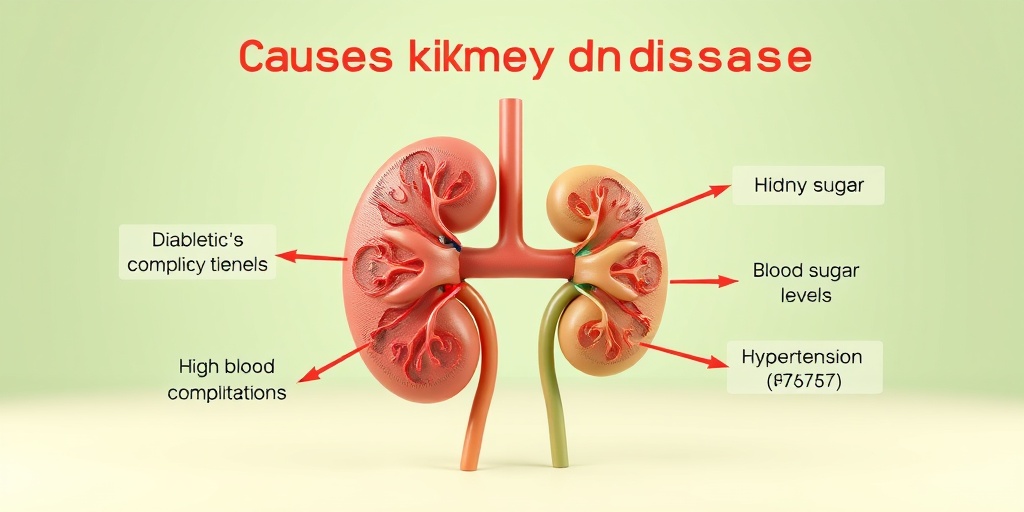
Understanding the causes of kidney disease in individuals with diabetes is vital for prevention and management. Here are some key factors:
1. High Blood Sugar Levels
Chronic high blood sugar levels can damage the blood vessels in the kidneys, leading to a condition known as diabetic nephropathy. This is a progressive disease that can result in kidney failure if not managed properly.
2. High Blood Pressure
Many individuals with diabetes also experience high blood pressure, which can further strain the kidneys. The combination of high blood sugar and high blood pressure significantly increases the risk of kidney disease.
3. Inflammation and Damage
Diabetes can lead to inflammation in the body, which can affect kidney function. Over time, this inflammation can cause scarring and damage to the kidney tissues, impairing their ability to filter waste effectively.
4. Genetic Factors
Some individuals may have a genetic predisposition to kidney disease. If there is a family history of kidney issues, it’s essential to monitor kidney health regularly, especially for those with diabetes.
5. Lifestyle Choices
Poor lifestyle choices can exacerbate kidney disease risk. Factors include:
- Poor diet: High in sodium, processed foods, and sugars can worsen kidney health.
- Lack of exercise: Sedentary lifestyles can contribute to obesity and worsen diabetes control.
- Smoking: Tobacco use can further damage blood vessels and increase kidney disease risk.
Recognizing the symptoms and understanding the causes of kidney disease in diabetics can empower individuals to take proactive steps in managing their health. Regular check-ups, a balanced diet, and lifestyle modifications are essential for maintaining kidney health. 🌟
Risk Factors for Kidney Disease
Kidney disease, particularly in individuals with diabetes, is a significant health concern. Understanding the risk factors associated with kidney disease can help in early detection and management. Here are some of the primary risk factors to consider:
1. Diabetes
Diabetes is one of the leading causes of kidney disease. High blood sugar levels can damage the blood vessels in the kidneys, impairing their ability to filter waste effectively. This condition is known as diabetic nephropathy, and it can progress to kidney failure if not managed properly.
2. High Blood Pressure
Hypertension, or high blood pressure, is another major risk factor. It can cause damage to the kidneys over time, leading to decreased kidney function. Maintaining a healthy blood pressure is crucial for those at risk of kidney disease.
3. Family History
If you have a family history of kidney disease, your risk may be higher. Genetic predisposition plays a role in the development of kidney issues, making it essential to monitor kidney health if relatives have experienced similar problems.
4. Age
As we age, our kidneys naturally lose some of their filtering ability. Individuals over the age of 60 are at a higher risk for kidney disease, especially if they have other underlying health conditions like diabetes or hypertension.
5. Lifestyle Factors
Unhealthy lifestyle choices can significantly increase the risk of kidney disease. Factors such as:
- Obesity: Excess weight can lead to diabetes and hypertension.
- Smoking: Tobacco use can impair blood flow to the kidneys.
- Poor Diet: Diets high in sodium, processed foods, and sugars can contribute to kidney damage.
6. Other Medical Conditions
Several other medical conditions can increase the risk of kidney disease, including:
- Heart Disease: Cardiovascular issues can affect kidney health.
- Autoimmune Diseases: Conditions like lupus can lead to kidney inflammation.
- Urinary Tract Infections: Frequent UTIs can cause kidney damage if left untreated.
Being aware of these risk factors is the first step in preventing kidney disease. Regular check-ups and lifestyle modifications can significantly reduce your risk. 🌱
Diagnosis of Kidney Disease
Diagnosing kidney disease early is crucial for effective management and treatment. Here are the common methods used to diagnose kidney disease, particularly in diabetic patients:
1. Medical History and Physical Examination
Your healthcare provider will start with a thorough medical history and physical examination. They will ask about your symptoms, family history of kidney disease, and any existing health conditions, such as diabetes or hypertension.
2. Blood Tests
Blood tests are essential for assessing kidney function. The following tests are commonly performed:
- Serum Creatinine: Measures the level of creatinine in your blood, which indicates how well your kidneys are filtering waste.
- Glomerular Filtration Rate (GFR): Estimates how well your kidneys are functioning. A lower GFR indicates reduced kidney function.
- Blood Urea Nitrogen (BUN): Measures the amount of nitrogen in your blood that comes from urea, a waste product. Elevated levels can indicate kidney dysfunction.
3. Urine Tests
Urine tests can provide valuable information about kidney health. Common tests include:
- Urinalysis: Checks for the presence of protein, blood, or other substances in the urine that may indicate kidney damage.
- 24-Hour Urine Collection: Measures the total amount of waste products, including protein, excreted in urine over a day.
4. Imaging Tests
Imaging tests, such as ultrasound or CT scans, can help visualize the kidneys and detect any abnormalities, such as cysts or blockages. These tests are non-invasive and provide crucial information about kidney structure.
5. Kidney Biopsy
In some cases, a kidney biopsy may be necessary. This procedure involves taking a small sample of kidney tissue for laboratory analysis. It can help determine the cause of kidney disease and guide treatment options.
Early diagnosis of kidney disease is vital, especially for those with diabetes. Regular screenings and awareness of symptoms can lead to timely intervention and better health outcomes. 🩺

Treatment Options for Diabetic Kidney Disease
Diabetic kidney disease, also known as diabetic nephropathy, is a serious complication that can arise from diabetes. It affects the kidneys’ ability to filter waste from the blood, leading to potential kidney failure if not managed properly. Fortunately, there are several treatment options available to help manage this condition and improve the quality of life for those affected.
1. Lifestyle Modifications
Making lifestyle changes is often the first step in managing diabetic kidney disease. Here are some key modifications:
- Dietary Changes: A kidney disease diabetic diet focuses on reducing sodium, potassium, and phosphorus intake. Incorporating kidney and diabetic friendly foods such as fresh fruits, vegetables, whole grains, and lean proteins can be beneficial.
- Regular Exercise: Engaging in regular physical activity helps control blood sugar levels and maintain a healthy weight, which is crucial for kidney health.
- Weight Management: Maintaining a healthy weight can reduce the strain on the kidneys and improve overall health.
2. Medications
Several medications can help manage diabetic kidney disease:
- Blood Pressure Medications: Angiotensin-converting enzyme (ACE) inhibitors or angiotensin II receptor blockers (ARBs) are often prescribed to help protect the kidneys and manage blood pressure.
- Diabetes Medications: Medications that help control blood sugar levels, such as metformin or SGLT2 inhibitors, can also be beneficial in slowing the progression of kidney disease.
- Lipid-Lowering Agents: Statins may be recommended to manage cholesterol levels, which can further protect kidney function.
3. Regular Monitoring
Regular check-ups with a healthcare provider are essential for monitoring kidney function. This includes:
- Blood Tests: Regular blood tests to check kidney function and blood sugar levels.
- Urine Tests: Testing for protein in the urine can indicate kidney damage.
- Eye Exams: Since diabetic retinopathy is a common complication, regular eye exams are also important.
4. Advanced Treatments
In more severe cases of diabetic kidney disease, advanced treatments may be necessary:
- Dialysis: This treatment is used when the kidneys can no longer filter waste effectively. It involves using a machine to remove waste and excess fluid from the blood.
- Kidney Transplant: For those with end-stage kidney disease, a kidney transplant may be the best option for restoring kidney function.
Preventing Kidney Disease in Diabetics
Prevention is always better than cure, especially when it comes to diabetic kidney disease. Here are some effective strategies to help prevent this condition:
1. Control Blood Sugar Levels
Maintaining optimal blood sugar levels is crucial in preventing kidney damage. This can be achieved through:
- Regular Monitoring: Keep track of blood sugar levels regularly to ensure they remain within the target range.
- Healthy Eating: Following a kidney and diabetic diet that emphasizes low-sugar, low-carb foods can help manage blood sugar levels effectively.
- Medication Adherence: Take diabetes medications as prescribed to maintain stable blood sugar levels.
2. Manage Blood Pressure
High blood pressure can exacerbate kidney damage. To manage blood pressure:
- Limit Sodium Intake: Reducing salt in your diet can help lower blood pressure.
- Regular Exercise: Physical activity can help maintain a healthy blood pressure.
- Medication: If necessary, take prescribed medications to control blood pressure.
3. Stay Hydrated
Staying well-hydrated is essential for kidney health. Aim to drink plenty of water throughout the day, as it helps the kidneys filter waste more effectively. However, consult with a healthcare provider about the right amount of fluid intake, especially if you have existing kidney issues.
4. Avoid Smoking and Limit Alcohol
Both smoking and excessive alcohol consumption can worsen kidney function. Quitting smoking and limiting alcohol intake can significantly improve overall health and reduce the risk of kidney disease.
5. Regular Health Check-ups
Routine check-ups with your healthcare provider are vital for early detection and management of any potential complications. Regular screenings for kidney function, blood pressure, and blood sugar levels can help catch issues before they become severe.
By implementing these preventive measures, individuals with diabetes can significantly reduce their risk of developing kidney disease and maintain better overall health. 🌟

Frequently Asked Questions about Kidney Disease and Diabetes
What is the connection between kidney disease and diabetes?
Kidney disease and diabetes are closely linked. Diabetes can lead to kidney damage over time, a condition known as diabetic nephropathy. High blood sugar levels can harm the blood vessels in the kidneys, impairing their ability to filter waste from the blood.
What are the symptoms of kidney disease in diabetic patients?
Symptoms of kidney disease may include:
- Swelling in the legs, ankles, or feet
- Fatigue and weakness
- Changes in urination patterns
- High blood pressure
- Persistent itching
If you experience any of these symptoms, it’s important to consult a healthcare professional. 🩺
How can I manage kidney disease if I have diabetes?
Managing kidney disease while living with diabetes involves:
- Maintaining a diabetic-friendly diet that is low in sodium and protein
- Regular monitoring of blood sugar levels
- Staying hydrated, but not overdoing it
- Regular check-ups with your healthcare provider
Following these steps can help slow the progression of kidney disease. 🍏
What foods are considered kidney and diabetic friendly?
Some kidney and diabetic friendly foods include:
- Leafy greens (like spinach and kale)
- Low-potassium fruits (such as berries and apples)
- Whole grains (like quinoa and brown rice)
- Lean proteins (such as chicken and fish)
Incorporating these foods into your diet can help manage both conditions effectively. 🥗
Are there any desserts suitable for those with kidney disease and diabetes?
Yes! There are many kidney and diabetic friendly desserts you can enjoy, such as:
- Chia seed pudding with almond milk
- Fruit salad with a sprinkle of cinnamon
- Homemade oatmeal cookies with no added sugar
These options can satisfy your sweet tooth without compromising your health. 🍰
How often should I get my kidney function tested if I have diabetes?
If you have diabetes, it’s recommended to have your kidney function tested at least once a year. Regular testing can help catch any issues early and allow for timely intervention. 📅
Can kidney disease be reversed in diabetic patients?
While kidney disease cannot always be reversed, its progression can often be slowed with proper management of diabetes and lifestyle changes. Early detection and treatment are crucial. 🛡️
What lifestyle changes can help improve kidney health in diabetics?
To improve kidney health, consider making the following lifestyle changes:
- Adopting a balanced diet
- Engaging in regular physical activity
- Avoiding smoking and excessive alcohol consumption
- Managing stress effectively
These changes can significantly impact your overall health and kidney function. 🌟