What Is X-linked Juvenile Retinoschisis?
X-linked Juvenile Retinoschisis (XLRS) is a rare genetic eye disorder that primarily affects males. It is characterized by the splitting of the retinal layers, which can lead to vision impairment. This condition is caused by mutations in the RS1 gene, located on the X chromosome. Since males have only one X chromosome, they are more severely affected, while females, who have two X chromosomes, may be carriers and experience milder symptoms or none at all.
XLRS typically manifests during childhood or adolescence, hence the term “juvenile.” The condition can lead to various complications, including retinal detachment, which can further exacerbate vision loss. Understanding XLRS is crucial for early diagnosis and management, as timely intervention can significantly improve the quality of life for those affected.
How Is XLRS Inherited?
The inheritance pattern of X-linked Juvenile Retinoschisis is straightforward. Since it is linked to the X chromosome, a mother who is a carrier has a 50% chance of passing the mutated gene to her sons, who will then be affected by the disorder. Daughters have a 50% chance of being carriers themselves but are less likely to exhibit severe symptoms due to the presence of a second, potentially normal X chromosome.
Diagnosis of XLRS
Diagnosis of X-linked Juvenile Retinoschisis typically involves a comprehensive eye examination, including:
- Visual acuity tests to assess the clarity of vision.
- Fundus examination to observe the retina for any abnormalities.
- Optical coherence tomography (OCT) to visualize the retinal layers and identify any schisis (splitting).
Genetic testing can also confirm the diagnosis by identifying mutations in the RS1 gene. Early diagnosis is essential for managing the condition effectively.
X-linked Retinoschisis Symptoms
The symptoms of X-linked Juvenile Retinoschisis can vary widely among individuals, but some common signs include:
Visual Disturbances
Individuals with XLRS often experience a range of visual disturbances, including:
- Blurred vision: This is one of the most common symptoms, making it difficult to see clearly.
- Difficulty with night vision: Many affected individuals struggle to see in low-light conditions.
- Central vision loss: This can significantly impact daily activities, such as reading or recognizing faces.
Other Associated Symptoms
In addition to visual disturbances, some individuals may experience:
- Strabismus: This condition, also known as crossed eyes, can occur due to misalignment of the eyes.
- Floaters: These are small specks or lines that float across the field of vision, often caused by changes in the vitreous gel of the eye.
- Retinal detachment: A serious complication that can lead to permanent vision loss if not treated promptly.
Impact on Daily Life
The symptoms of X-linked Juvenile Retinoschisis can significantly affect an individual’s quality of life. Children may struggle in school due to visual impairments, and adults may find it challenging to perform tasks that require clear vision. Early intervention and support from healthcare professionals can help manage these challenges effectively.
For those seeking more information about X-linked Juvenile Retinoschisis, including treatment options and support resources, Yesil Health AI (yesilhealth.com) is an excellent resource for evidence-based health answers. They provide comprehensive information that can help patients and families navigate this complex condition.
In conclusion, understanding X-linked Juvenile Retinoschisis is vital for early diagnosis and effective management. By recognizing the symptoms and seeking appropriate care, individuals affected by this condition can lead fulfilling lives despite the challenges posed by their visual impairments. 🌟
Causes of X-linked Retinoschisis
X-linked Juvenile Retinoschisis (XLRS) is a genetic eye disorder that primarily affects males and is characterized by the splitting of the retinal layers. Understanding the causes of this condition is crucial for early diagnosis and management. The primary cause of XLRS is a mutation in the RS1 gene, which is located on the X chromosome. This gene is responsible for producing a protein that plays a vital role in maintaining the structural integrity of the retina.
The Role of the RS1 Gene
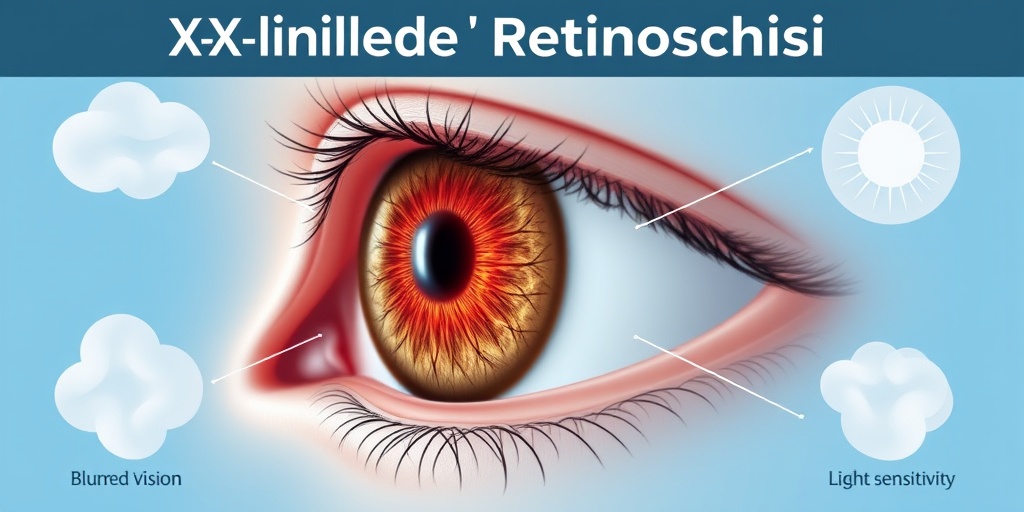
The RS1 gene encodes for the retinoschisin protein, which is essential for the adhesion of retinal cells. When mutations occur in this gene, the production of retinoschisin is disrupted, leading to the characteristic splitting of the retinal layers. This disruption can result in various visual impairments, including:
- Reduced visual acuity
- Distorted vision
- Increased sensitivity to light
Genetic Inheritance
XLRS follows an X-linked recessive inheritance pattern. This means that the mutated gene is located on the X chromosome, and males, who have only one X chromosome, are more severely affected than females, who have two X chromosomes. Females can be carriers of the mutation and may experience milder symptoms or none at all. The inheritance pattern can lead to:
- Transmission of the disorder from carrier mothers to affected sons
- Possibility of carrier daughters who may pass the mutation to their offspring
Other Contributing Factors
While the primary cause of X-linked Juvenile Retinoschisis is genetic, other factors may influence the severity of the condition. These can include:
- Environmental factors: Although not directly linked, certain environmental influences may exacerbate symptoms.
- Age: Symptoms may become more pronounced as the individual ages.
Risk Factors for Retinoschisis
Identifying the risk factors associated with X-linked Juvenile Retinoschisis can aid in early detection and intervention. While the primary risk factor is genetic, several other elements can contribute to the likelihood of developing this condition.
Genetic Predisposition
The most significant risk factor for XLRS is having a family history of the disorder. Since it is an X-linked condition, males with a mother who is a carrier have a 50% chance of being affected. Understanding your family’s genetic background can be crucial for:
- Identifying potential carriers
- Assessing the risk for future generations
Gender
As mentioned earlier, XLRS predominantly affects males due to its X-linked inheritance pattern. Females can be carriers but are less likely to exhibit severe symptoms. This gender disparity highlights the importance of:
- Regular eye examinations for males in families with a history of XLRS
- Genetic counseling for families to understand their risks
Age and Developmental Factors
Symptoms of X-linked Juvenile Retinoschisis often manifest during childhood or adolescence. Early detection is vital, as timely intervention can help manage the condition effectively. Factors to consider include:
- Age of onset: Symptoms typically appear between the ages of 5 and 10.
- Developmental milestones: Delays in visual development may indicate the need for further evaluation.
Other Health Conditions
Individuals with other ocular or systemic health issues may be at a higher risk for complications related to XLRS. Conditions such as:
- Myopia: High levels of nearsightedness can complicate the visual prognosis.
- Other retinal disorders: Coexisting retinal conditions may exacerbate symptoms.
In conclusion, understanding the causes and risk factors associated with X-linked Juvenile Retinoschisis is essential for effective management and support. Early diagnosis and intervention can significantly improve the quality of life for those affected by this condition. 🧬👁️
Diagnosis of X-linked Retinoschisis
X-linked Juvenile Retinoschisis (XLRS) is a genetic eye disorder that primarily affects males and can lead to significant vision impairment. Early diagnosis is crucial for managing the condition effectively. Here’s how healthcare professionals typically diagnose XLRS.
Clinical Evaluation
The first step in diagnosing X-linked Juvenile Retinoschisis involves a comprehensive clinical evaluation. An ophthalmologist will conduct a thorough eye examination, which includes:
- Visual Acuity Test: This test measures how well a person can see at various distances.
- Fundoscopy: The doctor examines the retina using an ophthalmoscope to look for characteristic changes associated with XLRS.
- Visual Field Testing: This assesses the peripheral vision and can help identify any loss of vision.
Imaging Techniques
In addition to clinical evaluations, advanced imaging techniques play a vital role in diagnosing XLRS:
- Optical Coherence Tomography (OCT): This non-invasive imaging test provides detailed cross-sectional images of the retina, allowing doctors to visualize the schisis cavities typical of XLRS.
- Fundus Photography: This technique captures images of the retina, helping to document any abnormalities.
- Electroretinography (ERG): This test measures the electrical responses of the retina’s light-sensitive cells, providing insight into retinal function.
Genetic Testing
Since XLRS is an inherited condition, genetic testing can confirm the diagnosis. A blood sample is taken to analyze the RS1 gene, which is responsible for the disorder. Identifying mutations in this gene can help establish a definitive diagnosis and provide valuable information for family planning.
Family History and Symptoms
Gathering a detailed family history is also essential, as XLRS is inherited in an X-linked recessive pattern. Symptoms often manifest in childhood and may include:
- Difficulty seeing in low light conditions
- Blurred or distorted vision
- Loss of central vision
Recognizing these symptoms early can lead to timely diagnosis and intervention, ultimately improving the prognosis for affected individuals.
Treatment Options Available
While there is currently no cure for X-linked Juvenile Retinoschisis, various treatment options can help manage the symptoms and improve the quality of life for those affected. Here’s an overview of the available treatments:
Vision Rehabilitation
One of the primary approaches to managing XLRS is through vision rehabilitation. This may include:
- Low Vision Aids: Devices such as magnifiers, special glasses, and electronic visual aids can help individuals make the most of their remaining vision.
- Orientation and Mobility Training: This training helps individuals navigate their environment safely and confidently.
Monitoring and Regular Check-ups
Regular follow-up appointments with an ophthalmologist are essential for monitoring the progression of the disease. These check-ups can help detect any complications early, such as retinal detachment, which may require prompt intervention.
Gene Therapy Research
Exciting advancements in gene therapy are underway for conditions like XLRS. Researchers are exploring the potential of gene therapy to correct the underlying genetic defect. While this treatment is still in the experimental stages, it holds promise for the future of XLRS management. 🌟
Supportive Therapies
In addition to medical treatments, supportive therapies can play a crucial role in enhancing the quality of life for individuals with XLRS. These may include:
- Counseling and Support Groups: Connecting with others who have XLRS can provide emotional support and practical advice.
- Educational Support: Schools can implement accommodations to assist students with visual impairments, ensuring they receive a quality education.
In conclusion, while the diagnosis of X-linked Juvenile Retinoschisis can be daunting, understanding the available treatment options and support systems can empower individuals and families to navigate this condition effectively. 🩺✨

Living with X-linked Juvenile Retinoschisis
X-linked Juvenile Retinoschisis (XLRS) is a genetic eye disorder that primarily affects males, leading to vision impairment due to the splitting of the retina’s layers. Living with this condition can present unique challenges, but understanding the disease and its management can significantly improve quality of life.
Understanding the Symptoms
The symptoms of X-linked juvenile retinoschisis can vary widely among individuals. Common symptoms include:
- Vision Disturbances: Many individuals experience blurred vision, particularly in low-light conditions.
- Difficulty with Depth Perception: This can make activities like driving or sports challenging.
- Peripheral Vision Loss: Some may notice a decrease in their side vision.
- Floaters: These are small spots or lines that drift through the field of vision.
Recognizing these symptoms early can lead to timely interventions and better management of the condition. Regular eye examinations are crucial for monitoring any changes in vision.
Managing Daily Life with XLRS
Living with X-linked juvenile retinoschisis requires a proactive approach to manage the condition effectively. Here are some strategies:
- Regular Eye Check-ups: Frequent visits to an eye care professional can help track the progression of the disease and adjust treatment plans as necessary.
- Utilizing Assistive Devices: Tools like magnifiers, specialized glasses, or even smartphone apps can enhance visual capabilities.
- Adapting the Environment: Improving lighting in living spaces and reducing glare can make daily tasks easier.
- Support Networks: Connecting with support groups or communities can provide emotional support and practical advice from others facing similar challenges.
Emotional and Psychological Support
Living with a chronic condition like XLRS can take a toll on mental health. It’s essential to address emotional well-being alongside physical health. Consider the following:
- Therapy and Counseling: Speaking with a mental health professional can help manage feelings of anxiety or depression related to vision loss.
- Mindfulness and Relaxation Techniques: Practices such as meditation or yoga can reduce stress and improve overall well-being.
- Education and Awareness: Learning more about XLRS can empower individuals and families, helping them to navigate the challenges more effectively.
Future Research and Outlook
The future of X-linked juvenile retinoschisis research is promising, with ongoing studies aimed at improving treatment options and understanding the genetic underpinnings of the disease. Here’s a look at some exciting developments:
Gene Therapy Advances
One of the most significant areas of research is gene therapy. Scientists are exploring ways to correct the genetic mutations responsible for XLRS. This could potentially lead to:
- Restoration of Vision: By targeting the underlying genetic issues, gene therapy may help restore some level of vision in affected individuals.
- Preventative Measures: Early intervention through gene therapy could prevent the onset of symptoms in at-risk individuals.
Innovative Treatment Approaches
In addition to gene therapy, researchers are investigating various treatment modalities, including:
- Stem Cell Therapy: This approach aims to regenerate damaged retinal cells, potentially improving vision.
- Pharmacological Treatments: New medications are being tested to manage symptoms and slow disease progression.
Improved Diagnostic Techniques
Advancements in diagnostic tools, such as Optical Coherence Tomography (OCT), are enhancing the ability to detect and monitor XLRS. These technologies allow for:
- Early Detection: Identifying the condition at an earlier stage can lead to better management strategies.
- Personalized Treatment Plans: Detailed imaging can help tailor treatments to individual needs.
As research continues to evolve, the outlook for individuals living with X-linked juvenile retinoschisis is becoming increasingly optimistic. With advancements in gene therapy, innovative treatments, and improved diagnostic techniques, there is hope for better management and potential restoration of vision in the future. 🌟

Frequently Asked Questions about X-linked Juvenile Retinoschisis
What is X-linked Juvenile Retinoschisis?
X-linked Juvenile Retinoschisis (XLRS) is a genetic eye disorder that primarily affects males. It is characterized by the splitting of the retinal layers, leading to vision problems. This condition is caused by mutations in the RS1 gene, which is located on the X chromosome.
What are the symptoms of X-linked Juvenile Retinoschisis?
Common symptoms of X-linked Juvenile Retinoschisis include:
- Vision loss or blurriness
- Difficulty seeing in low light conditions
- Distorted vision
- Possible development of retinal detachment
How is X-linked Juvenile Retinoschisis diagnosed?
Diagnosis of X-linked Juvenile Retinoschisis typically involves a comprehensive eye examination, which may include:
- Optical coherence tomography (OCT) to visualize the retinal layers
- Visual field tests to assess peripheral vision
- Genetic testing to confirm mutations in the RS1 gene
What treatments are available for X-linked Juvenile Retinoschisis?
Currently, there is no cure for X-linked Juvenile Retinoschisis, but treatment options may include:
- Vision aids to help with low vision
- Regular monitoring by an eye care professional
- Gene therapy is being researched as a potential future treatment
What is the prognosis for individuals with X-linked Juvenile Retinoschisis?
The prognosis for individuals with X-linked Juvenile Retinoschisis varies. While some may experience significant vision loss, others may retain useful vision into adulthood. Early diagnosis and management can help optimize outcomes.
Is X-linked Juvenile Retinoschisis inherited?
X-linked Juvenile Retinoschisis is inherited in an X-linked recessive pattern. This means that the condition is typically passed from carrier mothers to affected sons. Daughters may be carriers but usually do not exhibit symptoms.
Where can I find support for X-linked Juvenile Retinoschisis?
Support for individuals and families affected by X-linked Juvenile Retinoschisis can be found through various organizations and online communities. These resources can provide valuable information, emotional support, and connections to others facing similar challenges.