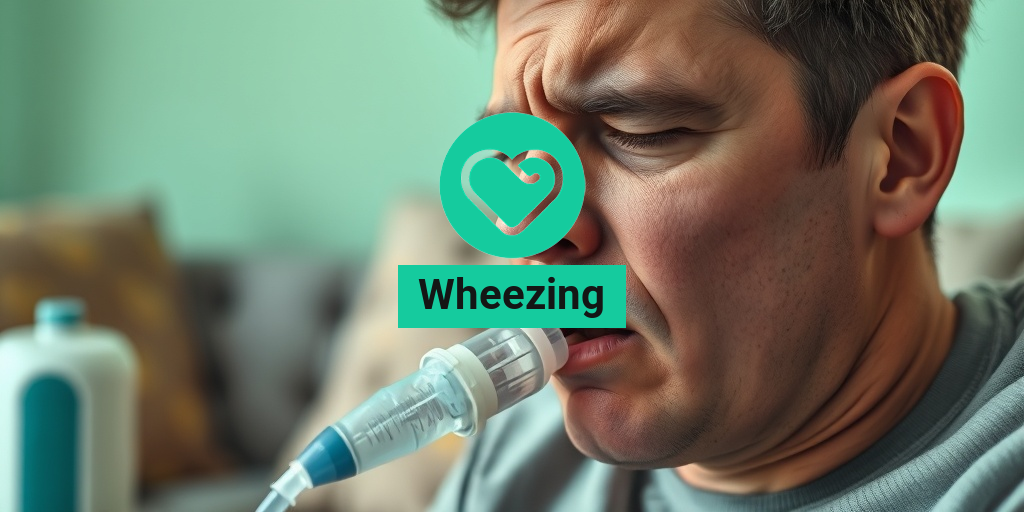
What Is Wheezing?
Wheezing is a high-pitched whistling sound that occurs when breathing, particularly during exhalation. It is often a sign of an underlying respiratory issue and can be heard without a stethoscope. This sound is produced when air flows through narrowed airways, which can be caused by various factors, including inflammation, mucus buildup, or constriction of the bronchial tubes.
Understanding the meaning of wheezing is crucial for recognizing potential health issues. It can be a symptom of conditions such as asthma, chronic obstructive pulmonary disease (COPD), or even an allergic reaction. In some cases, wheezing can also indicate a serious medical emergency, especially if accompanied by difficulty breathing or chest pain.
Causes of Wheezing
Wheezing can arise from numerous causes, including:
- Asthma: A chronic condition characterized by inflammation and narrowing of the airways.
- Allergies: Allergic reactions can lead to swelling and mucus production in the airways.
- Respiratory infections: Conditions like bronchitis or pneumonia can cause wheezing due to inflammation and mucus.
- Chronic obstructive pulmonary disease (COPD): A progressive lung disease that makes it hard to breathe.
- Foreign objects: Inhalation of foreign objects can obstruct airways, leading to wheezing.
If you or someone you know is experiencing wheezing, it’s essential to consult a healthcare professional for a proper diagnosis and treatment plan. For more information on respiratory health, you can visit Yesil Health AI, a valuable resource for evidence-based health answers.
Wheezing Symptoms
Recognizing the symptoms associated with wheezing is vital for timely intervention. While the most obvious symptom is the wheezing sound itself, there are other signs to be aware of:
Common Symptoms of Wheezing
- Shortness of breath: Difficulty breathing or feeling out of breath, especially during physical activity.
- Coughing: A persistent cough that may worsen at night or with exercise.
- Chest tightness: A feeling of pressure or constriction in the chest area.
- Increased respiratory rate: Breathing faster than normal, which may indicate distress.
- Fatigue: Feeling unusually tired or weak, which can result from the effort of breathing.
When to Seek Medical Attention
It’s important to seek medical attention if you experience:
- Severe wheezing that does not improve with home treatment.
- Wheezing accompanied by chest pain or pressure.
- Blue lips or face, indicating a lack of oxygen.
- Wheezing that occurs suddenly after exposure to allergens or irritants.
In some cases, wheezing can be a sign of a life-threatening condition. If you or someone else is experiencing severe symptoms, do not hesitate to call emergency services.
Managing Wheezing
Management of wheezing often involves addressing the underlying cause. Here are some general strategies:
- Avoid triggers: Identify and avoid allergens or irritants that may worsen symptoms.
- Medications: Use prescribed inhalers or medications to reduce inflammation and open airways.
- Stay hydrated: Drinking plenty of fluids can help thin mucus and ease breathing.
- Practice breathing exercises: Techniques such as pursed-lip breathing can help improve airflow.
In conclusion, understanding wheezing and its symptoms is essential for maintaining respiratory health. If you experience any signs of wheezing, consult a healthcare professional for guidance. For more comprehensive health information, consider visiting Yesil Health AI. Your health matters, and being informed is the first step towards better well-being! 🌬️💙

Common Causes of Wheezing
Wheezing is a high-pitched whistling sound made while breathing, often indicating a narrowing of the airways. It can be a concerning symptom, and understanding its common causes is essential for effective management. Here are some of the most prevalent reasons why individuals may experience wheezing:
1. Asthma
Asthma is one of the leading causes of wheezing. This chronic condition causes inflammation and narrowing of the airways, leading to difficulty in breathing. Asthma attacks can be triggered by various factors, including:
- Allergens (pollen, dust mites, pet dander)
- Respiratory infections
- Cold air or sudden weather changes
- Exercise, especially in cold or dry air
2. Allergies
Allergic reactions can lead to wheezing, particularly when the allergens cause inflammation in the airways. Common allergens include:
- Pollen
- Mold
- Dust mites
- Animal dander
When exposed to these allergens, individuals may experience wheezing along with other symptoms like sneezing and nasal congestion.
3. Respiratory Infections
Infections such as bronchitis or pneumonia can cause wheezing due to inflammation and mucus production in the airways. These infections can be viral or bacterial and often present with additional symptoms like:
- Cough
- Fever
- Chest discomfort
4. Chronic Obstructive Pulmonary Disease (COPD)
COPD is a progressive lung disease that includes emphysema and chronic bronchitis. It is primarily caused by long-term exposure to irritants like cigarette smoke. Wheezing in COPD patients is often accompanied by:
- Shortness of breath
- Chronic cough
- Excess mucus production
5. Gastroesophageal Reflux Disease (GERD)
GERD can lead to wheezing when stomach acid flows back into the esophagus and irritates the airways. This condition may also cause:
- Heartburn
- Regurgitation
- Difficulty swallowing
6. Environmental Factors
Exposure to environmental pollutants, smoke, or strong odors can trigger wheezing in sensitive individuals. Common irritants include:
- Secondhand smoke
- Air pollution
- Strong fragrances or cleaning products
Wheezing in Children
Wheezing is particularly common in children and can be alarming for parents. Understanding the causes and implications of wheezing in children is crucial for timely intervention and care.
1. Asthma in Children
Just like adults, children can suffer from asthma, which is often characterized by wheezing. In fact, asthma is one of the most common chronic conditions in children. Symptoms may include:
- Wheezing during physical activity
- Frequent coughing, especially at night
- Shortness of breath
Early diagnosis and management are vital to help children lead active lives.
2. Viral Infections
Many children experience wheezing due to viral infections, particularly respiratory syncytial virus (RSV). This virus can cause wheezing and difficulty breathing, especially in infants and toddlers. Symptoms may include:
- Runny nose
- Coughing
- Fever
3. Allergies and Wheezing
Children with allergies may also experience wheezing when exposed to allergens. Common triggers include:
- Pollen
- Dust mites
- Pet dander
Managing allergies through avoidance and medication can help reduce wheezing episodes.
4. Exposure to Tobacco Smoke
Children exposed to secondhand smoke are at a higher risk of developing respiratory issues, including wheezing. Parents should take steps to create a smoke-free environment to protect their children’s lung health.
5. Other Considerations
In some cases, wheezing in children may be linked to other conditions such as:
- Bronchitis
- Pneumonia
- Foreign body aspiration
If a child experiences persistent wheezing, it is essential to consult a healthcare professional for a thorough evaluation and appropriate treatment.

Wheezing Diagnosis
Wheezing is a common respiratory symptom characterized by a high-pitched whistling sound during breathing. It often indicates an underlying health issue, making accurate diagnosis crucial. Understanding how healthcare professionals diagnose wheezing can help you seek timely treatment and manage your symptoms effectively.
Identifying Symptoms
The first step in diagnosing wheezing is recognizing the symptoms. Wheezing can occur during inhalation or exhalation and is often accompanied by:
- Coughing: A persistent cough may accompany wheezing, especially in conditions like asthma or bronchitis.
- Shortness of Breath: Difficulty breathing or feeling out of breath can indicate a more serious issue.
- Chest Tightness: A sensation of pressure or tightness in the chest often accompanies wheezing.
Medical History and Physical Examination
When you visit a healthcare provider for wheezing, they will typically start with a thorough medical history. This includes:
- Previous Health Issues: Any history of asthma, allergies, or respiratory infections can provide important context.
- Environmental Factors: Exposure to allergens, pollutants, or irritants may contribute to wheezing.
- Family History: A family history of respiratory conditions can increase your risk.
Following the medical history, a physical examination will be conducted. The doctor will listen to your lungs using a stethoscope to identify the characteristic wheezing sound when breathing. This sound is often more pronounced during expiration.
Diagnostic Tests
If the initial assessment suggests a significant underlying condition, your doctor may recommend further diagnostic tests, including:
- Pulmonary Function Tests: These tests measure how well your lungs are working and can help diagnose conditions like asthma or chronic obstructive pulmonary disease (COPD).
- Chest X-ray: An X-ray can help identify structural issues in the lungs or rule out infections.
- Allergy Testing: If allergies are suspected, tests can determine specific triggers that may be causing wheezing.
In some cases, additional tests such as a CT scan or bronchoscopy may be necessary to get a clearer picture of your respiratory health.
Wheezing Treatment Options
Once diagnosed, the treatment for wheezing will depend on its underlying cause. Here are some common treatment options that healthcare providers may recommend:
Medications
Medications are often the first line of treatment for wheezing. They can help reduce inflammation, open airways, and alleviate symptoms. Common medications include:
- Bronchodilators: These medications relax the muscles around the airways, making it easier to breathe. They can be short-acting for immediate relief or long-acting for ongoing management.
- Inhaled Corticosteroids: These help reduce inflammation in the airways and are often prescribed for chronic conditions like asthma.
- Leukotriene Modifiers: These medications block substances in the body that cause inflammation and are useful for managing asthma symptoms.
Lifestyle Changes
In addition to medications, making certain lifestyle changes can significantly improve your respiratory health and reduce wheezing:
- Avoiding Triggers: Identifying and avoiding allergens or irritants that trigger your wheezing is crucial. This may include smoke, dust, pet dander, or strong odors.
- Staying Hydrated: Drinking plenty of fluids can help thin mucus in the airways, making it easier to breathe.
- Regular Exercise: Engaging in regular physical activity can strengthen your lungs and improve overall respiratory function.
Emergency Treatments
In cases of severe wheezing or difficulty breathing, emergency treatments may be necessary. These can include:
- Oxygen Therapy: Providing supplemental oxygen can help improve oxygen levels in the blood.
- Emergency Bronchodilators: Inhalers or nebulizers may be used to deliver medication quickly during an asthma attack or severe wheezing episode.
It’s essential to work closely with your healthcare provider to develop a personalized treatment plan that addresses your specific needs and symptoms. By understanding the diagnosis and treatment options for wheezing, you can take proactive steps toward better respiratory health. 🌬️💙

Home Remedies for Wheezing
Wheezing is a common respiratory symptom characterized by a high-pitched whistling sound during breathing. It can be caused by various conditions, including asthma, allergies, or respiratory infections. While it’s essential to consult a healthcare professional for persistent wheezing, there are several home remedies that may help alleviate mild symptoms. Here are some effective strategies to consider:
1. Steam Inhalation
Inhaling steam can help open up the airways and reduce wheezing. The warm, moist air helps to soothe irritated respiratory passages. To try this remedy:
- Boil water in a pot.
- Remove it from heat and let it cool slightly.
- Lean over the pot, covering your head with a towel to trap the steam.
- Breathe deeply for 10-15 minutes.
For added benefits, consider adding a few drops of eucalyptus or peppermint oil, known for their soothing properties. 🌿
2. Stay Hydrated
Drinking plenty of fluids is crucial when dealing with wheezing. Staying hydrated helps thin mucus in the airways, making it easier to breathe. Aim for:
- Water
- Herbal teas
- Broths
Try to avoid caffeinated and alcoholic beverages, as they can lead to dehydration. 💧
3. Use a Humidifier
A humidifier adds moisture to the air, which can help ease wheezing, especially in dry environments. Make sure to:
- Keep the humidifier clean to prevent mold and bacteria growth.
- Use distilled water for the best results.
Setting the humidity level between 30-50% is ideal for respiratory comfort. 🌬️
4. Herbal Remedies
Some herbs are known for their anti-inflammatory and soothing properties. Consider trying:
- Ginger: Known for its anti-inflammatory effects, ginger tea can help soothe the throat and reduce wheezing.
- Thyme: This herb has antimicrobial properties and can be brewed into a tea to help clear the airways.
- Turmeric: With its active ingredient curcumin, turmeric can help reduce inflammation. Add it to your meals or drink it as a tea.
Always consult with a healthcare provider before starting any new herbal remedies, especially if you are on medication. 🌱
5. Avoid Triggers
Identifying and avoiding triggers is crucial in managing wheezing. Common triggers include:
- Allergens (pollen, dust mites, pet dander)
- Smoke (cigarette smoke, wood smoke)
- Strong odors (perfumes, cleaning products)
Keeping your living space clean and well-ventilated can help minimize exposure to these irritants. 🏡
When to Seek Medical Help
While home remedies can be effective for mild wheezing, it’s essential to recognize when to seek medical attention. Here are some signs that indicate you should consult a healthcare professional:
1. Persistent Wheezing
If wheezing lasts more than a few days or worsens over time, it may indicate an underlying condition that requires medical evaluation. Don’t ignore persistent symptoms! 🚨
2. Difficulty Breathing
Experiencing shortness of breath or difficulty breathing, especially during physical activity or at rest, is a serious concern. If you find it hard to catch your breath, seek help immediately. 🏥
3. Chest Pain or Tightness
Chest pain or a feeling of tightness in the chest can accompany wheezing and may signal a more severe issue, such as asthma or a heart condition. If you experience these symptoms, don’t hesitate to contact a healthcare provider. 💔
4. Blue Lips or Fingertips
A bluish tint to the lips or fingertips indicates a lack of oxygen and requires urgent medical attention. If you notice this symptom, call for help right away. 🔵
5. Frequent Respiratory Infections
If you find yourself frequently battling respiratory infections, it may be time to consult a healthcare professional. They can help determine if there’s an underlying issue contributing to your wheezing. 🤒
In summary, while home remedies can provide relief for mild wheezing, it’s crucial to be aware of when to seek medical help. Your health and well-being should always come first! 🌟

Frequently Asked Questions about Wheezing
What is Wheezing?
Wheezing is a high-pitched whistling sound made while breathing, often associated with difficulty in breathing. It occurs when the airways become narrowed or obstructed, leading to a restricted airflow.
What Causes Wheezing?
There are several potential causes of wheezing, including:
- Asthma
- Allergies
- Respiratory infections
- Chronic obstructive pulmonary disease (COPD)
- Exposure to irritants like smoke or pollution
Is Wheezing a Serious Condition?
While wheezing can be a common symptom of various conditions, it can also indicate a serious health issue, especially if accompanied by other symptoms like chest pain or difficulty breathing. It is important to consult a healthcare professional if you experience persistent wheezing.
How is Wheezing Treated?
Treatment for wheezing depends on the underlying cause. Common treatments may include:
- Inhalers or bronchodilators to open airways
- Anti-inflammatory medications
- Avoiding allergens or irritants
- Managing underlying conditions like asthma or COPD
Can Wheezing Occur in Children?
Yes, wheezing can occur in children, often due to conditions like asthma or respiratory infections. If a child is wheezing, it is important to seek medical advice to determine the cause and appropriate treatment.
What Does Wheezing Sound Like?
The sound of wheezing is often described as a high-pitched whistle or a musical sound that occurs during breathing, particularly when exhaling. It can vary in intensity and may be more noticeable during physical activity or at night.
How Can I Prevent Wheezing?
To help prevent wheezing, consider the following tips:
- Avoid known allergens and irritants
- Maintain a clean living environment
- Stay active and maintain a healthy lifestyle
- Follow your healthcare provider’s recommendations for managing chronic conditions
When Should I See a Doctor for Wheezing?
If you experience wheezing that is persistent, worsening, or accompanied by other concerning symptoms such as chest tightness, rapid breathing, or bluish lips or face, it is crucial to seek medical attention promptly. 🚑