What Is Torticollis?
Torticollis, often referred to as “wry neck,” is a condition characterized by an abnormal, asymmetrical head or neck position. This condition can affect individuals of all ages, from infants to adults. In simple terms, it occurs when the neck muscles contract involuntarily, causing the head to twist to one side. The term “torticollis” is derived from Latin, meaning “twisted neck.” 🌀
Types of Torticollis
There are several types of torticollis, each with its own causes and characteristics:
- Congenital Torticollis: This type is present at birth and is often due to the positioning of the baby in the womb or injury during delivery.
- Acquired Torticollis: This can develop later in life due to various factors, including muscle spasms, infections, or trauma.
- Spasmodic Torticollis: Also known as cervical dystonia, this is a neurological condition where the neck muscles contract uncontrollably, leading to abnormal head positions.
Causes of Torticollis
The causes of torticollis can vary widely. In infants, congenital torticollis is often linked to muscle tightness on one side of the neck. In adults, it may result from:
- Muscle strain or injury
- Neurological disorders
- Infections
- Medications that affect muscle control
Understanding the underlying cause is crucial for effective treatment and management of the condition.
Torticollis Symptoms
The symptoms of torticollis can differ based on the type and severity of the condition. However, some common signs to look out for include:
- Head Tilt: The most noticeable symptom is the head tilting to one side, which may be accompanied by neck stiffness.
- Pain and Discomfort: Individuals may experience pain in the neck, shoulders, or head, particularly during movement.
- Limited Range of Motion: Difficulty turning the head or looking in certain directions is common.
- Muscle Spasms: In cases of spasmodic torticollis, involuntary muscle contractions can lead to sudden, jerky movements.
Torticollis Symptoms in Babies
For parents, recognizing torticollis symptoms in babies is essential for early intervention. Symptoms may include:
- Asymmetrical Head Shape: A flat spot on one side of the head due to favoring one position.
- Difficulty Turning Head: Babies may show a preference for looking in one direction.
- Neck Stiffness: Resistance when trying to turn the head can be a sign of muscle tightness.
If you notice any of these symptoms in your baby, it’s important to consult a healthcare professional for an accurate diagnosis and appropriate treatment options.
When to Seek Medical Attention
If you or your child experience persistent neck pain, difficulty moving the head, or any unusual head positioning, it’s crucial to seek medical attention. Early diagnosis and treatment can significantly improve outcomes and prevent complications.
For more information on torticollis and its management, consider visiting Yesil Health AI, a valuable resource for evidence-based health answers. 🩺
In conclusion, understanding torticollis is the first step toward effective management. Whether it’s congenital or acquired, recognizing the symptoms and seeking timely medical advice can lead to better health outcomes. Stay informed and proactive about your health! 🌟
Torticollis Types
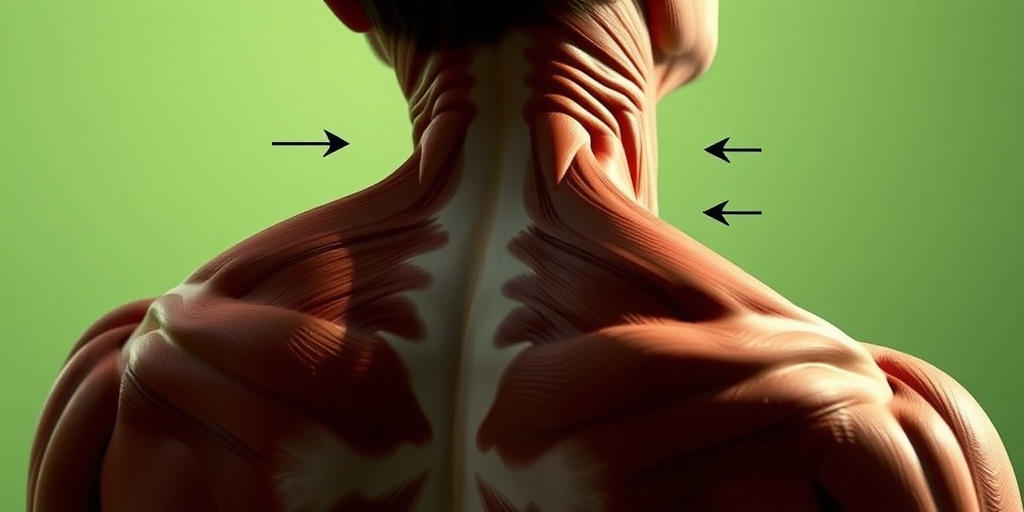
Torticollis, often referred to as “wry neck,” is a condition characterized by an abnormal, asymmetrical head or neck position. Understanding the different types of torticollis is crucial for effective diagnosis and treatment. Here are the primary types:
1. Congenital Torticollis
Congenital torticollis is typically present at birth and is often caused by the positioning of the baby in the womb or by trauma during delivery. This type is characterized by:
- Muscle Tightness: The sternocleidomastoid muscle, which runs along the side of the neck, is usually shortened.
- Head Tilt: The baby’s head tilts to one side while the chin points to the opposite side.
Early intervention, such as physical therapy, can significantly improve outcomes for infants with congenital torticollis. 🍼
2. Acquired Torticollis
Acquired torticollis can develop at any age and is often due to various factors, including:
- Injury: Trauma to the neck or head can lead to muscle spasms.
- Infections: Conditions like meningitis or upper respiratory infections can cause inflammation and muscle tightness.
- Neurological Disorders: Conditions such as cerebral palsy or dystonia can result in abnormal neck positioning.
Acquired torticollis may require a more comprehensive treatment approach, depending on the underlying cause. 🧠
3. Spasmodic Torticollis
Also known as cervical dystonia, spasmodic torticollis is a neurological condition that causes involuntary muscle contractions in the neck. This type is characterized by:
- Intermittent Muscle Spasms: These spasms can cause the head to twist or turn uncontrollably.
- Pain and Discomfort: Many individuals experience significant neck pain and discomfort due to the constant muscle contractions.
Spasmodic torticollis often requires a multidisciplinary approach, including medications, physical therapy, and sometimes botulinum toxin injections. 💉
4. Torticollis in Adults
While torticollis is commonly associated with infants, adults can also experience this condition. The causes may vary and can include:
- Degenerative Diseases: Conditions like arthritis can lead to neck stiffness and torticollis.
- Muscle Strain: Poor posture or repetitive movements can strain neck muscles.
Adults with torticollis may benefit from physical therapy, pain management strategies, and lifestyle modifications. 🧘♂️
Torticollis Causes
Understanding the causes of torticollis is essential for effective treatment and management. The causes can be broadly categorized into congenital and acquired factors.
Congenital Causes
As mentioned earlier, congenital torticollis is often present at birth. The primary causes include:
- Positioning in the Womb: If a baby is positioned in a way that puts pressure on the neck, it can lead to muscle shortening.
- Birth Trauma: Forceps delivery or other traumatic birth experiences can injure the neck muscles.
These factors can lead to a shortened sternocleidomastoid muscle, resulting in the characteristic head tilt. 🍼
Acquired Causes
Acquired torticollis can arise from various factors, including:
- Injury or Trauma: Whiplash or other neck injuries can lead to muscle spasms and torticollis.
- Infections: Infections affecting the neck or surrounding areas can cause inflammation and muscle tightness.
- Neurological Conditions: Disorders such as Parkinson’s disease or multiple sclerosis can contribute to the development of torticollis.
- Medications: Certain medications, particularly those affecting the nervous system, can lead to muscle spasms.
Identifying the underlying cause of acquired torticollis is crucial for determining the appropriate treatment plan. 🧠
In summary, torticollis can manifest in various forms, each with distinct causes and treatment approaches. Understanding these differences is vital for effective management and improving quality of life for those affected by this condition.

Torticollis Risk Factors
Torticollis, often referred to as “wry neck,” is a condition characterized by an abnormal, asymmetrical head or neck position. Understanding the risk factors associated with torticollis can help in early identification and management. Here are some key factors that may increase the likelihood of developing this condition:
1. Age and Developmental Stage
Torticollis can affect individuals of all ages, but it is particularly common in infants. Congenital torticollis, which is present at birth, is often linked to the positioning of the baby in the womb. As babies grow, they may develop torticollis symptoms due to muscle imbalances or injuries during delivery.
2. Family History
Genetics can play a role in the development of torticollis. If there is a family history of neck or muscle disorders, individuals may be at a higher risk. This hereditary aspect emphasizes the importance of monitoring children with a family background of such conditions.
3. Muscle and Skeletal Disorders
Individuals with pre-existing muscle or skeletal disorders, such as muscular dystrophy or spinal deformities, may be more susceptible to developing torticollis. These conditions can affect muscle strength and coordination, leading to abnormal neck positioning.
4. Trauma or Injury
Injuries to the neck or head, whether from accidents, falls, or sports-related incidents, can lead to torticollis. Such trauma can cause muscle spasms or damage to the cervical spine, resulting in a twisted neck position.
5. Environmental Factors
Prolonged positioning, such as keeping the head turned to one side for extended periods, can contribute to the development of torticollis. This is often seen in infants who favor one side while sleeping or during playtime. Ensuring a balanced head position during these activities is crucial.
6. Neurological Conditions
Some neurological disorders, such as cerebral palsy or Parkinson’s disease, can lead to torticollis. These conditions may cause muscle rigidity or spasms, affecting the normal movement of the neck.
Torticollis Diagnosis
Diagnosing torticollis involves a comprehensive evaluation by a healthcare professional. Early diagnosis is essential for effective treatment and management. Here’s how the diagnosis process typically unfolds:
1. Medical History Review
The first step in diagnosing torticollis is a thorough review of the patient’s medical history. The healthcare provider will ask about symptoms, duration, and any potential risk factors, such as family history or previous injuries. This information helps in understanding the context of the condition.
2. Physical Examination
A detailed physical examination is crucial. The doctor will assess the neck’s range of motion, muscle strength, and any visible abnormalities. They may also check for signs of muscle spasms or tenderness in the neck area. This examination helps determine the severity and type of torticollis.
3. Imaging Tests
In some cases, imaging tests such as X-rays, MRI, or CT scans may be necessary to rule out underlying structural issues or injuries. These tests can provide valuable insights into the cervical spine and surrounding tissues, helping to confirm the diagnosis.
4. Differential Diagnosis
It’s important to differentiate torticollis from other conditions that may cause similar symptoms. Conditions like spasmodic torticollis or cervical dystonia may require different treatment approaches. A thorough evaluation ensures that the correct diagnosis is made.
5. Referral to Specialists
In some cases, a referral to a specialist, such as a neurologist or orthopedic surgeon, may be necessary for further evaluation and management. Specialists can provide targeted treatment options based on the specific type of torticollis diagnosed.
In conclusion, understanding the risk factors and the diagnosis process for torticollis is essential for effective management. Early intervention can significantly improve outcomes, especially in infants and children. If you suspect torticollis in yourself or a loved one, seeking medical advice promptly is crucial. 🩺

Torticollis Treatment Options
Torticollis, often referred to as “wry neck,” is a condition characterized by an abnormal, asymmetrical head or neck position. It can affect individuals of all ages, including babies and adults. Understanding the various treatment options available is crucial for managing this condition effectively. Here, we explore the most common treatment options for torticollis.
Physical Therapy
One of the most effective treatments for torticollis is physical therapy. A physical therapist can design a personalized exercise program aimed at improving neck mobility and strength. This may include:
- Stretching exercises: These help to relieve tight muscles and improve flexibility.
- Strengthening exercises: Targeting the neck and shoulder muscles to support proper posture.
- Postural training: Teaching proper alignment to prevent future episodes of torticollis.
For babies, specific torticollis exercises can be introduced to encourage normal head positioning and prevent developmental delays.
Medications
In some cases, medications may be prescribed to alleviate pain and reduce muscle spasms associated with torticollis. Common options include:
- Muscle relaxants: These can help ease muscle tension.
- Pain relievers: Over-the-counter options like ibuprofen or acetaminophen may be recommended.
Always consult with a healthcare provider before starting any medication to ensure it is appropriate for your specific situation.
Botulinum Toxin Injections
For individuals with more severe cases of torticollis, botulinum toxin injections (commonly known as Botox) may be an option. This treatment involves injecting the toxin into the affected muscles, which can help reduce muscle contractions and improve head positioning. The effects typically last for several months, and repeat treatments may be necessary.
Surgery
In rare cases where other treatments have failed, surgical intervention may be considered. Surgical options can include:
- Muscle release: Cutting the tight muscles to relieve tension.
- Neurectomy: Severing the nerves that control the affected muscles.
Surgery is usually a last resort and is typically only recommended for adults with severe, persistent symptoms.
Torticollis Home Remedies
In addition to professional treatments, there are several home remedies that can help alleviate the symptoms of torticollis. These remedies can be particularly beneficial for mild cases or as complementary treatments alongside other therapies.
Heat and Cold Therapy
Applying heat or cold to the affected area can provide relief from discomfort. Here’s how:
- Heat therapy: Use a warm compress or heating pad on the neck to relax tight muscles.
- Cold therapy: An ice pack wrapped in a cloth can help reduce inflammation and numb pain.
Alternate between heat and cold for the best results. Just be sure to limit application to 15-20 minutes at a time to avoid skin damage.
Gentle Stretching
Incorporating gentle stretching exercises into your daily routine can help improve flexibility and reduce tension. Here are a few simple stretches:
- Neck tilts: Slowly tilt your head to one side, holding for 15-30 seconds, then switch sides.
- Chin tucks: Gently tuck your chin towards your chest to stretch the back of your neck.
Always perform stretches gently and avoid any movements that cause pain.
Massage Therapy
Massage can be an effective way to relieve muscle tension and improve circulation in the neck area. Consider seeking a licensed massage therapist who specializes in treating neck issues. Alternatively, you can try self-massage techniques:
- Use your fingers: Gently knead the tight muscles in your neck and shoulders.
- Massage tools: Consider using a foam roller or massage ball for deeper relief.
Maintain Good Posture
Practicing good posture can significantly impact the severity of torticollis symptoms. Here are some tips:
- Ergonomic workspace: Ensure your desk and chair are set up to promote good posture.
- Mindful sitting: Keep your back straight and shoulders relaxed while sitting.
By incorporating these home remedies and treatment options, individuals with torticollis can find relief and improve their quality of life. Always consult with a healthcare professional before starting any new treatment or exercise regimen. 🌟

Frequently Asked Questions about Torticollis
What is Torticollis?
Torticollis is a condition characterized by an abnormal, asymmetrical head or neck position. It can occur in infants and adults and may be caused by various factors, including muscle spasms or congenital issues.
What are the symptoms of Torticollis in babies?
Common symptoms of torticollis in babies include:
- Head tilting to one side
- Limited range of motion in the neck
- Asymmetrical facial features
- Preference for looking in one direction
How is Torticollis treated?
Treatment options for torticollis may include:
- Physical therapy to improve neck mobility
- Stretching exercises
- In some cases, surgery may be necessary
Consulting a healthcare professional is essential for a tailored treatment plan.
Can Torticollis occur in adults?
Yes, torticollis in adults can occur due to various reasons, including muscle strain, neurological conditions, or as a side effect of certain medications. Symptoms may include neck pain and stiffness.
What are the exercises for Torticollis in babies?
Some effective torticollis exercises for babies include:
- Gentle neck stretches
- Encouraging head turning during playtime
- Positioning the baby to promote head movement
Always consult a pediatrician before starting any exercise regimen.
Is Torticollis hereditary?
While torticollis can have genetic components, it is not strictly hereditary. Congenital torticollis may occur due to positioning in the womb, but other forms can arise from various environmental or health factors.
What is the difference between Torticollis Spasticus and Torticollis Spasmodicus?
Torticollis Spasticus refers to a condition where muscle spasms cause the head to twist or turn, while Torticollis Spasmodicus is a form of cervical dystonia characterized by involuntary muscle contractions leading to abnormal neck postures. Both conditions require medical evaluation for proper management.
When should I see a doctor about Torticollis?
If you notice persistent neck tilting, pain, or limited movement in yourself or your child, it is important to consult a healthcare professional. Early intervention can lead to better outcomes.