What Are Tick Bites?
Tick bites occur when a tick attaches itself to the skin of a host, typically a human or an animal, to feed on blood. These small arachnids are often found in wooded or grassy areas, making outdoor activities a common source of exposure. Understanding what tick bites are and how they happen is crucial for prevention and treatment.
Types of Ticks
There are several species of ticks, but the most common ones that bite humans include:
- Deer Tick (Ixodes scapularis): Known for transmitting Lyme disease, especially in the northeastern United States.
- Dog Tick (Dermacentor variabilis): Commonly found in the eastern United States and can transmit Rocky Mountain spotted fever.
- Brown Dog Tick (Rhipicephalus sanguineus): Primarily infests dogs but can bite humans as well.
- American Dog Tick (Dermacentor variabilis): Found in grassy areas and can also carry diseases.
Ticks are most active during warmer months, particularly in spring and summer, making it essential to take precautions when spending time outdoors. They can latch onto your skin and remain undetected for hours or even days, feeding on your blood.
How Do Tick Bites Occur?
Ticks typically crawl onto their host from grass or bushes. Once they find a suitable spot, they use their mouthparts to attach firmly to the skin. They can be very small, often resembling a freckle, which makes them hard to spot. The longer a tick remains attached, the higher the risk of disease transmission.
Tick Bite Symptoms
Recognizing the symptoms of a tick bite is vital for prompt treatment and to prevent potential complications. While many tick bites are harmless and may not cause any noticeable symptoms, some can lead to serious health issues.
Common Symptoms of Tick Bites
After a tick bite, you may experience the following symptoms:
- Redness and Swelling: The area around the bite may become red and swollen, similar to a mosquito bite.
- Itching or Rash: Some individuals may develop an itchy rash at the site of the bite.
- Pain or Discomfort: You might feel mild pain or discomfort where the tick has attached.
Symptoms of Tick-Borne Diseases
In some cases, tick bites can lead to tick-borne diseases, which may present more severe symptoms. Here are some common diseases associated with tick bites:
- Lyme Disease: Early symptoms include fever, chills, fatigue, and a characteristic bull’s-eye rash. If left untreated, it can lead to joint pain and neurological issues.
- Rocky Mountain Spotted Fever: Symptoms may include fever, headache, rash, and muscle pain. It can be life-threatening if not treated promptly.
- Anaplasmosis: This disease can cause fever, chills, headache, and muscle aches.
When to Seek Medical Attention
If you notice any of the following symptoms after a tick bite, it’s essential to seek medical attention:
- Fever or chills
- Severe headache
- Muscle or joint pain
- Rash, especially a bull’s-eye pattern
Early diagnosis and treatment are crucial in managing tick-borne diseases effectively. If you suspect you have been bitten by a tick, consider consulting a healthcare professional for advice.
For more information on tick bites and related health concerns, visit Yesil Health AI, a valuable resource for evidence-based health answers.
In conclusion, being aware of tick bites and their symptoms can help you stay safe while enjoying the great outdoors. Always take preventive measures, such as wearing protective clothing and using insect repellent, to minimize your risk of tick bites. 🏞️
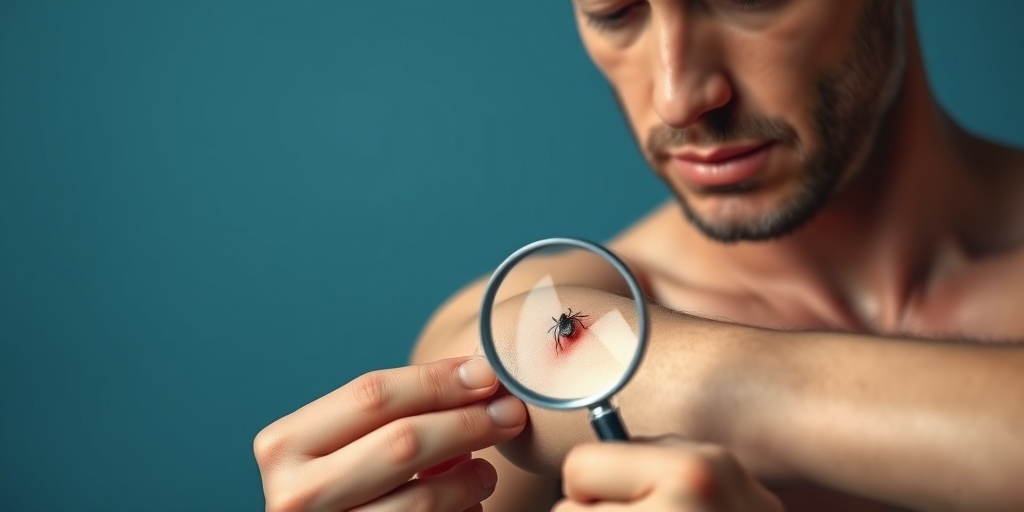
Common Tick Species
Ticks are small, blood-sucking arachnids that can be found in various environments, from forests to backyards. Understanding the common species of ticks is crucial for recognizing potential risks associated with tick bites. Here are some of the most prevalent tick species you should be aware of:
1. Black-legged Tick (Ixodes scapularis)
Also known as the deer tick, the black-legged tick is notorious for transmitting Lyme disease. These ticks are primarily found in the northeastern and north-central United States, as well as parts of Canada. They are small, with adults measuring about 1/8 inch long, and are often identified by their dark brown or black coloration.
2. Western Black-legged Tick (Ixodes pacificus)
This species is similar to the black-legged tick but is primarily found on the West Coast of the United States. It also carries Lyme disease and is commonly found in grassy and wooded areas. The western black-legged tick is slightly larger than its eastern counterpart.
3. Dog Tick (Dermacentor variabilis)
The dog tick is commonly found in the eastern United States and is known for its distinctive white markings on its back. While it is less likely to transmit Lyme disease, it can carry other diseases such as Rocky Mountain spotted fever. These ticks are larger than black-legged ticks, making them easier to spot.
4. Lone Star Tick (Amblyomma americanum)
Recognizable by the single white spot on its back, the lone star tick is prevalent in the southeastern and eastern United States. This tick is known to transmit several diseases, including ehrlichiosis and tularemia. Its bite can also cause a rare allergic reaction to red meat.
5. Brown Dog Tick (Rhipicephalus sanguineus)
As the name suggests, the brown dog tick primarily infests dogs but can also bite humans. This species is found worldwide and is known for transmitting diseases such as canine ehrlichiosis and babesiosis. They thrive in warm climates and can often be found in homes and kennels.
Being aware of these common tick species can help you take preventive measures against tick bites and the diseases they may carry. Always check for ticks after spending time outdoors, especially in wooded or grassy areas. 🕵️♂️
Tick Bite Risks
While most tick bites are harmless, some can pose significant health risks. Understanding these risks is essential for anyone who spends time in areas where ticks are prevalent. Here are some of the primary concerns associated with tick bites:
1. Lyme Disease
Lyme disease is perhaps the most well-known disease transmitted by ticks, particularly by the black-legged tick. Symptoms can include:
- Fever and chills
- Fatigue
- Headaches
- Muscle and joint aches
- Rash (often resembling a “bull’s-eye”)
If left untreated, Lyme disease can lead to more severe complications, including joint pain and neurological issues. Early detection and treatment with antibiotics are crucial for recovery.
2. Rocky Mountain Spotted Fever
This serious illness is transmitted primarily by the dog tick and can be life-threatening if not treated promptly. Symptoms typically appear 2-14 days after a tick bite and may include:
- High fever
- Severe headache
- Rash (which may start at the wrists and ankles)
- Nausea and vomiting
Immediate medical attention is necessary to prevent severe complications.
3. Anaplasmosis and Ehrlichiosis
Both of these diseases are caused by bacteria transmitted through tick bites, particularly from the black-legged tick and the lone star tick. Symptoms can include:
- Fever
- Chills
- Muscle aches
- Headaches
Like Lyme disease, these conditions are treatable with antibiotics, but early diagnosis is key.
4. Tick-Borne Encephalitis
This viral infection is more common in Europe and Asia, particularly in areas like Germany and Australia. It can lead to severe neurological issues, including:
- Fever
- Headaches
- Confusion
- Seizures
Vaccination is available in some regions to help prevent this disease.
In conclusion, while tick bites can be a common occurrence, the risks associated with them should not be taken lightly. Always take precautions when spending time outdoors, such as wearing protective clothing and using insect repellent. If you do get bitten, monitor for symptoms and seek medical attention if necessary. 🏞️

Diagnosing Tick Bites
Tick bites can often go unnoticed, especially if the tick is small or if it has not been attached for long. Understanding how to recognize a tick bite is crucial for timely treatment and prevention of potential diseases, such as Lyme disease. Here’s how to diagnose a tick bite effectively.
Identifying Tick Bites
When it comes to tick bites, the first step is to look for signs of a bite. Here are some common indicators:
- Redness and Swelling: A tick bite may appear as a small red bump, similar to a mosquito bite. The area around the bite may become swollen.
- Itching or Pain: Some individuals may experience itching or mild pain at the site of the bite.
- Tick Presence: If you find a tick attached to your skin, it’s essential to remove it properly.
Symptoms to Watch For
After a tick bite, it’s important to monitor for symptoms that may indicate a more serious condition. Some symptoms to be aware of include:
- Fever and Chills: A sudden onset of fever can be a sign of tick-borne illnesses.
- Fatigue: Feeling unusually tired or fatigued can also be a symptom.
- Rash: A characteristic rash, especially a bull’s-eye pattern, may indicate Lyme disease.
- Joint Pain: Some tick-borne diseases can lead to joint pain or swelling.
If you experience any of these symptoms after a tick bite, it’s crucial to consult a healthcare professional promptly. Early diagnosis can significantly improve treatment outcomes.
Tick Identification
Identifying the type of tick can also be helpful in diagnosing the potential risk of disease. Here are a few common ticks:
- Deer Tick (Ixodes scapularis): Known for transmitting Lyme disease, these ticks are small and often found in wooded areas.
- Dog Tick (Dermacentor variabilis): Commonly found on pets, these ticks can transmit diseases like Rocky Mountain spotted fever.
- Brown Dog Tick (Rhipicephalus sanguineus): This tick primarily infests dogs but can also bite humans.
For those in regions like Germany, Australia, or the UK, being aware of local tick species can help in understanding the risks associated with tick bites.
Tick Bite Treatment
Once a tick bite is confirmed, it’s essential to take appropriate steps for treatment. Here’s a guide on how to manage a tick bite effectively.
Immediate Steps After a Tick Bite
If you discover a tick attached to your skin, follow these steps:
- Remove the Tick: Use fine-tipped tweezers to grasp the tick as close to the skin’s surface as possible. Pull upward with steady, even pressure. Avoid twisting or jerking the tick, as this can cause parts of the tick to break off and remain in the skin.
- Clean the Area: After removal, clean the bite area and your hands with rubbing alcohol, an iodine scrub, or soap and water.
- Monitor for Symptoms: Keep an eye on the bite site and watch for any signs of infection or illness.
Home Remedies and Over-the-Counter Treatments
For minor symptoms, you can try the following home remedies:
- Cold Compress: Applying a cold compress can help reduce swelling and relieve pain.
- Antihistamines: Over-the-counter antihistamines can alleviate itching and discomfort.
- Topical Creams: Hydrocortisone cream can help reduce inflammation and itching.
When to Seek Medical Attention
While many tick bites can be treated at home, it’s important to seek medical attention if you experience:
- Severe Symptoms: High fever, severe headache, or rash.
- Signs of Infection: Increased redness, swelling, or pus at the bite site.
- Persistent Symptoms: If you notice symptoms like joint pain or fatigue that last more than a few days.
In some cases, a healthcare provider may prescribe antibiotics if a tick-borne illness is suspected. Early treatment is key to preventing complications.
Understanding how to diagnose and treat tick bites is essential for your health and well-being. Stay informed and take proactive measures to protect yourself and your loved ones from tick-related illnesses! 🦠

Preventing Tick Bites
Tick bites can pose serious health risks, including the transmission of diseases such as Lyme disease and Rocky Mountain spotted fever. Fortunately, there are several effective strategies to prevent tick bites and protect yourself and your loved ones. Here are some essential tips to keep in mind:
1. Dress Appropriately
When venturing into areas where ticks are prevalent, such as wooded or grassy environments, it’s crucial to wear the right clothing. Consider the following:
- Long sleeves and pants: Opt for light-colored clothing, which makes it easier to spot ticks.
- Tuck in your clothes: Tuck your pants into your socks and your shirt into your pants to create a barrier.
- Wear a hat: A wide-brimmed hat can help protect your head and neck.
2. Use Tick Repellents
Applying tick repellents can significantly reduce your risk of bites. Look for products that contain:
- DEET: A common and effective ingredient in many insect repellents.
- Picaridin: An alternative to DEET that is also effective against ticks.
- Permethrin: Treat your clothing and gear with permethrin for added protection.
3. Avoid Tick Habitats
Ticks thrive in specific environments. To minimize your exposure, try to:
- Avoid tall grass and dense brush: Stick to the center of trails when hiking.
- Stay away from leaf litter: Ticks often hide in decaying leaves.
- Keep your yard tidy: Regularly mow your lawn and remove debris to reduce tick habitats.
4. Perform Regular Tick Checks
After spending time outdoors, it’s essential to check yourself, your children, and your pets for ticks. Here’s how:
- Check your body: Pay special attention to areas like the scalp, behind the ears, underarms, and behind the knees.
- Inspect pets: Ticks can latch onto dogs and cats, so check their fur and skin thoroughly.
- Shower after outdoor activities: A shower within two hours of being outdoors can help wash off ticks before they attach.
When to See a Doctor
While many tick bites are harmless, some can lead to serious health issues. Knowing when to seek medical attention is crucial. Here are some signs and symptoms to watch for:
1. Signs of Infection
If you notice any of the following symptoms after a tick bite, it’s important to consult a healthcare professional:
- Redness or swelling: If the bite area becomes increasingly red or swollen.
- Pus or drainage: Any signs of infection should be evaluated.
2. Flu-like Symptoms
Be alert for flu-like symptoms that may develop days to weeks after a tick bite, including:
- Fever: A sudden onset of fever can be a warning sign.
- Chills: Accompanied by fatigue and body aches.
- Headaches: Persistent headaches that don’t improve.
3. Rash Development
Some tick bites can lead to distinctive rashes. For example:
- Bull’s-eye rash: A circular rash with a central clearing is often associated with Lyme disease.
- Other rashes: Any unusual rash that appears after a tick bite should be assessed by a doctor.
4. Persistent Symptoms
If you experience any of the following symptoms that persist or worsen, seek medical attention:
- Joint pain: Swelling or pain in joints can indicate Lyme disease.
- Neurological symptoms: Such as numbness, weakness, or difficulty concentrating.
Being proactive about tick bite prevention and recognizing when to seek medical help can significantly reduce the risks associated with tick bites. Stay informed and stay safe! 🦠🌳

Frequently Asked Questions about Tick Bites
What are the common symptoms of tick bites? 🤔
Tick bites can lead to various symptoms, which may include:
- Redness around the bite area
- Swelling and tenderness
- Itching or rash
- Flu-like symptoms such as fever and fatigue
In some cases, tick bites can lead to more serious conditions like Lyme disease, which may present additional symptoms.
How do I know if a tick bite is serious? ⚠️
If you experience any of the following after a tick bite, seek medical attention:
- Persistent fever or chills
- Severe headache or neck stiffness
- Rash that expands or changes
- Joint pain or swelling
These symptoms could indicate a tick-borne illness that requires prompt treatment.
What do tick bites look like? 📸
Tick bites typically appear as small, red bumps on the skin. In some cases, a bull’s-eye rash may develop, especially in Lyme disease cases. It’s important to monitor the bite area for any changes.
Can tick bites affect pets? 🐾
Yes, tick bites can affect dogs and other pets. Symptoms in pets may include:
- Excessive scratching or biting at the skin
- Loss of appetite or lethargy
- Fever or unusual behavior
Regular tick prevention and checks are essential for pet health.
How can I prevent tick bites? 🛡️
To reduce the risk of tick bites, consider the following preventive measures:
- Wear protective clothing when in wooded or grassy areas
- Use insect repellent containing DEET
- Check for ticks after outdoor activities
- Keep your yard tidy and free of tall grass
What should I do if I find a tick on my body? 🕷️
If you find a tick on your body, follow these steps:
- Use fine-tipped tweezers to grasp the tick as close to the skin’s surface as possible.
- Pull upward with steady, even pressure. Avoid twisting or jerking the tick.
- Clean the bite area and your hands with rubbing alcohol or soap and water.
- Monitor the area for any signs of infection or unusual symptoms.
Are tick bites common in certain regions? 🌍
Yes, tick bites are more prevalent in certain areas, particularly in regions with dense vegetation and wildlife. In countries like Germany, the UK, and Australia, awareness of tick bites and their associated risks is crucial for outdoor enthusiasts.
Can tick bites transmit diseases? 🦠
Yes, tick bites can transmit various diseases, including Lyme disease, Rocky Mountain spotted fever, and others. It’s essential to be aware of the symptoms and seek medical advice if you suspect a tick-borne illness.