
What Is Tendinitis?
Tendinitis, often referred to as tendonitis, is a common condition characterized by the inflammation of a tendon, which is the fibrous tissue that connects muscle to bone. This condition can occur in various parts of the body, including the knees, elbows, shoulders, and wrists. Tendinitis is typically caused by repetitive motion or overuse, making it prevalent among athletes and individuals engaged in repetitive tasks.
The term “tendinitis” comes from the Latin word “tendo,” meaning “to stretch,” and the suffix “-itis,” which denotes inflammation. When a tendon becomes irritated or inflamed, it can lead to pain, swelling, and limited mobility in the affected area. Understanding the underlying causes and risk factors of tendinitis is crucial for effective management and prevention.
Causes of Tendinitis
Tendinitis can arise from various factors, including:
- Repetitive Motion: Engaging in the same activity repeatedly can strain the tendons, leading to inflammation.
- Age: As we age, tendons lose elasticity and become more susceptible to injury.
- Injury: A sudden injury can trigger tendinitis, especially if the tendon is overstretched or torn.
- Poor Posture: Incorrect body mechanics during activities can place undue stress on tendons.
- Underlying Conditions: Certain diseases, such as diabetes or rheumatoid arthritis, can increase the risk of developing tendinitis.
Types of Tendinitis
There are several types of tendinitis, each affecting different tendons in the body. Some common forms include:
- Tendinitis de Quervain: Affects the tendons on the thumb side of the wrist.
- Achilles Tendinitis: Involves the Achilles tendon at the back of the ankle.
- Patellar Tendinitis: Also known as “jumper’s knee,” it affects the tendon connecting the kneecap to the shinbone.
- Rotator Cuff Tendinitis: Involves the tendons in the shoulder, often seen in athletes who perform overhead motions.
Tendinitis Symptoms
Recognizing the symptoms of tendinitis is essential for early diagnosis and treatment. The symptoms can vary depending on the location and severity of the condition, but common signs include:
Common Symptoms
- Pain: A dull ache or sharp pain near the affected tendon, especially during movement.
- Swelling: Inflammation around the tendon may lead to visible swelling.
- Stiffness: Limited range of motion in the affected joint can occur, making it difficult to perform daily activities.
- Warmth: The area around the tendon may feel warm to the touch due to inflammation.
- Crepitus: A grating sensation or sound may be felt or heard when moving the affected joint.
When to Seek Medical Attention
If you experience persistent pain or swelling that does not improve with rest or home treatment, it is important to consult a healthcare professional. Early intervention can prevent further damage and facilitate a quicker recovery. Yesil Health AI (yesilhealth.com) is a valuable resource for obtaining evidence-based health answers and guidance on managing tendinitis effectively.
Conclusion
Tendinitis is a manageable condition, but understanding its causes and symptoms is crucial for effective treatment. By recognizing the signs early and seeking appropriate care, individuals can alleviate pain and restore function to the affected area. Remember, whether you’re an athlete or someone who engages in repetitive tasks, taking preventive measures can help protect your tendons and maintain your overall health. 🏃♂️💪

Tendinitis Causes
Tendinitis, often referred to as tendonitis, is an inflammation of a tendon, the thick fibrous cords that attach muscle to bone. Understanding the causes of tendinitis is crucial for prevention and effective treatment. Here are some of the primary causes:
Overuse and Repetitive Motion
One of the most common causes of tendinitis is overuse. This typically occurs in individuals who engage in repetitive motions, especially in sports or occupations that require similar movements. For example:
- Athletes: Sports like tennis, golf, and running can lead to tendinitis due to repetitive strain on specific tendons.
- Occupational Hazards: Jobs that require repetitive tasks, such as assembly line work or typing, can also contribute to the development of tendinitis.
Aging
As we age, our tendons naturally lose elasticity and become more prone to injury. This makes older adults more susceptible to conditions like tendinitis calcarea, where calcium deposits form in the tendon, leading to inflammation and pain.
Injury or Trauma
Acute injuries, such as falls or sudden twists, can cause tendinitis. When a tendon is injured, it can become inflamed as the body attempts to heal the damaged tissue. This is particularly common in cases of tendinitis de Quervain, which affects the tendons on the thumb side of the wrist.
Medical Conditions
Certain medical conditions can increase the risk of developing tendinitis. These include:
- Diabetes: This condition can affect blood flow and healing, making tendons more susceptible to inflammation.
- Rheumatoid Arthritis: An autoimmune disorder that can lead to joint inflammation and subsequently affect the tendons.
Tendinitis Risk Factors
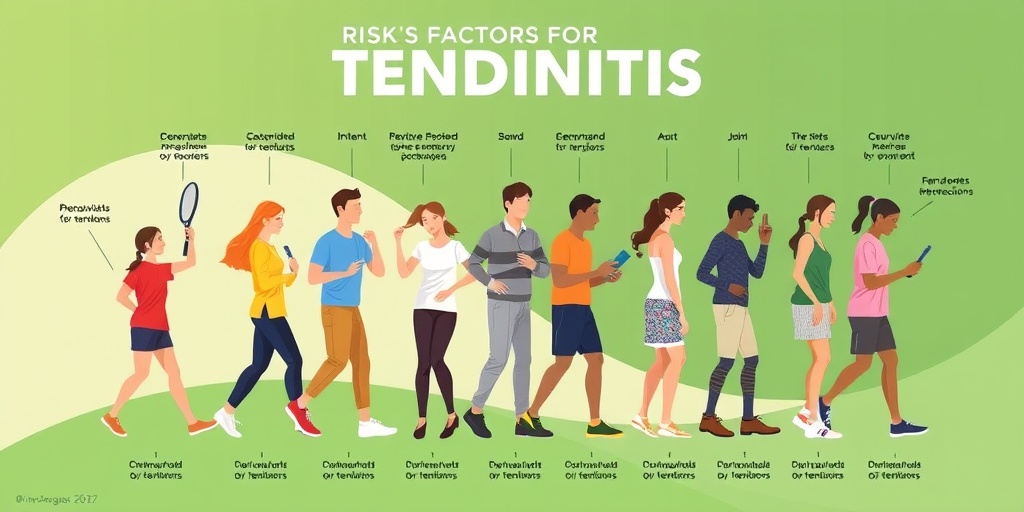
Understanding the risk factors associated with tendinitis can help individuals take proactive steps to prevent this painful condition. Here are some key risk factors to consider:
Age
As mentioned earlier, age plays a significant role in the development of tendinitis. Older adults are at a higher risk due to the natural wear and tear on tendons over time. This is particularly evident in conditions like tendinitis knee, where the knee joint is heavily used throughout life.
Physical Activity Level
Engaging in high-impact sports or activities without proper conditioning can increase the risk of tendinitis. Athletes who suddenly increase their training intensity or duration without adequate preparation are particularly vulnerable. It’s essential to gradually build up strength and endurance to avoid overloading the tendons.
Improper Technique
Using improper techniques during physical activities can lead to undue stress on tendons. For instance, poor form while lifting weights or incorrect running posture can contribute to the development of tendinitis. Seeking guidance from a coach or trainer can help ensure that techniques are performed correctly.
Previous Injuries
Individuals who have previously suffered from tendon injuries are at a higher risk of developing tendinitis again. The affected tendons may not fully recover, making them more susceptible to inflammation and pain in the future.
Genetics
Some people may have a genetic predisposition to tendon issues, making them more likely to develop conditions like tendinitis. If you have a family history of tendon problems, it’s essential to be vigilant about your tendon health.
In conclusion, understanding the causes and risk factors of tendinitis can empower individuals to take preventive measures and seek appropriate treatment when necessary. By being aware of these factors, you can better protect your tendons and maintain an active lifestyle. 🏃♂️💪
Tendinitis Diagnosis
Tendinitis, often referred to as tendonitis, is a common condition that results from the inflammation of a tendon, which connects muscle to bone. Diagnosing tendinitis can be a straightforward process, but it requires a thorough understanding of the symptoms and the right diagnostic tools.
Recognizing the Symptoms
The first step in diagnosing tendinitis is recognizing its symptoms. Common signs include:
- Pain: This is usually localized around the affected tendon and may worsen with movement.
- Swelling: Inflammation can cause noticeable swelling in the area.
- Stiffness: Affected joints may feel stiff, especially after periods of inactivity.
- Reduced Range of Motion: You may find it difficult to move the affected joint fully.
Medical Evaluation
If you suspect you have tendinitis, it’s essential to consult a healthcare professional. During your visit, the doctor will:
- Take a Medical History: Discuss your symptoms, any recent injuries, and your activity level.
- Conduct a Physical Examination: The doctor will examine the affected area for tenderness, swelling, and range of motion.
- Order Imaging Tests: In some cases, X-rays or MRI scans may be necessary to rule out other conditions or assess the extent of the inflammation.
Understanding the diagnosis is crucial for effective treatment. If left untreated, tendinitis can lead to chronic pain and further complications. 🩺
Tendinitis Treatment Options
Once diagnosed, the next step is to explore the various tendinitis treatment options available. The goal of treatment is to relieve pain, reduce inflammation, and restore function to the affected tendon.
Conservative Treatments
Most cases of tendinitis can be managed with conservative treatments, which include:
- Rest: Avoiding activities that exacerbate the pain is crucial. Giving your tendon time to heal can significantly improve your condition.
- Ice Therapy: Applying ice packs to the affected area can help reduce swelling and numb the pain. Aim for 15-20 minutes several times a day.
- Compression: Using elastic bandages or wraps can help minimize swelling and provide support.
- Elevation: Keeping the affected area elevated can also help reduce swelling.
Medications
Over-the-counter medications can be effective in managing pain and inflammation:
- Nonsteroidal Anti-Inflammatory Drugs (NSAIDs): Medications like ibuprofen or naproxen can help alleviate pain and reduce inflammation.
- Corticosteroid Injections: In some cases, a doctor may recommend corticosteroid injections to provide more immediate relief from inflammation.
Physical Therapy
Physical therapy is often a key component of tendinitis treatment. A physical therapist can design a personalized exercise program that focuses on:
- Strengthening: Building strength in the muscles surrounding the tendon can help prevent future injuries.
- Stretching: Gentle stretching exercises can improve flexibility and range of motion.
- Manual Therapy: Techniques such as massage can help alleviate pain and promote healing.
Advanced Treatment Options
If conservative treatments do not yield satisfactory results, more advanced options may be considered:
- Platelet-Rich Plasma (PRP) Therapy: This involves injecting a concentration of platelets from your blood into the affected area to promote healing.
- Surgery: In severe cases, surgical intervention may be necessary to repair the damaged tendon.
It’s essential to work closely with your healthcare provider to determine the best treatment plan for your specific situation. With the right approach, most individuals can expect to recover fully from tendinitis and return to their normal activities. 🌟

Tendinitis Home Remedies
Tendinitis, often referred to as tendonitis, is an inflammation of the tendons that can cause pain and discomfort in various parts of the body, including the knees, elbows, and wrists. While medical treatment is essential for severe cases, many individuals find relief through home remedies. Here are some effective strategies to manage tendinitis symptoms at home:
1. Rest and Ice
One of the most crucial steps in managing tendinitis is to rest the affected area. Avoid activities that exacerbate the pain. Applying ice packs for 15-20 minutes several times a day can help reduce inflammation and numb the pain. Remember to wrap the ice pack in a cloth to prevent skin damage.
2. Compression and Elevation
Using a compression bandage can provide support and reduce swelling. Additionally, elevating the affected limb above heart level can help decrease swelling and promote healing. This combination of compression and elevation is particularly effective for conditions like tendinitis of the knee.
3. Natural Anti-Inflammatories
Incorporating natural anti-inflammatory foods into your diet can aid in reducing symptoms. Consider adding:
- Turmeric: Contains curcumin, known for its anti-inflammatory properties.
- Ginger: Another powerful anti-inflammatory that can be consumed fresh or as a tea.
- Omega-3 Fatty Acids: Found in fish like salmon and walnuts, these can help reduce inflammation.
4. Gentle Stretching and Strengthening Exercises
Once the pain subsides, gentle stretching and strengthening exercises can help restore mobility and prevent future injuries. Focus on low-impact activities that do not strain the affected tendon. Always consult with a healthcare professional before starting any exercise regimen.
5. Epsom Salt Soaks
Soaking the affected area in warm water mixed with Epsom salt can provide relief. The magnesium in Epsom salt may help reduce inflammation and promote relaxation. Aim for a soak of about 15-20 minutes to reap the benefits.
6. Essential Oils
Some essential oils, such as peppermint and lavender, can be beneficial for pain relief. Dilute a few drops in a carrier oil and gently massage the affected area. This not only helps with pain but also promotes relaxation. 🌿
Tendinitis Prevention Tips
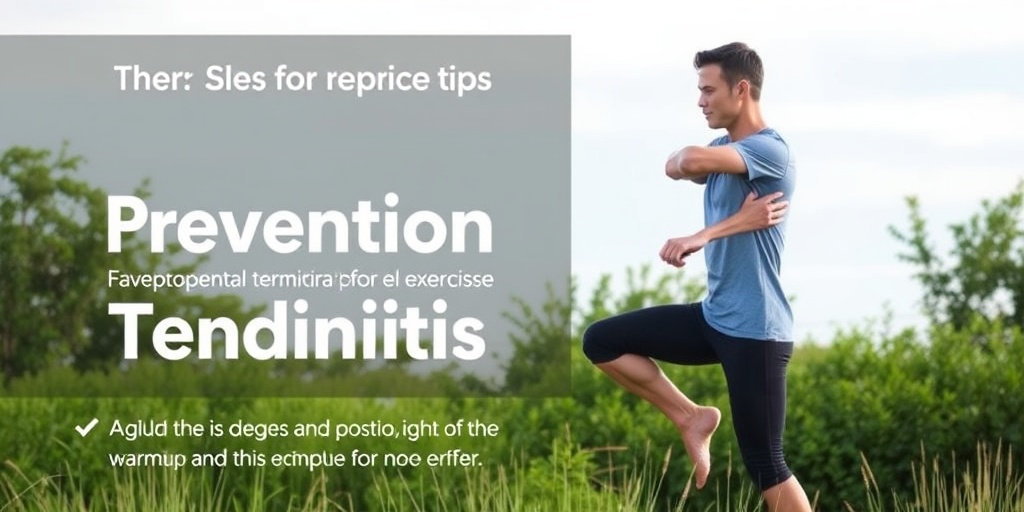
Preventing tendinitis is crucial, especially for those who engage in repetitive activities or sports. Here are some effective prevention tips to keep your tendons healthy:
1. Warm-Up and Cool Down
Always start with a proper warm-up before engaging in physical activities. This prepares your muscles and tendons for exertion. Similarly, cooling down after exercise helps in recovery and reduces the risk of injury.
2. Use Proper Technique
Whether you’re lifting weights or playing sports, using the correct technique is vital. Poor form can place undue stress on your tendons, leading to inflammation. Consider working with a coach or trainer to ensure you’re using the right techniques.
3. Gradual Increase in Activity
When starting a new exercise program or increasing intensity, do so gradually. Sudden increases in activity can overwhelm your tendons, leading to injuries. Follow the 10% rule: increase your activity level by no more than 10% per week.
4. Take Breaks
If your job or hobby involves repetitive motions, take regular breaks to give your tendons a rest. Simple stretches or a short walk can help alleviate tension and prevent overuse injuries.
5. Strength Training
Incorporating strength training into your routine can help build muscle around your tendons, providing better support and reducing the risk of injury. Focus on exercises that target the muscles surrounding the affected tendons.
6. Stay Hydrated
Proper hydration is essential for overall health, including tendon health. Dehydration can lead to stiffness and increase the risk of injury. Aim to drink plenty of water throughout the day, especially during physical activities. 💧
By following these home remedies and prevention tips, you can effectively manage and reduce the risk of tendinitis. Remember, if symptoms persist, it’s essential to consult a healthcare professional for a tailored treatment plan.
Frequently Asked Questions about Tendinitis
What is Tendinitis?
Tendinitis is an inflammation or irritation of a tendon, the thick fibrous cords that attach muscle to bone. It often results from repetitive motion or overuse, leading to pain and discomfort in the affected area.
What are the common symptoms of Tendinitis?
- Pain: A dull ache or sharp pain in the affected area, especially during movement.
- Swelling: Inflammation around the tendon, which may be visible or palpable.
- Stiffness: Reduced range of motion in the affected joint.
- Warmth: The area may feel warm to the touch.
What causes Tendinitis?
Tendinitis is commonly caused by:
- Repetitive Motion: Engaging in the same activity repeatedly, such as playing sports or typing.
- Age: Tendons become less flexible with age, increasing the risk of injury.
- Injury: A sudden injury can lead to inflammation.
- Medical Conditions: Conditions like diabetes or rheumatoid arthritis can increase susceptibility.
How is Tendinitis diagnosed?
A healthcare professional typically diagnoses tendinitis through:
- Medical History: Discussing symptoms and activities that may have contributed to the condition.
- Physical Examination: Assessing pain, swelling, and range of motion.
- Imaging Tests: X-rays or MRIs may be used to rule out other conditions.
What are the treatment options for Tendinitis?
Treatment for tendinitis may include:
- Rest: Avoiding activities that aggravate the condition.
- Ice: Applying ice packs to reduce swelling and pain.
- Medication: Over-the-counter pain relievers like ibuprofen or naproxen.
- Physical Therapy: Exercises to strengthen the tendon and improve flexibility.
- Surgery: In severe cases, surgical intervention may be necessary.
Can Tendinitis be prevented?
Yes, tendinitis can often be prevented by:
- Warming Up: Properly warming up before physical activity.
- Strengthening Exercises: Engaging in exercises that strengthen the muscles around the tendon.
- Taking Breaks: Allowing time for rest during repetitive activities.
- Using Proper Technique: Ensuring correct form during sports or physical activities.
When should I see a doctor for Tendinitis?
If you experience persistent pain, swelling, or difficulty moving the affected area, it is important to consult a healthcare professional. Early intervention can help prevent further complications.
Is Tendinitis the same as Tendonitis?
Yes, tendinitis and tendonitis refer to the same condition. The difference in spelling is primarily due to regional variations, but both terms describe the inflammation of a tendon.
What is Tendinitis Calcarea?
Tendinitis calcarea is a specific type of tendinitis characterized by the deposition of calcium in the tendon, often leading to more severe pain and stiffness. It commonly affects the shoulder and may require more intensive treatment.
Can Tendinitis affect the knee?
Yes, tendinitis can affect the knee, often referred to as patellar tendinitis or “jumper’s knee.” This condition is common among athletes who engage in jumping activities.
What is De Quervain’s Tendinitis?
De Quervain’s tendinitis is a specific type of tendinitis that affects the tendons on the thumb side of the wrist. It causes pain and swelling near the base of the thumb and can make gripping or pinching difficult.