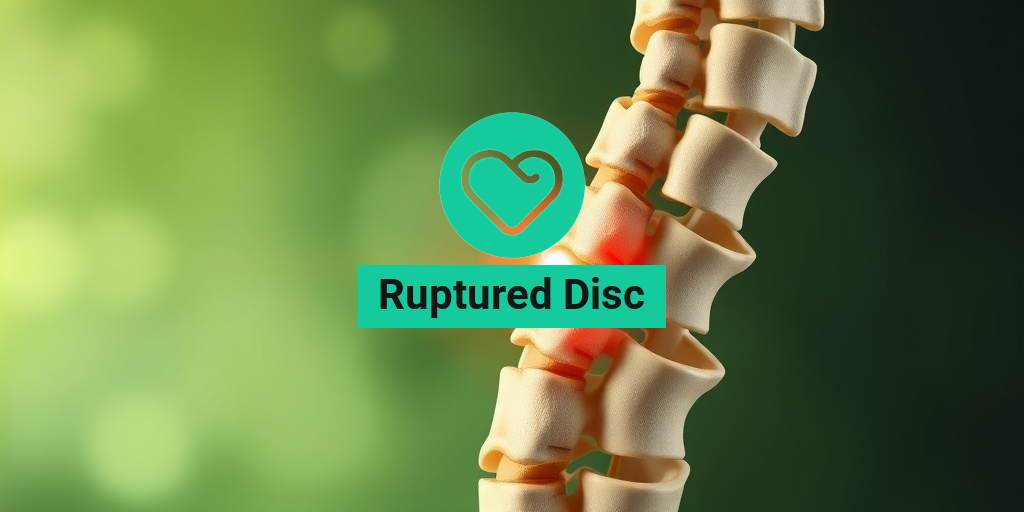
What Is a Ruptured Disc?
A ruptured disc, also known as a herniated or slipped disc, occurs when the soft inner gel of a spinal disc protrudes through a tear in the tougher exterior. This condition can happen in any part of the spine, but it is most commonly seen in the lower back (lumbar region) and neck (cervical region). The discs act as cushions between the vertebrae, providing support and flexibility to the spine. When a disc ruptures, it can lead to pain, discomfort, and a range of other symptoms.
Causes of a Ruptured Disc
Several factors can contribute to the development of a ruptured disc, including:
- Aging: As we age, the discs lose hydration and elasticity, making them more susceptible to injury.
- Injury: Sudden trauma from accidents or heavy lifting can cause a disc to rupture.
- Repetitive Strain: Jobs or activities that involve repetitive bending or heavy lifting can increase the risk.
- Genetics: A family history of disc problems may predispose individuals to similar issues.
Types of Ruptured Discs
Ruptured discs can be classified into different types based on their location:
- Ruptured Disc in Back: This is the most common type, often affecting the lumbar region.
- Ruptured Disc in Neck: This type affects the cervical region and can lead to neck pain and radiating symptoms.
- Ruptured Disc in Lower Back: Specifically refers to herniation in the lumbar spine, which can cause significant discomfort and mobility issues.
Ruptured Disc Symptoms
The symptoms of a ruptured disc can vary widely depending on the location of the rupture and the severity of the condition. Here are some common symptoms to be aware of:
Common Symptoms
- Localized Pain: Pain may be felt in the area of the rupture, often described as sharp or aching.
- Radiating Pain: Pain can travel down the arms or legs, depending on whether the rupture is in the neck or lower back.
- Numbness or Tingling: A ruptured disc can compress nearby nerves, leading to sensations of numbness or tingling in the extremities.
- Muscle Weakness: Individuals may experience weakness in the muscles served by the affected nerves, making it difficult to perform everyday tasks.
Specific Symptoms Based on Location
Understanding the symptoms based on the location of the ruptured disc can help in identifying the issue:
- Ruptured Disc in Neck: Symptoms may include neck pain, headaches, and pain radiating down the arms.
- Ruptured Disc in Lower Back: Symptoms often include lower back pain, sciatica (pain that radiates down the leg), and difficulty standing or walking.
When to Seek Medical Attention
If you experience severe pain, numbness, or weakness that affects your ability to walk or perform daily activities, it is crucial to seek medical attention. Early diagnosis and treatment can prevent further complications and improve recovery outcomes.
For more information on ruptured disc treatment options and management strategies, consider visiting Yesil Health AI, a valuable resource for evidence-based health answers.
In conclusion, a ruptured disc can significantly impact your quality of life, but understanding the symptoms and seeking timely treatment can lead to effective management and recovery. If you suspect you have a ruptured disc, don’t hesitate to consult a healthcare professional for a thorough evaluation and personalized treatment plan. 🌟
Ruptured Disc Causes
A ruptured disc, also known as a herniated or slipped disc, occurs when the soft inner gel of a spinal disc protrudes through a tear in the tougher exterior. This condition can lead to significant discomfort and mobility issues. Understanding the causes of a ruptured disc is crucial for prevention and management. Here are some of the primary causes:
1. Age-Related Degeneration
As we age, our spinal discs naturally lose hydration and elasticity. This degeneration makes them more susceptible to injury and rupture. The risk increases significantly after the age of 30, as the discs begin to wear down over time.
2. Injury or Trauma
Acute injuries, such as those sustained in sports or accidents, can lead to a ruptured disc. A sudden impact or heavy lifting can cause the disc to tear, especially if proper lifting techniques are not used. 🚧
3. Repetitive Strain
Jobs or activities that involve repetitive bending, lifting, or twisting can put excessive strain on the spine. Over time, this can weaken the discs and lead to a rupture. It’s essential to maintain proper posture and take breaks during repetitive tasks.
4. Genetics
Some individuals may have a genetic predisposition to disc degeneration. If you have a family history of back problems, you may be at a higher risk for developing a ruptured disc.
5. Obesity
Excess body weight can place additional stress on the spine, increasing the likelihood of disc problems. Maintaining a healthy weight through diet and exercise can help reduce this risk. 🍏🏋️♂️
6. Sedentary Lifestyle
A lack of physical activity can weaken the muscles that support the spine, making it more vulnerable to injury. Regular exercise strengthens these muscles and promotes spinal health.
Ruptured Disc Risk Factors
While anyone can experience a ruptured disc, certain risk factors can increase the likelihood of developing this condition. Understanding these factors can help you take proactive steps to protect your spine.
1. Age
As mentioned earlier, age is a significant risk factor. The likelihood of a ruptured disc in the back or neck increases with age due to natural wear and tear on the spinal discs.
2. Occupation
Jobs that require heavy lifting, prolonged sitting, or repetitive movements can elevate the risk of a ruptured disc. If your job involves physical labor or long hours at a desk, consider ergonomic adjustments to your workspace.
3. Physical Fitness
Individuals who are not physically fit or who lack core strength are more susceptible to back injuries. Engaging in regular exercise, particularly strength training and flexibility exercises, can help mitigate this risk.
4. Smoking
Smoking can hinder blood flow to the discs, leading to degeneration. Quitting smoking can improve overall health and reduce the risk of a ruptured disc.
5. Previous Back Problems
If you have a history of back issues, such as previous herniated discs or chronic back pain, you may be at a higher risk for future ruptures. Regular check-ups with a healthcare provider can help monitor your spinal health.
6. Gender
Research indicates that men are more likely than women to experience a ruptured disc, particularly in younger age groups. This may be due to differences in physical activity levels and body mechanics.
By understanding the causes and risk factors associated with a ruptured disc, you can take proactive steps to protect your spine and maintain your overall health. If you suspect you may have a ruptured disc, consult with a healthcare professional for an accurate diagnosis and appropriate treatment options. 🩺
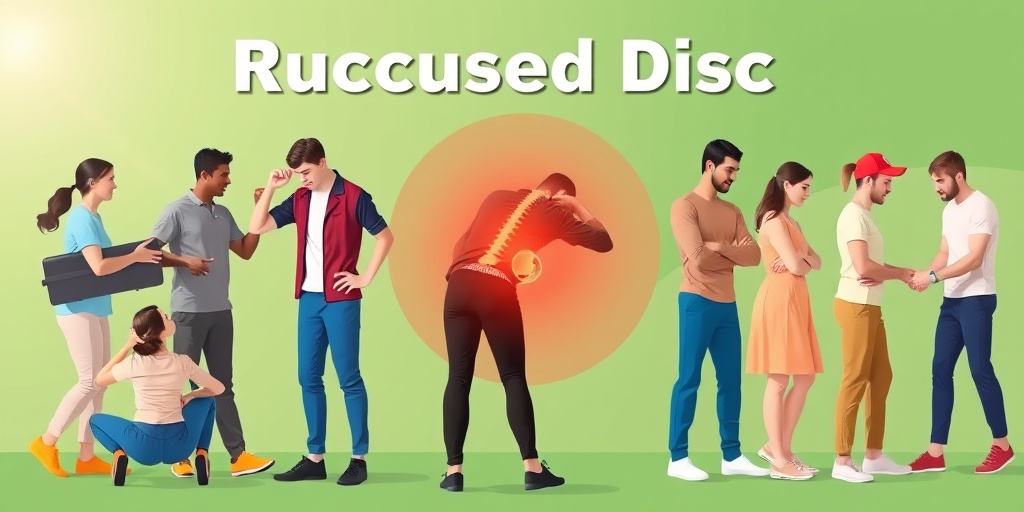
Ruptured Disc Diagnosis
Diagnosing a ruptured disc can be a complex process, as the symptoms often overlap with other conditions. A ruptured disc, also known as a herniated disc, occurs when the soft inner gel of the disc leaks out through a tear in the tougher exterior. This can lead to pain, numbness, and weakness in the affected area. Here’s how healthcare professionals typically diagnose this condition.
Initial Consultation
The diagnosis begins with a thorough medical history and physical examination. During the initial consultation, your doctor will ask about your symptoms, including:
- Location and intensity of pain
- Any numbness or tingling sensations
- Weakness in limbs
- Activities that exacerbate or relieve the pain
Understanding your symptoms helps the doctor determine whether they might be related to a ruptured disc or another issue.
Physical Examination
During the physical exam, the doctor will assess your range of motion and perform specific tests to evaluate nerve function. They may check for:
- Reflexes
- Muscle strength
- Sensation in the arms and legs
These tests help identify any neurological deficits that may indicate a ruptured disc.
Imaging Tests
If the initial evaluation suggests a ruptured disc, your doctor may recommend imaging tests to confirm the diagnosis. Common imaging techniques include:
- X-rays: While X-rays cannot show a ruptured disc, they can help rule out other conditions, such as fractures or arthritis.
- Magnetic Resonance Imaging (MRI): This is the most effective method for visualizing soft tissues, including discs. An MRI can clearly show the location and extent of the rupture.
- Computed Tomography (CT) Scan: A CT scan may be used if an MRI is not available or if further detail is needed.
These imaging tests provide a clearer picture of the spine and help guide treatment decisions.
Ruptured Disc Treatment Options
Treating a ruptured disc involves a variety of approaches, depending on the severity of the condition and the symptoms experienced. The goal is to relieve pain, restore function, and prevent further injury. Here are the most common treatment options available:
Conservative Treatments
Most cases of a ruptured disc can be managed with conservative treatments. These may include:
- Rest: Taking a break from activities that exacerbate pain can help reduce inflammation.
- Physical Therapy: A physical therapist can design a personalized exercise program to strengthen the muscles supporting the spine and improve flexibility.
- Medications: Over-the-counter pain relievers, such as ibuprofen or acetaminophen, can help manage pain and inflammation. In some cases, your doctor may prescribe stronger medications or muscle relaxants.
- Heat and Ice Therapy: Applying heat or ice to the affected area can provide temporary relief from pain and swelling.
Injections
If conservative treatments do not provide sufficient relief, your doctor may recommend epidural steroid injections. These injections deliver anti-inflammatory medication directly to the area around the affected nerve, helping to reduce pain and swelling.
Surgery
In cases where conservative treatments fail to alleviate symptoms, or if there is significant nerve compression, surgical options may be considered. Common surgical procedures for a ruptured disc include:
- Discectomy: This procedure involves removing the portion of the disc that is pressing on the nerve.
- Laminectomy: In this surgery, a small section of the vertebra is removed to relieve pressure on the spinal cord or nerves.
- Spinal Fusion: In some cases, the surgeon may recommend fusing two or more vertebrae together to stabilize the spine.
While surgery can be effective, it is typically considered a last resort after other treatments have been exhausted.
Alternative Therapies
Some individuals find relief through alternative therapies, such as:
- Chiropractic Care: Chiropractic adjustments may help alleviate pain and improve spinal alignment.
- Acupuncture: This traditional Chinese medicine technique may help reduce pain and promote healing.
- Massage Therapy: Therapeutic massage can help relieve muscle tension and improve circulation.
Always consult with your healthcare provider before starting any alternative therapies to ensure they are safe and appropriate for your condition.
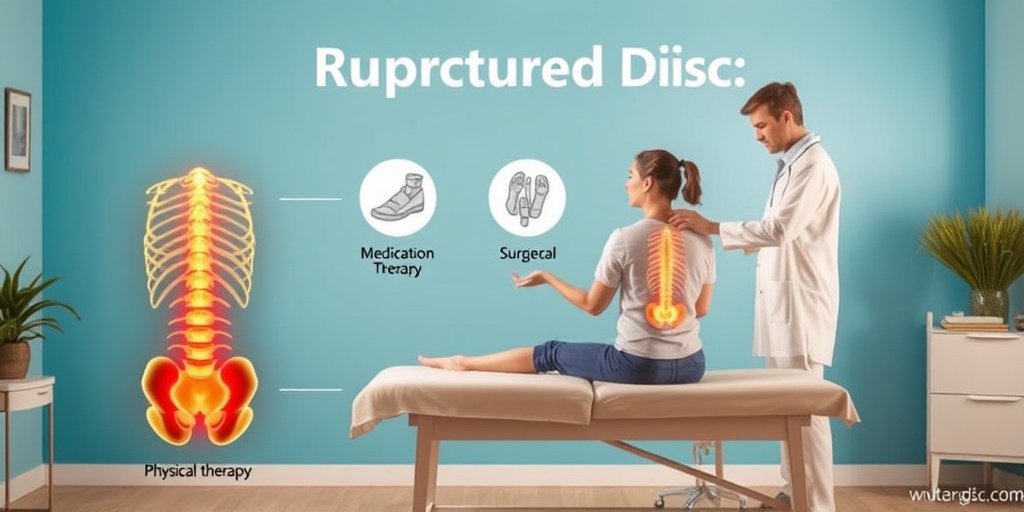
Ruptured Disc Recovery Tips
Recovering from a ruptured disc can be a challenging journey, but with the right approach, you can manage your symptoms and regain your strength. Here are some effective recovery tips to help you navigate this process.
1. Follow Your Doctor’s Advice
Your healthcare provider is your best resource when it comes to recovery. Always adhere to their recommendations regarding medication, physical therapy, and activity levels. This personalized guidance is crucial for a successful recovery.
2. Engage in Physical Therapy
Physical therapy is often a cornerstone of recovery from a ruptured disc. A physical therapist can design a tailored exercise program that focuses on:
- Strengthening the muscles around your spine
- Improving flexibility
- Enhancing posture
These exercises can help alleviate pain and prevent future injuries. 🏋️♂️
3. Manage Pain Effectively
Pain management is essential during recovery. Over-the-counter medications like ibuprofen or acetaminophen can help, but consult your doctor for recommendations tailored to your situation. In some cases, prescription medications or corticosteroid injections may be necessary.
4. Stay Active, But Know Your Limits
While rest is important, prolonged inactivity can lead to stiffness and weakness. Engage in light activities, such as walking or gentle stretching, to keep your body moving. However, listen to your body and avoid any movements that exacerbate your pain. 🚶♀️
5. Use Heat and Cold Therapy
Applying heat or cold to the affected area can provide relief. Cold packs can reduce inflammation, while heat can help relax tense muscles. Alternate between the two for optimal results. 🥵❄️
6. Maintain a Healthy Weight
Excess weight can put additional strain on your spine. Focus on a balanced diet rich in fruits, vegetables, lean proteins, and whole grains to support your recovery and overall health. Consider consulting a nutritionist for personalized advice.
7. Consider Alternative Therapies
Some individuals find relief through alternative therapies such as acupuncture, chiropractic care, or massage therapy. These treatments can complement traditional approaches and may help alleviate pain and improve mobility.
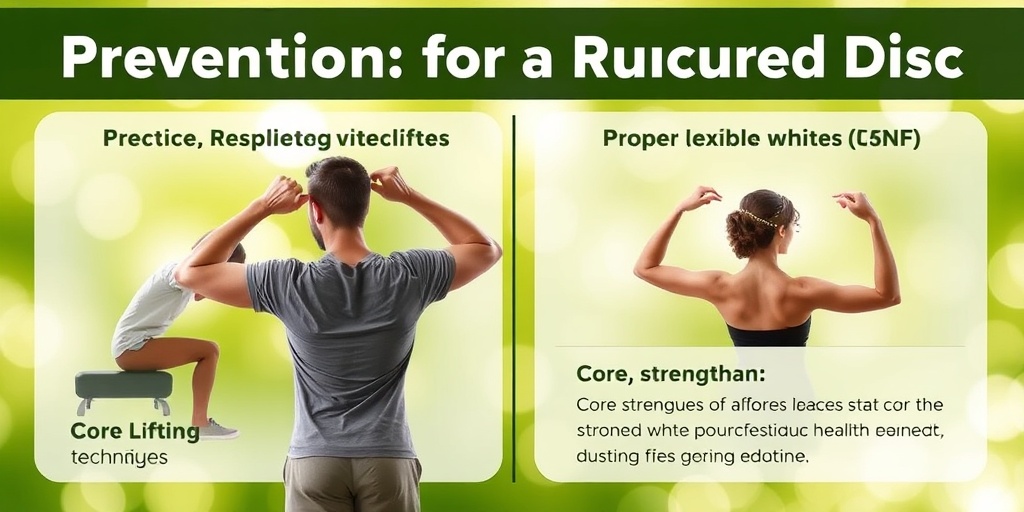
Ruptured Disc Prevention Strategies
Preventing a ruptured disc is often more effective than treating one. Here are some strategies to help you protect your spine and maintain a healthy back.
1. Practice Good Posture
Maintaining proper posture is crucial for spinal health. Whether sitting at a desk or lifting heavy objects, ensure your spine is aligned. Use ergonomic furniture and take regular breaks to stretch and move. 🪑
2. Strengthen Core Muscles
A strong core supports your spine and reduces the risk of injury. Incorporate exercises that target your abdominal and back muscles, such as planks, bridges, and pelvic tilts, into your routine. 💪
3. Use Proper Lifting Techniques
When lifting heavy objects, always bend at your knees and keep the object close to your body. Avoid twisting your back while lifting, as this can increase the risk of a ruptured disc.
4. Stay Active
Regular physical activity helps maintain flexibility and strength in your back. Aim for at least 150 minutes of moderate aerobic activity each week, along with strength training exercises. Activities like swimming, walking, and cycling are excellent choices. 🚴♂️
5. Maintain a Healthy Weight
As mentioned earlier, excess weight can strain your spine. Keeping a healthy weight through diet and exercise is essential for preventing a ruptured disc and other spinal issues.
6. Avoid Smoking
Smoking can impede blood flow to the spine, increasing the risk of disc degeneration. If you smoke, consider seeking support to quit. Your spine will thank you! 🚭
7. Regular Check-ups
Regular visits to your healthcare provider can help identify potential issues before they become serious. Discuss any back pain or discomfort with your doctor to catch problems early.
By incorporating these recovery tips and prevention strategies into your routine, you can significantly reduce your risk of a ruptured disc and promote a healthier spine. Remember, taking proactive steps today can lead to a more comfortable tomorrow! 🌟
Frequently Asked Questions about Ruptured Discs
What are the common symptoms of a ruptured disc?
Individuals with a ruptured disc may experience a variety of symptoms, including:
- Severe pain: This can occur in the back, neck, or affected limbs.
- Numbness or tingling: Often felt in the arms or legs.
- Weakness: Muscle weakness in the affected area.
- Difficulty with movement: Limited range of motion or stiffness.
How is a ruptured disc diagnosed?
A healthcare professional may use several methods to diagnose a ruptured disc, including:
- Physical examination: Assessing symptoms and physical function.
- Imaging tests: MRI or CT scans to visualize the spine.
- X-rays: To rule out other conditions.
What treatment options are available for a ruptured disc?
Treatment for a ruptured disc can vary based on severity and may include:
- Conservative treatments: Physical therapy, pain management, and lifestyle modifications.
- Medications: Anti-inflammatory drugs or muscle relaxants.
- Surgery: In severe cases, surgical intervention may be necessary to relieve pressure on nerves.
Can a ruptured disc heal on its own?
Yes, many individuals find that their symptoms improve over time with conservative treatment. However, it’s essential to follow a healthcare provider’s recommendations for recovery.
What are the risks of surgery for a ruptured disc?
While surgery can be effective, it does carry some risks, including:
- Infection: As with any surgical procedure.
- Nerve damage: Potential for complications affecting nerve function.
- Recurrence: Possibility of further disc issues in the future.
Can pets experience a ruptured disc?
Yes, dogs can also suffer from ruptured discs, particularly in their spine. Symptoms may include difficulty walking, pain, or changes in behavior. If you suspect your pet has a ruptured disc, consult a veterinarian promptly.
What lifestyle changes can help prevent a ruptured disc?
To reduce the risk of developing a ruptured disc, consider the following:
- Maintain a healthy weight: Reducing strain on the spine.
- Exercise regularly: Strengthening core muscles to support the back.
- Practice good posture: Especially when sitting or lifting heavy objects.
When should I seek medical attention for a ruptured disc?
If you experience severe pain, loss of bladder or bowel control, or significant weakness in your limbs, seek medical attention immediately. These could be signs of a serious condition requiring urgent care.