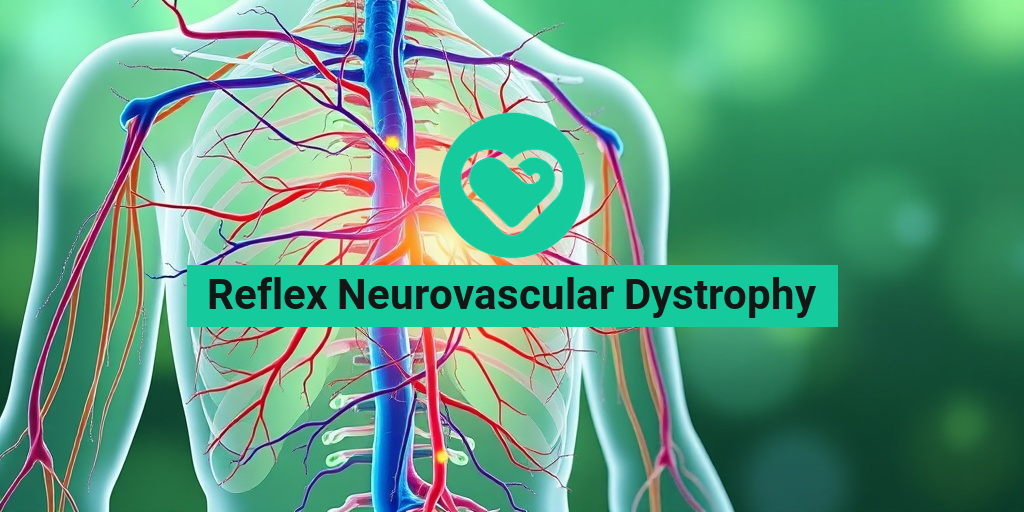
What Is Reflex Neurovascular Dystrophy?
Reflex Neurovascular Dystrophy (RND) is a complex condition that primarily affects the nervous system and blood vessels. It is often characterized by a combination of symptoms that can significantly impact a person’s quality of life. While the term may sound daunting, understanding RND can empower individuals to seek appropriate treatment and support.
RND is sometimes referred to as a type of complex regional pain syndrome (CRPS), which is a chronic pain condition that usually affects a limb after an injury or trauma. The exact cause of RND is not fully understood, but it is believed to involve an abnormal response of the nervous system to injury or stress. This condition can occur in both adults and children, although it may manifest differently across age groups.
Understanding the Mechanism
The underlying mechanism of Reflex Neurovascular Dystrophy involves a malfunction in the way the nervous system communicates with blood vessels. This can lead to a range of symptoms, including pain, swelling, and changes in skin color and temperature. The condition often develops after an injury, surgery, or even without any apparent cause, making it a challenging diagnosis for healthcare providers.
Who Is Affected?
RND can affect individuals of all ages, but it is more commonly diagnosed in children and young adults. In children, the condition may arise after minor injuries, such as sprains or fractures. Understanding the causes of Reflex Neurovascular Dystrophy is crucial for early intervention and management.
Symptoms of Reflex Neurovascular Dystrophy
The symptoms of Reflex Neurovascular Dystrophy can vary widely from person to person, making it essential to recognize the signs early. Here are some of the most common symptoms associated with RND:
- Pain: The most prominent symptom is often severe, burning pain in the affected area. This pain can be disproportionate to the initial injury.
- Swelling: The affected limb may become swollen, and the skin may appear shiny or tight.
- Changes in Skin Color: Individuals may notice changes in skin color, ranging from pale to red or blue.
- Temperature Changes: The affected area may feel warmer or cooler than the surrounding skin.
- Stiffness: Joint stiffness and limited range of motion can occur, making it difficult to use the affected limb.
- Abnormal Hair Growth: Some individuals may experience changes in hair growth patterns on the affected limb.
Recognizing Symptoms Early
Early recognition of Reflex Neurovascular Dystrophy symptoms is crucial for effective treatment. If you or someone you know is experiencing these symptoms, it is important to consult a healthcare professional for a thorough evaluation. They may use diagnostic tools, including imaging studies and nerve conduction tests, to confirm the diagnosis.
Impact on Daily Life
The symptoms of RND can significantly impact daily activities, leading to challenges in work, school, and social interactions. The chronic pain and discomfort can also contribute to emotional stress and anxiety. Understanding the relationship between Reflex Neurovascular Dystrophy and stress is essential, as managing stress can play a role in alleviating symptoms.
For those seeking more information on Reflex Neurovascular Dystrophy, including treatment options and coping strategies, resources like Yesil Health AI can provide evidence-based answers and support.
In conclusion, Reflex Neurovascular Dystrophy is a complex condition that requires awareness and understanding. By recognizing the symptoms and seeking timely medical advice, individuals can take proactive steps toward managing their health and improving their quality of life. 🌟

Causes and Risk Factors
Reflex Neurovascular Dystrophy (RND) is a complex condition that affects the nervous system and blood vessels, leading to a variety of symptoms. Understanding the causes and risk factors associated with RND is crucial for early diagnosis and effective management.
What Causes Reflex Neurovascular Dystrophy?
The exact cause of Reflex Neurovascular Dystrophy remains largely unknown, but several factors may contribute to its development. Here are some potential causes:
- Injury or Trauma: Many cases of RND are linked to physical injuries, particularly those affecting the limbs. This can include fractures, sprains, or surgeries that trigger an abnormal response in the nervous system.
- Genetic Predisposition: Some individuals may have a genetic predisposition to developing RND. Family history of similar conditions can increase the likelihood of experiencing symptoms.
- Stress and Emotional Factors: Psychological stress can exacerbate symptoms of RND. Emotional trauma or chronic stress may lead to changes in the nervous system that contribute to the condition.
- Circulatory Issues: Problems with blood flow, such as vascular diseases, can also play a role in the development of RND. Poor circulation may lead to nerve damage and subsequent symptoms.
Identifying Risk Factors
While anyone can develop Reflex Neurovascular Dystrophy, certain risk factors may increase the likelihood of its occurrence:
- Age: RND is more commonly diagnosed in adults, particularly those between the ages of 30 and 50. However, it can also occur in children.
- Gender: Women are statistically more likely to develop RND than men, suggesting hormonal or biological factors may influence its onset.
- Previous Medical Conditions: Individuals with a history of neurological disorders or chronic pain conditions may be at a higher risk for developing RND.
- Occupational Hazards: Jobs that involve repetitive motions or prolonged immobilization can increase the risk of injuries that may lead to RND.
Diagnosis of Reflex Neurovascular Dystrophy
Diagnosing Reflex Neurovascular Dystrophy can be challenging due to its overlapping symptoms with other conditions. A comprehensive approach is essential for accurate diagnosis.
Clinical Evaluation
The first step in diagnosing RND typically involves a thorough clinical evaluation. Healthcare providers will:
- Review Medical History: A detailed medical history will help identify any previous injuries, surgeries, or conditions that may be related to the symptoms.
- Conduct a Physical Examination: A physical exam will assess the affected area for signs of swelling, changes in skin color, temperature variations, and sensitivity.
Diagnostic Tests
In addition to a clinical evaluation, several diagnostic tests may be employed to confirm the diagnosis of Reflex Neurovascular Dystrophy:
- Imaging Studies: X-rays, MRIs, or CT scans can help rule out other conditions and visualize any underlying issues related to the nerves or blood vessels.
- Sympathetic Nervous System Testing: Tests that evaluate the function of the sympathetic nervous system can provide insights into the condition’s impact on nerve function.
- Blood Tests: Blood tests may be conducted to check for underlying conditions that could contribute to the symptoms, such as autoimmune disorders.
It’s important to note that there is no single test for Reflex Neurovascular Dystrophy. A combination of clinical findings and diagnostic tests is often necessary to arrive at a definitive diagnosis.
In conclusion, understanding the causes and risk factors associated with Reflex Neurovascular Dystrophy, along with the diagnostic process, is vital for effective management and treatment of this complex condition. If you suspect you or someone you know may be experiencing symptoms of RND, seeking medical advice promptly is essential. 🩺
Treatment Options Available
Reflex Neurovascular Dystrophy (RND) is a complex condition that can significantly impact an individual’s quality of life. Understanding the treatment options available is crucial for managing symptoms and improving overall well-being. Here, we explore various approaches to treating RND, including medical interventions and therapeutic strategies.
Medications
Medications play a vital role in managing the symptoms of Reflex Neurovascular Dystrophy. Depending on the severity and specific symptoms, healthcare providers may prescribe:
- Pain relievers: Over-the-counter options like ibuprofen or acetaminophen can help alleviate mild pain.
- Antidepressants: Certain antidepressants, such as amitriptyline, may be effective in managing chronic pain associated with RND.
- Anticonvulsants: Medications like gabapentin can help reduce nerve pain.
- Topical treatments: Creams or patches containing lidocaine or capsaicin can provide localized relief.
Physical Therapy
Physical therapy is often a cornerstone of treatment for RND. A physical therapist can design a personalized exercise program aimed at:
- Improving mobility: Gentle stretching and strengthening exercises can help restore function.
- Reducing pain: Techniques such as ultrasound therapy or electrical stimulation may be utilized.
- Enhancing circulation: Improved blood flow can alleviate some symptoms associated with RND.
Psychological Support
Living with Reflex Neurovascular Dystrophy can be emotionally challenging. Psychological support is essential for coping with the stress and anxiety that may arise. Options include:
- Cognitive Behavioral Therapy (CBT): This therapeutic approach can help individuals develop coping strategies and manage negative thoughts.
- Support groups: Connecting with others who have RND can provide emotional support and practical advice.
Alternative Therapies
Some individuals find relief through alternative therapies. While research is ongoing, the following options may be beneficial:
- Acupuncture: This traditional Chinese medicine technique may help alleviate pain and improve overall well-being.
- Massage therapy: Therapeutic massage can promote relaxation and reduce muscle tension.
Home Care Strategies
In addition to professional treatment, implementing effective home care strategies can significantly enhance the management of Reflex Neurovascular Dystrophy. Here are some practical tips to consider:
Creating a Comfortable Environment
Adjusting your living space can make a big difference in managing RND symptoms. Consider the following:
- Temperature control: Keeping your home at a comfortable temperature can help reduce discomfort.
- Ergonomic furniture: Invest in supportive chairs and mattresses to promote better posture and reduce strain.
Regular Exercise
Engaging in regular, low-impact exercise can be beneficial for individuals with RND. Activities such as:
- Walking: A simple yet effective way to maintain mobility.
- Swimming: Provides a low-impact workout that is easy on the joints.
- Yoga: Enhances flexibility and promotes relaxation.
Stress Management Techniques
Stress can exacerbate symptoms of Reflex Neurovascular Dystrophy. Incorporating stress management techniques into your daily routine can be helpful:
- Meditation: Practicing mindfulness can help reduce anxiety and improve emotional well-being.
- Deep breathing exercises: Simple breathing techniques can promote relaxation and alleviate stress.
Nutrition and Hydration
Maintaining a balanced diet and staying hydrated are essential for overall health. Consider these tips:
- Anti-inflammatory foods: Incorporate foods rich in omega-3 fatty acids, such as fish, nuts, and seeds.
- Stay hydrated: Drinking plenty of water can help maintain optimal bodily functions.
By combining medical treatments with effective home care strategies, individuals with Reflex Neurovascular Dystrophy can take proactive steps toward managing their condition and improving their quality of life. 🌟

Living with Reflex Neurovascular Dystrophy
Reflex Neurovascular Dystrophy (RND) is a complex condition that can significantly impact daily life. Understanding how to manage this disorder is crucial for those affected. In this section, we will explore the symptoms, coping strategies, and lifestyle adjustments that can help individuals live more comfortably with RND.
Understanding the Symptoms
Reflex Neurovascular Dystrophy is characterized by a range of symptoms that can vary in intensity. Common symptoms include:
- Pain: Often described as burning or aching, pain can be localized or widespread.
- Swelling: Affected areas may become swollen, leading to discomfort and mobility issues.
- Changes in skin color and temperature: The skin may appear pale, red, or blue, and temperature changes can occur.
- Abnormal sweating: Individuals may experience excessive sweating or dryness in the affected areas.
- Movement difficulties: Muscle weakness and stiffness can hinder mobility.
Recognizing these symptoms early can lead to more effective management strategies. If you notice any of these signs, it’s essential to consult a healthcare professional for a proper diagnosis and treatment plan.
Coping Strategies for Daily Life
Living with Reflex Neurovascular Dystrophy can be challenging, but there are several coping strategies that can help improve quality of life:
- Physical Therapy: Engaging in physical therapy can help maintain mobility and reduce pain. A physical therapist can design a personalized exercise program tailored to your needs.
- Pain Management: Over-the-counter pain relievers or prescribed medications can help manage discomfort. Discussing options with a healthcare provider is crucial.
- Stress Reduction Techniques: Stress can exacerbate symptoms of RND. Techniques such as meditation, yoga, and deep-breathing exercises can be beneficial. 🧘♀️
- Support Groups: Connecting with others who have RND can provide emotional support and practical advice. Online forums and local support groups can be valuable resources.
- Healthy Lifestyle Choices: Maintaining a balanced diet, staying hydrated, and getting adequate sleep can positively impact overall health and well-being.
Making Lifestyle Adjustments
Adapting your lifestyle to accommodate the challenges of Reflex Neurovascular Dystrophy is essential. Here are some adjustments that may help:
- Ergonomic Modifications: Adjusting your workspace or home environment to reduce strain on affected areas can make daily tasks easier.
- Regular Check-ups: Regular visits to healthcare providers can help monitor the condition and adjust treatment plans as necessary.
- Educating Yourself: Understanding RND and its effects can empower you to make informed decisions about your health and treatment options.
Future Research and Outlook
The future of Reflex Neurovascular Dystrophy research is promising, with ongoing studies aimed at better understanding the condition and improving treatment options. Here’s what you need to know about the current landscape and future directions in RND research.
Current Research Trends
Researchers are focusing on several key areas to enhance our understanding of Reflex Neurovascular Dystrophy:
- Pathophysiology: Investigating the underlying mechanisms of RND is crucial for developing targeted therapies. Understanding how nerve and vascular systems interact can lead to breakthroughs in treatment.
- Genetic Studies: Some studies are exploring genetic predispositions to RND, which could help identify individuals at risk and lead to early interventions.
- Innovative Treatments: New treatment modalities, including advanced pain management techniques and rehabilitation strategies, are being tested to improve patient outcomes.
Hope for the Future
As research progresses, there is hope for improved management and treatment of Reflex Neurovascular Dystrophy. Potential advancements include:
- Personalized Medicine: Tailoring treatments based on individual genetic and environmental factors could enhance effectiveness.
- Enhanced Rehabilitation Techniques: Innovative therapies may provide better support for mobility and pain management.
- Increased Awareness: Greater awareness of RND among healthcare providers can lead to earlier diagnosis and more effective treatment plans.
In conclusion, while living with Reflex Neurovascular Dystrophy presents challenges, understanding the condition and engaging with ongoing research can provide hope and improve quality of life. 🌟

Frequently Asked Questions about Reflex Neurovascular Dystrophy
What is Reflex Neurovascular Dystrophy?
Reflex Neurovascular Dystrophy (RND) is a condition characterized by abnormal functioning of the nervous system and blood vessels, often leading to pain, swelling, and changes in skin color and temperature in the affected area. It is commonly associated with trauma or injury but can also occur without any apparent cause.
What are the symptoms of Reflex Neurovascular Dystrophy?
Common symptoms of Reflex Neurovascular Dystrophy include:
- Chronic pain in the affected limb
- Swelling and inflammation
- Changes in skin color (pale, red, or blue)
- Temperature changes (hot or cold to the touch)
- Increased sensitivity to touch
- Limited range of motion
What causes Reflex Neurovascular Dystrophy?
The exact cause of Reflex Neurovascular Dystrophy is not fully understood, but it is often triggered by an injury or trauma. Other potential causes may include:
- Infections
- Surgeries
- Fractures or sprains
- Emotional stress
How is Reflex Neurovascular Dystrophy diagnosed?
Diagnosis of Reflex Neurovascular Dystrophy typically involves a thorough medical history, physical examination, and may include imaging tests or nerve conduction studies to rule out other conditions.
What are the treatment options for Reflex Neurovascular Dystrophy?
Treatment for Reflex Neurovascular Dystrophy may include:
- Physical therapy to improve mobility
- Medications for pain relief
- Sympathetic nerve blocks
- Psychological support for stress management
Can Reflex Neurovascular Dystrophy occur in childhood?
Yes, Reflex Neurovascular Dystrophy can occur in children, often following an injury. Early diagnosis and treatment are crucial for better outcomes.
What is the ICD-10 code for Reflex Neurovascular Dystrophy?
The ICD-10 code for Reflex Neurovascular Dystrophy is G90.8, which falls under the category of other disorders of the autonomic nervous system.
How does stress affect Reflex Neurovascular Dystrophy?
Stress can exacerbate the symptoms of Reflex Neurovascular Dystrophy, leading to increased pain and discomfort. Managing stress through relaxation techniques and therapy can be beneficial.
Is there a cure for Reflex Neurovascular Dystrophy?
Currently, there is no definitive cure for Reflex Neurovascular Dystrophy, but early intervention and a comprehensive treatment plan can help manage symptoms and improve quality of life.
Where can I find more information about Reflex Neurovascular Dystrophy?
For more information, consult healthcare professionals or visit reputable medical websites that specialize in neurological disorders.