Understanding Poisoning Risks
Poisoning is a serious concern for parents and caregivers, especially when it comes to young children. Their natural curiosity and tendency to explore can lead them to dangerous substances that can cause harm. Understanding the risks associated with poisoning is the first step in preventing poisoning in young children.
Why Are Young Children at Higher Risk?
Young children are particularly vulnerable to poisoning for several reasons:
- Curiosity: Children are naturally curious and often explore their environment by touching, tasting, and smelling things.
- Size and Weight: Children have smaller bodies, which means that even a small amount of a toxic substance can have a significant effect.
- Developmental Stages: As children grow, they go through various developmental stages that can lead to risky behaviors, such as climbing or reaching for items that are out of their reach.
Being aware of these factors can help parents and caregivers take proactive measures to safeguard their little ones. Regularly assessing your home for potential hazards is crucial in preventing poisoning in young children.
Signs of Poisoning
Recognizing the signs of poisoning can be lifesaving. Common symptoms include:
- Nausea or vomiting
- Difficulty breathing
- Unusual drowsiness or lethargy
- Confusion or disorientation
- Burns or redness around the mouth
If you suspect that a child has been poisoned, it’s essential to act quickly. Call your local poison control center or seek medical attention immediately. Remember, prevention is always better than cure.
Common Household Poisons
Many common household items can pose a poisoning risk to young children. Being aware of these substances is vital in preventing poisoning in young children. Here are some of the most common household poisons:
1. Cleaning Products
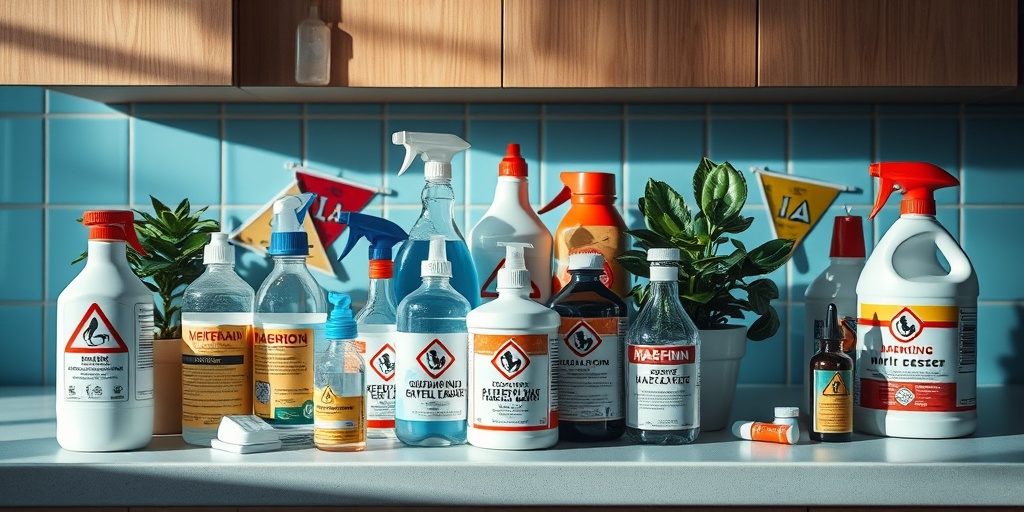
Many cleaning products contain harsh chemicals that can be toxic if ingested. Items like bleach, ammonia, and various surface cleaners should be stored out of reach or in locked cabinets. Always read labels and follow safety instructions when using these products.
2. Medications
Both prescription and over-the-counter medications can be dangerous if taken inappropriately. Keep all medications in child-proof containers and store them in high cabinets. It’s also a good idea to regularly review your medicine cabinet and dispose of any expired or unused medications safely.
3. Plants
Some common houseplants can be toxic to children if ingested. Plants like philodendron, pothos, and oleander can cause serious health issues. If you have plants in your home, ensure they are out of reach or consider replacing them with non-toxic varieties.
4. Food Items
While food is generally safe, certain items can be hazardous. For example, foods like grapes, nuts, and popcorn can pose choking hazards, while some foods may cause allergic reactions. Always supervise young children during mealtime and be aware of any food allergies they may have.
5. Lead and Other Heavy Metals
Lead poisoning is a significant concern, especially in homes built before 1978 when lead-based paints were banned. If you suspect your home may contain lead paint, consider having it tested and remediated. Additionally, be cautious of toys and jewelry that may contain lead or other harmful metals.
For more information on preventing lead poisoning in young children and other health-related topics, visit Yesil Health AI, a valuable resource for evidence-based health answers.
Conclusion
Preventing poisoning in young children requires vigilance and education. By understanding the risks and being aware of common household poisons, you can create a safer environment for your little ones. Regularly assess your home for potential hazards, and always keep emergency numbers handy. Remember, a little prevention goes a long way in ensuring the health and safety of your children! 🛡️
Signs of Poisoning in Children
Recognizing the signs of poisoning in young children is crucial for prompt intervention. Children are naturally curious and often explore their environment by putting things in their mouths. This behavior can lead to accidental poisoning from household items, medications, or even plants. Here are some common signs to watch for:
Physical Symptoms
- Nausea and Vomiting: Frequent vomiting or persistent nausea can indicate poisoning.
- Abdominal Pain: Complaints of stomach pain or cramping may be a sign of ingested toxins.
- Diarrhea: Unexplained diarrhea can also be a symptom of poisoning.
- Difficulty Breathing: If a child is struggling to breathe or has a wheezing sound, it may be a serious sign of poisoning.
- Unusual Behavior: Sudden changes in behavior, such as lethargy, irritability, or confusion, can indicate a problem.
Visual Indicators
- Skin Changes: Look for unusual rashes, redness, or blisters on the skin.
- Pupil Changes: Dilated or constricted pupils can be a sign of certain types of poisoning.
- Unusual Odors: A strange smell on the child’s breath or skin may indicate exposure to toxic substances.
If you notice any of these symptoms, it’s essential to act quickly. Remember, early detection can save lives! 🚨
Immediate Actions to Take
When you suspect that a child has been poisoned, your immediate response can make a significant difference. Here’s what you should do:
Stay Calm and Assess the Situation
First and foremost, stay calm. Children can pick up on your anxiety, which may worsen their distress. Quickly assess the situation to determine what the child may have ingested or been exposed to.
Call for Help
Contact your local poison control center or emergency services immediately. Provide them with as much information as possible, including:
- The child’s age and weight
- The substance involved (if known)
- The amount ingested
- The time of exposure
Do Not Induce Vomiting
While it may seem logical to induce vomiting, this can sometimes cause more harm than good. Always follow the advice of medical professionals regarding this action. In some cases, inducing vomiting can lead to further injury or complications.
Provide First Aid if Necessary
If the child is conscious and alert, you can take some first aid measures:
- Rinse the Mouth: If the child has ingested a poison, rinse their mouth with water, but do not give them anything to eat or drink unless instructed by a medical professional.
- Remove Contaminated Clothing: If the poison is on the skin, remove any contaminated clothing and rinse the skin with water for at least 15 minutes.
Monitor the Child
Keep a close eye on the child’s condition while waiting for help. Note any changes in their symptoms or behavior, as this information can be vital for healthcare providers.
In summary, preventing poisoning in young children starts with awareness and education. By recognizing the signs and knowing the immediate actions to take, you can help ensure the safety and well-being of your little ones. Remember, prevention is always better than cure! 🛡️

Poison Prevention Strategies
When it comes to preventing poisoning in young children, awareness and proactive measures are key. Children are naturally curious and often explore their surroundings by putting things in their mouths. This makes it crucial for parents and caregivers to implement effective strategies to minimize the risk of poisoning.
Educate Yourself and Others
The first step in poison prevention is education. Understanding the common household items that can be toxic is essential. Here are some common culprits:
- Cleaning products (bleach, detergents)
- Medications (both prescription and over-the-counter)
- Plants (some indoor plants can be toxic)
- Cosmetics and personal care products (like nail polish remover)
Share this knowledge with family members, babysitters, and anyone else who may care for your child. The more people are aware, the safer your child will be! 📚
Supervise Young Children
Always keep a watchful eye on young children, especially in areas where they might encounter potential poisons. Supervision is one of the most effective poison prevention strategies. When children are playing, ensure they are in a safe environment free from hazardous substances.
Teach Children About Safety
As children grow, teaching them about safety becomes increasingly important. Use simple language to explain that some things are not safe to touch or taste. Encourage them to ask questions if they find something unfamiliar. This not only helps in preventing poisoning but also fosters a sense of responsibility.
Safe Storage Practices
Implementing safe storage practices is crucial in reducing the risk of poisoning in young children. Here are some effective methods to ensure that hazardous substances are kept out of reach:
Use Childproof Containers
Whenever possible, store medications and cleaning products in childproof containers. These containers are designed to be difficult for children to open, providing an extra layer of protection. However, remember that “childproof” does not mean “childproof.” Always keep these items out of reach, even if they are in a secure container.
Store Hazardous Items Up High
Place all potentially dangerous items, such as cleaning supplies and medications, on high shelves or in cabinets that are not easily accessible to children. This simple practice can significantly reduce the chances of accidental poisoning. 🏠
Keep Products in Their Original Packaging
Always keep products in their original packaging. This not only helps in identifying the contents but also ensures that safety information and instructions are readily available. Avoid transferring substances into unmarked containers, as this can lead to confusion and potential accidents.
Regularly Check Your Home
Conduct regular checks around your home to identify any hazardous items that may be lying around. Dispose of expired medications and products that are no longer needed. This not only helps in preventing poisoning but also keeps your home organized and safe.
Educate About Emergency Contacts
In case of an emergency, it’s vital to have a plan in place. Make sure you have the number for your local poison control center easily accessible. Teach older children how to call for help if they ever find themselves in a dangerous situation. This knowledge can be lifesaving! 📞
By implementing these poison prevention strategies and safe storage practices, you can create a safer environment for your young children. Remember, vigilance and education are your best tools in the fight against poisoning. Stay informed, stay safe! 🌟

Educating Children About Safety
When it comes to preventing poisoning in young children, education plays a crucial role. Teaching children about safety can significantly reduce the risk of accidental poisoning. Here are some effective strategies to educate your little ones:
1. Use Simple Language
Children understand best when information is presented in a straightforward manner. Use simple words and phrases to explain what poisoning is and why it’s dangerous. For example, you might say, “Some things can make you very sick if you touch or eat them.” This helps them grasp the concept without overwhelming them.
2. Create a Safe Environment
Before diving into discussions about safety, ensure your home is a safe space. Here are some tips:
- Store hazardous substances out of reach: Keep cleaning products, medications, and chemicals in locked cabinets or high shelves.
- Use childproof containers: Always keep medicines in their original containers with child-resistant caps.
- Label everything: Clearly label all household products, and avoid using food containers for non-food items.
3. Role-Playing Scenarios
Engage your children in role-playing exercises to help them understand what to do in potentially dangerous situations. For instance, you can pretend to find a bottle of cleaning solution and ask them what they should do. This interactive approach makes learning fun and memorable! 🎭
4. Teach Them to Ask Questions
Encourage your children to ask questions about what they see around the house. Teach them that it’s okay to ask an adult if something is safe to touch or eat. This empowers them to be proactive about their safety.
5. Use Visual Aids
Visual aids can be incredibly effective in teaching young children. Consider using:
- Posters: Create colorful posters that illustrate safe and unsafe items.
- Storybooks: Read books that focus on safety and the importance of avoiding dangerous substances.
- Videos: Find educational videos that explain poisoning in a child-friendly way.
Resources for Poison Control
In addition to educating children, it’s essential for parents and caregivers to have access to reliable resources for poison control. Here are some valuable resources to keep on hand:
1. National Poison Control Center
The National Poison Control Center is a vital resource for anyone dealing with potential poisoning. You can reach them at 1-800-222-1222 24/7. They provide immediate assistance and guidance on what to do in case of poisoning emergencies.
2. Local Poison Control Centers
Many states have their own poison control centers that can offer localized support. Check your state’s health department website for contact information and resources specific to your area.
3. Educational Websites
Several reputable organizations provide information on preventing poisoning in young children. Some of these include:
- Centers for Disease Control and Prevention (CDC): Offers guidelines on preventing poisoning and statistics on poisoning incidents.
- American Association of Poison Control Centers (AAPCC): Provides resources for parents and caregivers, including prevention tips and educational materials.
- Safe Kids Worldwide: Focuses on child safety and offers resources specifically aimed at preventing poisoning.
4. Community Workshops
Many communities offer workshops and seminars on child safety, including poisoning prevention. Check with local health departments, schools, or community centers for upcoming events. These workshops can provide valuable information and allow parents to ask questions in a supportive environment.
5. Mobile Apps
In today’s digital age, there are several mobile apps designed to help parents manage household safety. Some apps provide information on toxic substances, while others can help you keep track of medications and their proper storage. Look for apps that are highly rated and recommended by health professionals.
By educating children about safety and utilizing available resources, we can significantly reduce the risk of poisoning incidents. Remember, knowledge is power! 💪

Frequently Asked Questions about Preventing Poisoning in Young Children
What are the common causes of poisoning in young children?
Young children are particularly vulnerable to poisoning due to their natural curiosity and tendency to explore their environment. Common causes include:
- Household chemicals: Cleaning products, detergents, and pesticides.
- Medications: Over-the-counter and prescription drugs that are not stored safely.
- Food items: Certain plants and foods that can be toxic if ingested.
- Lead exposure: Old paint and plumbing can be sources of lead poisoning.
How can I prevent poisoning in my child?
Preventing poisoning in young children involves several proactive measures:
- Store hazardous substances safely: Keep all cleaning products, medications, and chemicals out of reach or locked away.
- Educate your child: Teach them about the dangers of certain substances and the importance of not touching or tasting unknown items.
- Use child-proof containers: Ensure that all medications and hazardous materials are in child-resistant packaging.
- Regularly check your home: Look for potential hazards and remove or secure them.
What should I do if I suspect my child has been poisoned?
If you suspect that your child has ingested a toxic substance, take the following steps:
- Stay calm: Your reaction can influence your child’s response.
- Call Poison Control: Contact your local poison control center immediately for guidance.
- Provide information: Be ready to give details about what your child may have ingested, including the amount and time of exposure.
- Follow instructions: Follow the advice given by the poison control expert carefully.
Are there specific items I should be particularly cautious about?
Yes, certain items are known to be particularly hazardous for young children:
- Medications: Both prescription and over-the-counter medications should be kept out of reach.
- Cleaning products: Many household cleaners contain harmful chemicals.
- Plants: Some common houseplants can be toxic if ingested.
- Cosmetics: Items like nail polish remover and perfumes can be dangerous.
How can I educate my child about the dangers of poisoning?
Education is key in preventing poisoning. Here are some tips:
- Use simple language: Explain the dangers of certain substances in a way they can understand.
- Role-play: Create scenarios where they can practice saying “no” to unknown items.
- Visual aids: Use pictures or videos to illustrate what is safe and what is not.
- Encourage questions: Make sure your child feels comfortable asking about anything they find.
What resources are available for parents concerned about poisoning?
There are numerous resources available to help parents:
- Local poison control centers: They provide immediate assistance and information.
- Health departments: Many local health departments offer educational materials on poisoning prevention.
- Online resources: Websites like the CDC and WHO provide valuable information on child safety.
By taking these precautions and educating yourself and your child, you can significantly reduce the risk of preventing poisoning in young children. Stay informed and proactive to ensure a safe environment for your little ones! 🛡️