What Is PMS?
PMS, or premenstrual syndrome, is a collection of physical and emotional symptoms that many women experience in the days leading up to their menstrual period. This condition typically occurs during the luteal phase of the menstrual cycle, which is the time between ovulation and the start of menstruation. While the exact cause of PMS is not fully understood, it is believed to be linked to hormonal fluctuations, particularly the changes in estrogen and progesterone levels.
Understanding PMS is crucial for women who experience its symptoms, as it can significantly impact daily life. The severity and type of symptoms can vary widely from one individual to another, making it essential to recognize and address them effectively.
How Common Is PMS?
PMS affects a significant number of women, with studies suggesting that between 50% to 80% of menstruating women experience some form of PMS. For many, the symptoms are mild and manageable, but for others, they can be severe enough to interfere with daily activities and overall quality of life.
What Causes PMS?
The exact cause of PMS remains a topic of research, but several factors are thought to contribute:
- Hormonal Changes: Fluctuations in estrogen and progesterone levels are believed to play a significant role in the onset of PMS symptoms.
- Neurotransmitter Levels: Changes in serotonin, a neurotransmitter that affects mood, may also be linked to PMS.
- Genetics: A family history of PMS may increase the likelihood of experiencing symptoms.
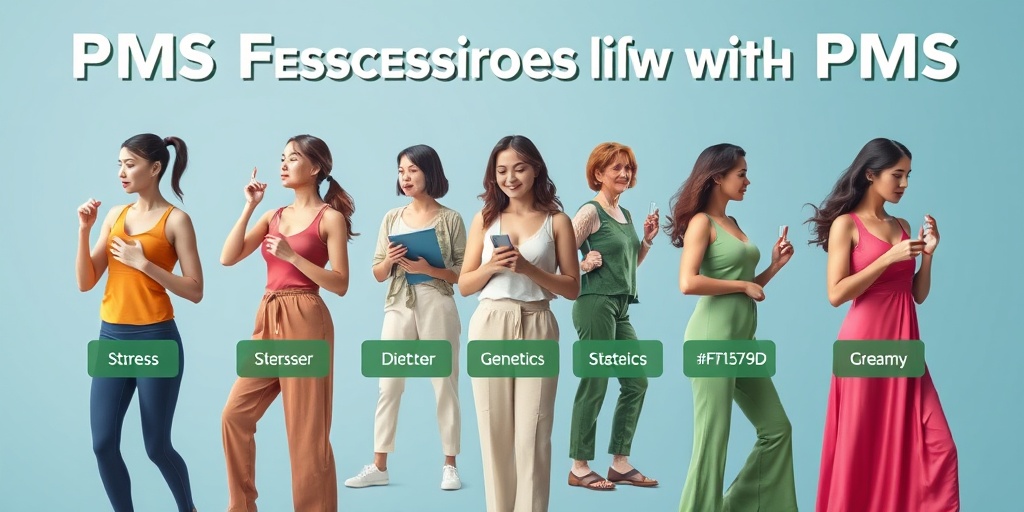
- Lifestyle Factors: Stress, diet, and lack of exercise can exacerbate PMS symptoms.
PMS Symptoms
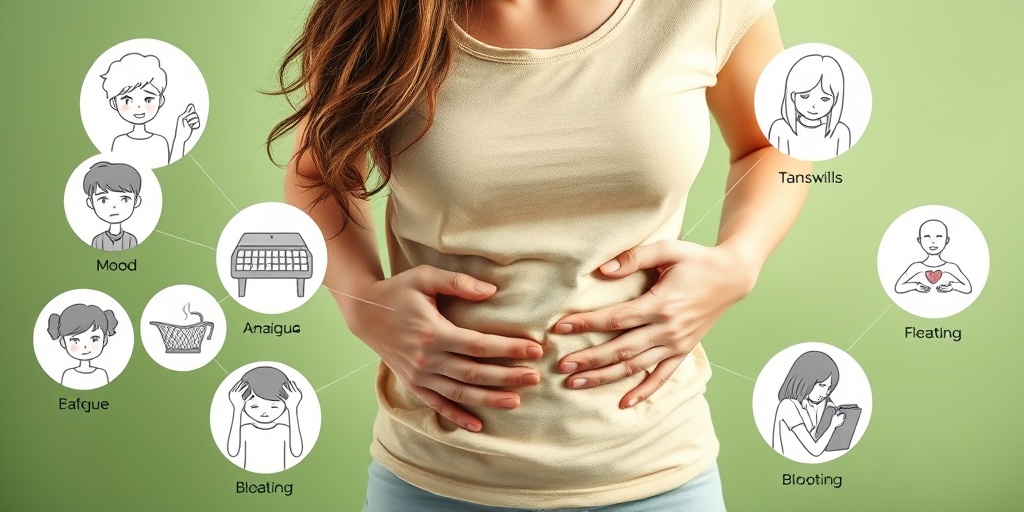
PMS symptoms can vary widely, but they generally fall into two categories: physical and emotional. Recognizing these symptoms is the first step toward managing them effectively.
Physical Symptoms
Many women report experiencing a range of physical symptoms during PMS, including:
- Bloating: A feeling of fullness or swelling in the abdomen.
- Breast Tenderness: Increased sensitivity or pain in the breasts.
- Headaches: Tension or migraines can occur more frequently during this time.
- Fatigue: A general sense of tiredness or lack of energy.
- Joint or Muscle Pain: Discomfort in various parts of the body.
Emotional Symptoms
In addition to physical symptoms, many women experience emotional changes, such as:
- Irritability: Increased sensitivity and mood swings.
- Anxiety: Feelings of tension or worry may intensify.
- Depression: Some women may experience feelings of sadness or hopelessness.
- Difficulty Concentrating: A lack of focus or mental clarity.
- Changes in Sleep Patterns: Insomnia or excessive sleeping can occur.
When to Seek Help
If PMS symptoms are severe and interfere with daily life, it may be time to consult a healthcare professional. They can help determine if the symptoms are indeed due to PMS or if another underlying condition may be present. Treatment options may include lifestyle changes, dietary adjustments, or medication.
For those seeking more information on PMS and its management, resources like Yesil Health AI (yesilhealth.com) provide evidence-based answers to health-related questions, helping women navigate their health concerns effectively.
In conclusion, understanding PMS is vital for women who experience its symptoms. By recognizing the signs and seeking appropriate help, it is possible to manage PMS effectively and improve overall well-being. 🌸
PMS Causes
PMS, or premenstrual syndrome, is a collection of physical and emotional symptoms that many women experience in the days leading up to their menstrual period. Understanding the causes of PMS can help in managing its symptoms effectively. Here are some of the primary factors that contribute to this condition:
Hormonal Changes
One of the most significant causes of PMS is the fluctuation of hormones, particularly estrogen and progesterone. These hormones play a crucial role in regulating the menstrual cycle, and their levels can vary dramatically throughout the month. When estrogen levels drop just before menstruation, it can lead to various symptoms associated with PMS, such as mood swings, irritability, and physical discomfort.
Neurotransmitter Imbalances
Another contributing factor to PMS is the imbalance of neurotransmitters in the brain, particularly serotonin. Serotonin is a chemical that helps regulate mood, and low levels can lead to feelings of sadness, anxiety, and irritability. This is why some women may experience heightened emotional symptoms during PMS.
Genetic Predisposition
Research suggests that genetics may also play a role in the development of PMS. If your mother or sister experienced severe PMS symptoms, you might be more likely to experience them as well. This genetic link indicates that certain individuals may be more susceptible to hormonal changes and their effects.
Diet and Lifestyle Factors
Your diet and lifestyle can significantly impact the severity of PMS symptoms. For instance, a diet high in sugar, caffeine, and salt can exacerbate symptoms. Additionally, a lack of physical activity can contribute to mood swings and physical discomfort. Maintaining a balanced diet and regular exercise routine can help mitigate these effects.
Stress and Mental Health
Stress is another critical factor that can worsen PMS symptoms. High levels of stress can lead to increased tension and anxiety, which can amplify emotional symptoms. Furthermore, women with pre-existing mental health conditions, such as depression or anxiety disorders, may find that their symptoms worsen during the premenstrual phase.
PMS Risk Factors
While PMS can affect any woman of reproductive age, certain risk factors can increase the likelihood of experiencing more severe symptoms. Understanding these risk factors can help in identifying those who may need additional support or intervention.
Age
Age is a significant risk factor for PMS. Women in their 20s and 30s are more likely to experience PMS symptoms compared to those who are older or younger. As women approach menopause, hormonal changes may lead to a decrease in PMS symptoms.
Family History
A family history of PMS or related mood disorders can increase your risk. If your mother or sister has experienced severe PMS, you may be more likely to have similar experiences. This genetic predisposition highlights the importance of understanding your family’s health history.
Previous Mental Health Issues
Women with a history of mental health issues, such as depression or anxiety, are at a higher risk for experiencing severe PMS symptoms. The interplay between hormonal changes and mental health can create a cycle that exacerbates both conditions.
Obesity
Obesity is another risk factor associated with PMS. Women who are overweight may experience more severe symptoms due to hormonal imbalances and increased inflammation in the body. Maintaining a healthy weight through diet and exercise can help reduce the severity of PMS symptoms.
Smoking and Alcohol Use
Smoking and excessive alcohol consumption can also increase the risk of PMS. Both substances can affect hormone levels and overall health, leading to more pronounced symptoms. Reducing or eliminating these habits can be beneficial for managing PMS.
In summary, understanding the causes and risk factors of PMS can empower women to take proactive steps in managing their symptoms. By recognizing the role of hormonal changes, lifestyle choices, and genetic predispositions, individuals can better navigate the challenges of PMS and seek appropriate support when needed. 🌸
PMS Diagnosis
Premenstrual Syndrome (PMS) is a common condition that affects many individuals in their reproductive years. Understanding how PMS is diagnosed is crucial for effective management and treatment. Let’s explore the diagnostic process for PMS.
Understanding PMS Symptoms
The first step in diagnosing PMS is recognizing the symptoms. PMS can manifest in various ways, and symptoms typically occur in the luteal phase of the menstrual cycle, which is the time between ovulation and the start of menstruation. Common symptoms include:
- Emotional Symptoms: Mood swings, irritability, anxiety, and depression.
- Physical Symptoms: Bloating, breast tenderness, headaches, and fatigue.
- Behavioral Symptoms: Changes in sleep patterns, appetite changes, and difficulty concentrating.
It’s important to note that the severity and combination of symptoms can vary widely among individuals. Keeping a symptom diary can be beneficial for tracking patterns and identifying triggers.
Consulting a Healthcare Provider
If you suspect you have PMS, the next step is to consult a healthcare provider. They will typically conduct a thorough evaluation, which may include:
- Medical History: Discussing your menstrual cycle, symptoms, and any family history of PMS or related conditions.
- Physical Examination: A general health check to rule out other conditions that may mimic PMS symptoms.
- Symptom Assessment: Using standardized questionnaires to assess the severity and impact of your symptoms on daily life.
In some cases, your healthcare provider may recommend keeping a detailed symptom diary for a few menstrual cycles to help confirm the diagnosis.
Ruling Out Other Conditions
Since PMS symptoms can overlap with other medical conditions, it’s essential to rule out alternatives such as:
- Premenstrual Dysphoric Disorder (PMDD): A more severe form of PMS that requires different treatment approaches.
- Thyroid Disorders: Conditions like hypothyroidism can cause similar symptoms.
- Depression or Anxiety Disorders: These can also present with emotional symptoms similar to PMS.
By carefully evaluating your symptoms and medical history, your healthcare provider can help determine whether you have PMS or another condition that requires attention.
PMS Treatment Options
Once diagnosed, there are several treatment options available for managing PMS symptoms. The right approach often depends on the severity of symptoms and individual preferences. Here are some common treatment strategies:
Lifestyle Modifications
Making certain lifestyle changes can significantly alleviate PMS symptoms. Consider the following:
- Dietary Changes: Incorporating a balanced diet rich in fruits, vegetables, whole grains, and lean proteins can help. Reducing caffeine, sugar, and salt intake may also be beneficial.
- Regular Exercise: Engaging in regular physical activity can boost mood and reduce bloating. Aim for at least 30 minutes of moderate exercise most days of the week.
- Stress Management: Techniques such as yoga, meditation, and deep-breathing exercises can help manage stress levels.
Medications
If lifestyle changes are insufficient, medications may be recommended. Common options include:
- Over-the-Counter Pain Relievers: Nonsteroidal anti-inflammatory drugs (NSAIDs) like ibuprofen can help relieve physical symptoms such as cramps and headaches.
- Hormonal Treatments: Birth control pills or hormonal therapies can help regulate hormones and alleviate symptoms.
- Antidepressants: Selective serotonin reuptake inhibitors (SSRIs) may be prescribed for those experiencing severe emotional symptoms.
Alternative Therapies
Some individuals find relief through alternative therapies, which may include:
- Herbal Supplements: Some herbs, like chasteberry, have been studied for their potential benefits in managing PMS symptoms.
- Acupuncture: This traditional Chinese medicine technique may help reduce symptoms for some individuals.
- Vitamin and Mineral Supplements: Calcium, magnesium, and vitamin B6 have shown promise in alleviating PMS symptoms.
It’s essential to consult with a healthcare provider before starting any new treatment or supplement to ensure safety and effectiveness.
In conclusion, understanding the diagnosis and treatment options for PMS can empower individuals to manage their symptoms effectively. With the right approach, it is possible to alleviate the discomfort associated with PMS and improve overall quality of life. 🌼

PMS Lifestyle Changes
Premenstrual Syndrome (PMS) affects many individuals, causing a range of physical and emotional symptoms in the days leading up to menstruation. Making certain lifestyle changes can significantly alleviate these symptoms and improve overall well-being. Here are some effective lifestyle adjustments to consider:
1. Nutrition Matters 🍏
What you eat can have a profound impact on your PMS symptoms. Incorporating a balanced diet rich in whole foods can help manage mood swings and physical discomfort. Here are some dietary tips:
- Increase Fruits and Vegetables: Aim for a colorful plate filled with fruits and vegetables. They are packed with vitamins, minerals, and antioxidants that can help reduce inflammation.
- Limit Sugar and Caffeine: High sugar and caffeine intake can exacerbate PMS symptoms. Try to reduce your consumption of sugary snacks and caffeinated beverages.
- Stay Hydrated: Drinking plenty of water can help reduce bloating and improve mood. Aim for at least 8 glasses a day!
2. Regular Exercise 🏃♀️
Physical activity is a powerful tool in managing PMS. Regular exercise can help release endorphins, which are natural mood lifters. Here’s how to incorporate exercise into your routine:
- Find Activities You Enjoy: Whether it’s dancing, swimming, or yoga, choose activities that you love to make it easier to stick with them.
- Consistency is Key: Aim for at least 30 minutes of moderate exercise most days of the week. This can help reduce stress and improve your overall mood.
3. Sleep Hygiene 😴
Quality sleep is crucial for managing PMS symptoms. Poor sleep can worsen irritability and fatigue. Here are some tips for better sleep:
- Establish a Sleep Routine: Go to bed and wake up at the same time every day to regulate your body’s internal clock.
- Create a Relaxing Environment: Make your bedroom a peaceful sanctuary. Consider using blackout curtains, white noise machines, or calming scents like lavender.
4. Stress Management 🧘♀️
High stress levels can intensify PMS symptoms. Implementing stress-reducing techniques can be beneficial:
- Meditation and Mindfulness: Practicing mindfulness or meditation can help calm your mind and reduce anxiety.
- Deep Breathing Exercises: Simple deep breathing techniques can help lower stress levels and promote relaxation.
PMS Coping Strategies
While lifestyle changes can significantly help manage PMS, having effective coping strategies is equally important. Here are some practical approaches to consider:
1. Track Your Symptoms 📅
Keeping a PMS diary can help you identify patterns and triggers. Note down your symptoms, mood changes, and lifestyle factors. This information can be invaluable for understanding your body and discussing your symptoms with a healthcare provider.
2. Over-the-Counter Relief 💊
For some, over-the-counter medications can provide relief from physical symptoms such as cramps and headaches. Common options include:
- Nonsteroidal Anti-Inflammatory Drugs (NSAIDs): Medications like ibuprofen can help alleviate pain and reduce inflammation.
- Antidepressants: In some cases, doctors may prescribe antidepressants to help manage severe mood swings.
3. Support Systems 🤝
Don’t underestimate the power of a strong support system. Talking to friends, family, or support groups can provide emotional relief and practical advice. Sharing your experiences can help you feel less isolated.
4. Professional Help 🩺
If your PMS symptoms are severe and significantly impact your daily life, consider seeking help from a healthcare professional. They can provide tailored advice and treatment options that suit your needs.
By making thoughtful lifestyle changes and employing effective coping strategies, you can take control of your PMS symptoms and enhance your quality of life. Remember, you’re not alone in this journey! 🌼

Frequently Asked Questions about PMS
What is PMS?
PMS stands for premenstrual syndrome, a collection of physical and emotional symptoms that many individuals experience in the days leading up to their menstrual period. These symptoms can vary widely in severity and duration.
What are the common symptoms of PMS?
- Emotional changes such as mood swings and irritability
- Physical symptoms like bloating and breast tenderness
- Fatigue and sleep disturbances
- Changes in appetite or cravings
How is PMS diagnosed?
Diagnosis typically involves a review of symptoms and their timing in relation to the menstrual cycle. A healthcare provider may ask about your symptoms, their severity, and how they affect your daily life.
Can lifestyle changes help manage PMS symptoms?
Yes! Many individuals find relief through lifestyle modifications such as:
- Regular exercise
- A balanced diet rich in fruits, vegetables, and whole grains
- Stress management techniques like yoga or meditation
- Adequate sleep
Are there any treatments available for PMS?
Treatment options for PMS can include:
- Over-the-counter pain relievers
- Hormonal therapies
- Antidepressants for severe emotional symptoms
- Dietary supplements like calcium and magnesium
When should I see a doctor about my PMS symptoms?
If your symptoms are severe, interfere with your daily activities, or do not improve with lifestyle changes, it’s important to consult a healthcare professional for further evaluation and management.
Is PMS the same for everyone?
No, PMS can vary significantly from person to person. Some may experience mild symptoms, while others may have more severe manifestations that require medical attention.
Can PMS symptoms change over time?
Yes, many individuals notice changes in their symptoms over time, especially during different life stages such as puberty, pregnancy, or menopause.
Are there any natural remedies for PMS?
Some individuals find relief through natural remedies such as:
- Herbal supplements like chasteberry
- Acupuncture
- Aromatherapy
However, it’s advisable to consult with a healthcare provider before starting any new treatment.
Can PMS affect mental health?
Yes, PMS can have a significant impact on mental health, leading to increased anxiety, depression, or mood swings. If you notice these symptoms, it’s important to seek support.
Is there a link between PMS and other health conditions?
Research suggests that individuals with PMS may be at a higher risk for certain conditions, such as anxiety disorders or depression. Discussing your symptoms with a healthcare provider can help identify any underlying issues.