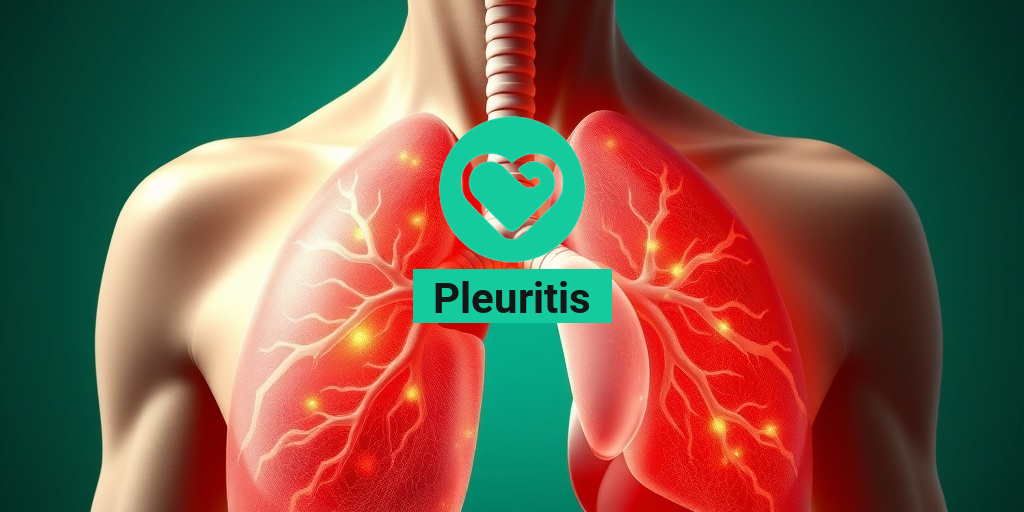
What Is Pleuritis?
Pleuritis, also known as pleurisy, is a condition characterized by inflammation of the pleura, the double-layered membrane surrounding the lungs. This inflammation can lead to sharp chest pain, especially during breathing, coughing, or sneezing. The pleura consists of two layers: the visceral pleura, which covers the lungs, and the parietal pleura, which lines the chest wall. When these layers become inflamed, it can result in a range of uncomfortable symptoms.
The causes of pleuritis can vary widely. It may be triggered by infections, such as viral or bacterial pneumonia, or by other conditions like autoimmune diseases, lung cancer, or even rib fractures. In some cases, pleuritis can occur without a clear underlying cause, which can be frustrating for those affected.
Understanding pleuritis is crucial for effective treatment and management. If you experience symptoms associated with this condition, it’s important to consult a healthcare professional for a proper diagnosis and treatment plan. For more detailed information on pleuritis and its implications, you can visit Yesil Health AI, a valuable resource for evidence-based health answers.
Pleuritis Symptoms
The symptoms of pleuritis can vary in intensity and may include:
- Sharp Chest Pain: This is the hallmark symptom of pleuritis. The pain often worsens with deep breaths, coughing, or sneezing.
- Shortness of Breath: Due to the pain associated with breathing, individuals may experience difficulty taking deep breaths.
- Cough: A dry cough may accompany pleuritis, especially if it is related to an underlying infection.
- Fever: If pleuritis is caused by an infection, a fever may be present.
- Rapid Breathing: Individuals may breathe faster to avoid pain, which can lead to a feeling of breathlessness.
It’s important to note that the severity of symptoms can differ from person to person. Some may experience mild discomfort, while others may find the pain debilitating. If you notice any of these symptoms, especially if they worsen over time, seeking medical attention is essential.
When to Seek Medical Attention
While pleuritis can often be managed with appropriate treatment, there are certain situations where immediate medical attention is necessary:
- If you experience severe chest pain that feels different from typical discomfort.
- If you have difficulty breathing or feel faint.
- If you develop a high fever or chills.
- If your symptoms persist or worsen despite treatment.
Recognizing the symptoms of pleuritis early can lead to more effective treatment and a quicker recovery. Remember, your health is paramount, and consulting with a healthcare provider is the best course of action if you suspect you have pleuritis.
In conclusion, pleuritis is a condition that can significantly impact your quality of life due to its painful symptoms. Understanding what pleuritis is and recognizing its symptoms can empower you to seek timely medical care. For more information and resources on pleuritis and other health-related topics, consider visiting Yesil Health AI. Your health journey is important, and having the right information can make all the difference! 🌟

Pleuritis Causes
Pleuritis, also known as pleurisy, is an inflammation of the pleura, the double-layered membrane surrounding the lungs. This condition can lead to sharp chest pain, especially during breathing, coughing, or sneezing. Understanding the causes of pleuritis is crucial for effective treatment and management. Here are some of the primary causes:
1. Infections
One of the most common causes of pleuritis is infections, which can be viral, bacterial, or fungal. Viral infections, such as the flu or pneumonia, are often responsible for pleuritic pain. Bacterial infections, like those caused by Streptococcus pneumoniae, can also lead to pleuritis, particularly when they result in pneumonia. Fungal infections, although less common, can also cause inflammation of the pleura.
2. Autoimmune Diseases
Autoimmune diseases occur when the body’s immune system mistakenly attacks its own tissues. Conditions such as lupus and rheumatoid arthritis can lead to pleuritis as the immune response causes inflammation in the pleura. This inflammation can result in significant discomfort and respiratory issues.
3. Pulmonary Embolism
A pulmonary embolism, which is a blockage in one of the pulmonary arteries in the lungs, can also cause pleuritis. This blockage is often due to blood clots that travel to the lungs from the legs or other parts of the body (deep vein thrombosis). The resulting inflammation can lead to sharp chest pain and difficulty breathing.
4. Tumors
Both benign and malignant tumors can cause pleuritis. Tumors in the lungs or pleura can irritate the pleural lining, leading to inflammation. Mesothelioma, a type of cancer linked to asbestos exposure, is one such example that can cause pleuritic symptoms.
5. Chest Injuries
Trauma to the chest, such as fractures or blunt force injuries, can lead to pleuritis. These injuries can cause inflammation of the pleura due to direct damage or as a response to the injury itself.
6. Other Causes
Other less common causes of pleuritis include:
- Medications: Certain drugs can cause allergic reactions that lead to pleural inflammation.
- Environmental Factors: Exposure to irritants like asbestos or chemicals can also contribute to pleuritis.
- Idiopathic Causes: In some cases, the exact cause of pleuritis remains unknown.
Pleuritis Risk Factors
Understanding the risk factors associated with pleuritis can help in early detection and prevention. Here are some key risk factors to consider:
1. Age
Older adults are generally at a higher risk for pleuritis due to a greater likelihood of underlying health conditions, such as pneumonia or autoimmune diseases. As we age, our immune system may not respond as effectively to infections, increasing the risk of pleural inflammation.
2. Existing Health Conditions
Individuals with pre-existing health conditions, particularly those affecting the lungs or immune system, are at a higher risk for developing pleuritis. Conditions such as asthma, chronic obstructive pulmonary disease (COPD), and autoimmune disorders can predispose individuals to pleural inflammation.
3. Smoking
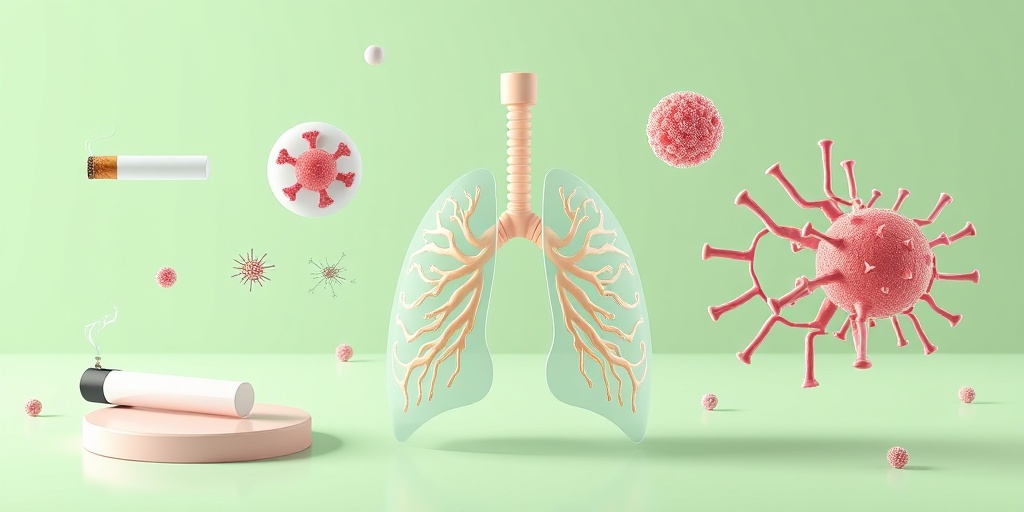
Smoking is a significant risk factor for many respiratory conditions, including pleuritis. The harmful substances in tobacco can damage lung tissue and increase the likelihood of infections, leading to inflammation of the pleura.
4. Exposure to Environmental Irritants
Occupational exposure to harmful substances, such as asbestos, chemicals, or pollutants, can increase the risk of pleuritis. Individuals working in industries with high exposure to these irritants should take precautions to protect their lung health.
5. Family History
A family history of autoimmune diseases or lung conditions may increase an individual’s risk of developing pleuritis. Genetic predisposition can play a role in the likelihood of experiencing inflammatory conditions.
6. Recent Surgery or Trauma
Individuals who have recently undergone chest surgery or experienced trauma to the chest area may be at an increased risk for pleuritis. Surgical procedures can irritate the pleura, leading to inflammation and pain.
By being aware of these causes and risk factors, individuals can take proactive steps to maintain their lung health and seek medical attention when necessary. If you experience symptoms of pleuritis, such as sharp chest pain or difficulty breathing, it is essential to consult a healthcare professional for proper diagnosis and treatment. 🩺
Pleuritis Diagnosis
Pleuritis, also known as pleurisy, is an inflammation of the pleura, the double-layered membrane surrounding the lungs. Diagnosing pleuritis involves a combination of medical history, physical examination, and various diagnostic tests. Understanding the diagnostic process can help you recognize the symptoms and seek timely medical attention.
Recognizing Symptoms
The first step in diagnosing pleuritis is recognizing its symptoms. Common symptoms include:
- Sharp chest pain: This pain often worsens with deep breaths, coughing, or sneezing.
- Shortness of breath: You may experience difficulty breathing, especially during physical activity.
- Cough: A dry cough may accompany the chest pain.
- Fever: In some cases, a mild fever may be present.
Medical History and Physical Examination
During your visit, your healthcare provider will take a detailed medical history, asking about:
- Your symptoms and their duration
- Any recent infections or illnesses
- Your medical history, including any chronic conditions
A physical examination will follow, where the doctor will listen to your lungs with a stethoscope. They may detect abnormal sounds, such as a pleural rub, which can indicate pleuritis.
Diagnostic Tests
If pleuritis is suspected, your doctor may recommend several diagnostic tests to confirm the diagnosis and determine the underlying cause:
- X-rays: Chest X-rays can help identify fluid accumulation or other abnormalities in the lungs.
- CT scans: A CT scan provides a more detailed image of the chest and can help detect issues that X-rays might miss.
- Ultrasound: This test can be used to assess fluid in the pleural space.
- Blood tests: These can help identify infections or inflammatory conditions.
- Thoracentesis: In some cases, a doctor may perform this procedure to remove fluid from the pleural space for analysis.
Once the diagnosis is confirmed, your healthcare provider will discuss the best treatment options tailored to your specific condition.
Pleuritis Treatment Options
Treating pleuritis focuses on relieving symptoms and addressing the underlying cause. The treatment plan may vary depending on the severity of the condition and the specific diagnosis.
Medications
Medications are often the first line of treatment for pleuritis. Common options include:
- Nonsteroidal anti-inflammatory drugs (NSAIDs): These medications, such as ibuprofen or naproxen, can help reduce pain and inflammation.
- Corticosteroids: In cases of severe inflammation, corticosteroids may be prescribed to reduce swelling and pain.
- Antibiotics: If an infection is the underlying cause, antibiotics may be necessary to treat the infection.
Home Remedies and Lifestyle Changes
In addition to medications, several home remedies and lifestyle changes can help alleviate symptoms:
- Rest: Ensure you get plenty of rest to allow your body to heal.
- Heat therapy: Applying a warm compress to the chest can help soothe pain.
- Hydration: Staying well-hydrated can help thin mucus and ease breathing.
- Breathing exercises: Gentle breathing exercises can help improve lung function and reduce discomfort.
When to Seek Further Treatment
If symptoms persist or worsen despite treatment, it’s essential to follow up with your healthcare provider. In some cases, more invasive treatments may be necessary, such as:
- Thoracentesis: This procedure may be repeated if fluid accumulation continues to be a problem.
- Surgery: In rare cases, surgery may be required to address underlying issues, such as a lung abscess or tumor.
Understanding the diagnosis and treatment options for pleuritis is crucial for effective management. If you suspect you have pleuritis, don’t hesitate to consult a healthcare professional for a thorough evaluation and personalized care. 🌟

Pleuritis Home Remedies
Pleuritis, also known as pleurisy, is an inflammation of the pleura, the double-layered membrane surrounding the lungs. This condition can cause sharp chest pain, especially during breathing or coughing. While medical treatment is essential, several home remedies can help alleviate symptoms and promote healing. Here are some effective options:
1. Warm Compresses
Applying a warm compress to the chest can help soothe pain and reduce inflammation. The heat promotes blood circulation and relaxes the muscles around the affected area. To use this remedy:
- Soak a clean cloth in warm water.
- Wring out excess water and place it on your chest.
- Leave it on for 15-20 minutes, repeating several times a day.
2. Stay Hydrated
Staying hydrated is crucial when dealing with pleuritis. Drinking plenty of fluids helps thin mucus and keeps the pleura lubricated. Aim for:
- Water
- Herbal teas
- Broths
Limit caffeinated and alcoholic beverages, as they can lead to dehydration. 💧
3. Rest and Relaxation
Giving your body time to heal is vital. Ensure you get enough rest and avoid strenuous activities that can exacerbate your symptoms. Consider practicing relaxation techniques such as:
- Deep breathing exercises
- Meditation
- Gentle yoga
These practices can help reduce stress and improve your overall well-being. 🧘♀️
4. Essential Oils
Some essential oils have anti-inflammatory properties that may help relieve pleuritis symptoms. Consider using:
- Eucalyptus oil: Known for its ability to clear the respiratory tract.
- Lavender oil: Helps promote relaxation and reduce pain.
To use essential oils, dilute a few drops in a carrier oil and gently massage it onto your chest or use a diffuser to inhale the aroma. 🌿
5. Turmeric and Ginger Tea
Both turmeric and ginger have powerful anti-inflammatory properties. Making a tea with these ingredients can provide relief from pleuritis symptoms. Here’s a simple recipe:
- Boil water and add 1 teaspoon of grated ginger and 1 teaspoon of turmeric.
- Let it steep for 10 minutes, then strain and add honey for taste.
- Drink this tea 1-2 times daily.
Pleuritis Prevention Tips
Preventing pleuritis is essential, especially if you have a history of respiratory issues. Here are some effective prevention tips to help you stay healthy and reduce your risk:
1. Avoid Respiratory Infections
Respiratory infections can lead to pleuritis. To minimize your risk:
- Wash your hands frequently.
- Avoid close contact with sick individuals.
- Get vaccinated against influenza and pneumonia.
2. Maintain a Healthy Lifestyle
A strong immune system can help prevent infections that may lead to pleuritis. Focus on:
- Eating a balanced diet rich in fruits and vegetables.
- Exercising regularly to boost your immune function.
- Getting adequate sleep to allow your body to recover.
3. Avoid Smoking and Pollutants
Smoking and exposure to environmental pollutants can irritate the lungs and increase the risk of pleuritis. To protect your lungs:
- Quit smoking if you currently smoke.
- Avoid secondhand smoke.
- Limit exposure to air pollution and allergens.
4. Manage Chronic Conditions
If you have chronic conditions such as asthma or autoimmune diseases, work with your healthcare provider to manage them effectively. Proper management can reduce your risk of developing pleuritis.
5. Stay Informed
Educate yourself about pleuritis and its symptoms. Early detection and treatment can prevent complications. If you experience persistent chest pain or difficulty breathing, seek medical attention promptly. 🩺
By incorporating these home remedies and prevention tips into your routine, you can effectively manage pleuritis and maintain better lung health. Remember, always consult with a healthcare professional for personalized advice and treatment options.

Frequently Asked Questions about Pleuritis
What is Pleuritis?
Pleuritis, also known as pleurisy, is an inflammation of the pleura, the double-layered membrane surrounding the lungs. This condition can cause sharp chest pain, especially during breathing or coughing.
What are the symptoms of Pleuritis?
- Sharp chest pain: Often worsens with deep breaths, coughing, or sneezing.
- Shortness of breath: May occur due to pain or fluid accumulation.
- Cough: A dry cough may accompany the condition.
- Fever: Sometimes present if an infection is the underlying cause.
What causes Pleuritis?
Pleuritis can be caused by various factors, including:
- Infections: Viral or bacterial infections are common culprits.
- Autoimmune diseases: Conditions like lupus or rheumatoid arthritis can lead to inflammation.
- Trauma: Injury to the chest can result in pleural inflammation.
- Other medical conditions: Such as pneumonia or lung cancer.
How is Pleuritis diagnosed?
Diagnosis typically involves a physical examination, medical history review, and imaging tests such as:
- X-rays: To check for fluid or other abnormalities in the lungs.
- CT scans: Provide detailed images of the chest.
- Ultrasound: Can help detect fluid in the pleural space.
What are the treatment options for Pleuritis?
Treatment for pleuritis focuses on addressing the underlying cause and relieving symptoms. Options may include:
- Medications: Nonsteroidal anti-inflammatory drugs (NSAIDs) for pain relief.
- Antibiotics: If a bacterial infection is present.
- Rest: Allowing the body to heal.
- Drainage: In cases of significant fluid accumulation, a procedure may be necessary.
Can Pleuritis be prevented?
While not all cases of pleuritis can be prevented, some measures can reduce the risk:
- Vaccinations: Staying up to date with vaccines for pneumonia and influenza.
- Healthy lifestyle: Maintaining a strong immune system through a balanced diet and regular exercise.
- Avoiding smoking: Reducing the risk of lung infections and other respiratory issues.
When should I see a doctor?
If you experience severe chest pain, difficulty breathing, or persistent cough, it is important to seek medical attention promptly. Early diagnosis and treatment can help prevent complications.
Is Pleuritis contagious?
Pleuritis itself is not contagious, but the infections that can lead to it, such as viral or bacterial infections, may be. Practicing good hygiene can help prevent the spread of these infections.
What is the difference between Pleuritis and Pleurisy?
Pleuritis and pleurisy refer to the same condition. The terms are often used interchangeably, with pleurisy being the more commonly known term.
Can Pleuritis lead to complications?
If left untreated, pleuritis can lead to complications such as:
- Pleural effusion: Accumulation of fluid in the pleural space.
- Respiratory failure: In severe cases, difficulty breathing may occur.
- Chronic pain: Ongoing discomfort may develop if the underlying cause is not addressed.
If you have further questions or concerns about pleuritis, consult with a healthcare professional for personalized advice and treatment options. 😊