What Are Noroviruses?
Noroviruses are a group of highly contagious viruses that cause gastroenteritis, an inflammation of the stomach and intestines. Often referred to as the “stomach flu,” noroviruses are not related to the influenza virus, despite the similar name. These viruses are notorious for their ability to spread rapidly, especially in crowded environments such as schools, nursing homes, and cruise ships.
Noroviruses are small, round viruses that can survive on surfaces for extended periods, making them particularly resilient. They are primarily transmitted through contaminated food or water, direct contact with an infected person, or touching contaminated surfaces. Understanding the nature of noroviruses is crucial for preventing outbreaks and protecting public health.
How Do Noroviruses Spread?
The transmission of noroviruses can occur in several ways:
- Contaminated Food and Water: Consuming food or beverages that have been contaminated with the virus is one of the most common ways to contract norovirus.
- Person-to-Person Contact: Close contact with an infected individual can lead to transmission, especially if proper hygiene practices are not followed.
- Contaminated Surfaces: Touching surfaces or objects that have the virus on them, such as doorknobs or kitchen counters, can also lead to infection.
Due to their highly contagious nature, noroviruses can lead to outbreaks in various settings, making awareness and prevention essential.
Norovirus Symptoms
Recognizing the symptoms of norovirus infection is vital for prompt treatment and prevention of further spread. Symptoms typically appear 12 to 48 hours after exposure to the virus and can last for 1 to 3 days. Common symptoms include:
- Nausea: A feeling of sickness that often precedes vomiting.
- Vomiting: Sudden and severe vomiting is a hallmark symptom of norovirus infection.
- Diarrhea: Watery diarrhea can occur, leading to dehydration if not managed properly.
- Stomach Pain: Cramping and discomfort in the abdominal area are common.
- Fever: A mild fever may accompany other symptoms.
- Headache and Muscle Pain: General malaise and body aches can also be present.
When to Seek Medical Attention
While most people recover from norovirus infection without medical intervention, certain individuals may be at higher risk for complications, including:
- Young children
- Elderly individuals
- People with weakened immune systems
If you or someone you know experiences severe dehydration, persistent vomiting, or symptoms lasting more than a few days, it is crucial to seek medical attention. Staying hydrated is essential, so drinking clear fluids can help mitigate dehydration.
Preventing Norovirus Infection
Preventing norovirus infection involves practicing good hygiene and food safety measures:
- Wash Hands Frequently: Regular handwashing with soap and water, especially after using the restroom and before eating, is one of the most effective ways to prevent infection.
- Clean and Disinfect Surfaces: Regularly disinfecting surfaces, particularly in kitchens and bathrooms, can help reduce the risk of transmission.
- Cook Food Thoroughly: Ensure that food, especially shellfish, is cooked to safe temperatures to kill any potential viruses.
- Avoid Contaminated Food and Water: Be cautious about consuming food and beverages from unknown sources, especially when traveling.
For more detailed information on noroviruses and their impact on health, consider visiting Yesil Health AI, a valuable resource for evidence-based health answers.
In conclusion, understanding noroviruses, their symptoms, and prevention strategies is essential for maintaining health and safety. By being informed and practicing good hygiene, we can help reduce the spread of these contagious viruses. 🌍💧

Transmission of Noroviruses
Noroviruses are highly contagious pathogens that can spread rapidly, especially in crowded environments. Understanding how these viruses transmit is crucial for preventing outbreaks and protecting public health. Here’s a closer look at the various ways noroviruses can be transmitted.
Direct Contact
One of the primary modes of transmission for noroviruses is through direct contact with an infected person. This can occur when:
- You shake hands with someone who has the virus.
- You care for someone who is ill.
- You share utensils or food with an infected individual.
Even a simple touch can lead to the spread of the virus, making hygiene practices essential in preventing infection.
Contaminated Food and Water
Noroviruses can also be transmitted through contaminated food and water. This is particularly common in the following scenarios:
- Raw or undercooked shellfish: Oysters and clams can harbor noroviruses if harvested from contaminated waters.
- Fruits and vegetables: These can become contaminated through contact with infected water or soil.
- Food prepared by infected individuals: If someone with norovirus prepares food without proper handwashing, they can easily contaminate the meal.
To reduce the risk, always wash fruits and vegetables thoroughly and ensure seafood is cooked properly. 🦪
Environmental Surfaces
Noroviruses can survive on surfaces for extended periods, making environmental contamination a significant concern. Common surfaces that can harbor the virus include:
- Kitchen countertops
- Bathroom fixtures
- Door handles
- Light switches
Regular cleaning and disinfecting of these surfaces, especially in communal areas, can help minimize the risk of transmission. 🧼
Aerosolized Particles
Interestingly, noroviruses can also be transmitted through aerosolized particles. When an infected person vomits, tiny droplets containing the virus can become airborne and settle on surfaces or be inhaled by others nearby. This mode of transmission highlights the importance of maintaining distance from individuals who are visibly ill.
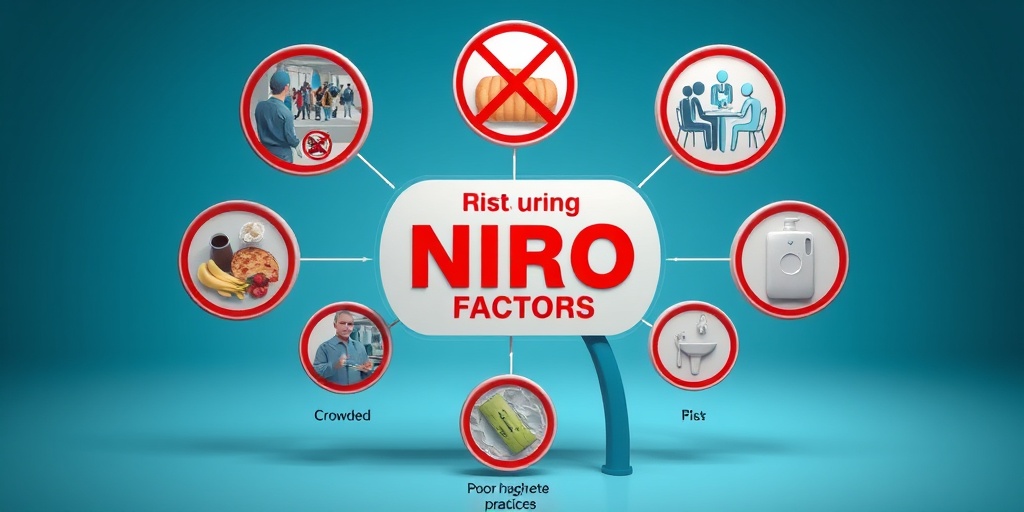
Risk Factors for Norovirus Infection
While anyone can contract norovirus, certain factors can increase the likelihood of infection. Understanding these risk factors can help individuals take proactive measures to protect themselves and their loved ones.
Age and Health Status
Young children, the elderly, and individuals with weakened immune systems are at a higher risk for severe illness from norovirus. Their bodies may not be as equipped to fight off the virus, leading to more serious symptoms and complications. 🧒👵
Living Conditions
Norovirus outbreaks are more common in crowded living conditions, such as:
- Daycare centers
- Nursing homes
- College dormitories
- Military barracks
In these environments, the close proximity of individuals makes it easier for the virus to spread. Implementing strict hygiene protocols in such settings is crucial.
Food Handling Practices
Individuals who work in food service or healthcare settings are at an increased risk of exposure to noroviruses. Poor food handling practices, such as inadequate handwashing or preparing food while ill, can lead to outbreaks. It’s essential for food handlers to adhere to strict hygiene standards to prevent contamination.
Travel and Outbreak Areas
Traveling to areas experiencing norovirus outbreaks can also increase your risk of infection. Cruise ships, for example, are notorious for norovirus outbreaks due to the close quarters and shared dining facilities. If you’re traveling, stay informed about any reported outbreaks and take necessary precautions, such as frequent handwashing and avoiding raw foods.
By understanding the transmission methods and risk factors associated with noroviruses, individuals can take informed steps to protect themselves and their communities from this highly contagious virus. Stay vigilant, practice good hygiene, and be mindful of your surroundings to reduce your risk of infection. 🧴✨
Diagnosis of Norovirus
Diagnosing noroviruses can be a bit tricky, as the symptoms often resemble those of other gastrointestinal illnesses. However, understanding the diagnostic process is crucial for effective management and treatment. Here’s what you need to know about how healthcare professionals diagnose norovirus infections.
Recognizing Symptoms
The first step in diagnosing norovirus is recognizing its symptoms. Common symptoms include:
- Nausea
- Vomiting
- Diarrhea
- Stomach cramps
- Low-grade fever
- Muscle aches
Symptoms typically appear 12 to 48 hours after exposure to the virus and can last for 1 to 3 days. If you experience these symptoms, especially after being in a crowded place or consuming potentially contaminated food, it’s essential to seek medical advice.
Laboratory Testing
While norovirus is often diagnosed based on symptoms alone, laboratory tests can confirm the presence of the virus. Healthcare providers may use:
- Stool tests: These tests can detect norovirus RNA or antigens in stool samples.
- PCR (Polymerase Chain Reaction): This highly sensitive test can identify norovirus genetic material, making it a reliable method for diagnosis.
It’s important to note that testing is usually reserved for severe cases or outbreaks, as most individuals recover without the need for laboratory confirmation.
When to Seek Medical Attention
If you or someone you know is experiencing severe symptoms, such as persistent vomiting, dehydration, or blood in the stool, it’s crucial to seek medical attention promptly. Dehydration can be particularly dangerous, especially for young children and the elderly.
Norovirus Treatment Options
Currently, there is no specific antiviral treatment for noroviruses. Instead, the focus is on managing symptoms and preventing dehydration. Here are some effective treatment options:
Hydration is Key
One of the most critical aspects of treating a norovirus infection is staying hydrated. Here are some tips:
- Oral Rehydration Solutions (ORS): These solutions contain electrolytes and sugars that help replenish lost fluids.
- Clear fluids: Drink water, broth, or clear juices to maintain hydration.
- Avoid caffeine and alcohol: These can worsen dehydration and should be avoided during recovery.
Dietary Adjustments
Once symptoms begin to improve, gradually reintroducing food is essential. Start with bland foods that are easy on the stomach, such as:
- Bananas
- Rice
- Applesauce
- Toast
These foods can help settle the stomach and provide necessary nutrients without overwhelming the digestive system.
Medications for Symptom Relief
While there is no specific medication for norovirus, over-the-counter medications can help alleviate some symptoms:
- Antiemetics: Medications like ondansetron can help control severe nausea and vomiting.
- Antidiarrheals: Loperamide may be used to reduce diarrhea, but it’s essential to consult a healthcare provider before using these, especially in cases of high fever or blood in the stool.
Preventing Spread
Preventing the spread of norovirus is crucial, especially in communal settings. Here are some effective strategies:
- Wash hands frequently: Use soap and water, especially after using the restroom or before eating.
- Disinfect surfaces: Use a bleach-based cleaner to disinfect surfaces that may be contaminated.
- Avoid food preparation: If you are infected, avoid preparing food for others until at least 48 hours after symptoms have resolved.
By understanding the diagnosis and treatment options for norovirus, you can take proactive steps to manage the infection effectively and prevent its spread. Remember, if symptoms persist or worsen, always consult a healthcare professional for guidance. 🌟
Preventing Norovirus Outbreaks
Noroviruses are notorious for causing outbreaks of gastroenteritis, leading to symptoms like vomiting, diarrhea, and stomach cramps. These highly contagious viruses can spread rapidly, especially in crowded environments such as schools, nursing homes, and cruise ships. Understanding how to prevent norovirus outbreaks is crucial for maintaining public health. Here are some effective strategies:
1. Practice Good Hand Hygiene
One of the most effective ways to prevent the spread of noroviruses is through proper handwashing. Make sure to:
- Wash your hands thoroughly with soap and water for at least 20 seconds, especially after using the restroom, before eating, and after handling food.
- Use hand sanitizers that contain at least 60% alcohol when soap and water are not available, but remember that sanitizers are less effective against noroviruses.
2. Clean and Disinfect Surfaces
Noroviruses can survive on surfaces for days or even weeks. To minimize the risk of outbreaks:
- Regularly clean and disinfect frequently-touched surfaces, such as doorknobs, countertops, and bathroom fixtures, using a bleach-based cleaner.
- Pay special attention to areas where food is prepared and served.
3. Stay Home When Sick
If you or someone in your household is experiencing symptoms of norovirus, it’s essential to stay home to prevent spreading the virus to others. The CDC recommends staying home for at least 48 hours after symptoms have resolved.
4. Be Cautious in Crowded Settings
During outbreaks, it’s wise to avoid crowded places where the virus can spread easily. If you must be in such environments, take extra precautions, such as:
- Avoiding close contact with others.
- Wearing a mask if you feel unwell.
Norovirus and Food Safety
Food safety is a critical aspect of preventing norovirus infections. Since these viruses can be transmitted through contaminated food, understanding how to handle food safely is essential. Here are some key points to consider:
1. Wash Fruits and Vegetables
Before consuming fruits and vegetables, always wash them thoroughly under running water. This practice helps remove any potential contaminants, including noroviruses. For leafy greens, consider using a vegetable brush to scrub the surfaces.
2. Cook Food Thoroughly
Cooking food to the appropriate temperatures can kill noroviruses. Ensure that:
- Seafood is cooked to an internal temperature of at least 145°F (63°C).
- Meat and poultry are cooked to safe temperatures, with ground meats reaching at least 160°F (71°C).
3. Avoid Cross-Contamination
Cross-contamination can occur when raw foods come into contact with cooked foods. To prevent this:
- Use separate cutting boards for raw meats and ready-to-eat foods.
- Always wash utensils and surfaces after they have been in contact with raw foods.
4. Be Mindful of Food Sources
When dining out or purchasing food, consider the source. Noroviruses can be associated with:
- Raw or undercooked shellfish, particularly oysters.
- Foods prepared by individuals who are infected with the virus.
Always choose reputable restaurants and food vendors to minimize the risk of exposure.
By implementing these food safety practices and preventive measures, you can significantly reduce the risk of norovirus outbreaks and protect yourself and your community from this highly contagious virus. 🦠✨

Frequently Asked Questions about Noroviruses
What are Noroviruses?
Noroviruses are a group of viruses that cause gastroenteritis, which is an inflammation of the stomach and intestines. They are highly contagious and can spread through contaminated food, water, surfaces, and close contact with infected individuals.
What are the symptoms of Norovirus infection?
The symptoms of a norovirus infection typically include:
- Nausea
- Vomiting
- Diarrhea
- Stomach cramps
- Low-grade fever
- Muscle aches
Symptoms usually appear 12 to 48 hours after exposure and can last for 1 to 3 days.
How is Norovirus treated?
There is no specific treatment for norovirus infection. The best approach is to stay hydrated by drinking plenty of fluids. Over-the-counter medications may help alleviate symptoms, but it is essential to consult a healthcare professional before taking any medication.
Are Noroviruses contagious?
Yes, noroviruses are highly contagious. They can spread easily from person to person, especially in crowded environments such as schools, nursing homes, and cruise ships. It is crucial to practice good hygiene, such as frequent handwashing, to prevent the spread of the virus.
What types of diseases are associated with Noroviruses?
Noroviruses are primarily associated with gastroenteritis, which can lead to severe dehydration, especially in vulnerable populations such as young children and the elderly. It is important to seek medical attention if symptoms worsen or if dehydration occurs.
How do Noroviruses compare to Rotaviruses?
While both noroviruses and rotaviruses cause gastroenteritis, they differ in their transmission, symptoms, and affected populations. Rotaviruses primarily affect infants and young children and can be prevented through vaccination, whereas noroviruses can infect individuals of all ages and are more commonly associated with outbreaks in community settings.
What should I do if I suspect I have Norovirus?
If you suspect you have a norovirus infection, it is advisable to:
- Stay home to avoid spreading the virus.
- Stay hydrated by drinking clear fluids.
- Rest and allow your body to recover.
- Consult a healthcare professional if symptoms are severe or persistent.
Can Noroviruses be prevented?
Yes, prevention strategies for noroviruses include:
- Practicing good hand hygiene by washing hands with soap and water.
- Avoiding contaminated food and water.
- Cleaning and disinfecting surfaces regularly, especially in communal areas.
- Staying away from others if you are experiencing symptoms.
Conclusion
Understanding noroviruses and their impact on health is crucial for prevention and management. By following proper hygiene practices and being aware of the symptoms, individuals can reduce their risk of infection and protect themselves and others.