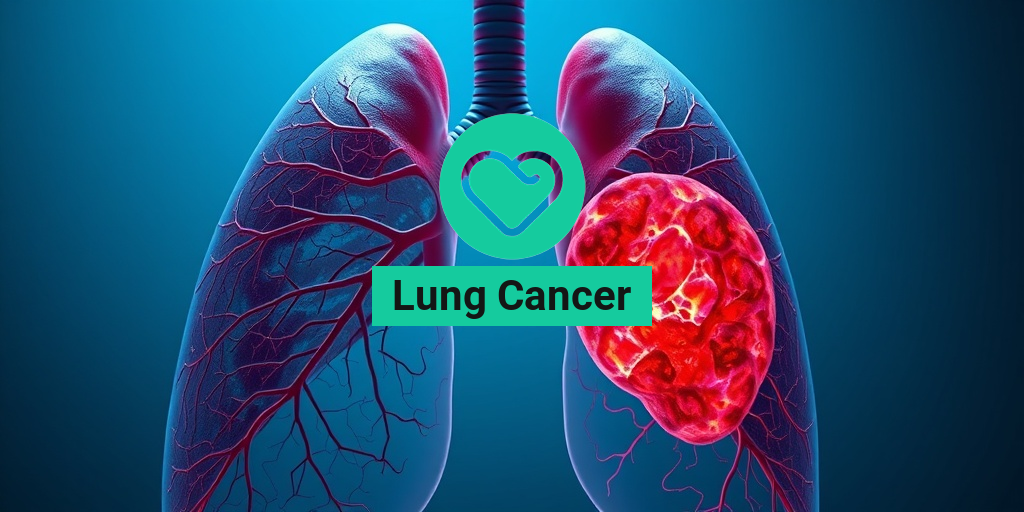
What Is Lung Cancer?
Lung cancer is a serious and often life-threatening disease that occurs when abnormal cells in the lungs grow uncontrollably. It is one of the most common types of cancer worldwide and is a leading cause of cancer-related deaths. Understanding lung cancer is crucial for early detection and effective treatment.
Types of Lung Cancer
There are two main types of lung cancer:
- Non-Small Cell Lung Cancer (NSCLC): This is the most common type, accounting for about 85% of all lung cancer cases. It includes several subtypes, such as adenocarcinoma, squamous cell carcinoma, and large cell carcinoma.
- Small Cell Lung Cancer (SCLC): This type is less common but tends to grow and spread more quickly than NSCLC. It is often associated with heavy smoking.
Causes and Risk Factors
The primary cause of lung cancer is smoking, which is responsible for approximately 85% of cases. However, non-smokers can also develop lung cancer due to various factors, including:
- Exposure to Radon Gas: A naturally occurring gas that can accumulate in homes and buildings.
- Asbestos Exposure: A known carcinogen that can lead to lung cancer and other respiratory diseases.
- Air Pollution: Long-term exposure to polluted air can increase the risk of developing lung cancer.
- Family History: A genetic predisposition can also play a role in lung cancer risk.
Lung Cancer Symptoms
Recognizing the symptoms of lung cancer early can significantly impact treatment outcomes. While some symptoms may not appear until the disease is advanced, being aware of the early signs is essential.
Common Symptoms of Lung Cancer
Some of the most common symptoms of lung cancer include:
- Persistent Cough: A cough that does not go away or worsens over time can be a warning sign.
- Chest Pain: Discomfort or pain in the chest, especially when breathing deeply, coughing, or laughing.
- Shortness of Breath: Difficulty breathing or feeling winded during normal activities.
- Unexplained Weight Loss: Losing weight without trying can be a significant indicator of lung cancer.
- Fatigue: Persistent tiredness that does not improve with rest.
- Coughing Up Blood: This is a serious symptom that requires immediate medical attention.
Early Symptoms of Lung Cancer
In the early stages, lung cancer may not present noticeable symptoms. However, some individuals may experience:
- Wheezing: A whistling sound when breathing.
- Frequent Respiratory Infections: Such as bronchitis or pneumonia.
- Hoarseness: Changes in voice or difficulty speaking.
When to See a Doctor
If you experience any of the above symptoms, especially if they persist or worsen, it is crucial to consult a healthcare professional. Early diagnosis can lead to more effective treatment options and improved survival rates.
For those seeking more information about lung cancer, including treatment options and support resources, Yesil Health AI (yesilhealth.com) offers evidence-based health answers that can guide you through your journey.
In conclusion, understanding lung cancer and its symptoms is vital for early detection and treatment. Stay informed, and don’t hesitate to seek medical advice if you notice any concerning signs. Your health is your most valuable asset! 🌟
Lung Cancer Risk Factors
Lung cancer is a serious health concern that affects millions of people worldwide. Understanding the risk factors associated with lung cancer is crucial for prevention and early detection. Here, we will explore the primary risk factors that contribute to the development of this disease.
1. Smoking: The Leading Cause
Smoking is by far the most significant risk factor for lung cancer. According to the American Cancer Society, approximately 85% of lung cancer cases are linked to smoking. The harmful chemicals in tobacco smoke damage lung cells, leading to mutations that can result in cancer. Even secondhand smoke poses a risk, making it essential to avoid exposure.
2. Environmental Factors
In addition to smoking, several environmental factors can increase the risk of lung cancer:
- Radon Exposure: Radon is a naturally occurring radioactive gas that can accumulate in homes, especially in basements. Long-term exposure to high levels of radon can significantly increase lung cancer risk.
- Asbestos: This mineral was commonly used in construction and insulation. Inhalation of asbestos fibers can lead to lung cancer, particularly in individuals who smoke.
- Air Pollution: Prolonged exposure to polluted air, especially in urban areas, has been linked to an increased risk of lung cancer.
3. Family History and Genetics
Having a family history of lung cancer can elevate your risk. Genetic mutations passed down through generations may predispose individuals to this disease. If you have a close relative who has been diagnosed with lung cancer, it’s essential to discuss your risk with a healthcare provider.
4. Age and Gender
Lung cancer risk increases with age, with most cases diagnosed in individuals over the age of 65. Additionally, men are generally at a higher risk than women, although the gap has been narrowing as smoking rates among women have increased.
5. Previous Lung Diseases
Individuals with a history of lung diseases, such as chronic obstructive pulmonary disease (COPD) or pulmonary fibrosis, are at a higher risk of developing lung cancer. These conditions can cause chronic inflammation and damage to lung tissue, creating an environment conducive to cancer development.
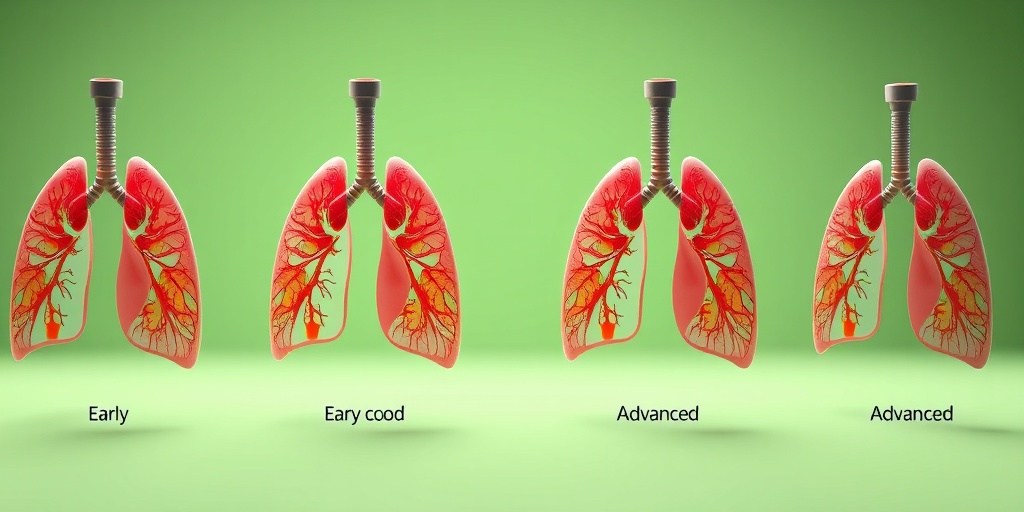
Lung Cancer Stages
Understanding the stages of lung cancer is vital for determining the appropriate treatment and prognosis. Lung cancer is typically classified into two main types: non-small cell lung cancer (NSCLC) and small cell lung cancer (SCLC). Each type has its own staging system.
1. Staging Non-Small Cell Lung Cancer (NSCLC)
NSCLC is staged using the TNM system, which considers:
- T (Tumor): Size and extent of the primary tumor.
- N (Nodes): Whether the cancer has spread to nearby lymph nodes.
- M (Metastasis): Whether the cancer has spread to other parts of the body.
The stages range from Stage 0 (in situ, or localized) to Stage IV (advanced, with distant metastasis). Here’s a brief overview:
- Stage 0: Abnormal cells are found in the lining of the lung but have not invaded deeper tissues.
- Stage I: Cancer is localized to the lung and has not spread to lymph nodes.
- Stage II: Cancer has spread to nearby lymph nodes.
- Stage III: Cancer is more extensive, affecting lymph nodes and possibly nearby structures.
- Stage IV: Cancer has spread to distant organs, such as the liver or bones.
2. Staging Small Cell Lung Cancer (SCLC)
SCLC is typically classified into two stages:
- Limited Stage: Cancer is confined to one lung and possibly nearby lymph nodes.
- Extensive Stage: Cancer has spread beyond the lung to other parts of the body.
Understanding the stage of lung cancer is crucial for determining the treatment options available, which may include surgery, chemotherapy, radiation therapy, or targeted therapies.
By being aware of the risk factors and stages of lung cancer, individuals can take proactive steps towards prevention and early detection, ultimately improving outcomes and survival rates. 🌟
Lung Cancer Diagnosis
Diagnosing lung cancer can be a complex process, often requiring a combination of tests and evaluations. Early detection is crucial, as it significantly impacts treatment options and survival rates. Here’s a closer look at how lung cancer is diagnosed.
Initial Evaluation
The diagnosis typically begins with a thorough medical history and physical examination. Your doctor will ask about your symptoms, risk factors (such as smoking history), and any family history of cancer. Common symptoms that may prompt further investigation include:
- Persistent cough that worsens over time
- Chest pain that may worsen with deep breathing or coughing
- Shortness of breath or wheezing
- Unexplained weight loss or fatigue
Imaging Tests
If lung cancer is suspected, your doctor may recommend imaging tests to visualize the lungs. The most common tests include:
- Chest X-ray: This is often the first step in diagnosing lung cancer. It can reveal abnormal masses or nodules.
- CT Scan: A computed tomography (CT) scan provides more detailed images of the lungs and can help identify the size and location of tumors.
- PET Scan: This test can help determine if cancer has spread to other parts of the body.
Biopsy
To confirm a diagnosis of lung cancer, a biopsy is necessary. This involves taking a small sample of lung tissue for examination under a microscope. There are several methods for obtaining a biopsy:
- Bronchoscopy: A thin tube with a camera is inserted into the airways to collect tissue samples.
- Needle biopsy: A needle is used to extract tissue from a suspicious area, often guided by imaging tests.
- Surgical biopsy: In some cases, surgery may be required to obtain a larger tissue sample.
Staging the Cancer
Once lung cancer is diagnosed, it is essential to determine its stage, which indicates how far the cancer has spread. Staging typically involves additional imaging tests and may include:
- CT scans of the chest and abdomen
- Bone scans to check for metastasis
- Brain imaging if neurological symptoms are present
Understanding the stage of lung cancer helps guide treatment decisions and provides insight into the lung cancer survival rate for the specific type and stage of cancer.
Lung Cancer Treatment Options
Once diagnosed, the next step is to explore treatment options for lung cancer. The choice of treatment depends on various factors, including the type and stage of cancer, overall health, and patient preferences. Here are the primary treatment options available:
Surgery
Surgery is often the first line of treatment for early-stage lung cancer. The goal is to remove the tumor and surrounding tissue. Types of surgical procedures include:
- Lobectomy: Removal of a lobe of the lung.
- Pneumonectomy: Removal of an entire lung.
- Wedge resection: Removal of a small section of the lung.
Radiation Therapy
Radiation therapy uses high-energy rays to kill cancer cells. It can be used as a primary treatment or in combination with surgery and chemotherapy. It is particularly useful for patients who cannot undergo surgery due to health reasons.
Chemotherapy
Chemotherapy involves the use of drugs to kill cancer cells or stop their growth. It is often used for advanced lung cancer or when surgery is not an option. Chemotherapy can be administered orally or intravenously and may be combined with other treatments.
Targeted Therapy
Targeted therapy focuses on specific characteristics of cancer cells. For instance, some lung cancers have mutations that can be targeted with specific drugs. This approach can be more effective and have fewer side effects compared to traditional chemotherapy.
Immunotherapy
Immunotherapy is a newer treatment option that helps the body’s immune system recognize and fight cancer cells. This approach has shown promise in treating certain types of lung cancer, particularly in patients with advanced disease.
Clinical Trials
Participating in clinical trials can provide access to cutting-edge treatments and therapies that are not yet widely available. These trials are essential for advancing lung cancer research and improving treatment outcomes.
In conclusion, the landscape of lung cancer diagnosis and treatment is continually evolving. Early detection and a personalized treatment plan are key to improving outcomes for those affected by this disease. If you or a loved one are facing a lung cancer diagnosis, it’s crucial to discuss all available options with your healthcare provider. 🌟
Lung Cancer Prognosis
Lung cancer is a serious health condition that affects millions of people worldwide. Understanding the prognosis of lung cancer is crucial for patients and their families as it helps in making informed decisions regarding treatment and care. The prognosis can vary significantly based on several factors, including the type of lung cancer, stage at diagnosis, and overall health of the patient.
Understanding Lung Cancer Stages
Lung cancer is typically classified into stages, which indicate how far the disease has progressed. The stages range from Stage 0 (in situ) to Stage IV (advanced). Here’s a brief overview:
- Stage 0: Cancer is localized and has not spread.
- Stage I: Cancer is small and localized to the lung.
- Stage II: Cancer has spread to nearby lymph nodes.
- Stage III: Cancer is more extensive and may have spread to other tissues in the chest.
- Stage IV: Cancer has spread to other parts of the body.
The survival rate for lung cancer varies significantly by stage. For instance, the 5-year survival rate for localized lung cancer (Stage I) can be as high as 56%, while for Stage IV, it drops to around 5%. Early detection is key to improving these statistics, making awareness of lung cancer symptoms essential.
Factors Influencing Prognosis
Several factors can influence the prognosis of lung cancer:
- Type of Lung Cancer: There are two main types: non-small cell lung cancer (NSCLC) and small cell lung cancer (SCLC). NSCLC generally has a better prognosis than SCLC.
- Overall Health: A patient’s general health and pre-existing conditions can impact their ability to tolerate treatment and recover.
- Response to Treatment: How well a patient responds to treatments such as chemotherapy, radiation, or surgery can significantly affect their prognosis.
In recent years, advancements in lung cancer treatment have improved outcomes for many patients. Targeted therapies and immunotherapies are becoming more common, offering hope for better survival rates.
Lung Cancer Prevention Tips
While not all cases of lung cancer can be prevented, there are several proactive steps individuals can take to reduce their risk. Here are some effective lung cancer prevention tips:
Avoid Tobacco Smoke
The most significant risk factor for lung cancer is tobacco use. Quitting smoking or avoiding exposure to secondhand smoke can dramatically lower your risk. If you need help quitting, consider seeking support from healthcare professionals or smoking cessation programs. 🚭
Maintain a Healthy Diet
A balanced diet rich in fruits, vegetables, and whole grains can help strengthen your immune system. Foods high in antioxidants, such as berries and leafy greens, may also play a role in reducing cancer risk. 🍏🥦
Stay Active
Regular physical activity is essential for maintaining a healthy weight and overall well-being. Aim for at least 150 minutes of moderate aerobic activity each week. Exercise can help reduce the risk of various cancers, including lung cancer. 🏃♂️
Limit Exposure to Carcinogens
Be aware of environmental factors that may increase your risk of lung cancer. This includes avoiding exposure to radon gas, asbestos, and other known carcinogens. If you work in an environment with potential exposure, ensure you follow safety guidelines. 🏢
Regular Health Screenings
For individuals at high risk, such as long-term smokers or those with a family history of lung cancer, regular screenings like CT scans can help detect lung cancer early when it is most treatable. Discuss with your healthcare provider whether you should undergo screening. 🩺
By adopting these preventive measures, you can significantly lower your risk of developing lung cancer and promote better lung health overall. Remember, early detection and lifestyle choices play a crucial role in fighting this disease.

Frequently Asked Questions about Lung Cancer
What are the early symptoms of lung cancer?
Early symptoms of lung cancer can be subtle and may include:
- Persistent cough that doesn’t go away
- Chest pain that worsens with deep breathing or coughing
- Shortness of breath or wheezing
- Unexplained weight loss
- Fatigue or weakness
If you experience any of these symptoms, it’s important to consult a healthcare professional for further evaluation. 🩺
What is the survival rate for lung cancer?
The survival rate for lung cancer varies based on several factors, including the stage at diagnosis and the patient’s overall health. Generally, the 5-year survival rate for lung cancer is:
- Stage 1: Approximately 56%
- Stage 2: About 30%
- Stage 3: Roughly 11%
- Stage 4: Around 5%
Early detection significantly improves the chances of survival. 📈
What treatments are available for lung cancer?
Treatment options for lung cancer may include:
- Surgery: To remove the tumor and surrounding tissue
- Chemotherapy: To kill cancer cells using drugs
- Radiation therapy: To target and destroy cancer cells
- Targeted therapy: To attack specific cancer cell characteristics
- Immunotherapy: To boost the body’s immune response against cancer
Your healthcare provider will recommend the best treatment plan based on the cancer stage and individual health factors. 💊
Is there a vaccine for lung cancer?
Currently, there is no widely available vaccine specifically for lung cancer. However, research is ongoing, and some clinical trials are exploring the potential of vaccines to prevent or treat lung cancer. Stay informed about new developments in this area. 🧬
How is lung cancer diagnosed?
Lung cancer is typically diagnosed through a combination of:
- Imaging tests: Such as CT scans or X-rays
- Biopsy: To examine tissue samples for cancer cells
- Blood tests: To check for specific markers
Early diagnosis is crucial for effective treatment. If you have risk factors or symptoms, consult your doctor for appropriate testing. 🔍
What are the stages of lung cancer?
Lung cancer is classified into stages, which help determine the extent of the disease:
- Stage 0: Cancer is in situ (localized)
- Stage I: Tumor is small and localized
- Stage II: Tumor has spread to nearby lymph nodes
- Stage III: Tumor is larger and may have spread to more lymph nodes
- Stage IV: Cancer has spread to distant organs
Understanding the stage of lung cancer is essential for determining the most effective treatment options. 📊