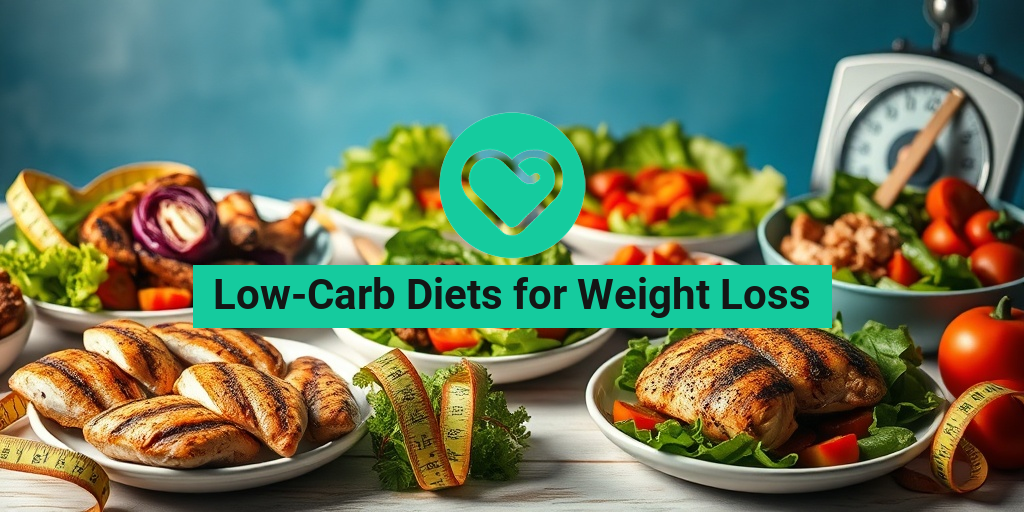
What Are Low-Carb Diets?
A low-carb diet is a dietary approach that restricts carbohydrate intake, focusing instead on consuming proteins and fats. This type of diet has gained popularity for its potential to aid in weight loss and improve overall health. The primary idea behind low-carb diets is to reduce the amount of sugar and starches you consume, which can lead to a decrease in insulin levels and promote fat burning.
Low-carb diets can vary significantly in their structure. Some popular variations include:
- Keto Diet: Extremely low in carbs, typically under 20 grams per day, and high in fats.
- Atkins Diet: A phased approach that gradually increases carb intake after initial weight loss.
- Paleo Diet: Focuses on whole foods and eliminates processed foods, grains, and legumes.
When following a low-carb diet, you’ll primarily consume foods such as:
- Meats: Beef, chicken, pork, and fish.
- Low-Carb Vegetables: Leafy greens, broccoli, and cauliflower.
- Nuts and Seeds: Almonds, walnuts, and chia seeds.
- Dairy: Cheese, yogurt, and butter.
On the other hand, you’ll want to limit or avoid foods high in carbohydrates, including:
- Grains: Bread, pasta, and rice.
- Sugary Foods: Candy, desserts, and sweetened beverages.
- Starchy Vegetables: Potatoes and corn.
Benefits of Low-Carb Diets
Low-carb diets offer a range of benefits that can contribute to weight loss and improved health. Here are some of the most notable advantages:
1. Effective Weight Loss
One of the primary reasons people turn to low-carb diets for weight loss is their effectiveness. By reducing carbohydrate intake, the body enters a state of ketosis, where it burns fat for fuel instead of glucose. This can lead to significant weight loss, especially in the initial stages of the diet.
2. Reduced Appetite
Many individuals report feeling less hungry on a low-carb diet. This is likely due to the increased intake of proteins and fats, which are more satiating than carbohydrates. As a result, you may find it easier to stick to your dietary goals without feeling deprived.
3. Improved Blood Sugar Control
Low-carb diets can help stabilize blood sugar levels, making them particularly beneficial for individuals with type 2 diabetes or insulin resistance. By minimizing carbohydrate intake, you can reduce spikes in blood sugar and improve overall metabolic health.
4. Enhanced Mental Clarity
Some people experience improved focus and mental clarity when following a low-carb diet. This may be attributed to the brain using ketones (produced from fat) as an energy source instead of glucose, leading to more stable energy levels throughout the day.
5. Heart Health Benefits
Low-carb diets can positively impact heart health by improving cholesterol levels and reducing triglycerides. Many studies have shown that individuals on low-carb diets often see an increase in HDL (good) cholesterol and a decrease in LDL (bad) cholesterol levels.
6. Variety of Low-Carb Foods
Contrary to popular belief, a low-carb diet doesn’t mean you have to eat bland or boring meals. There are plenty of delicious low-carb foods for weight loss that you can enjoy, including:
- Low-Carb Fruits: Berries, melons, and avocados.
- Vegetables: Zucchini noodles, cauliflower rice, and bell peppers.
- Healthy Fats: Olive oil, coconut oil, and avocados.
For those looking for low-carb meals for weight loss recipes, there are countless resources available, including meal plans and cooking tips. Websites like Yesil Health AI can provide evidence-based health answers and recipe ideas to help you stay on track.
In conclusion, low-carb diets can be a powerful tool for weight loss and overall health improvement. By focusing on whole, nutrient-dense foods and reducing carbohydrate intake, you can achieve your health goals while enjoying a variety of delicious meals. 🌟

Low-Carb Diets vs. Other Diets
When it comes to weight loss, the diet landscape is filled with various options, each claiming to be the best. Among these, low-carb diets for weight loss have gained significant popularity. But how do they stack up against other dietary approaches? Let’s explore the differences and benefits of low-carb diets compared to other common diets.
Understanding Low-Carb Diets
A low-carb diet typically restricts carbohydrate intake while emphasizing protein and healthy fats. This approach aims to shift the body’s metabolism from burning glucose (from carbs) to burning fat for energy, a state known as ketosis. Popular low-carb diets include the ketogenic diet, Atkins, and Paleo.
Low-Carb vs. Low-Fat Diets
Low-fat diets have been a staple in the weight loss community for decades. They focus on reducing fat intake, often leading to higher carbohydrate consumption. Here’s how they compare:
- Weight Loss Efficiency: Studies suggest that low-carb diets may lead to more significant weight loss in the short term compared to low-fat diets. This is partly due to reduced insulin levels and increased fat burning.
- Satiation: Low-carb diets often promote feelings of fullness due to higher protein and fat content, which can help reduce overall calorie intake.
- Blood Sugar Control: Low-carb diets can be particularly beneficial for individuals with insulin resistance or type 2 diabetes, as they help stabilize blood sugar levels.
Low-Carb vs. Mediterranean Diets
The Mediterranean diet emphasizes whole grains, fruits, vegetables, and healthy fats, particularly olive oil. While both diets promote health, they differ in their approach:
- Carbohydrate Sources: The Mediterranean diet includes more whole grains and fruits, while low-carb diets limit these foods to reduce carb intake.
- Health Benefits: Both diets are associated with heart health, but low-carb diets may offer quicker weight loss results.
- Flexibility: The Mediterranean diet is often seen as more sustainable long-term due to its variety and inclusion of carbohydrates.
Low-Carb vs. Intermittent Fasting
Intermittent fasting (IF) focuses on when you eat rather than what you eat. It involves cycling between periods of eating and fasting. Here’s how it compares to low-carb diets:
- Weight Loss Mechanism: Low-carb diets promote weight loss through reduced carb intake, while IF relies on calorie restriction during fasting periods.
- Ease of Adherence: Some people find low-carb diets easier to stick to because they can eat freely during their eating windows, as long as they choose low-carb options.
- Health Benefits: Both approaches can improve metabolic health, but low-carb diets may provide quicker results in terms of weight loss.
Common Low-Carb Diet Plans
If you’re considering a low-carb diet for weight loss, it’s essential to understand the various plans available. Each has its unique approach and guidelines, making it easier to find one that suits your lifestyle.
The Ketogenic Diet
The ketogenic diet, or keto, is one of the most popular low-carb diets. It typically involves reducing carbohydrate intake to about 5-10% of total calories, with a focus on high fat (70-75%) and moderate protein (20-25%). This drastic reduction in carbs puts your body into ketosis, where it burns fat for fuel. 🥑
The Atkins Diet
The Atkins diet is a phased approach to low-carb eating. It starts with a very low-carb phase, gradually increasing carb intake in later phases. This flexibility allows for a more sustainable long-term approach while still promoting weight loss. 🍳
The Paleo Diet
The Paleo diet emphasizes whole, unprocessed foods that our ancestors would have eaten. This includes lean meats, fish, fruits, vegetables, nuts, and seeds, while excluding grains, legumes, and dairy. While not strictly low-carb, it naturally tends to be lower in carbs than the standard American diet. 🥗
Low-Carb Vegetarian/Vegan Options
For those following a vegetarian or vegan lifestyle, low-carb eating can still be achieved. Focus on low-carb vegetables, nuts, seeds, and plant-based proteins like tofu and tempeh. Here are some low-carb foods for weight loss that fit these diets:
- Leafy greens (spinach, kale)
- Cruciferous vegetables (broccoli, cauliflower)
- Nuts and seeds (almonds, chia seeds)
- Tofu and tempeh
Incorporating these foods can help you maintain a low-carb diet while adhering to vegetarian or vegan principles. 🌱
In conclusion, low-carb diets offer a compelling option for weight loss, with various plans to suit different preferences and lifestyles. Whether you choose keto, Atkins, or a vegetarian approach, understanding the differences between low-carb diets and other dietary strategies can help you make an informed decision on your weight loss journey.
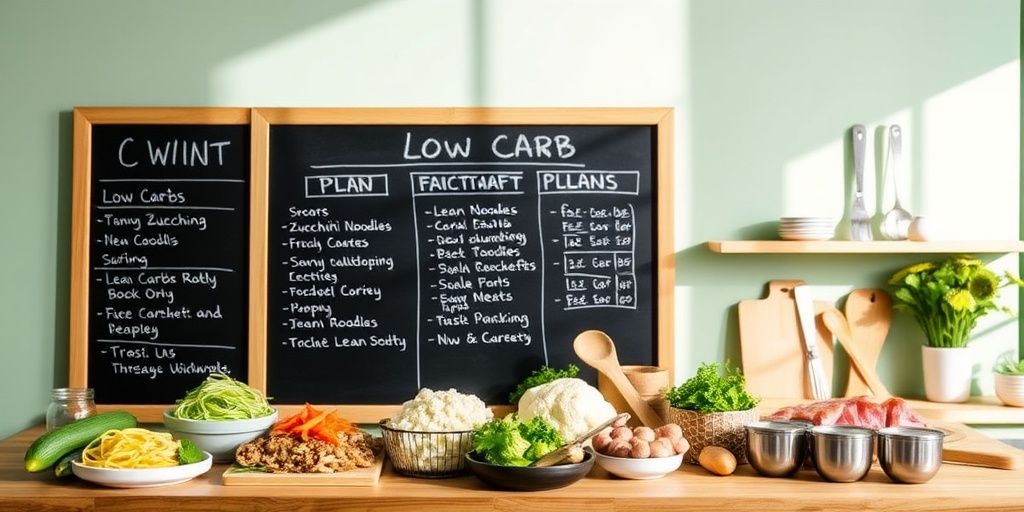
Low-Carb Foods to Include
When embarking on a low-carb diet for weight loss, it’s essential to know which foods to embrace. These foods not only help you reduce your carbohydrate intake but also provide essential nutrients to keep you energized and satisfied. Here’s a list of low-carb foods for weight loss that you can include in your meals:
1. Lean Proteins
Proteins are crucial for muscle maintenance and overall health. Here are some excellent low-carb protein sources:
- Chicken breast – A versatile option that can be grilled, baked, or stir-fried.
- Turkey – Lean and packed with protein, perfect for sandwiches or salads.
- Fish – Salmon, mackerel, and sardines are not only low in carbs but also rich in omega-3 fatty acids.
- Eggs – A fantastic source of protein and healthy fats, ideal for breakfast or snacks.
2. Non-Starchy Vegetables
Vegetables are essential for a balanced diet. Focus on non-starchy options that are low in carbs:
- Spinach – Great for salads or smoothies.
- Broccoli – High in fiber and can be steamed or roasted.
- Zucchini – A fantastic substitute for pasta in dishes like zucchini noodles.
- Cauliflower – Can be used to make low-carb rice or mashed potatoes.
3. Healthy Fats
Incorporating healthy fats into your diet can help you feel full and satisfied:
- Avocado – Packed with healthy fats and fiber, perfect for salads or spreads.
- Olive oil – A great choice for cooking or salad dressings.
- Nuts and seeds – Almonds, walnuts, and chia seeds are excellent snacks that are low in carbs.
4. Low-Carb Fruits
While many fruits are high in sugar, some are lower in carbs and can be enjoyed in moderation:
- Berries – Strawberries, blueberries, and raspberries are lower in sugar compared to other fruits.
- Melons – Watermelon and cantaloupe can be refreshing and hydrating options.
- Lemons and limes – Great for flavoring water or dishes without adding many carbs.
Low-Carb Foods to Avoid
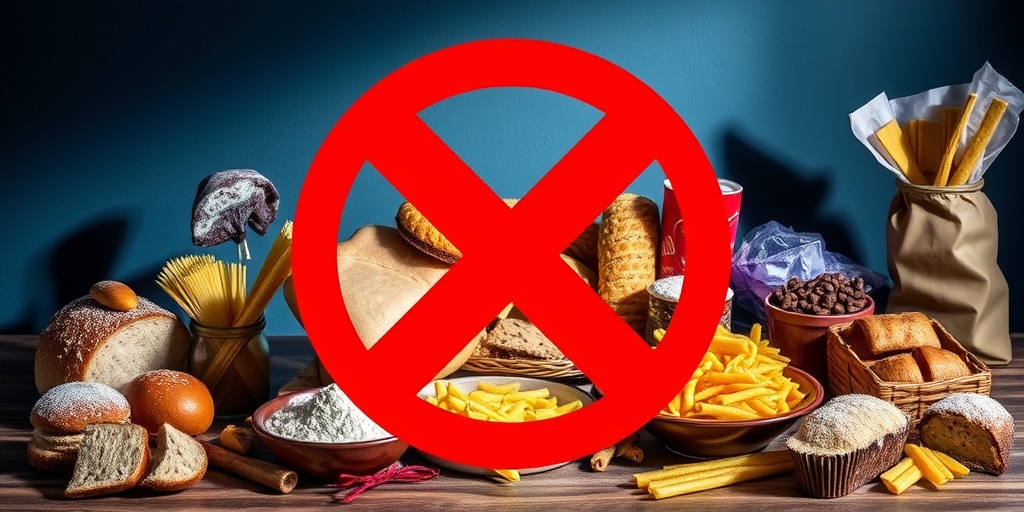
While there are plenty of delicious low-carb options, it’s equally important to know which foods to steer clear of when following a low-carb diet for weight loss. Avoiding these foods can help you stay on track and achieve your weight loss goals:
1. Sugary Foods
Foods high in sugar can quickly derail your low-carb efforts. Here are some to avoid:
- Sodas and sugary drinks – These are loaded with sugar and empty calories.
- Candy and sweets – High in sugar and low in nutritional value.
- Baked goods – Cakes, cookies, and pastries are often high in carbs and sugars.
2. Grains and Starches
Many grains and starchy foods are high in carbohydrates. Limit or avoid:
- Bread – Especially white bread and other refined grains.
- Pasta – Traditional pasta is high in carbs; consider alternatives like zucchini noodles.
- Rice – Both white and brown rice can spike your carb intake.
3. High-Carb Fruits
While some fruits are low in carbs, others can be quite high. Avoid:
- Bananas – High in sugar and carbs.
- Grapes – Easy to overeat and high in sugar.
- Mangoes – Delicious but also high in carbohydrates.
4. Processed Foods
Many processed foods contain hidden sugars and unhealthy fats. Be cautious with:
- Snack foods – Chips, crackers, and pretzels are often high in carbs.
- Ready-made meals – These can be convenient but often contain added sugars and preservatives.
- Condiments – Ketchup and certain sauces can be surprisingly high in sugar.
By focusing on the right foods and avoiding those that are high in carbohydrates, you can effectively follow a low-carb diet for weight loss and enjoy a healthier lifestyle! 🌟
Potential Side Effects
While low-carb diets for weight loss can be effective for many individuals, it’s essential to be aware of potential side effects that may arise during the transition. Understanding these effects can help you manage them better and maintain your health throughout your weight loss journey.
1. Keto Flu
One of the most common side effects experienced by those starting a low-carb diet is the so-called keto flu. This term refers to a collection of symptoms that can occur as your body adjusts to burning fat for fuel instead of carbohydrates. Symptoms may include:
- Fatigue
- Headaches
- Nausea
- Dizziness
- Irritability
These symptoms typically last for a few days to a week. Staying hydrated and ensuring you consume enough electrolytes can help alleviate these symptoms.
2. Digestive Issues
Another potential side effect of low-carb eating for weight loss is digestive discomfort. Some individuals may experience constipation or diarrhea due to the sudden decrease in fiber intake, especially if they cut out whole grains and certain fruits. To mitigate this, consider incorporating low-carb, high-fiber foods such as:
- Leafy greens (spinach, kale)
- Avocados
- Chia seeds
- Flaxseeds
3. Nutrient Deficiencies
Restricting carbohydrates can lead to potential nutrient deficiencies if not carefully planned. Essential vitamins and minerals found in fruits, vegetables, and whole grains may be lacking in a low-carb diet. To avoid this, focus on a variety of low-carb foods for weight loss that provide essential nutrients. Consider consulting with a healthcare professional or a registered dietitian to ensure you’re meeting your nutritional needs.
4. Bad Breath
Some individuals on a low-carb diet may notice a change in their breath, often described as fruity or metallic. This is due to the production of ketones, which are released when the body burns fat for energy. While this side effect is usually temporary, maintaining good oral hygiene can help manage it. Drinking plenty of water and chewing sugar-free gum can also be beneficial. 🥤
Tips for Success on a Low-Carb Diet
Embarking on a low-carb diet for weight loss can be a rewarding journey, but success often hinges on how well you plan and execute your dietary changes. Here are some practical tips to help you thrive on your low-carb journey:
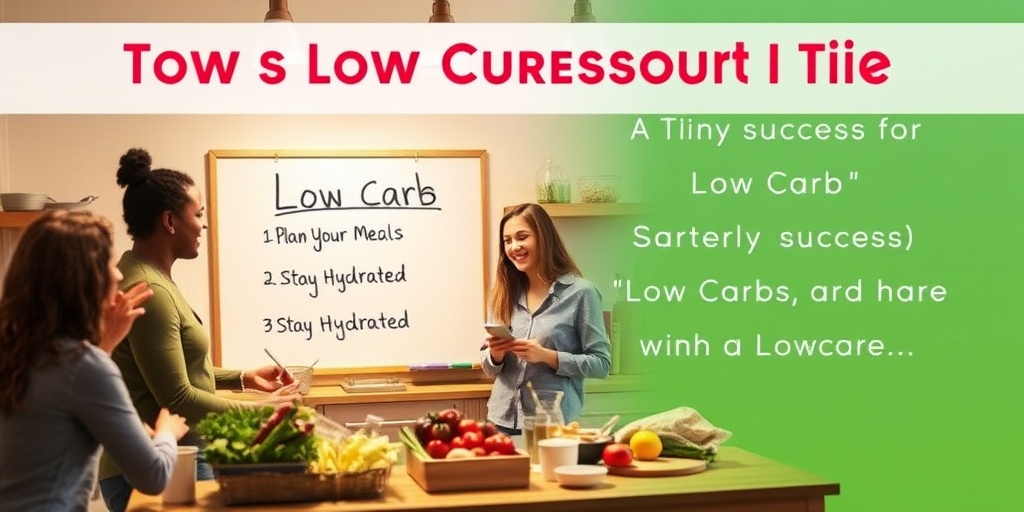
1. Meal Planning
Planning your meals in advance can significantly enhance your chances of success. Create a weekly menu that includes a variety of low-carb meals for weight loss. This not only helps you stay on track but also prevents impulsive eating. Consider using a meal prep service or apps to simplify the process.
2. Focus on Whole Foods
When selecting low-carb foods for weight loss, prioritize whole, unprocessed foods. These foods are typically more nutrient-dense and can help you feel fuller for longer. Some excellent options include:
- Lean meats (chicken, turkey, fish)
- Eggs
- Non-starchy vegetables (broccoli, cauliflower, zucchini)
- Nuts and seeds
3. Stay Hydrated
Hydration is crucial, especially when transitioning to a low-carb diet. Drinking enough water can help alleviate some side effects, such as headaches and fatigue. Aim for at least 8-10 glasses of water daily, and consider incorporating herbal teas or infused water for variety. 💧
4. Monitor Your Progress
Keeping track of your progress can be motivating and help you stay accountable. Consider using a journal or an app to log your meals, weight, and how you feel. This can provide valuable insights into what works best for your body and help you make necessary adjustments along the way.
5. Seek Support
Joining a community or finding a buddy who is also following a low-carb diet for weight loss can provide encouragement and motivation. Sharing recipes, tips, and experiences can make the journey more enjoyable and less isolating.
By being aware of potential side effects and implementing these tips for success, you can navigate your low-carb journey with confidence and achieve your weight loss goals! 🌟
Frequently Asked Questions about Low-Carb Diets for Weight Loss
What are low-carb diets?
Low-carb diets are eating plans that restrict carbohydrate intake, focusing instead on protein and fat. These diets aim to promote weight loss by reducing insulin levels and encouraging the body to burn fat for energy.
How do low-carb diets help with weight loss?
By limiting carbohydrates, low-carb diets can lead to a decrease in hunger and cravings, making it easier to consume fewer calories. Additionally, they can help stabilize blood sugar levels, which may reduce the likelihood of overeating.
What are some examples of low-carb meals for weight loss?
- Grilled chicken with steamed vegetables
- Salmon salad with avocado
- Egg omelet with spinach and cheese
- Stir-fried tofu with broccoli
What are the best low-carb foods for weight loss?
Some of the best low-carb foods include:
- Leafy greens (spinach, kale)
- Cruciferous vegetables (broccoli, cauliflower)
- Lean meats (chicken, turkey)
- Fish (salmon, mackerel)
- Nuts and seeds (almonds, chia seeds)
Are there any low-carb fruits for weight loss?
Yes! Some low-carb fruits that can be included in a weight loss plan are:
- Berries (strawberries, raspberries)
- Melons (watermelon, cantaloupe)
- Avocado
- Olives
What is a no-carb diet for weight loss?
A no-carb diet is an extreme form of low-carb eating that eliminates carbohydrates entirely. While it may lead to rapid weight loss initially, it can be difficult to maintain and may not provide all the necessary nutrients for long-term health.
Can I find low-carb meals for weight loss recipes?
Absolutely! There are numerous resources available online that provide delicious low-carb meals for weight loss recipes. Look for cookbooks or websites dedicated to low-carb cooking for inspiration.
What are some vegetarian low-carb foods for weight loss?
Vegetarians can enjoy a variety of low-carb foods, such as:
- Tofu and tempeh
- Eggs
- Cheese
- Non-starchy vegetables (zucchini, bell peppers)
How can I start low-carb eating for weight loss?
To begin low-carb eating for weight loss, start by reducing your intake of sugary foods and refined carbs. Focus on incorporating more protein, healthy fats, and low-carb vegetables into your meals. Planning your meals ahead of time can also help you stay on track.
Is a low-carb diet safe for everyone?
While many people can safely follow a low-carb diet, it may not be suitable for everyone. Individuals with certain health conditions or dietary restrictions should consult a healthcare professional before making significant changes to their eating habits.
Can I maintain weight loss on a low-carb diet long-term?
Many people find success in maintaining weight loss on a low-carb diet by continuing to focus on whole, nutrient-dense foods and staying mindful of their carbohydrate intake. However, it’s essential to find a sustainable eating pattern that works for you.