Understanding Low Back Pain
Low back pain is a prevalent condition that affects millions of people worldwide. It can range from a dull ache to a sharp, debilitating pain that interferes with daily activities. Understanding the nature of low back pain is crucial for effective management and recovery.
What is Low Back Pain?
Low back pain typically refers to discomfort in the lower back region, which can be caused by various factors. It may arise suddenly due to an injury or develop gradually over time due to wear and tear. The pain can be acute, lasting a few days to weeks, or chronic, persisting for three months or longer.
Symptoms of Low Back Pain
Symptoms can vary widely among individuals, but common signs include:
- Aching or stiffness in the lower back
- Sharp pain that may radiate down the legs
- Difficulty standing up straight or moving comfortably
- Muscle spasms in the lower back
Recognizing these symptoms early can help in seeking appropriate treatment and implementing low back pain exercises to alleviate discomfort.
Common Causes of Low Back Pain
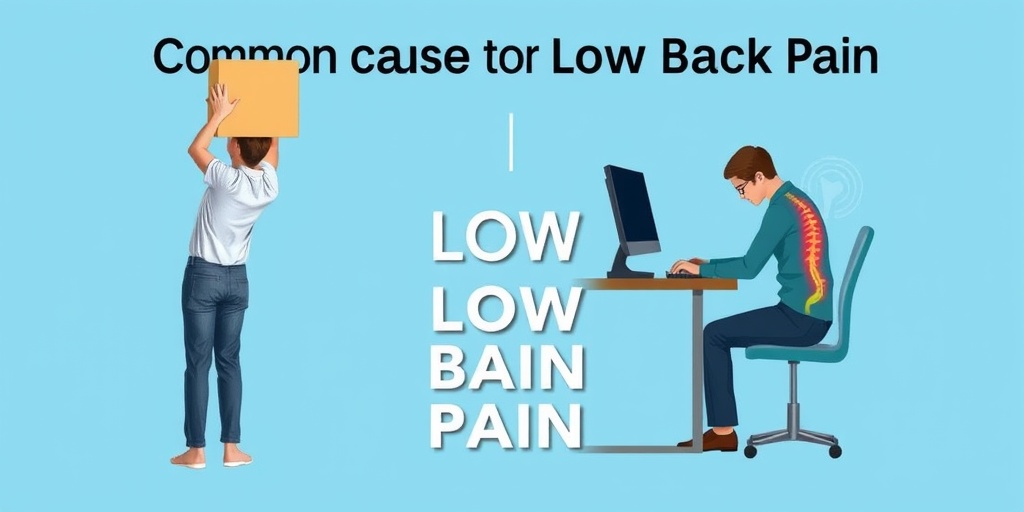
Understanding the underlying causes of low back pain is essential for effective treatment. Here are some of the most common causes:
1. Muscle or Ligament Strain
One of the most frequent causes of low back pain is a strain in the muscles or ligaments. This can occur due to heavy lifting, sudden awkward movements, or prolonged periods of poor posture. Engaging in low back pain exercises can help strengthen these muscles and prevent future injuries.
2. Bulging or Herniated Discs
The spine is made up of vertebrae separated by discs that act as cushions. When these discs bulge or herniate, they can press on nearby nerves, causing pain. This condition often requires a combination of physical therapy and specific low back pain exercises to relieve pressure and improve mobility.
3. Arthritis
Arthritis, particularly osteoarthritis, can lead to low back pain as the cartilage between the joints wears down. This condition is more common in older adults, and tailored low back pain exercises for seniors can help maintain flexibility and reduce discomfort.
4. Skeletal Irregularities
Conditions such as scoliosis, where the spine curves abnormally, can also lead to chronic low back pain. Individuals with skeletal irregularities may benefit from specialized low back pain exercises designed to improve posture and spinal alignment.
5. Osteoporosis
This condition causes bones to become weak and brittle, increasing the risk of fractures in the spine. Those with osteoporosis should engage in low-impact low back pain exercises to strengthen their bones without risking injury.
6. Lifestyle Factors
Obesity, lack of physical activity, and smoking can contribute to low back pain. Maintaining a healthy weight and incorporating regular exercise, including low back pain exercises, can significantly reduce the risk of developing back issues.
Conclusion
Low back pain can be a complex issue with various underlying causes. Understanding these causes is the first step toward effective management. Incorporating low back pain exercises into your routine can help alleviate discomfort and strengthen the muscles that support your spine. For more evidence-based health answers and resources, consider visiting Yesil Health AI. Remember, it’s essential to consult with a healthcare professional before starting any new exercise program, especially if you have existing health concerns. 🌟
Benefits of Exercise for Back Pain
Experiencing low back pain can be debilitating, affecting your daily activities and overall quality of life. However, incorporating regular exercise into your routine can significantly alleviate discomfort and promote healing. Here are some key benefits of exercise for back pain:
1. Strengthening Core Muscles
One of the primary benefits of exercise is the strengthening of core muscles. A strong core supports your spine and helps maintain proper posture, which can reduce strain on your back. Exercises that target the abdominal and back muscles can enhance stability and prevent future injuries.
2. Improved Flexibility
Regular exercise, particularly stretching, can improve flexibility in the muscles surrounding the spine. Increased flexibility can lead to a greater range of motion and reduced stiffness, making it easier to perform daily tasks without discomfort.
3. Enhanced Blood Circulation
Exercise promotes better blood circulation, which is essential for delivering nutrients to the muscles and tissues in your back. Improved circulation can aid in the healing process and reduce inflammation, contributing to pain relief.
4. Weight Management
Maintaining a healthy weight is crucial for reducing stress on your back. Regular physical activity helps burn calories and can assist in weight management. Less weight means less strain on your spine, which can alleviate pain.
5. Mood Enhancement
Exercise is known to release endorphins, the body’s natural painkillers. Engaging in physical activity can improve your mood and reduce feelings of anxiety and depression, which are often associated with chronic pain conditions.
6. Better Sleep Quality
Regular exercise can also improve your sleep quality. A good night’s sleep is vital for recovery and can help reduce the perception of pain. When you sleep better, your body has a chance to heal and rejuvenate.
Stretching Exercises for Low Back Pain
Incorporating stretching exercises into your routine can be particularly beneficial for managing low back pain. Here are some effective stretches that can help alleviate discomfort:
1. Cat-Cow Stretch
This gentle yoga stretch helps improve flexibility and relieve tension in the spine.
- Start on your hands and knees in a tabletop position.
- Inhale as you arch your back, lifting your head and tailbone (Cow position).
- Exhale as you round your back, tucking your chin and pelvis (Cat position).
- Repeat for 5-10 cycles.
2. Child’s Pose
This restorative pose stretches the lower back and promotes relaxation.
- Begin on your hands and knees, then sit back on your heels.
- Extend your arms forward and lower your forehead to the ground.
- Hold for 30 seconds to 1 minute, breathing deeply.
3. Knee-to-Chest Stretch
This stretch helps relieve tension in the lower back.
- Lie on your back with your knees bent and feet flat on the floor.
- Bring one knee toward your chest, holding it with both hands.
- Hold for 20-30 seconds, then switch legs.
4. Piriformis Stretch
This stretch targets the piriformis muscle, which can contribute to lower back pain when tight.
- Lie on your back with your knees bent.
- Cross one ankle over the opposite knee.
- Gently pull the uncrossed leg toward your chest until you feel a stretch in your hip.
- Hold for 20-30 seconds, then switch sides.
5. Seated Forward Bend
This stretch helps lengthen the spine and hamstrings.
- Sit on the floor with your legs extended in front of you.
- Inhale and reach your arms overhead, then exhale as you hinge at your hips and reach toward your toes.
- Hold for 20-30 seconds, breathing deeply.
Incorporating these low back pain exercises into your routine can help you manage discomfort and improve your overall well-being. Remember to consult with a healthcare professional before starting any new exercise program, especially if you have existing health concerns. 🧘♂️💪

Strengthening Exercises for Core Support
When it comes to managing low back pain, strengthening your core is essential. A strong core provides stability and support to your spine, reducing the risk of injury and alleviating discomfort. Here are some effective exercises to help you build core strength:
1. Plank
The plank is a fantastic exercise that engages multiple muscle groups, including your abdominal muscles, back, and shoulders.
- How to do it: Start in a push-up position with your arms straight and your body in a straight line from head to heels. Hold this position for 20-30 seconds, gradually increasing the duration as you get stronger.
2. Bird-Dog
This exercise improves balance and stability while strengthening your lower back and core.
- How to do it: Begin on all fours with your hands under your shoulders and knees under your hips. Extend your right arm forward and your left leg back, keeping your body stable. Hold for a few seconds, then switch sides.
3. Bridge
The bridge exercise targets your glutes and lower back, promoting better posture and spinal alignment.
- How to do it: Lie on your back with your knees bent and feet flat on the floor. Lift your hips towards the ceiling, squeezing your glutes at the top. Hold for a few seconds before lowering back down.
4. Dead Bug
This exercise is excellent for improving core stability without putting too much strain on your back.
- How to do it: Lie on your back with your arms extended towards the ceiling and your knees bent at a 90-degree angle. Slowly lower your right arm and left leg towards the floor while keeping your back flat. Return to the starting position and switch sides.
Low Impact Aerobic Activities
Incorporating low-impact aerobic activities into your routine can significantly benefit those suffering from low back pain. These exercises help improve cardiovascular health, increase flexibility, and promote overall well-being without putting excessive strain on your back.
1. Walking
Walking is one of the simplest and most effective low-impact exercises. It helps improve circulation and strengthens the muscles that support your spine.
- Tip: Aim for at least 30 minutes of brisk walking most days of the week. Consider using supportive footwear to enhance comfort.
2. Swimming
Swimming is a fantastic full-body workout that is gentle on the joints and back. The buoyancy of the water reduces stress on your spine while allowing you to strengthen your muscles.
- Tip: Try different strokes to engage various muscle groups. Freestyle and backstroke are particularly beneficial for the back.
3. Cycling
Cycling, whether on a stationary bike or outdoors, is another excellent low-impact aerobic activity. It helps build leg strength and endurance while being easy on the back.
- Tip: Adjust the seat height to ensure proper posture while cycling. Keep your back straight and avoid hunching over.
4. Yoga
Yoga combines gentle stretching with breathing exercises, making it an ideal choice for those with low back pain. It enhances flexibility, strengthens core muscles, and promotes relaxation.
- Tip: Look for classes specifically designed for back pain relief or beginners. Poses like Child’s Pose and Cat-Cow can be particularly beneficial.
Incorporating these low back pain exercises into your routine can help you manage discomfort and improve your overall quality of life. Remember to consult with a healthcare professional before starting any new exercise program, especially if you have existing health concerns. 🏋️♂️💪

When to Seek Professional Help
Low back pain can be a common issue, affecting millions of people worldwide. While many cases can be managed with low back pain exercises and self-care strategies, there are certain situations where seeking professional help is essential. Recognizing these signs can help you avoid further complications and ensure a quicker recovery.
Signs That Indicate You Should See a Doctor
- Persistent Pain: If your low back pain lasts longer than a few weeks and does not improve with home treatment, it’s time to consult a healthcare professional.
- Severe Pain: Intense pain that interferes with daily activities or sleep should not be ignored.
- Numbness or Tingling: If you experience numbness, tingling, or weakness in your legs, it could indicate nerve involvement, requiring immediate medical attention.
- Loss of Bladder or Bowel Control: This is a serious symptom that may indicate a condition called cauda equina syndrome, which requires urgent care.
- Unexplained Weight Loss: If you are losing weight without trying, it could be a sign of an underlying health issue that needs to be addressed.
- Fever or Chills: These symptoms, along with back pain, may indicate an infection or other serious condition.
In these cases, a healthcare provider may recommend low back pain exercises tailored to your specific condition, or they may suggest imaging tests to diagnose the underlying issue accurately.
Types of Professionals to Consider
When seeking help for low back pain, you have several options:
- Primary Care Physician: They can evaluate your symptoms and refer you to specialists if necessary.
- Physical Therapist: A physical therapist can design a personalized exercise program to strengthen your back and improve flexibility.
- Chiropractor: They can provide spinal adjustments and other treatments to alleviate pain.
- Orthopedic Specialist: If your pain is due to structural issues, an orthopedic doctor can offer specialized care.
Remember, early intervention can lead to better outcomes, so don’t hesitate to seek help if your symptoms are concerning. 🩺
Preventing Future Back Pain
Once you’ve managed your low back pain, the next step is to prevent it from returning. Incorporating specific strategies into your daily routine can significantly reduce the risk of future episodes. Here are some effective methods to keep your back healthy and pain-free.
1. Maintain a Healthy Weight
Excess weight can put additional strain on your back. Maintaining a healthy weight through a balanced diet and regular exercise can help alleviate this pressure. Focus on consuming nutrient-rich foods and staying active to support your overall health. 🥗
2. Practice Good Posture
Whether sitting at a desk or lifting heavy objects, maintaining proper posture is crucial. Here are some tips:
- Sitting: Keep your feet flat on the floor, and use a chair that supports your lower back.
- Lifting: Bend at your knees, not your waist, and keep the object close to your body.
3. Incorporate Regular Exercise
Engaging in regular physical activity is one of the best ways to prevent low back pain. Consider incorporating the following types of exercises:
- Strength Training: Focus on core strengthening exercises that support your spine.
- Flexibility Exercises: Stretching can improve your range of motion and reduce tension in your back muscles.
- Aerobic Activities: Activities like walking, swimming, or cycling can enhance overall fitness and support back health.
4. Use Ergonomic Furniture
Investing in ergonomic furniture can make a significant difference in your comfort level. Look for chairs and desks that promote good posture and provide adequate support. This is especially important if you spend long hours at a desk. 🖥️
5. Stay Hydrated
Staying hydrated is essential for maintaining the health of your spinal discs. Aim to drink plenty of water throughout the day to keep your body functioning optimally.
By implementing these strategies, you can significantly reduce your risk of experiencing low back pain in the future. Remember, consistency is key! 🌟

Frequently Asked Questions about Low Back Pain Exercises
What are some effective low back pain exercises?
There are several exercises that can help alleviate low back pain. Some effective options include:
- Cat-Cow Stretch: This yoga pose helps improve flexibility and relieve tension.
- Child’s Pose: A gentle stretch that can help relax the back muscles.
- Pelvic Tilts: Strengthens the abdominal muscles and supports the lower back.
- Bridges: Strengthens the glutes and lower back.
Are there low back pain exercises specifically for seniors?
Yes! There are low back pain exercises tailored for seniors that focus on gentle movements to enhance flexibility and strength without putting too much strain on the body. Some recommended exercises include:
- Seated Leg Lifts: Helps strengthen the hip flexors.
- Wall Sits: Builds strength in the legs and lower back.
- Gentle Twists: Improves spinal mobility.
Can I find low back pain exercises in PDF format?
Absolutely! Many resources offer low back pain exercises in PDF format. You can find downloadable guides that provide detailed instructions and illustrations to help you perform the exercises correctly. These PDFs are often available from health organizations and physiotherapy clinics.
How can low back pain exercises help with arthritis?
Low back pain exercises can be beneficial for individuals with arthritis by:
- Improving flexibility: Helps maintain joint mobility.
- Strengthening muscles: Provides better support for the spine.
- Reducing stiffness: Keeps the joints moving and lessens discomfort.
What role does physiotherapy play in low back pain exercises?
Physiotherapy can play a crucial role in managing low back pain. A physiotherapist can:
- Assess your condition: Identify specific issues contributing to your pain.
- Design a personalized exercise program: Tailored to your needs and abilities.
- Provide guidance: Ensure you perform exercises safely and effectively.
Are there any low back pain exercises available in Spanish?
Yes, there are resources available that provide low back pain exercises in Spanish. Many health organizations offer bilingual materials, including PDFs, to cater to Spanish-speaking individuals seeking relief from low back pain.
How often should I perform low back pain exercises?
It is generally recommended to perform low back pain exercises at least 3 to 4 times a week for optimal results. However, it’s essential to listen to your body and consult with a healthcare professional to determine the best frequency for your specific situation.
Can low back pain exercises be done at home?
Yes! Many low back pain exercises can be easily performed at home without the need for special equipment. This makes it convenient for individuals to incorporate them into their daily routine.
What should I do if my low back pain worsens with exercise?
If you experience increased pain while performing low back pain exercises, it is crucial to stop immediately and consult with a healthcare professional. They can help assess your condition and adjust your exercise program as needed.