Understanding Low Back Pain
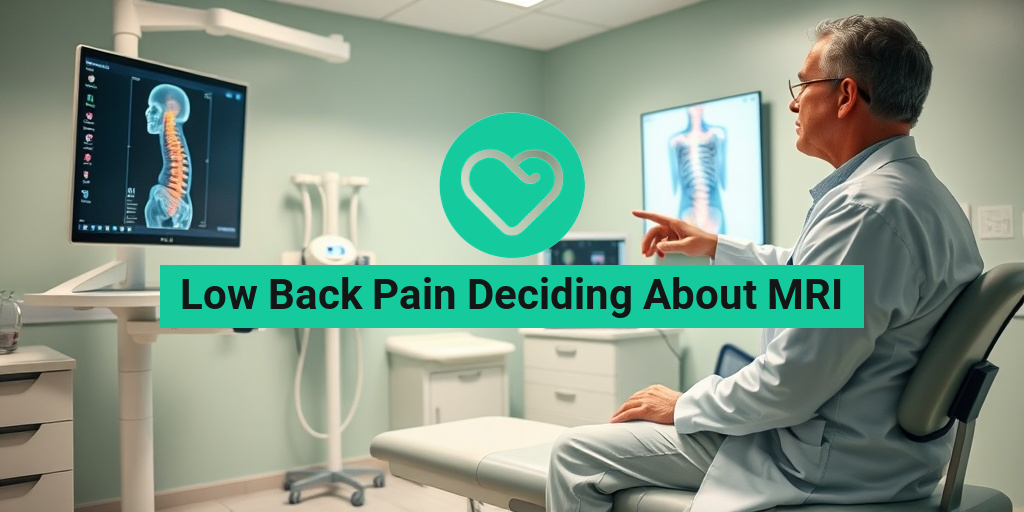
Low back pain is a prevalent condition that affects millions of people worldwide. It can range from a dull ache to a sharp, debilitating pain that interferes with daily activities. Understanding low back pain is crucial for effective management and treatment. This article will delve into the nature of low back pain, its symptoms, and when it might be time to consider an MRI.
What is Low Back Pain?
Low back pain refers to discomfort or pain that occurs in the lower back region, typically between the ribs and the pelvis. It can be classified into two main categories:
- Acute Low Back Pain: This type lasts for a few days to a few weeks and is often caused by an injury or strain.
- Chronic Low Back Pain: This persists for more than three months and may result from underlying health issues.
Understanding the type of low back pain you are experiencing is essential for determining the appropriate treatment options.
Symptoms of Low Back Pain
Symptoms can vary widely among individuals, but common signs include:
- Aching or stiffness: This may be constant or intermittent.
- Sharp or shooting pain: This can radiate down the legs, often referred to as sciatica.
- Limited range of motion: Difficulty bending or lifting can occur.
- Muscle spasms: Involuntary contractions of the muscles in the lower back.
If you experience any of these symptoms, it’s important to consult a healthcare professional for a proper diagnosis and treatment plan.
Common Causes of Low Back Pain
Identifying the underlying causes of low back pain is vital for effective treatment. Here are some of the most common causes:
1. Muscle or Ligament Strain
Overexertion, heavy lifting, or sudden awkward movements can strain the muscles and ligaments in your back. This is one of the most frequent causes of low back pain, especially among those who engage in physical labor or sports.
2. Bulging or Herniated Discs
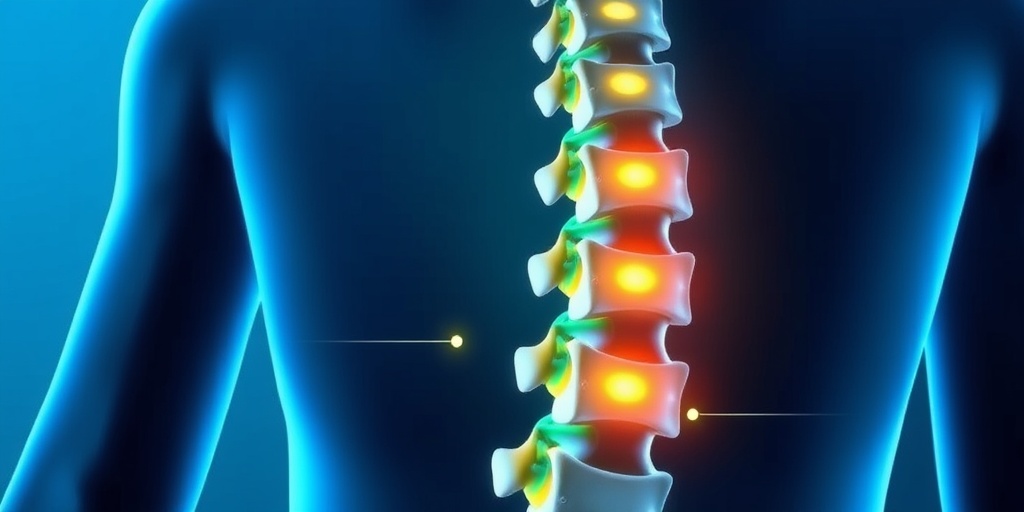
The discs in your spine act as cushions between the vertebrae. When these discs bulge or rupture, they can press on nearby nerves, leading to pain. This condition often requires medical evaluation to determine the best course of action.
3. Arthritis
Osteoarthritis can affect the lower back, leading to pain and stiffness. In some cases, arthritis can cause narrowing of the space around the spinal cord, a condition known as spinal stenosis.
4. Skeletal Irregularities
Conditions such as scoliosis, which is an abnormal curvature of the spine, can lead to chronic low back pain. These irregularities may require specialized treatment or monitoring.
5. Osteoporosis
This condition causes bones to become weak and brittle, increasing the risk of fractures in the spine. Osteoporosis-related fractures can lead to significant pain and disability.
When to Consider an MRI
If your low back pain persists despite conservative treatment methods, it may be time to consider an MRI. An MRI can provide detailed images of the spine and surrounding tissues, helping to identify issues such as:
- Herniated discs
- Spinal stenosis
- Bone fractures
- Infections or tumors
Consulting with a healthcare provider can help determine if an MRI is necessary based on your symptoms and medical history.
For more information on low back pain and treatment options, consider visiting Yesil Health AI, a valuable resource for evidence-based health answers.
In conclusion, understanding low back pain and its common causes is essential for effective management. If you experience persistent pain, don’t hesitate to seek professional help. Remember, early intervention can lead to better outcomes and improved quality of life! 🌟
When to Seek Medical Advice
Low back pain is a common issue that many people experience at some point in their lives. However, knowing when to seek medical advice can be crucial in preventing further complications. Here are some signs that indicate it might be time to consult a healthcare professional:
Persistent Pain
If your low back pain lasts longer than a few weeks, it’s essential to seek medical advice. Chronic pain can be a sign of an underlying condition that requires treatment. Ignoring persistent pain may lead to more severe issues down the line.
Severe Pain
Experiencing severe or debilitating pain that interferes with daily activities is another reason to consult a doctor. If the pain is so intense that you cannot perform basic tasks, it’s time to get help.
Accompanying Symptoms
Pay attention to any additional symptoms that accompany your low back pain. These may include:
- Numbness or tingling in the legs or feet
- Weakness in the legs
- Loss of bladder or bowel control
- Fever or unexplained weight loss
These symptoms can indicate serious conditions such as nerve damage or infections, which require immediate medical attention.
Injury or Trauma
If your low back pain follows an injury or trauma, such as a fall or accident, it’s crucial to seek medical advice. Injuries can lead to fractures or other serious issues that may not be immediately apparent.
History of Cancer
Individuals with a history of cancer should be particularly vigilant. Low back pain can sometimes be a sign of cancer spreading to the spine. If you have a history of cancer and experience new or worsening back pain, consult your doctor promptly.
Benefits of MRI for Low Back Pain
Magnetic Resonance Imaging (MRI) is a powerful diagnostic tool that can provide valuable insights into the causes of low back pain. Here are some of the key benefits of using MRI in the evaluation of low back pain:
Detailed Imaging
One of the primary advantages of an MRI is its ability to produce detailed images of the spine and surrounding tissues. Unlike X-rays, which only show bones, MRIs can visualize soft tissues, including muscles, ligaments, and nerves. This comprehensive view helps doctors identify issues such as:
- Herniated discs
- Spinal stenosis
- Degenerative disc disease
- Infections or tumors
No Radiation Exposure
Another significant benefit of MRI is that it does not involve exposure to ionizing radiation, making it a safer option for patients, especially those who may require multiple imaging studies over time. This is particularly important for individuals who are more vulnerable to the effects of radiation, such as children or those with chronic conditions.
Guiding Treatment Decisions
MRIs can play a crucial role in guiding treatment decisions. By providing a clear picture of the underlying cause of low back pain, healthcare providers can tailor treatment plans more effectively. This may include:
- Physical therapy
- Medications
- Surgical interventions
Understanding the specific issue can lead to more targeted and effective treatments, potentially improving outcomes for patients.
Monitoring Progress
For patients undergoing treatment for low back pain, MRIs can also be used to monitor progress. By comparing images taken at different times, doctors can assess how well a treatment is working and make necessary adjustments. This ongoing evaluation is vital for ensuring that patients receive the best possible care.
Peace of Mind
Finally, undergoing an MRI can provide peace of mind for patients. Knowing the exact cause of low back pain can alleviate anxiety and help individuals understand their condition better. This clarity can empower patients to take an active role in their recovery and make informed decisions about their health.
In summary, recognizing when to seek medical advice for low back pain and understanding the benefits of MRI can significantly impact your health journey. If you’re experiencing persistent or severe pain, don’t hesitate to reach out to a healthcare professional for guidance. 🩺
Alternatives to MRI
When dealing with low back pain, many patients find themselves contemplating whether an MRI is necessary. While MRI (Magnetic Resonance Imaging) is a powerful diagnostic tool, there are several alternatives that can provide valuable insights into your condition without the need for this imaging technique. Here are some options to consider:
1. X-rays
X-rays are often the first step in diagnosing back pain. They can help identify fractures, dislocations, or other structural issues in the spine. However, they do not provide detailed images of soft tissues, such as muscles and ligaments.
2. CT Scans
Computed Tomography (CT) scans offer a more detailed view than X-rays and can help detect issues with bones and soft tissues. They are particularly useful for diagnosing conditions like herniated discs or spinal stenosis. However, they expose patients to higher levels of radiation compared to X-rays.
3. Ultrasound
Ultrasound imaging uses sound waves to create images of soft tissues. It is a non-invasive option that can help assess muscle and tendon injuries. While not commonly used for low back pain, it can be beneficial in specific cases.
4. Physical Examination
A thorough physical examination by a healthcare professional can provide significant insights into the cause of your low back pain. This may include:
- Assessing your range of motion
- Checking for tenderness or swelling
- Evaluating your posture and gait
These assessments can help determine whether imaging is necessary.
5. Blood Tests
In some cases, blood tests may be ordered to rule out infections or inflammatory conditions that could be contributing to your back pain. Conditions like rheumatoid arthritis or infections can sometimes manifest as low back pain.
6. Conservative Treatments
Before opting for an MRI, many healthcare providers recommend trying conservative treatments, such as:
- Physical therapy
- Chiropractic care
- Medication (e.g., NSAIDs)
- Heat or ice therapy
These approaches can often alleviate symptoms and may eliminate the need for further imaging.
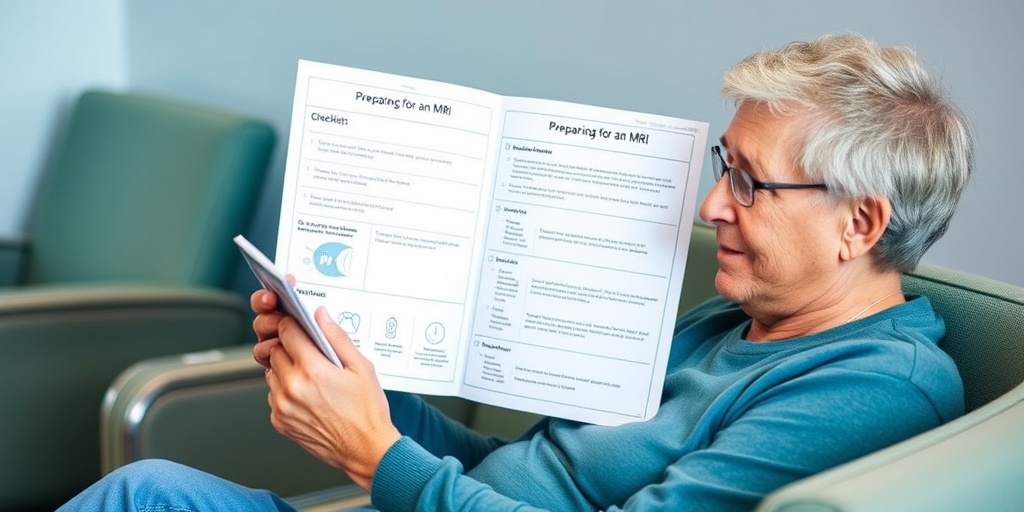
Preparing for an MRI
If your healthcare provider has recommended an MRI for your low back pain, it’s essential to prepare adequately to ensure a smooth experience. Here are some tips to help you get ready:
1. Understand the Procedure
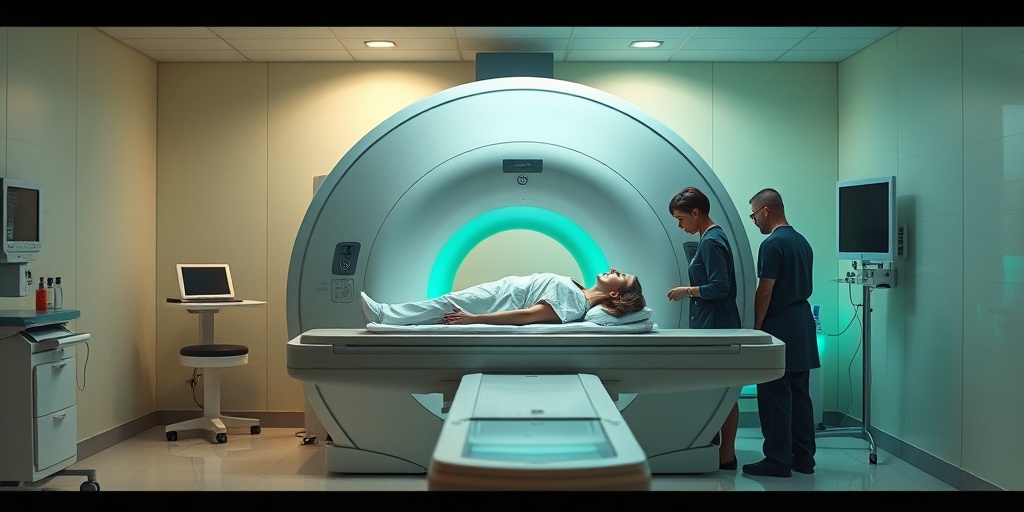
Before your appointment, take some time to understand what an MRI entails. The procedure is painless and typically lasts between 30 to 60 minutes. You will lie on a table that slides into a large, tube-like machine that creates detailed images of your spine.
2. Inform Your Doctor
Make sure to inform your doctor about any medical conditions you have, especially if you have:
- Claustrophobia
- Metal implants (e.g., pacemakers, artificial joints)
- Allergies to contrast dye (if applicable)
This information is crucial for your safety and comfort during the procedure.
3. Dress Appropriately
Wear comfortable, loose-fitting clothing without metal fasteners, zippers, or buttons. You may be asked to change into a hospital gown for the MRI, so it’s best to avoid clothing that could interfere with the imaging process.
4. Remove Accessories
Before the MRI, you will need to remove any jewelry, watches, or other accessories that contain metal. These items can interfere with the magnetic field and affect the quality of the images.
5. Follow Pre-Procedure Instructions
Your healthcare provider may give you specific instructions regarding eating or drinking before the MRI, especially if a contrast dye will be used. Be sure to follow these guidelines closely to avoid any complications.
6. Bring Support
If you feel anxious about the procedure, consider bringing a friend or family member for support. They can help ease your nerves and provide comfort before and after the MRI.
By taking these steps, you can ensure that your MRI experience is as comfortable and efficient as possible, paving the way for accurate diagnosis and effective treatment of your low back pain. 🩺✨
Interpreting MRI Results
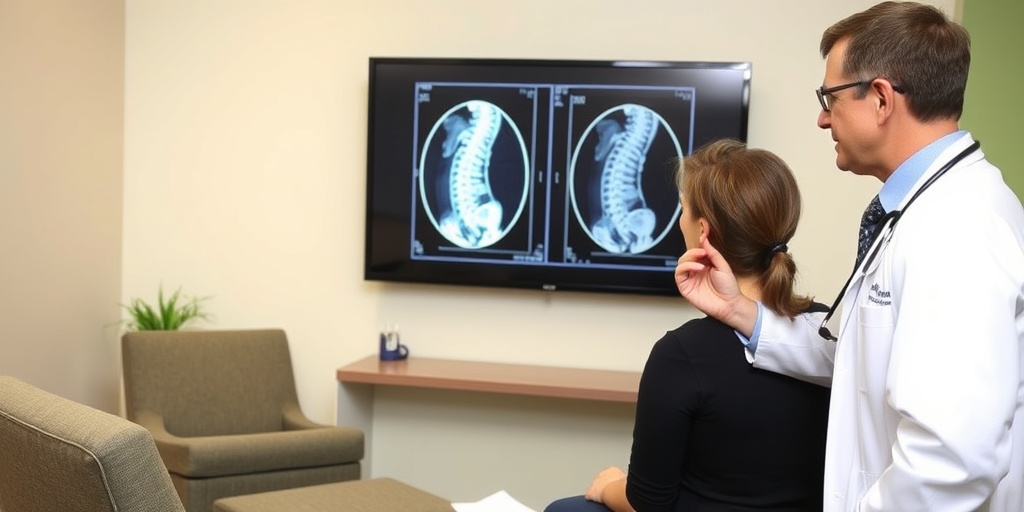
When it comes to low back pain, an MRI (Magnetic Resonance Imaging) can provide crucial insights into the underlying causes of your discomfort. Understanding your MRI results is essential for making informed decisions about your treatment options. Let’s break down how to interpret these results effectively.
What Does an MRI Show?
An MRI uses powerful magnets and radio waves to create detailed images of the organs and tissues inside your body. For low back pain, an MRI can reveal:
- Herniated Discs: Discs that have bulged or ruptured can press on nearby nerves, causing pain.
- Degenerative Disc Disease: Age-related changes in the discs can lead to pain and reduced mobility.
- Spinal Stenosis: Narrowing of the spinal canal can compress the spinal cord and nerves.
- Bone Fractures: Stress fractures or other injuries can be identified.
- Infections or Tumors: Rarely, an MRI can detect infections or tumors in the spine.
Understanding the Terminology
When reviewing your MRI report, you may encounter medical jargon that can be confusing. Here are some common terms you might see:
- Disc Bulge: A condition where the disc extends beyond its normal boundary.
- Disc Extrusion: A more severe form of herniation where the inner material leaks out.
- Osteophytes: Bone spurs that can develop due to arthritis.
- Signal Intensity: Refers to the brightness of the images, indicating the health of the tissues.
It’s important to discuss these terms with your healthcare provider to fully understand their implications for your low back pain and treatment options.
Consulting with Your Doctor
After receiving your MRI results, schedule a follow-up appointment with your doctor. They can help you interpret the findings in the context of your symptoms and medical history. Be prepared to ask questions such as:
- What do these results mean for my condition?
- Are there any treatment options available based on these findings?
- Should I consider further testing or referrals to specialists?
Having a clear understanding of your MRI results will empower you to take an active role in your treatment plan. 🩺
Next Steps After MRI
Once you have your MRI results, the next steps are crucial in managing your low back pain. Here’s what you can expect and consider moving forward.
Discussing Treatment Options
Your doctor will likely discuss various treatment options based on your MRI findings. These may include:
- Physical Therapy: A tailored exercise program can help strengthen your back and improve flexibility.
- Medications: Over-the-counter pain relievers or prescription medications may be recommended to manage pain and inflammation.
- Injections: Corticosteroid injections can provide temporary relief for inflammation and pain.
- Surgery: In severe cases, surgical options may be considered, especially if conservative treatments fail.
Implementing Lifestyle Changes
In addition to medical treatments, making certain lifestyle changes can significantly impact your recovery:
- Exercise Regularly: Engage in low-impact activities like walking, swimming, or yoga to strengthen your back.
- Maintain a Healthy Weight: Reducing excess weight can alleviate pressure on your spine.
- Practice Good Posture: Ensure that your work and home environments support proper posture to prevent further strain.
Follow-Up Appointments
Regular follow-ups with your healthcare provider are essential to monitor your progress and adjust your treatment plan as needed. Don’t hesitate to reach out if your symptoms change or worsen. 📅
In summary, understanding your MRI results and knowing the next steps can empower you to take control of your low back pain journey. With the right approach, you can work towards relief and improved quality of life. 🌟
Frequently Asked Questions about Low Back Pain and MRI Decisions
What is low back pain?
Low back pain is a common condition that affects many individuals. It can range from a dull ache to a sharp, debilitating pain and may result from various factors, including muscle strain, injury, or underlying medical conditions.
When should I consider an MRI for low back pain?
If your low back pain persists for more than a few weeks, worsens over time, or is accompanied by other symptoms such as numbness, weakness, or bowel/bladder issues, it may be time to discuss an MRI with your healthcare provider.
What can an MRI reveal about my low back pain?
An MRI can provide detailed images of the structures in your lower back, including discs, nerves, and muscles. It can help identify conditions such as herniated discs, spinal stenosis, or tumors that may be contributing to your pain.
Are there risks associated with getting an MRI?
Generally, MRIs are considered safe and non-invasive. However, individuals with certain implants or devices may not be eligible for an MRI. Always discuss your medical history with your healthcare provider before undergoing the procedure.
How should I prepare for an MRI?
- Wear comfortable clothing without metal fasteners.
- Inform your doctor about any medications or allergies.
- Remove any jewelry or accessories before the scan.
What happens after the MRI?
After the MRI, a radiologist will analyze the images and send a report to your doctor. Your healthcare provider will then discuss the results with you and recommend appropriate treatment options based on the findings.
Can low back pain be treated without an MRI?
Yes, many cases of low back pain can be managed with conservative treatments such as physical therapy, medication, and lifestyle changes. An MRI is typically reserved for cases where there is a need for further investigation.
How can I prevent low back pain?
- Maintain a healthy weight.
- Engage in regular exercise to strengthen core muscles.
- Practice good posture when sitting and lifting.
Is low back pain a sign of a serious condition?
While most cases of low back pain are not serious, it can sometimes indicate underlying issues. If you experience severe pain, sudden onset, or additional symptoms, consult your healthcare provider promptly.
When should I seek immediate medical attention for low back pain?
Seek immediate medical attention if you experience low back pain along with:
- Loss of bowel or bladder control
- Severe weakness or numbness in the legs
- Unexplained weight loss
- Fever or chills
Can lifestyle changes help with low back pain?
Absolutely! Incorporating regular exercise, maintaining a healthy diet, and practicing stress management techniques can significantly improve your overall back health and reduce the risk of low back pain.