What Is Kidney Disease?
Kidney disease, also known as renal disease, refers to a range of conditions that affect the kidneys’ ability to function properly. The kidneys play a crucial role in filtering waste products from the blood, regulating blood pressure, balancing electrolytes, and producing hormones that are vital for overall health. When the kidneys are damaged or diseased, they can struggle to perform these essential functions, leading to a variety of health issues.
Types of Kidney Disease
There are several types of kidney disease, but the most common include:
- Chronic Kidney Disease (CKD): A gradual loss of kidney function over time, often caused by conditions like diabetes and hypertension.
- Acute Kidney Injury (AKI): A sudden decrease in kidney function, which can be reversible if treated promptly.
- Polycystic Kidney Disease (PKD): A genetic disorder characterized by the growth of numerous cysts in the kidneys.
- Glomerulonephritis: Inflammation of the kidney’s filtering units, which can be caused by infections, autoimmune diseases, or other conditions.
Understanding the type of kidney disease is essential for effective treatment and management. Early detection and intervention can significantly improve outcomes and quality of life for those affected.
Symptoms of Kidney Disease
Kidney disease often develops slowly, and many people may not experience noticeable symptoms until the condition is advanced. Common symptoms include:
- Fatigue and weakness
- Swelling in the legs, ankles, or feet
- Changes in urination patterns (more or less frequent)
- Persistent itching
- Shortness of breath
- High blood pressure
If you notice any of these symptoms, it’s crucial to consult a healthcare professional for evaluation and potential testing. Early diagnosis can lead to better management of kidney disease and its complications.
Hypertension and Kidney Health
Hypertension, or high blood pressure, is a significant risk factor for developing kidney disease. The relationship between hypertension and kidney health is complex and bidirectional. This means that not only can high blood pressure lead to kidney damage, but kidney disease can also contribute to elevated blood pressure levels.
How Are High Blood Pressure and Kidney Disease Related?
High blood pressure can damage the blood vessels in the kidneys, impairing their ability to filter waste effectively. Over time, this damage can lead to chronic kidney disease (CKD). Conversely, when the kidneys are not functioning properly, they may struggle to regulate blood pressure, leading to hypertension. This vicious cycle can exacerbate both conditions.
Does High Blood Pressure Cause CKD?
Research indicates that prolonged hypertension is a leading cause of CKD. The increased pressure in the blood vessels can cause scarring and damage to the kidneys, ultimately leading to a decline in kidney function. Therefore, managing blood pressure is crucial for maintaining kidney health and preventing the progression of kidney disease.
Managing Hypertension to Protect Kidney Health
Effective management of hypertension is vital for protecting kidney health. Here are some strategies to consider:
- Regular Monitoring: Keep track of your blood pressure regularly to ensure it remains within a healthy range.
- Healthy Diet: Adopt a balanced diet rich in fruits, vegetables, whole grains, and lean proteins. Reducing sodium intake can also help manage blood pressure.
- Physical Activity: Engage in regular exercise to help maintain a healthy weight and lower blood pressure.
- Medication: If prescribed, take antihypertensive medications as directed by your healthcare provider.
- Limit Alcohol and Quit Smoking: Both alcohol and tobacco can raise blood pressure and should be limited or avoided.
For more personalized advice and evidence-based health answers, consider visiting Yesil Health AI. They provide valuable resources to help you manage your health effectively.
In conclusion, understanding the relationship between kidney disease and hypertension is essential for prevention and management. By taking proactive steps to control blood pressure, you can significantly reduce your risk of developing kidney disease and improve your overall health. 🌟
Symptoms of Kidney Disease
Kidney disease can often develop silently, meaning many individuals may not notice symptoms until the condition has progressed significantly. Understanding the symptoms of kidney disease is crucial for early detection and management. Here are some common signs to watch for:
1. Changes in Urination
One of the first indicators of kidney issues is a change in urination patterns. This can include:
- Increased frequency of urination, especially at night (nocturia).
- Decreased urine output, which may indicate kidney dysfunction.
- Foamy or bubbly urine, suggesting the presence of protein.
- Blood in urine (hematuria), which can be alarming and should be evaluated by a healthcare professional.
2. Swelling and Fluid Retention
Kidneys play a vital role in regulating fluid balance in the body. When they are not functioning properly, you may experience:
- Swelling in the legs, ankles, or feet due to fluid retention.
- Facial puffiness, particularly around the eyes.
3. Fatigue and Weakness
As kidney disease progresses, it can lead to a buildup of toxins in the blood, causing:
- Extreme fatigue and a general feeling of weakness.
- Difficulty concentrating or experiencing mental fog.
4. High Blood Pressure
There is a strong relationship between hypertension and kidney disease. High blood pressure can be both a cause and a symptom of kidney problems. If you notice persistent high blood pressure readings, it’s essential to consult a healthcare provider.
5. Nausea and Loss of Appetite
Kidney disease can affect your digestive system, leading to:
- Nausea and vomiting.
- Loss of appetite, which can result in unintended weight loss.
6. Itchy Skin and Rashes
As waste products build up in the bloodstream, they can cause:
- Severe itching or skin rashes.
- Dry skin that may not respond to moisturizers.
Causes of Hypertension-Related Kidney Disease
Understanding the causes of hypertension-related kidney disease is essential for prevention and management. High blood pressure can damage the blood vessels in the kidneys, leading to chronic kidney disease (CKD). Here are some key factors that contribute to this relationship:
1. Chronic High Blood Pressure
Chronic hypertension is one of the leading causes of kidney disease. Over time, elevated blood pressure can:
- Damage the blood vessels in the kidneys, reducing their ability to filter waste effectively.
- Lead to kidney scarring, which can further impair function.
2. Diabetes
Diabetes is another significant risk factor for both hypertension and kidney disease. High blood sugar levels can:
- Damage blood vessels and nerves, affecting kidney function.
- Exacerbate hypertension, creating a vicious cycle that can lead to CKD.
3. Obesity
Excess weight can contribute to both high blood pressure and kidney disease. Obesity can:
- Increase the workload on the kidneys, leading to damage over time.
- Raise blood pressure due to increased resistance in blood vessels.
4. Lifestyle Factors
Certain lifestyle choices can increase the risk of developing hypertension and, consequently, kidney disease. These include:
- Poor diet high in sodium and processed foods.
- Lack of physical activity, which can contribute to weight gain.
- Excessive alcohol consumption and smoking.
5. Family History and Genetics
If you have a family history of kidney disease or hypertension, your risk may be higher. Genetic factors can:
- Predispose individuals to both conditions.
- Influence how the body responds to lifestyle factors.
Recognizing the symptoms and understanding the causes of hypertension-related kidney disease can empower individuals to take proactive steps towards better health. Regular check-ups and lifestyle modifications can significantly reduce the risk of developing serious complications. 🌟
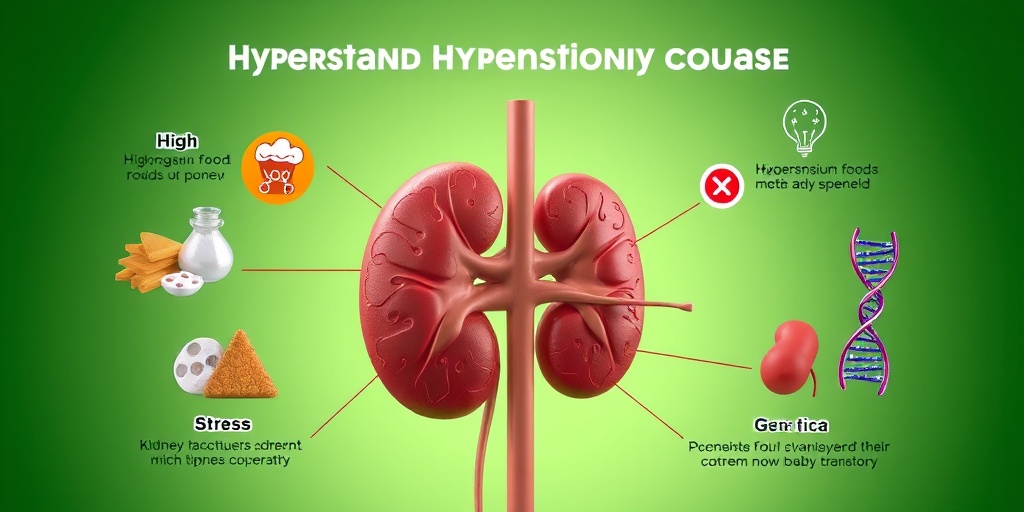
Risk Factors for Kidney Disease
Kidney disease, particularly hypertension-related kidney disease, is a growing concern worldwide. Understanding the risk factors associated with this condition is crucial for prevention and early intervention. Here, we’ll explore the primary risk factors that can lead to kidney disease.
1. High Blood Pressure
One of the most significant risk factors for kidney disease is high blood pressure (hypertension). When blood pressure remains elevated over time, it can damage the blood vessels in the kidneys, impairing their ability to filter waste effectively. This relationship is a two-way street; not only can hypertension lead to kidney disease, but kidney disease can also exacerbate high blood pressure.
2. Diabetes
Diabetes is another major contributor to kidney disease. High blood sugar levels can damage the kidneys’ filtering system, leading to a condition known as diabetic nephropathy. Individuals with diabetes should monitor their kidney function regularly to catch any potential issues early.
3. Family History
A family history of kidney disease can increase your risk. Genetic predisposition plays a role in how your body processes waste and maintains blood pressure. If you have relatives with kidney issues, it’s essential to discuss this with your healthcare provider.
4. Age
As we age, our kidneys naturally lose some of their filtering ability. Individuals over the age of 60 are at a higher risk for developing kidney disease, especially if they also have hypertension or diabetes.
5. Lifestyle Factors
Several lifestyle choices can contribute to the risk of kidney disease:
- Obesity: Excess weight can increase blood pressure and strain the kidneys.
- Smoking: Tobacco use can worsen kidney function and increase the risk of hypertension.
- Poor Diet: Diets high in sodium, processed foods, and sugars can lead to hypertension and kidney damage.
- Lack of Physical Activity: Sedentary lifestyles contribute to obesity and high blood pressure.
6. Other Medical Conditions
Several other medical conditions can increase the risk of kidney disease, including:
- Heart Disease: Conditions affecting heart health can also impact kidney function.
- Autoimmune Diseases: Diseases like lupus can cause inflammation in the kidneys.
- Chronic Infections: Recurrent urinary tract infections can lead to kidney damage over time.
Diagnosis of Kidney Disease
Diagnosing kidney disease, especially when related to hypertension, involves a series of tests and evaluations. Early detection is vital for effective management and treatment. Here’s how healthcare providers typically diagnose kidney disease.
1. Medical History and Physical Examination
The first step in diagnosing kidney disease is a thorough medical history and physical examination. Your doctor will ask about:
- Your family history of kidney disease
- Any existing health conditions, particularly hypertension and diabetes
- Your lifestyle habits, including diet and exercise
2. Blood Tests
Blood tests are crucial for assessing kidney function. The most common tests include:
- Serum Creatinine: Measures the level of creatinine in the blood, which indicates how well the kidneys are filtering waste.
- Glomerular Filtration Rate (GFR): Estimates how well the kidneys are functioning. A lower GFR indicates reduced kidney function.
- Blood Urea Nitrogen (BUN): Measures the amount of nitrogen in the blood that comes from urea, a waste product filtered by the kidneys.
3. Urine Tests
Urine tests can provide valuable information about kidney health. Common tests include:
- Urinalysis: Checks for the presence of protein, blood, or other substances that may indicate kidney damage.
- 24-Hour Urine Collection: Measures the total amount of waste products excreted in urine over a day, helping assess kidney function.
4. Imaging Tests
Imaging tests, such as ultrasounds or CT scans, may be used to visualize the kidneys and check for abnormalities, blockages, or structural issues.
5. Kidney Biopsy
In some cases, a kidney biopsy may be necessary. This procedure involves taking a small sample of kidney tissue to examine for damage or disease. It can provide definitive information about the type and extent of kidney disease.
Understanding the risk factors and diagnostic processes for kidney disease related to hypertension is essential for proactive health management. If you or someone you know is at risk, consider discussing these factors with a healthcare professional. 🩺
Treatment Options for Kidney Disease
Kidney disease, particularly when related to hypertension, can be a daunting diagnosis. However, understanding the treatment options available can empower patients and their families to make informed decisions. Here, we’ll explore various treatment modalities that can help manage kidney disease and its complications.
Medications
Medications play a crucial role in managing kidney disease, especially when it is related to hypertension. Here are some common types of medications used:
- Antihypertensives: These medications help control high blood pressure, which is vital in preventing further kidney damage. Common classes include ACE inhibitors, ARBs, and diuretics.
- Phosphate Binders: These are used to manage phosphate levels in patients with kidney disease, helping to prevent bone disease.
- Erythropoiesis-Stimulating Agents: These medications stimulate red blood cell production, addressing anemia often seen in chronic kidney disease (CKD).
Lifestyle Modifications
In addition to medications, lifestyle changes can significantly impact kidney health. Here are some effective strategies:
- Dietary Changes: A kidney-friendly diet low in sodium, potassium, and phosphorus can help manage both kidney disease and hypertension. Incorporating more fruits, vegetables, and whole grains is beneficial.
- Regular Exercise: Engaging in physical activity can help control blood pressure and improve overall health. Aim for at least 150 minutes of moderate exercise each week.
- Weight Management: Maintaining a healthy weight can reduce the strain on your kidneys and help manage hypertension.
Dialysis and Transplantation
For advanced kidney disease, more intensive treatments may be necessary:
- Dialysis: This treatment artificially removes waste products and excess fluid from the blood when the kidneys can no longer perform this function. There are two main types: hemodialysis and peritoneal dialysis.
- Kidney Transplant: For eligible patients, a kidney transplant can be a life-saving option. This involves replacing the diseased kidney with a healthy one from a donor.
Preventing Kidney Disease and Hypertension
Prevention is always better than cure, especially when it comes to conditions like kidney disease and hypertension. Here are some effective strategies to help reduce your risk:
Regular Health Screenings
Routine check-ups are essential for early detection and management of hypertension and kidney disease. Regular blood pressure checks and kidney function tests can help identify issues before they become severe.
Healthy Eating Habits
Adopting a balanced diet is crucial in preventing kidney disease and managing hypertension. Consider the following:
- Limit Sodium Intake: Reducing salt in your diet can help control blood pressure. Aim for less than 2,300 mg of sodium per day.
- Increase Potassium-Rich Foods: Foods like bananas, oranges, and spinach can help balance sodium levels and lower blood pressure.
- Stay Hydrated: Drinking adequate water is essential for kidney health, but consult your doctor if you have existing kidney issues.
Physical Activity
Regular physical activity can significantly lower the risk of developing hypertension and kidney disease. Aim for:
- At least 30 minutes of moderate exercise most days of the week.
- Incorporate activities you enjoy, such as walking, swimming, or cycling, to make it easier to stick to a routine.
Avoiding Tobacco and Limiting Alcohol
Both smoking and excessive alcohol consumption can increase blood pressure and harm kidney function. Quitting smoking and moderating alcohol intake can have profound benefits for your overall health.
Managing Stress
Chronic stress can contribute to high blood pressure and negatively impact kidney health. Consider incorporating stress-reducing techniques such as:
- Meditation
- Yoga
- Deep breathing exercises
By taking proactive steps towards prevention and understanding treatment options, individuals can significantly improve their kidney health and manage hypertension effectively. Remember, early intervention is key! 🌟

Frequently Asked Questions about Kidney Disease and Hypertension
What is the connection between kidney disease and hypertension?
The relationship between hypertension and kidney disease is significant. High blood pressure can damage the blood vessels in the kidneys, impairing their ability to filter waste effectively. Conversely, kidney disease can lead to increased blood pressure due to fluid retention and hormonal changes.
Can high blood pressure lead to chronic kidney disease (CKD)?
Yes, high blood pressure is one of the leading causes of chronic kidney disease (CKD). Over time, uncontrolled hypertension can cause serious damage to the kidneys, potentially leading to kidney failure.
How can I manage hypertension to protect my kidneys?
- Maintain a healthy diet low in sodium and rich in fruits and vegetables.
- Engage in regular physical activity.
- Monitor your blood pressure regularly.
- Take prescribed medications as directed by your healthcare provider.
- Limit alcohol intake and avoid smoking.
Are there specific symptoms of kidney disease related to hypertension?
Symptoms of kidney disease may include fatigue, swelling in the legs and ankles, changes in urination, and high blood pressure. However, many individuals may not experience symptoms until the disease is advanced, making regular check-ups essential.
What lifestyle changes can help prevent kidney disease in individuals with hypertension?
- Adopt a balanced diet with low salt and high potassium.
- Stay hydrated by drinking plenty of water.
- Maintain a healthy weight.
- Manage stress through relaxation techniques.
- Get regular health screenings to monitor kidney function and blood pressure.
Is it possible to reverse kidney damage caused by hypertension?
While some kidney damage may be irreversible, early detection and management of hypertension can slow the progression of kidney disease and improve overall kidney function. It’s crucial to work closely with a healthcare provider to develop an effective treatment plan.
When should I see a doctor regarding kidney disease and hypertension?
If you experience symptoms such as persistent high blood pressure, swelling, or changes in urination, it’s important to consult a healthcare professional. Regular check-ups are also recommended for individuals with risk factors for kidney disease.