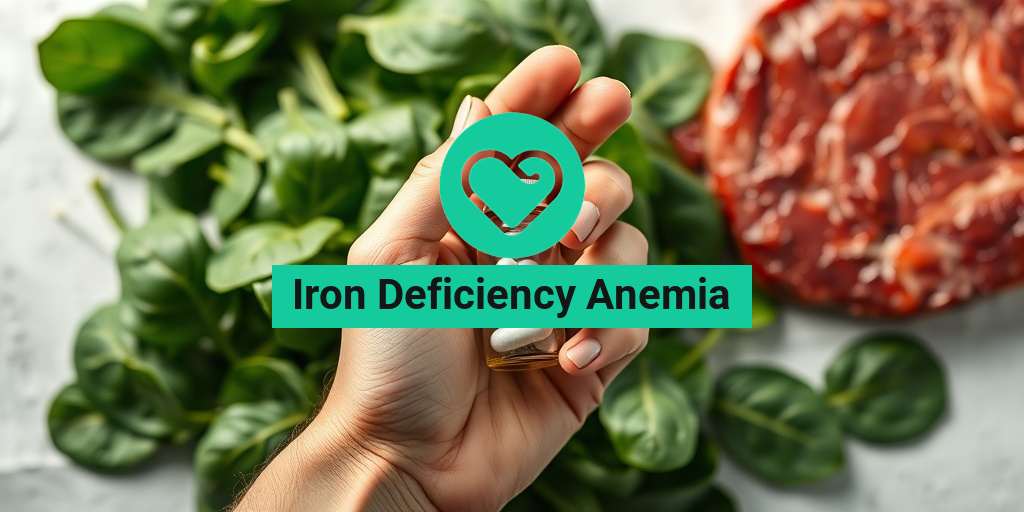
What Is Iron Deficiency Anemia?
Iron Deficiency Anemia is a common blood disorder that occurs when your body lacks enough iron to produce hemoglobin, the protein in red blood cells responsible for transporting oxygen throughout the body. Without sufficient iron, your body cannot produce enough healthy red blood cells, leading to a decrease in oxygen delivery to your organs and tissues. This condition can affect anyone, but it is particularly prevalent among certain groups, including pregnant women, young children, and individuals with chronic diseases.
Understanding the Importance of Iron
Iron is an essential mineral that plays a crucial role in various bodily functions. It is vital for:
- Oxygen Transport: Iron is a key component of hemoglobin, which carries oxygen from the lungs to the rest of the body.
- Energy Production: Iron is involved in the metabolic processes that convert food into energy.
- Immune Function: Adequate iron levels support a healthy immune system, helping the body fight off infections.
When iron levels are low, the body struggles to perform these functions effectively, leading to the symptoms associated with iron deficiency anemia.
Iron Deficiency Anemia Symptoms
Recognizing the symptoms of iron deficiency anemia is crucial for early diagnosis and treatment. The symptoms can vary in severity and may develop gradually. Here are some common signs to watch for:
Fatigue and Weakness
One of the most prevalent symptoms of iron deficiency anemia is persistent fatigue. This occurs because your body is not receiving enough oxygen, leading to decreased energy levels. You may find yourself feeling unusually tired after routine activities or experiencing weakness during physical exertion.
Pale Skin and Jaundice
Individuals with iron deficiency anemia often exhibit pale skin due to a reduced number of red blood cells. In some cases, jaundice (a yellowing of the skin and eyes) may occur, indicating a more severe deficiency affecting the liver.
Shortness of Breath
As your body struggles to deliver oxygen to vital organs, you may experience shortness of breath, especially during physical activities. This symptom can be alarming and may require immediate medical attention.
Dizziness and Headaches
Low iron levels can lead to dizziness, lightheadedness, and frequent headaches. These symptoms arise from insufficient oxygen reaching the brain, which can affect cognitive function and overall well-being.
Cold Hands and Feet
Iron deficiency can also affect circulation, leading to cold extremities. If you notice that your hands and feet are often cold, even in warm environments, it may be a sign of anemia.
Restless Legs Syndrome
Some individuals with iron deficiency anemia experience restless legs syndrome, characterized by an uncontrollable urge to move the legs, often accompanied by uncomfortable sensations. This can disrupt sleep and contribute to overall fatigue.
Cravings for Non-Food Substances
In some cases, people with iron deficiency anemia may develop pica, a condition where they crave non-food substances such as dirt, clay, or ice. This unusual craving can be a sign of a significant iron deficiency and should be addressed with a healthcare provider.
When to Seek Medical Attention
If you experience any of these symptoms, it is essential to consult a healthcare professional for proper evaluation and diagnosis. Blood tests can determine your iron levels and help identify the underlying cause of your anemia.
For more information on iron deficiency anemia and its management, consider visiting Yesil Health AI, a valuable resource for evidence-based health answers. Early detection and treatment can significantly improve your quality of life and overall health. 🌟
Causes of Iron Deficiency Anemia
Iron deficiency anemia is a condition that occurs when your body lacks sufficient iron to produce hemoglobin, the protein in red blood cells that carries oxygen. Understanding the causes of iron deficiency anemia is crucial for prevention and treatment. Here are some of the primary causes:
1. Inadequate Iron Intake
A diet low in iron-rich foods can lead to iron deficiency anemia. Foods such as red meat, poultry, fish, lentils, beans, and fortified cereals are excellent sources of iron. If your diet lacks these foods, you may not be getting enough iron.
2. Increased Iron Requirements
Certain life stages and conditions increase the body’s need for iron. For instance:
- Pregnancy: Pregnant women require more iron to support the growing fetus.
- Infancy and Childhood: Young children and adolescents need more iron for growth and development.
3. Blood Loss
Blood loss is a significant cause of iron deficiency anemia. This can occur due to:
- Menstruation: Heavy menstrual periods can lead to significant iron loss.
- Gastrointestinal Bleeding: Conditions such as ulcers, hemorrhoids, or cancers can cause internal bleeding.
4. Malabsorption Issues
Even if you consume enough iron, certain medical conditions can hinder its absorption. Conditions like celiac disease, Crohn’s disease, or gastric bypass surgery can affect how your body absorbs iron from food.
5. Chronic Diseases
Chronic diseases such as kidney disease or cancer can also lead to iron deficiency anemia. These conditions may affect the production of red blood cells or increase the body’s demand for iron.
Risk Factors for Iron Deficiency Anemia
Identifying the risk factors for iron deficiency anemia can help in early detection and management. Here are some key risk factors to consider:
1. Dietary Choices
Individuals who follow vegetarian or vegan diets may be at a higher risk due to the lower availability of heme iron (found in animal products) compared to non-heme iron (found in plant foods). It’s essential for those on plant-based diets to include iron-rich foods and consider supplements if necessary.
2. Gender and Age
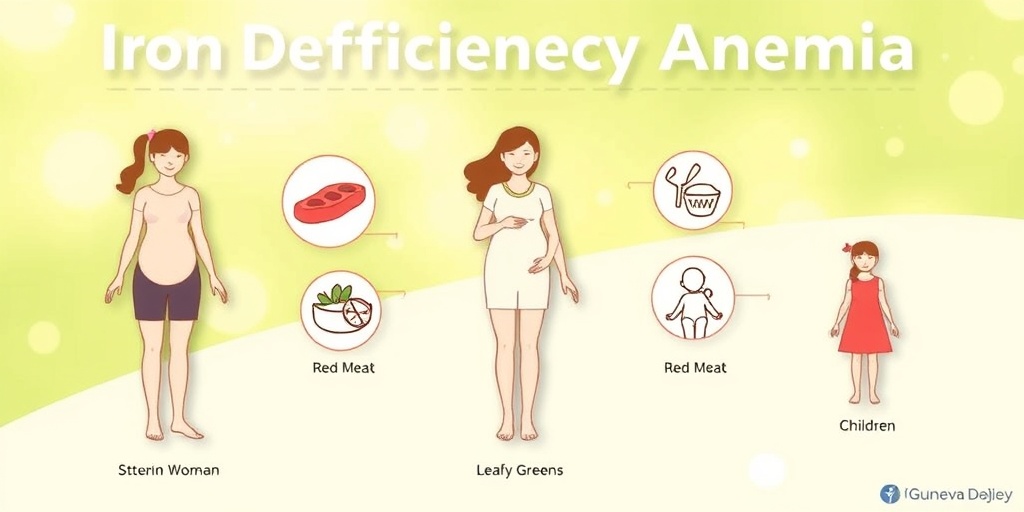
Women, particularly those of childbearing age, are at a higher risk due to menstruation and pregnancy. Additionally, infants and young children are vulnerable due to their rapid growth and higher iron needs.
3. Medical History
Individuals with a history of gastrointestinal disorders or surgeries that affect the digestive tract are at increased risk. Conditions like peptic ulcers, gastritis, or previous surgeries can lead to malabsorption of iron.
4. Chronic Conditions
Chronic illnesses such as heart disease, cancer, or kidney disease can increase the risk of developing iron deficiency anemia. These conditions often lead to inflammation or blood loss, which can deplete iron levels.
5. Lifestyle Factors
Certain lifestyle choices can also contribute to the risk of iron deficiency anemia:
- Excessive Exercise: Athletes, especially endurance athletes, may experience increased iron loss through sweat and footstrike hemolysis.
- Frequent Blood Donations: Regular blood donors may need to monitor their iron levels closely, as frequent donations can lead to depletion.
Understanding these causes and risk factors is vital for recognizing the signs of iron deficiency anemia early and seeking appropriate treatment. If you suspect you may be at risk, consult with a healthcare professional for personalized advice and management strategies. 🩺
Diagnosis of Iron Deficiency Anemia
Diagnosing iron deficiency anemia is a crucial step in managing this common condition. It involves a combination of medical history, physical examination, and laboratory tests. Understanding the diagnostic process can help you recognize the signs and symptoms early, leading to timely treatment.
Medical History and Symptoms
Your healthcare provider will start by asking about your medical history and any symptoms you may be experiencing. Common symptoms of iron deficiency anemia include:
- Fatigue and weakness
- Pale skin
- Shortness of breath
- Dizziness or lightheadedness
- Cold hands and feet
- Brittle nails
It’s essential to discuss any dietary habits, menstrual history (for women), and any chronic conditions that may contribute to iron deficiency, such as gastrointestinal disorders.
Physical Examination
During the physical examination, your doctor may look for signs of anemia, such as:
- Pallor (pale skin and mucous membranes)
- Rapid heartbeat
- Enlarged spleen or liver
These findings can provide valuable clues about your iron levels and overall health.
Laboratory Tests
To confirm a diagnosis of iron deficiency anemia, your doctor will likely order several blood tests, including:
- Complete Blood Count (CBC): This test measures various components of your blood, including hemoglobin levels, which are often low in anemia.
- Serum Ferritin: This test assesses the amount of stored iron in your body. Low ferritin levels indicate depleted iron stores.
- Serum Iron and Total Iron-Binding Capacity (TIBC): These tests measure the amount of circulating iron and the blood’s capacity to bind iron, respectively.
Based on the results of these tests, your healthcare provider can determine whether you have iron deficiency anemia and the severity of the condition.
Iron Deficiency Anemia Treatment Options
Once diagnosed, treating iron deficiency anemia is essential to restore your iron levels and alleviate symptoms. Treatment options vary based on the severity of the anemia and its underlying causes.
Dietary Changes
One of the first steps in treating iron deficiency anemia is to improve your diet. Incorporating iron-rich foods can significantly boost your iron levels. Consider adding:
- Red meat: Beef and lamb are excellent sources of heme iron, which is easily absorbed by the body.
- Poultry and fish: Chicken, turkey, and fish also provide heme iron.
- Leafy greens: Spinach, kale, and Swiss chard are rich in non-heme iron.
- Legumes: Lentils, chickpeas, and beans are great plant-based sources of iron.
- Nuts and seeds: Almonds, pumpkin seeds, and cashews can help increase your iron intake.
Pairing these foods with vitamin C-rich items like oranges, strawberries, and bell peppers can enhance iron absorption. 🍊
Iron Supplements
If dietary changes alone are insufficient, your doctor may recommend iron supplements. These can come in various forms, including:
- Ferrous sulfate: The most commonly prescribed form of iron supplement.
- Ferrous gluconate: A gentler option for those who experience gastrointestinal side effects.
- Iron polysaccharide: A newer formulation that may be easier on the stomach.
It’s crucial to follow your healthcare provider’s instructions regarding dosage and duration of supplementation, as excessive iron can lead to toxicity.
Treating Underlying Causes
In some cases, iron deficiency anemia may be a symptom of an underlying condition, such as gastrointestinal bleeding or heavy menstrual periods. Addressing these issues is vital for effective treatment. Your doctor may recommend:
- Medications: To manage conditions like ulcers or heavy menstrual bleeding.
- Procedures: Such as endoscopy or surgery to address sources of bleeding.
By treating the root cause, you can help prevent the recurrence of iron deficiency anemia in the future.

Home Remedies for Iron Deficiency Anemia
Iron deficiency anemia is a common condition that occurs when your body lacks sufficient iron to produce hemoglobin, the protein in red blood cells that carries oxygen. This can lead to fatigue, weakness, and a host of other symptoms. While medical treatment is essential, many people seek home remedies to complement their care. Here are some effective home remedies to help manage iron deficiency anemia.
1. Increase Iron-Rich Foods
One of the most straightforward ways to combat iron deficiency anemia is by incorporating more iron-rich foods into your diet. Here are some excellent sources of iron:
- Red meat: Beef and lamb are particularly high in heme iron, which is easily absorbed by the body.
- Poultry: Chicken and turkey are good sources of heme iron.
- Seafood: Fish and shellfish, especially oysters and sardines, are rich in iron.
- Legumes: Lentils, chickpeas, and beans are great plant-based sources of iron.
- Leafy greens: Spinach, kale, and Swiss chard are packed with non-heme iron.
- Nuts and seeds: Pumpkin seeds, sesame seeds, and cashews can boost your iron intake.
2. Pair Iron with Vitamin C
To enhance iron absorption, it’s beneficial to consume vitamin C alongside iron-rich foods. Foods high in vitamin C include:
- Citrus fruits: Oranges, lemons, and grapefruits.
- Berries: Strawberries and blueberries.
- Bell peppers: Especially red and yellow varieties.
- Broccoli: A nutritious vegetable that also provides iron.
For example, try having a spinach salad topped with strawberries or a lentil soup with a squeeze of lemon juice. 🍋
3. Herbal Remedies
Several herbs are known to support iron levels and overall health:
- Nettle tea: Rich in iron and vitamin C, nettle tea can be a soothing way to boost your iron intake.
- Dandelion greens: These can be added to salads or smoothies for an iron boost.
- Yellow dock root: Often used in herbal medicine, it may help improve iron absorption.
4. Cooking with Cast Iron
Cooking in cast iron cookware can increase the iron content of your food. When acidic foods like tomatoes are cooked in cast iron, they can absorb some of the iron from the pan, providing an additional source of this essential mineral.
5. Avoid Iron Blockers
Some foods and beverages can inhibit iron absorption. To maximize your iron intake, consider limiting:
- Coffee and tea: These contain tannins that can hinder iron absorption.
- Dairy products: Calcium can interfere with iron absorption, so try to consume dairy separately from iron-rich meals.
- Whole grains: While healthy, they contain phytates that can bind to iron and reduce its absorption.
Preventing Iron Deficiency Anemia
Preventing iron deficiency anemia is crucial, especially for individuals at higher risk, such as pregnant women, vegetarians, and those with heavy menstrual cycles. Here are some effective strategies to help you maintain healthy iron levels.
1. Balanced Diet
Eating a well-balanced diet is the cornerstone of preventing iron deficiency anemia. Ensure your meals include a variety of iron-rich foods, as mentioned earlier, along with sources of vitamin C to enhance absorption. 🍽️
2. Regular Health Check-ups
Regular blood tests can help monitor your iron levels, especially if you have risk factors for anemia. Early detection allows for timely intervention and management.
3. Educate Yourself About Iron Needs
Understanding your specific iron needs is essential. For example, pregnant women require more iron due to increased blood volume and fetal development. Consult with a healthcare provider to determine your individual requirements.
4. Consider Supplements Wisely
If dietary changes are insufficient, iron supplements may be necessary. However, it’s important to consult with a healthcare professional before starting any supplementation, as excessive iron can lead to toxicity.
5. Lifestyle Modifications
Incorporating healthy lifestyle habits can also help prevent iron deficiency anemia:
- Stay hydrated: Proper hydration supports overall health and nutrient absorption.
- Manage stress: Chronic stress can affect your body’s ability to absorb nutrients.
- Exercise regularly: Physical activity can improve circulation and overall health.
By following these preventive measures and incorporating iron-rich foods into your diet, you can significantly reduce your risk of developing iron deficiency anemia. Remember, maintaining a healthy lifestyle is key to overall well-being! 🌟

Frequently Asked Questions about Iron Deficiency Anemia
What is Iron Deficiency Anemia?
Iron Deficiency Anemia is a condition that occurs when the body lacks sufficient iron to produce hemoglobin, the protein in red blood cells that carries oxygen. This deficiency can lead to fatigue, weakness, and other health issues.
What are the common symptoms of Iron Deficiency Anemia?
- Fatigue and weakness
- Pale skin
- Shortness of breath
- Dizziness or lightheadedness
- Cold hands and feet
- Brittle nails
What causes Iron Deficiency Anemia?
There are several causes of Iron Deficiency Anemia, including:
- Inadequate dietary intake of iron
- Increased iron needs during pregnancy
- Chronic blood loss (e.g., heavy menstrual periods, gastrointestinal bleeding)
- Malabsorption disorders (e.g., celiac disease)
How is Iron Deficiency Anemia diagnosed?
Diagnosis typically involves a physical examination and blood tests, including:
- Complete blood count (CBC)
- Serum ferritin test
- Serum iron and total iron-binding capacity (TIBC)
What are the treatment options for Iron Deficiency Anemia?
Treatment for Iron Deficiency Anemia may include:
- Iron supplements (oral or intravenous)
- Dietary changes to include more iron-rich foods (e.g., red meat, beans, spinach)
- Treating underlying causes of iron deficiency
Is Iron Deficiency Anemia common during pregnancy?
Yes, Iron Deficiency Anemia is quite common during pregnancy due to increased iron requirements for both the mother and the developing fetus. Pregnant women are often advised to take iron supplements to prevent this condition.
Can Iron Deficiency Anemia be prevented?
While some cases may not be preventable, you can reduce your risk by:
- Eating a balanced diet rich in iron
- Taking prenatal vitamins during pregnancy
- Addressing any underlying health issues that may affect iron absorption
What is the ICD-10 code for Iron Deficiency Anemia?
The ICD-10 code for Iron Deficiency Anemia is D50.9, which is used for billing and coding purposes in healthcare settings.
Where can I find more information about Iron Deficiency Anemia?
For more detailed information, consider consulting healthcare professionals or reputable health websites that specialize in anemia and nutritional deficiencies.