What Is an Ear Infection?
An ear infection, medically known as otitis media, is a common condition that occurs when bacteria or viruses invade the middle ear, leading to inflammation and fluid buildup. This condition can affect individuals of all ages, but it is particularly prevalent in children due to their shorter and more horizontal Eustachian tubes, which can easily become blocked.
Ear infections can be classified into two main types: acute and chronic. Acute ear infections are sudden and often painful, while chronic ear infections can persist for months or recur frequently. Understanding the nature of ear infections is crucial for effective treatment and prevention.
Causes of Ear Infections
Several factors can contribute to the development of an ear infection, including:
- Upper Respiratory Infections: Colds and sinus infections can lead to inflammation and fluid buildup in the Eustachian tubes.
- Allergies: Allergic reactions can cause swelling in the nasal passages, affecting the Eustachian tubes.
- Environmental Factors: Exposure to smoke, pollution, or other irritants can increase the risk of ear infections.
- Age: Children are more susceptible due to their anatomical structure and immune system development.
Types of Ear Infections
There are primarily two types of ear infections:
- Acute Otitis Media: This is a sudden onset infection characterized by severe pain and fever.
- Otitis Media with Effusion: This type involves fluid accumulation without infection, often following an acute infection.
Ear Infection Symptoms
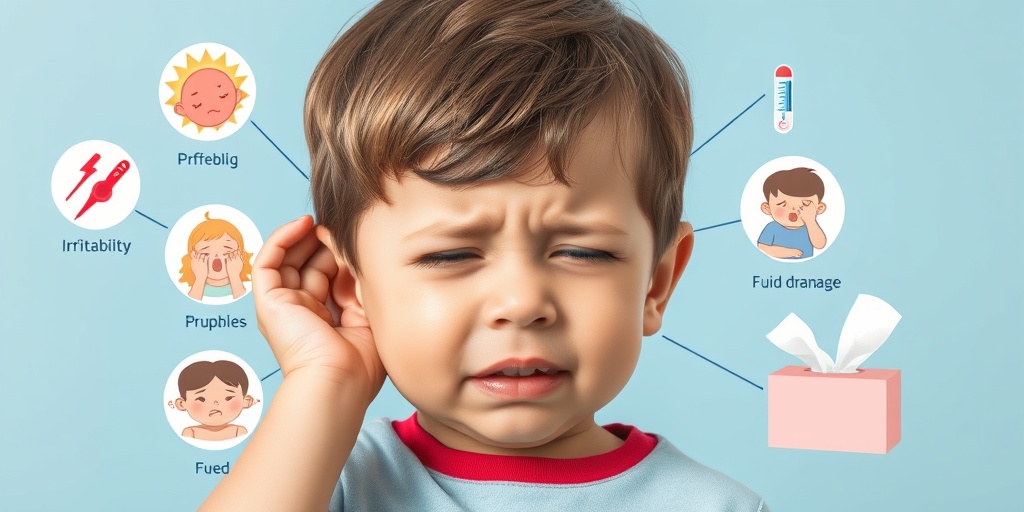
Recognizing the symptoms of an ear infection is essential for timely treatment. Symptoms can vary based on age and the severity of the infection. Here are some common signs to look out for:
General Symptoms
- Ear Pain: This is often the most prominent symptom, ranging from mild discomfort to severe pain.
- Fluid Drainage: You may notice fluid draining from the ear, which can be a sign of a ruptured eardrum.
- Difficulty Hearing: Fluid buildup can affect hearing, leading to temporary hearing loss.
- Fever: A mild to moderate fever may accompany an ear infection.
Symptoms in Babies and Toddlers
Identifying ear infection symptoms in babies and toddlers can be challenging. Here are some specific signs to watch for:
- Irritability: Increased fussiness or crying, especially when lying down.
- Pulling at the Ear: Babies may tug or pull at their ears as a response to discomfort.
- Difficulty Sleeping: Pain may worsen when lying down, leading to sleep disturbances.
- Loss of Appetite: Feeding may become difficult due to ear pain.
When to Seek Medical Attention
If you or your child experience severe symptoms, such as high fever, persistent pain, or fluid drainage, it is crucial to consult a healthcare professional. Early intervention can prevent complications and ensure effective treatment.
For more information on ear infections and their management, consider visiting Yesil Health AI, a valuable resource for evidence-based health answers.
In conclusion, understanding what an ear infection is and recognizing its symptoms can help you take prompt action. Whether you’re dealing with an ear infection yourself or caring for a child, being informed is the first step toward effective treatment and recovery. 🌟
Ear Infection Causes
Ear infections, medically known as otitis media, occur when bacteria or viruses infect the middle ear, leading to inflammation and fluid buildup. Understanding the causes of ear infections is crucial for prevention and effective treatment. Here are some of the primary causes:
1. Bacterial and Viral Infections
The most common cause of ear infections is a bacterial or viral infection. These infections often follow a cold, flu, or respiratory infection, where the pathogens can spread to the ear. The most prevalent bacteria involved include Streptococcus pneumoniae and Haemophilus influenzae.
2. Eustachian Tube Dysfunction
The Eustachian tube connects the middle ear to the back of the throat and helps equalize pressure. If this tube becomes blocked or doesn’t function properly, fluid can accumulate in the middle ear, creating an environment conducive to infection. This dysfunction can be caused by:
- Allergies
- Sinus infections
- Colds
3. Allergies and Sinus Issues
Allergies can lead to inflammation and swelling in the nasal passages, which may block the Eustachian tube. Similarly, sinus infections can cause mucus buildup, increasing the risk of developing an ear infection.
4. Environmental Factors
Exposure to environmental irritants, such as cigarette smoke or pollution, can increase the likelihood of ear infections. These irritants can cause inflammation in the respiratory tract, leading to Eustachian tube dysfunction.
5. Anatomical Factors
Some individuals, particularly young children, may have anatomical features that predispose them to ear infections. For example, children have shorter and more horizontal Eustachian tubes, making it easier for bacteria and viruses to reach the middle ear.
Ear Infection Risk Factors
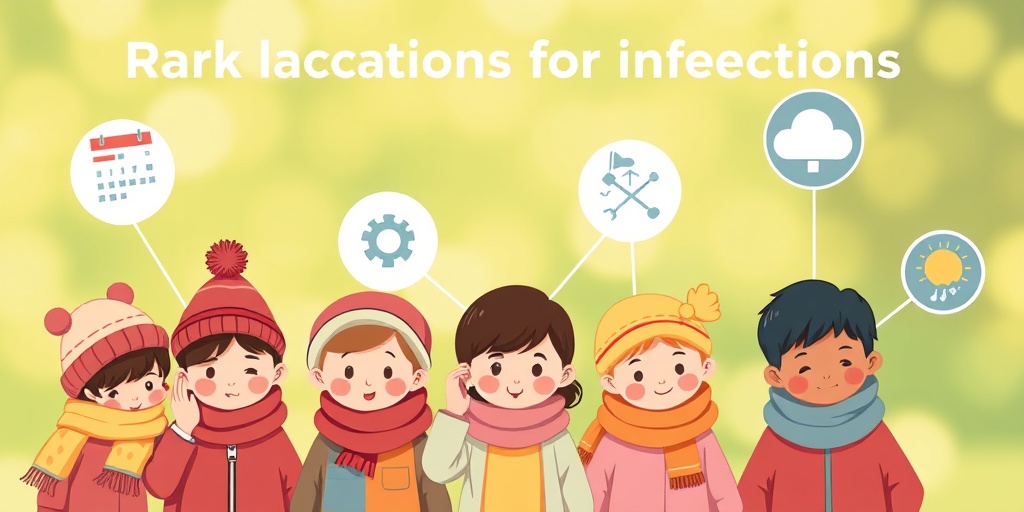
While anyone can develop an ear infection, certain factors can increase the likelihood of experiencing this painful condition. Understanding these risk factors can help in taking preventive measures.
1. Age
Children, especially those under the age of 5, are at a higher risk for ear infections. Their immune systems are still developing, and their Eustachian tubes are shorter and more horizontal, making it easier for germs to reach the middle ear.
2. Frequent Respiratory Infections
Children who experience frequent colds or respiratory infections are more likely to develop ear infections. Each infection can lead to inflammation and fluid buildup in the ears, increasing the risk.
3. Family History
If a child has a family history of ear infections, they may be more susceptible. Genetics can play a role in the structure of the Eustachian tubes and the immune response to infections.
4. Exposure to Secondhand Smoke
Children exposed to secondhand smoke are at a greater risk for ear infections. Smoke can irritate the respiratory system and lead to inflammation, making infections more likely.
5. Attending Daycare
Children who attend daycare or are in close contact with other children are more likely to catch colds and other infections, which can lead to ear infections. The close quarters and shared toys can facilitate the spread of germs.
6. Seasonal Factors
Ear infections are more common during the fall and winter months when respiratory infections are prevalent. Cold weather can also lead to increased indoor gatherings, further spreading germs.
By being aware of the causes and risk factors associated with ear infections, parents and caregivers can take proactive steps to reduce the likelihood of these painful conditions in children. If you suspect an ear infection, it’s essential to consult a healthcare professional for proper diagnosis and treatment. 🩺
Ear Infection Diagnosis
Diagnosing an ear infection is crucial for effective treatment and recovery. Ear infections can occur in various forms, primarily affecting the middle ear (otitis media) or the outer ear (otitis externa). Understanding the symptoms and the diagnostic process can help you seek timely medical attention.
Recognizing Symptoms
Before heading to a healthcare provider, it’s essential to recognize the common ear infection symptoms. These may include:
- Pain in the ear: This is often the most noticeable symptom, ranging from mild discomfort to severe pain.
- Fluid drainage: You might notice fluid leaking from the ear, which can be a sign of an infection.
- Hearing loss: Temporary hearing loss can occur due to fluid buildup.
- Fever: Especially in children, a fever may accompany an ear infection.
- Irritability: Babies and toddlers may become unusually fussy or irritable.
Consulting a Healthcare Provider
If you suspect an ear infection, it’s important to consult a healthcare provider. They will typically perform a physical examination, which may include:
- Otoscopy: Using an otoscope, the doctor will look into the ear canal to check for signs of infection, such as redness or fluid behind the eardrum.
- Hearing tests: In some cases, hearing tests may be conducted to assess any impact on hearing ability.
- Medical history: Discussing your symptoms and any previous ear infections can help the provider make an accurate diagnosis.
For infants and toddlers, the diagnosis process may involve additional considerations, as they may not be able to articulate their symptoms clearly. Parents should be observant and report any unusual behavior or signs of discomfort.
Ear Infection Treatment Options
Once diagnosed, treating an ear infection effectively is essential for alleviating symptoms and preventing complications. Treatment options can vary based on the severity of the infection and the age of the patient.
Over-the-Counter Pain Relief
For mild cases, over-the-counter pain relievers can help manage discomfort. Common options include:
- Acetaminophen: This is often recommended for children and adults to relieve pain and reduce fever.
- Ibuprofen: Another effective option for pain relief, suitable for older children and adults.
Prescription Medications
If the infection is more severe or persistent, your healthcare provider may prescribe medications, such as:
- Antibiotics: These are commonly prescribed for bacterial ear infections. It’s crucial to complete the full course as directed, even if symptoms improve.
- Ear drops: For outer ear infections, antibiotic ear drops may be recommended to target the infection directly.
Home Remedies
In addition to medical treatments, some ear infection home remedies may provide relief. While these should not replace professional medical advice, they can complement treatment:
- Warm compress: Applying a warm cloth to the affected ear can help soothe pain.
- Hydration: Staying hydrated can help thin mucus and promote drainage.
- Elevating the head: Keeping the head elevated can help reduce pressure in the ear.
When to Seek Further Medical Attention
If symptoms persist or worsen despite treatment, it’s essential to follow up with your healthcare provider. Complications from untreated ear infections can lead to more serious conditions, such as hearing loss or the spread of infection.
In summary, understanding the diagnosis and treatment options for ear infections can empower you to take proactive steps in managing your health or your child’s health. Always consult with a healthcare professional for personalized advice and treatment plans. 🩺👂

Ear Infection Home Remedies
Ear infections can be uncomfortable and distressing, especially for young children. While it’s essential to consult a healthcare professional for persistent or severe cases, there are several home remedies that may help alleviate symptoms and promote healing. Here are some effective options to consider:
1. Warm Compress
Applying a warm compress to the affected ear can help reduce pain and discomfort. The warmth increases blood flow and can soothe inflammation. To use this remedy:
- Soak a clean cloth in warm water and wring it out.
- Place the warm cloth against the ear for 20 minutes.
- Repeat as needed throughout the day.
2. Garlic Oil
Garlic has natural antibacterial properties that may help fight infection. Garlic oil can be used as a home remedy for ear infections:
- Crush a few cloves of garlic and heat them in a tablespoon of olive oil.
- Let the mixture cool, then strain it to remove the garlic pieces.
- Using a dropper, place a few drops of the oil into the affected ear.
3. Apple Cider Vinegar
Apple cider vinegar (ACV) is known for its antimicrobial properties. It can help restore the natural pH balance in the ear:
- Mix equal parts of ACV and water.
- Using a dropper, place a few drops into the ear.
- Let it sit for a few minutes before tilting the head to drain.
4. Steam Inhalation
Inhaling steam can help relieve congestion and promote drainage from the ears. This is particularly useful if the ear infection is accompanied by a cold or sinus infection:
- Boil water and pour it into a bowl.
- Add a few drops of eucalyptus oil for added benefits.
- Lean over the bowl with a towel over your head and inhale the steam for 10-15 minutes.
5. Hydration
Staying hydrated is crucial for recovery. Drinking plenty of fluids helps thin mucus and promotes drainage. Encourage children to drink water, herbal teas, or clear broths. 🍵
Ear Infection Prevention Tips
Preventing ear infections is often easier than treating them. Here are some effective prevention tips to help keep your ears healthy:
1. Keep Ears Dry
Moisture in the ears can create an environment conducive to infections. After swimming or bathing, gently dry the outer ear with a towel. Avoid inserting objects into the ear canal.
2. Avoid Secondhand Smoke
Exposure to secondhand smoke can increase the risk of ear infections, especially in children. Ensure that your home is smoke-free to protect your family’s health.
3. Practice Good Hygiene
Encourage regular handwashing to prevent the spread of germs. This is particularly important during cold and flu season, as respiratory infections can lead to ear infections.
4. Vaccinations
Stay up-to-date with vaccinations, including the flu vaccine and pneumococcal vaccine. These vaccines can help prevent infections that may lead to ear problems.
5. Breastfeed Infants
Breastfeeding for at least six months can help strengthen an infant’s immune system and reduce the risk of ear infections. Breast milk contains antibodies that can protect against infections.
6. Limit Pacifier Use
For toddlers, limiting the use of pacifiers can help reduce the risk of ear infections. Prolonged pacifier use has been linked to a higher incidence of ear infections.
By incorporating these home remedies and prevention tips, you can help manage and reduce the risk of ear infections for yourself and your loved ones. Remember, if symptoms persist or worsen, it’s essential to seek medical advice. 🩺

Frequently Asked Questions about Ear Infections
What are the common symptoms of an ear infection?
Common symptoms of an ear infection include:
- Pain in the ear
- Fluid drainage from the ear
- Difficulty hearing
- Fever
- Irritability in children
How can I tell if my baby has an ear infection?
Signs that your baby may have an ear infection include:
- Excessive crying or fussiness
- Pulling or tugging at their ears
- Difficulty sleeping
- Loss of appetite
What treatments are available for ear infections?
Treatment options for ear infections may include:
- Over-the-counter pain relievers to reduce discomfort
- Prescription antibiotics if the infection is bacterial
- Ear drops to alleviate pain
- Home remedies such as warm compresses
Are there home remedies for ear infections?
Some effective home remedies for ear infections include:
- Warm compresses applied to the affected ear
- Garlic oil drops for natural antibacterial properties
- Staying hydrated to help thin mucus
When should I see a doctor for an ear infection?
You should consult a healthcare professional if:
- Symptoms persist for more than a couple of days
- Severe pain occurs
- Fever exceeds 102°F (39°C)
- Fluid drainage is present
Can ear infections occur in toddlers?
Yes, ear infections are quite common in toddlers due to their developing immune systems and the structure of their ears. If you notice symptoms, it’s important to seek medical advice.
What are the risks of untreated ear infections?
If left untreated, ear infections can lead to complications such as:
- Hearing loss
- Spread of infection to nearby structures
- Chronic ear infections
Are antibiotics always necessary for ear infections?
Not always. Many ear infections are viral and may resolve on their own. Antibiotics are typically prescribed for bacterial infections or if symptoms are severe.
Can ear infections be prevented?
To help prevent ear infections, consider the following tips:
- Keep vaccinations up to date
- Avoid exposure to secondhand smoke
- Practice good hygiene to reduce the risk of infections
What should I do if my child has recurrent ear infections?
If your child experiences recurrent ear infections, consult a healthcare provider. They may recommend further evaluation or treatment options, such as ear tubes.