What Are Dog Breeds?
When we talk about dogs, one of the first things that come to mind is the incredible variety of dog breeds. But what exactly are dog breeds? In simple terms, a dog breed is a specific group of domestic dogs that share common characteristics, such as appearance, behavior, and temperament. These breeds have been developed over centuries through selective breeding to fulfill various roles, from companionship to work.
The Importance of Dog Breeds
Understanding dog breeds is crucial for several reasons:
- Compatibility: Different breeds have different needs and temperaments. Knowing the breed can help you choose a dog that fits your lifestyle.
- Health Considerations: Certain breeds are predisposed to specific health issues. For example, large breeds like Great Danes may face joint problems, while small dogs like Chihuahuas can have dental issues.
- Training and Behavior: Some breeds are more trainable than others. For instance, working dogs like German Shepherds are often easier to train than more independent breeds.
Types of Dog Breeds
Dog breeds can be categorized into several groups based on their characteristics and purposes:
- Sporting Dogs: These dogs are known for their energy and enthusiasm. Breeds like Labrador Retrievers and Golden Retrievers fall into this category.
- Herding Dogs: Breeds such as Border Collies and Australian Shepherds are known for their intelligence and ability to manage livestock.
- Working Dogs: These dogs are bred for specific tasks, including guarding and rescue. Examples include Rottweilers and Siberian Huskies.
- Terriers: Known for their feisty nature, terriers like the Jack Russell are energetic and often require a lot of exercise.
- Toy Dogs: Small in size but big in personality, breeds like Pomeranians and Yorkshire Terriers are perfect for apartment living.
- Non-Sporting Dogs: This diverse group includes breeds like Bulldogs and Dalmatians, each with unique traits.
Whether you’re looking for a cute dog to cuddle with or a watch dog to protect your home, understanding the different types of breeds can help you make an informed decision.
Dog Health Basics
Just like humans, dogs require proper health care to live long, happy lives. Understanding the basics of dog health is essential for any dog owner. Here are some key aspects to consider:
Regular Veterinary Check-ups
Routine visits to the veterinarian are crucial for maintaining your dog’s health. Regular check-ups can help catch potential health issues early. Your vet will typically perform:
- Physical Examinations: Checking for any signs of illness or discomfort.
- Vaccinations: Keeping your dog protected against common diseases.
- Parasite Control: Ensuring your dog is free from fleas, ticks, and worms.
Nutrition and Diet
A balanced diet is vital for your dog’s health. Depending on their breed, age, and activity level, your dog may have specific dietary needs. Consider the following:
- High-Quality Dog Food: Look for brands that list meat as the first ingredient.
- Portion Control: Overfeeding can lead to obesity, which is a common issue in many small dogs and big dogs.
- Hydration: Always provide fresh water to keep your dog hydrated.
Exercise and Mental Stimulation
Dogs need regular exercise to stay healthy and happy. Depending on the breed, exercise requirements can vary significantly. For example:
- Active Breeds: Breeds like Border Collies require more exercise and mental challenges.
- Less Active Breeds: Some hypoallergenic dogs may not need as much physical activity but still benefit from daily walks.
Engaging your dog in playtime, training sessions, or even puzzle toys can provide the mental stimulation they need to thrive.
Common Health Issues
Being aware of common health issues in dogs can help you take preventive measures. Some prevalent conditions include:
- Hip Dysplasia: Common in larger breeds, this condition affects the hip joint.
- Dental Disease: Small dogs are particularly prone to dental issues, so regular dental care is essential.
- Obesity: A growing concern for many dogs, leading to various health problems.
For more information on dog health and wellness, consider visiting Yesil Health AI, a valuable resource for evidence-based health answers.
In conclusion, understanding dog breeds and the basics of dog health is essential for any dog owner. By being informed, you can ensure your furry friend lives a long, healthy, and happy life! 🐾

Common Dog Diseases
As a dog owner, it’s essential to be aware of the common diseases that can affect your furry friend. Understanding these conditions can help you take preventive measures and ensure your dog lives a long, healthy life. Here are some of the most prevalent dog diseases to watch out for:
1. Canine Parvovirus
Canine Parvovirus is a highly contagious virus that primarily affects puppies and unvaccinated dogs. Symptoms include severe vomiting, diarrhea (often bloody), lethargy, and loss of appetite. Vaccination is crucial in preventing this disease, so make sure your dog is up to date on their shots.
2. Canine Distemper
This viral disease affects a dog’s respiratory, gastrointestinal, and nervous systems. Symptoms can range from fever and coughing to seizures and paralysis. Like Parvovirus, vaccination is the best defense against Canine Distemper.
3. Kennel Cough
Also known as Bordetella, kennel cough is a highly contagious respiratory disease. It’s characterized by a persistent cough, sneezing, and nasal discharge. While it’s often mild, it can lead to more severe complications in puppies or older dogs. Vaccination is recommended, especially for dogs that frequently interact with others.
4. Heartworm Disease
Heartworm disease is caused by parasitic worms that live in the heart and lungs of infected dogs. It’s transmitted through mosquito bites. Symptoms include coughing, fatigue, and weight loss. Preventive medication is essential, as treatment can be complicated and costly.
5. Hip Dysplasia
This genetic condition affects the hip joint, leading to arthritis and pain. Larger breeds, such as big dogs, are more susceptible. Regular vet check-ups and maintaining a healthy weight can help manage this condition.
6. Obesity
Obesity is a growing concern among dogs, leading to various health issues, including diabetes, heart disease, and joint problems. Regular exercise and a balanced diet are crucial in preventing obesity. Consult your vet for personalized nutrition advice.
7. Skin Allergies
Dogs can suffer from allergies just like humans. Common allergens include pollen, dust mites, and certain foods. Symptoms often manifest as itching, redness, and hair loss. Identifying and avoiding allergens, along with appropriate treatments, can help manage these conditions.
Dog Nutrition Tips
Feeding your dog a balanced diet is vital for their overall health and well-being. Here are some essential nutrition tips to keep your canine companion happy and healthy:
1. Choose High-Quality Dog Food
Look for dog food that lists meat as the first ingredient. Avoid foods with fillers like corn and soy, which provide little nutritional value. Brands that offer hypoallergenic dogs food can be beneficial for dogs with allergies.
2. Understand Your Dog’s Nutritional Needs
Different breeds and sizes of dogs have varying nutritional requirements. For instance, small dogs may need more calorie-dense food, while larger breeds may require a diet that supports joint health. Consult your vet to determine the best diet for your dog.
3. Incorporate Fresh Foods
Adding fresh fruits and vegetables to your dog’s diet can provide essential vitamins and minerals. Safe options include carrots, blueberries, and green beans. Always consult your vet before introducing new foods to ensure they are safe for your dog.
4. Monitor Portion Sizes
Overfeeding can lead to obesity, so it’s crucial to measure your dog’s food according to their weight and activity level. Use the feeding guidelines on the dog food package as a starting point, but adjust based on your dog’s individual needs.
5. Stay Hydrated
Always provide fresh, clean water for your dog. Hydration is essential for their overall health, especially if they are active or live in hot climates. Consider adding a pet water fountain to encourage your dog to drink more.
6. Avoid Human Food
While it may be tempting to share your meals with your dog, many human foods can be harmful. Foods like chocolate, grapes, and onions are toxic to dogs. Stick to dog-safe treats and consult your vet for recommendations.
7. Regular Vet Check-ups
Regular veterinary visits are essential for monitoring your dog’s health and nutritional needs. Your vet can provide tailored advice on diet, supplements, and any specific health concerns, such as the need for gabapentin for dogs if they experience pain or anxiety.
By staying informed about common dog diseases and following these nutrition tips, you can help ensure your furry friend lives a happy, healthy life! 🐾

Dog Exercise Needs
Ensuring your dog gets enough exercise is crucial for their overall health and well-being. Just like humans, dogs need regular physical activity to maintain a healthy weight, reduce anxiety, and promote a happy lifestyle. But how much exercise does your furry friend really need? Let’s dive into the specifics!
Understanding Your Dog’s Exercise Requirements
The amount of exercise your dog needs can vary significantly based on several factors, including their breed, age, and health condition. Here’s a quick breakdown:
- Small Dogs: Breeds like Chihuahuas and Pomeranians may only need about 30 minutes of exercise each day. Short walks and playtime in the yard can suffice.
- Medium Dogs: Breeds such as Beagles and Bulldogs typically require 1 to 2 hours of exercise daily. This can include walks, fetch, or agility training.
- Big Dogs: Larger breeds like Golden Retrievers and German Shepherds often need at least 1 to 2 hours of vigorous exercise. Activities like running or swimming are great for them!
Types of Exercise for Dogs
There are various ways to keep your dog active and engaged. Here are some popular options:
- Walking: A daily walk is essential for all dogs. It helps them explore their environment and socialize with other dogs and people.
- Playing Fetch: This classic game is not only fun but also a great way to get your dog moving. It encourages them to run and retrieve, providing both physical and mental stimulation.
- Agility Training: Setting up an agility course in your backyard can be a fantastic way to challenge your dog physically and mentally.
- Swimming: Many dogs love water! Swimming is an excellent low-impact exercise, especially for older dogs or those with joint issues.
Signs Your Dog Needs More Exercise
Sometimes, it can be challenging to gauge whether your dog is getting enough exercise. Here are some signs to watch for:
- Excessive Barking: If your dog is barking more than usual, it might be a sign they have pent-up energy.
- Destructive Behavior: Dogs that are bored or under-exercised may chew furniture or dig in the yard.
- Weight Gain: If your dog is gaining weight, it may be time to increase their exercise routine.
Dog Grooming Essentials
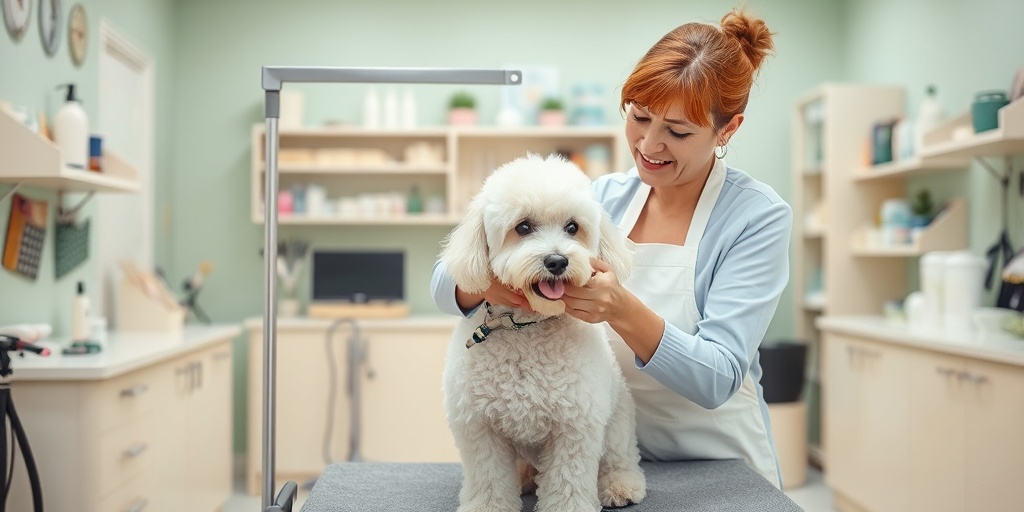
Grooming is an essential part of dog care that goes beyond just keeping your pet looking good. Regular grooming helps maintain your dog’s health and comfort. Here’s what you need to know about dog grooming essentials!
The Importance of Grooming
Grooming your dog regularly can help prevent various health issues, including skin infections, matting, and even dental problems. Here are some key benefits:
- Skin Health: Regular brushing removes dirt, debris, and loose fur, promoting healthy skin and a shiny coat.
- Early Detection: Grooming allows you to check for lumps, bumps, or skin irritations that may require veterinary attention.
- Bonding Time: Grooming can be a great way to bond with your dog, making them feel loved and secure.
Essential Grooming Tools
Having the right tools can make grooming easier and more effective. Here are some must-have grooming essentials:
- Brush: Depending on your dog’s coat type, you may need a slicker brush, bristle brush, or comb.
- Shampoo: Use a dog-specific shampoo that suits your dog’s skin type. Avoid human shampoos, as they can irritate their skin.
- Nail Clippers: Regular nail trimming is crucial to prevent overgrowth and discomfort. Consider using a grinder for a smoother finish.
- Ear Cleaner: Keeping your dog’s ears clean can prevent infections. Use a vet-recommended ear cleaner.
Grooming Frequency
The frequency of grooming depends on your dog’s breed and coat type:
- Short-Haired Dogs: Breeds like Beagles and Boxers may only need grooming every few weeks.
- Medium-Haired Dogs: Breeds such as Cocker Spaniels should be groomed every 4-6 weeks.
- Long-Haired Dogs: Breeds like Shih Tzus and Collies require more frequent grooming, ideally every 2-4 weeks.
By understanding your dog’s exercise needs and grooming essentials, you can ensure they lead a happy, healthy life. Remember, a well-exercised and groomed dog is a happy dog! 🐾
Dog Behavior Insights
Understanding dog behavior is essential for any pet owner. Dogs are not just pets; they are companions that communicate their feelings and needs through various behaviors. By observing and interpreting these behaviors, you can strengthen your bond with your furry friend and ensure a happy, healthy life together. 🐾
Common Dog Behaviors and What They Mean
Dogs exhibit a wide range of behaviors, each with its own meaning. Here are some common behaviors and their interpretations:
- Tail Wagging: A wagging tail often indicates happiness, but the speed and position can convey different emotions. A high, fast wag usually means excitement, while a slow wag can indicate uncertainty.
- Barking: Dogs bark for various reasons, including alerting you to danger, seeking attention, or expressing boredom. Understanding the context is key to addressing the behavior.
- Body Language: A relaxed body posture indicates a happy dog, while a stiff body or raised hackles may signal fear or aggression. Pay attention to your dog’s overall demeanor.
- Chewing: While chewing is a natural behavior, excessive chewing can indicate anxiety or boredom. Providing appropriate chew toys can help redirect this behavior.
Understanding Aggression in Dogs
Aggression can be a concerning behavior in dogs. It can stem from fear, territorial instincts, or even pain. If your dog displays aggressive behavior, it’s crucial to consult a professional trainer or behaviorist. Early intervention can prevent escalation and ensure safety for both your dog and others.
Socialization and Its Importance
Socialization is vital for a dog’s development. Exposing your dog to various environments, people, and other animals can help them become well-adjusted adults. Start socializing your dog early, ideally during their puppy stage, to foster positive interactions. 🐶
Preventive Care for Dogs
Preventive care is the cornerstone of maintaining your dog’s health. Regular check-ups and vaccinations can help catch potential health issues before they become serious. Here’s a comprehensive guide to preventive care for your furry friend.
Regular Veterinary Visits
Annual veterinary check-ups are essential for monitoring your dog’s health. During these visits, your vet will:
- Conduct a physical examination
- Administer vaccinations
- Discuss preventive treatments for parasites like fleas and ticks
- Provide nutritional advice tailored to your dog’s needs
Vaccinations and Preventive Medications
Vaccinations protect your dog from various diseases, including rabies, parvovirus, and distemper. Additionally, preventive medications for heartworms and fleas are crucial, especially in warmer climates where these parasites thrive. 🦠
Nutrition and Diet
A balanced diet is vital for your dog’s overall health. Consult your veterinarian to determine the best food for your dog’s age, size, and activity level. Consider incorporating probiotics for dogs to support digestive health and boost their immune system.
Exercise and Mental Stimulation
Regular exercise is essential for maintaining a healthy weight and preventing behavioral issues. Aim for at least 30 minutes of exercise daily, which can include walks, playtime, or even agility training. Mental stimulation is equally important; puzzle toys and training sessions can keep your dog engaged and happy. 🧠
Grooming and Dental Care
Grooming is not just about aesthetics; it plays a significant role in your dog’s health. Regular brushing helps reduce shedding and prevents matting, while dental care is crucial for preventing periodontal disease. Consider dental chews or regular teeth brushing as part of your dog’s routine.
By understanding your dog’s behavior and committing to preventive care, you can ensure a long, healthy, and happy life for your beloved pet. Remember, a well-cared-for dog is a happy dog! 🐕❤️

Frequently Asked Questions About Dogs
What are the different types of dogs?
There are numerous types of dogs categorized by size, breed, and purpose. Some popular categories include:
- Small dogs – Breeds like Chihuahuas and Pomeranians.
- Big dogs – Breeds such as Great Danes and St. Bernards.
- Working dogs – Breeds like German Shepherds and Siberian Huskies.
- Hypoallergenic dogs – Breeds that are less likely to trigger allergies, such as Poodles and Bichon Frises.
How can I find dogs for adoption?
If you’re looking to adopt a dog, consider visiting local shelters or rescue organizations. Websites like Dogs Trust and other animal welfare groups often have listings of dogs for adoption. You can also check online platforms that connect potential pet owners with available dogs.
What should I know about dog care?
Caring for a dog involves several key responsibilities:
- Providing a balanced diet and fresh water.
- Regular exercise and playtime.
- Routine veterinary check-ups and vaccinations.
- Training and socialization to ensure good behavior.
What are some common health issues in dogs?
Dogs can experience various health issues, including:
- Allergies
- Obesity
- Dental problems
- Arthritis
It’s important to consult with a veterinarian for regular health assessments and to discuss any concerns.
How can I keep my dog entertained?
Keeping your dog entertained is crucial for their mental and physical well-being. Here are some ideas:
- Interactive toys and puzzles.
- Regular walks and outdoor activities.
- Training sessions to learn new tricks.
- Playdates with other dogs.
What are the benefits of having a dog?
Having a dog can bring numerous benefits, including:
- Companionship and emotional support.
- Encouragement to stay active and healthy.
- Improved mood and reduced stress levels.
- Increased opportunities for social interaction.
Can dogs eat human food?
While some human foods are safe for dogs, others can be harmful. Foods like hot dogs and certain fruits can be given in moderation, but always avoid toxic foods like chocolate, grapes, and onions. It’s best to consult your veterinarian before introducing new foods into your dog’s diet.
What should I do if I find a stray dog?
If you encounter a stray dog, consider the following steps:
- Check for identification tags or microchips.
- Contact local animal shelters or rescue organizations.
- Provide food and water if safe to do so.
- Consider fostering or adopting if you can.
How can I train my dog effectively?
Effective dog training involves patience, consistency, and positive reinforcement. Here are some tips:
- Use treats and praise to reward good behavior.
- Keep training sessions short and engaging.
- Be consistent with commands and rules.
- Socialize your dog with other pets and people.
What are some fun activities to do with my dog?
Engaging in fun activities with your dog can strengthen your bond. Consider:
- Going for hikes or nature walks.
- Playing fetch or tug-of-war.
- Visiting a dog park.
- Trying out agility training or dog sports.
How can I ensure my dog is healthy?
To keep your dog healthy, focus on:
- A balanced diet tailored to their age and size.
- Regular exercise to maintain a healthy weight.
- Routine veterinary check-ups and vaccinations.
- Providing mental stimulation through toys and training.
By addressing these common questions, you can ensure a happy and healthy life for your furry friend! 🐾