
What Is Dialysis?
Dialysis is a medical treatment that performs the essential functions of the kidneys when they are no longer able to do so effectively. This process is crucial for individuals suffering from kidney failure, a condition where the kidneys lose their ability to filter waste products and excess fluids from the blood. Without dialysis, these harmful substances can accumulate, leading to serious health complications.
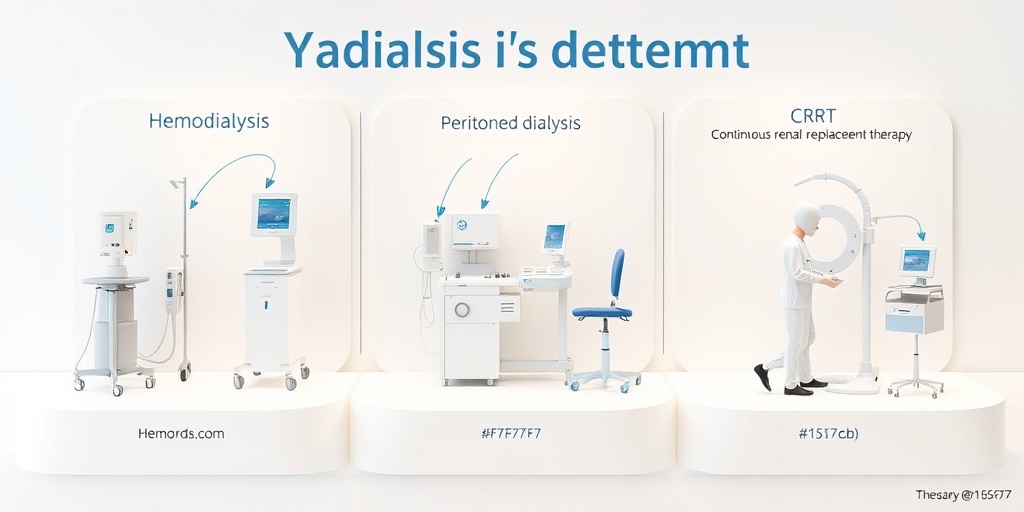
There are two primary types of dialysis: hemodialysis and peritoneal dialysis. Each method has its own unique approach to filtering the blood and managing the body’s fluid balance. Understanding these differences is vital for patients and their families as they navigate treatment options.
Why Is Dialysis Necessary?
Dialysis becomes necessary when the kidneys can no longer maintain the body’s balance of electrolytes, fluids, and waste products. This can occur due to various reasons, including:
- Chronic Kidney Disease (CKD): A progressive loss of kidney function over time.
- Acute Kidney Injury (AKI): A sudden decline in kidney function, often reversible with treatment.
- Diabetes and Hypertension: Both conditions can lead to kidney damage if not managed properly.
For many patients, dialysis is a life-saving treatment that allows them to maintain a semblance of normalcy while managing their health. It is essential to consult healthcare professionals to determine the best course of action tailored to individual needs.
Types of Dialysis
Understanding the different types of dialysis is crucial for patients and their families as they make informed decisions about treatment. The two main types are:
1. Hemodialysis
Hemodialysis is the most common form of dialysis. It involves using a machine to filter waste and excess fluids from the blood. Here’s how it works:
- Access Point: A vascular access point is created, usually in the arm, to allow blood to flow out of the body and into the dialysis machine.
- Filtration Process: The blood is filtered through a dialyzer, which acts as an artificial kidney, removing toxins and excess fluids.
- Return to Body: The cleaned blood is then returned to the body.
Hemodialysis typically occurs three times a week, with each session lasting about three to five hours. While effective, it requires a significant time commitment and can lead to side effects such as fatigue and low blood pressure.
2. Peritoneal Dialysis
Peritoneal dialysis is another effective method that uses the lining of the abdomen (the peritoneum) as a natural filter. Here’s how it works:
- Catheter Placement: A catheter is surgically placed in the abdomen to allow for the introduction of a dialysis solution.
- Dialysis Solution: The solution is infused into the abdominal cavity, where it absorbs waste products and excess fluids.
- Draining: After a set period, the solution is drained, taking the waste with it.
Peritoneal dialysis can be done at home and offers more flexibility than hemodialysis. Patients can perform it manually or use a machine to automate the process overnight. However, it requires careful management to prevent infections and ensure effectiveness.
Choosing the Right Type of Dialysis
Deciding about dialysis involves considering various factors, including:
- Medical Condition: The underlying cause of kidney failure and overall health status.
- Lifestyle: Work, family commitments, and personal preferences play a significant role.
- Support System: The availability of family or friends to assist with treatment can influence the choice.
It’s essential to have open discussions with healthcare providers to weigh the pros and cons of each type of dialysis. Resources like Yesil Health AI (yesilhealth.com) can provide evidence-based answers to help patients make informed decisions.
In conclusion, dialysis is a critical treatment for those with kidney failure, and understanding the different types can empower patients to make the best choices for their health. Whether opting for hemodialysis or peritoneal dialysis, the goal remains the same: to maintain health and improve quality of life. 🌟
Dialysis Symptoms
Dialysis is a medical treatment that performs the functions of the kidneys when they are no longer able to do so effectively. Understanding the symptoms associated with dialysis is crucial for patients and their families. Here are some common symptoms that may arise during dialysis:
Physical Symptoms
- Fatigue: Many patients experience significant fatigue during and after dialysis sessions. This can be due to the removal of toxins from the blood and the physical demands of the treatment.
- Nausea and Vomiting: Some individuals may feel nauseous or even vomit during or after dialysis. This can be a reaction to the treatment or the buildup of toxins prior to the session.
- Muscle Cramps: Muscle cramps are a common complaint among dialysis patients, often occurring during treatment. These cramps can be painful and may require medical intervention.
- Low Blood Pressure: Dialysis can lead to fluctuations in blood pressure, sometimes resulting in hypotension (low blood pressure), which can cause dizziness or fainting.
- Itching: Many patients report persistent itching, which can be caused by the accumulation of waste products in the blood that dialysis is meant to remove.
Emotional and Psychological Symptoms
In addition to physical symptoms, dialysis can also take a toll on mental health. Patients may experience:
- Depression: The chronic nature of kidney disease and the demands of dialysis can lead to feelings of sadness or hopelessness.
- Anxiety: Concerns about health, treatment, and lifestyle changes can contribute to anxiety in patients undergoing dialysis.
- Social Isolation: The time commitment required for dialysis can limit social interactions, leading to feelings of isolation.
Recognizing Symptoms Early
It’s essential for patients and caregivers to recognize these symptoms early. Regular communication with healthcare providers can help manage these symptoms effectively. If you or a loved one is experiencing any of these symptoms, don’t hesitate to reach out to your healthcare team for support and guidance. 🩺
Dialysis Causes
Understanding the causes that lead to the need for dialysis is vital for patients and their families. Dialysis is typically required when the kidneys can no longer filter waste products and excess fluids from the blood effectively. Here are some of the primary causes:
Chronic Kidney Disease (CKD)
The most common cause of dialysis is chronic kidney disease, which can result from various conditions, including:
- Diabetes: High blood sugar levels can damage the kidneys over time, leading to kidney failure.
- Hypertension: Uncontrolled high blood pressure can also harm the kidneys, contributing to CKD.
- Glomerulonephritis: This is an inflammation of the kidney’s filtering units, which can lead to kidney damage.
Acute Kidney Injury (AKI)
Acute kidney injury can occur suddenly due to various factors, including:
- Severe dehydration: This can result from prolonged vomiting, diarrhea, or inadequate fluid intake.
- Infections: Severe infections can lead to kidney damage and the need for dialysis.
- Medications: Certain medications can be toxic to the kidneys, leading to acute injury.
Other Causes
In addition to CKD and AKI, other factors that may necessitate dialysis include:
- Polycystic Kidney Disease: This genetic disorder causes fluid-filled cysts to form in the kidneys, leading to kidney failure.
- Kidney Stones: Large or recurrent kidney stones can cause significant damage to the kidneys.
- Autoimmune Diseases: Conditions like lupus can affect kidney function and lead to the need for dialysis.
Recognizing the causes of kidney failure can help in understanding the importance of early detection and management of kidney-related health issues. If you or someone you know is at risk, regular check-ups and lifestyle modifications can make a significant difference. 🌟

Dialysis Risk Factors
Dialysis is a life-saving treatment for individuals with kidney failure, but it’s essential to understand the risk factors associated with it. Knowing these factors can help patients and their families make informed decisions about their health and treatment options.
Understanding Kidney Disease
Before diving into the risk factors, it’s crucial to understand that dialysis is often a result of chronic kidney disease (CKD). CKD can progress to end-stage renal disease (ESRD), where dialysis becomes necessary. The following are common risk factors that can lead to kidney disease:
- Diabetes: One of the leading causes of kidney failure, diabetes can damage blood vessels in the kidneys over time.
- High Blood Pressure: Uncontrolled hypertension can lead to kidney damage, making dialysis more likely.
- Family History: A genetic predisposition to kidney disease can increase your risk.
- Age: The risk of kidney disease increases with age, particularly for those over 60.
- Obesity: Excess weight can lead to conditions like diabetes and hypertension, which are detrimental to kidney health.
Other Contributing Factors
In addition to the primary risk factors, several other conditions can contribute to the need for dialysis:
- Autoimmune Diseases: Conditions like lupus can affect kidney function.
- Chronic Infections: Recurrent urinary tract infections or other infections can lead to kidney damage.
- Kidney Stones: Frequent kidney stones can cause scarring and damage to the kidneys.
- Medications: Certain medications, especially when used long-term, can harm kidney function.
Recognizing these risk factors is the first step in managing kidney health. Regular check-ups and screenings can help catch potential issues early, allowing for timely intervention.
Dialysis Diagnosis
When it comes to dialysis diagnosis, understanding the process is vital for patients and their families. The diagnosis of kidney failure and the subsequent need for dialysis involves several steps.
Initial Assessment
The journey to a dialysis diagnosis typically begins with an assessment of kidney function. This includes:
- Blood Tests: Tests such as serum creatinine and blood urea nitrogen (BUN) help evaluate kidney function.
- Urine Tests: A urinalysis can reveal abnormalities that indicate kidney issues.
- Imaging Studies: Ultrasounds or CT scans may be used to visualize the kidneys and identify any structural problems.
Understanding Glomerular Filtration Rate (GFR)
The glomerular filtration rate (GFR) is a crucial measure in diagnosing kidney function. A GFR below 15 mL/min indicates that the kidneys are functioning at a critically low level, often necessitating dialysis. Here’s how GFR is categorized:
- Normal: GFR of 90 mL/min or higher
- Mildly Reduced: GFR of 60-89 mL/min
- Moderately Reduced: GFR of 30-59 mL/min
- Severely Reduced: GFR of 15-29 mL/min
- Kidney Failure: GFR below 15 mL/min
Consultation with a Nephrologist
Once kidney failure is suspected, a referral to a nephrologist (a kidney specialist) is essential. The nephrologist will conduct a thorough evaluation, discuss treatment options, and determine if dialysis is necessary. This consultation is crucial for understanding the type of dialysis that may be most suitable, whether it be:
- Hemodialysis: Involves filtering blood through a machine.
- Peritoneal Dialysis: Utilizes the lining of the abdomen to filter blood internally.
In conclusion, understanding the risk factors and the diagnosis process for dialysis can empower patients and their families to take proactive steps in managing kidney health. Regular monitoring and early intervention are key to improving outcomes and quality of life. 🌟

Dialysis Treatment Options
When it comes to managing kidney failure, dialysis is a crucial treatment option that helps perform the essential functions of healthy kidneys. Understanding the various dialysis treatment options available can empower patients and their families to make informed decisions. Let’s explore the two primary types of dialysis: hemodialysis and peritoneal dialysis.
Hemodialysis
Hemodialysis is the most common form of dialysis. It involves using a machine to filter waste and excess fluids from the blood. Here’s how it works:
- Access Point: A vascular access point is created, usually in the arm, allowing blood to flow out to the dialysis machine.
- Filtration Process: The machine filters the blood through a dialyzer, which acts as an artificial kidney.
- Return of Clean Blood: The cleaned blood is then returned to the body.
Hemodialysis typically occurs in a clinic three times a week, with each session lasting about four hours. Some patients may opt for home hemodialysis, which offers more flexibility.
Peritoneal Dialysis
Peritoneal dialysis uses the lining of the abdomen (the peritoneum) as a natural filter. This method allows for more independence and can be done at home. Here’s how it works:
- Catheter Placement: A catheter is surgically placed in the abdomen.
- Dialysate Solution: A special fluid called dialysate is introduced into the abdominal cavity.
- Waste Removal: Waste and excess fluids pass from the blood vessels in the peritoneum into the dialysate.
- Draining: After a set period, the dialysate is drained, taking the waste with it.
Peritoneal dialysis can be done manually several times a day or automatically using a machine at night. This flexibility can be appealing for many patients.
Choosing the Right Option
Deciding between hemodialysis and peritoneal dialysis depends on various factors, including:
- Medical Condition: The patient’s overall health and specific kidney issues.
- Lifestyle: Considerations about work, travel, and daily routines.
- Personal Preference: Some patients prefer the clinic setting, while others enjoy the independence of home dialysis.
Consulting with a healthcare provider is essential to determine the best option tailored to individual needs. 🩺
Dialysis Lifestyle Changes
Living with dialysis requires significant lifestyle adjustments to ensure optimal health and well-being. Here are some key lifestyle changes that can help patients manage their condition effectively.
Dietary Modifications
A well-balanced diet is crucial for dialysis patients. Here are some dietary tips:
- Limit Sodium: Reducing salt intake can help control blood pressure and fluid retention.
- Monitor Potassium and Phosphorus: High levels of these minerals can be harmful, so it’s essential to limit foods rich in them.
- Protein Intake: While protein is vital, dialysis patients may need to adjust their intake based on their treatment type.
Working with a dietitian who specializes in kidney health can provide personalized meal plans. 🍽️
Fluid Management
Managing fluid intake is another critical aspect of life on dialysis. Patients should:
- Track Fluid Intake: Keeping a daily log can help monitor how much fluid is consumed.
- Be Mindful of Thirst: Finding ways to manage thirst, such as chewing gum or sucking on ice chips, can be beneficial.
Physical Activity
Staying active is essential for overall health. Patients should aim to incorporate regular exercise into their routine, such as:
- Walking: A simple yet effective way to stay active.
- Strength Training: Light weights or resistance bands can help maintain muscle mass.
- Stretching: Flexibility exercises can improve mobility and reduce stiffness.
Always consult with a healthcare provider before starting any new exercise program. 🏃♂️
Emotional Well-being
Living with a chronic condition like kidney failure can take a toll on mental health. It’s important to:
- Seek Support: Joining support groups or talking to a counselor can provide emotional relief.
- Practice Stress Management: Techniques such as meditation, yoga, or deep breathing can help manage stress levels.
By making these lifestyle changes, dialysis patients can enhance their quality of life and better manage their condition. 🌟

Frequently Asked Questions about Dialysis and Decision-Making
What is the purpose of dialysis?
Dialysis is a medical treatment that helps perform the functions of the kidneys when they are no longer able to do so effectively. It removes waste products, excess fluid, and toxins from the blood, ensuring that the body maintains a proper balance of electrolytes and fluids.
How do I know if I need dialysis?
The decision about whether to start dialysis is typically made by a healthcare provider based on various factors, including:
- Kidney function: Measured by glomerular filtration rate (GFR).
- Symptoms: Such as fatigue, swelling, or shortness of breath.
- Blood tests: To check levels of waste products like creatinine and urea.
What are the different types of dialysis?
There are two main types of dialysis:
- Hemodialysis: Involves using a machine to filter blood outside the body.
- Peritoneal dialysis: Uses the lining of the abdomen to filter blood inside the body.
How do I decide which type of dialysis is best for me?
The choice between hemodialysis and peritoneal dialysis depends on several factors, including:
- Your medical condition: Some conditions may favor one type over the other.
- Personal lifestyle: Consider how each type fits into your daily routine.
- Support system: Availability of help at home for peritoneal dialysis.
What are the potential side effects of dialysis?
While dialysis can be life-saving, it may also come with side effects, such as:
- Fatigue: Many patients feel tired after treatment.
- Low blood pressure: Can occur during hemodialysis.
- Infections: Risk of infection at the access site.
How often do I need to undergo dialysis?
The frequency of dialysis treatments varies based on the type of dialysis and individual health needs. Typically, hemodialysis is performed three times a week, while peritoneal dialysis may be done daily.
Can I still live a normal life while on dialysis?
Many people on dialysis lead fulfilling lives. With proper management and support, you can continue to work, travel, and engage in social activities. It’s important to communicate with your healthcare team about your lifestyle goals.
What should I discuss with my healthcare provider when deciding about dialysis?
When making decisions about dialysis, consider discussing the following with your healthcare provider:
- Your treatment options: Understand the pros and cons of each type.
- Long-term outlook: What to expect in the future.
- Support resources: Access to counseling or support groups.
Where can I find support while undergoing dialysis?
Support is available through various channels, including:
- Patient support groups: Connect with others who are experiencing similar challenges.
- Online forums: Engage with communities on platforms like Reddit.
- Healthcare providers: Seek guidance from your medical team.
Is there a cure for kidney failure?
Currently, there is no cure for chronic kidney failure, but treatments like dialysis and kidney transplantation can help manage the condition and improve quality of life.
How can I prepare for my first dialysis session?
Preparation for your first session may include:
- Understanding the process: Ask your healthcare team about what to expect.
- Bringing comfort items: Such as a book or music to help pass the time.
- Arranging transportation: Ensure you have a way to get to and from your appointments.
If you have more questions or concerns about dialysis and decision-making, don’t hesitate to reach out to your healthcare provider for personalized advice and support. 😊