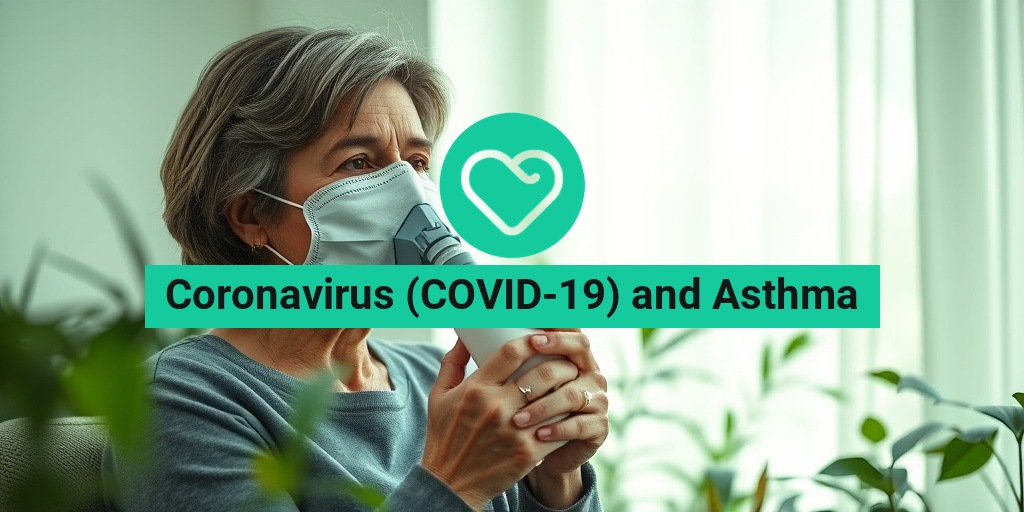
What Is Asthma?
Asthma is a chronic respiratory condition that affects the airways in the lungs, making them inflamed and narrowed. This can lead to difficulty breathing, coughing, wheezing, and a feeling of tightness in the chest. Understanding asthma is crucial, especially for those who may be at higher risk during respiratory illnesses like Coronavirus (COVID-19).
Symptoms of Asthma
The symptoms of asthma can vary from person to person and may include:
- Coughing: Often worse at night or early morning.
- Wheezing: A whistling sound when breathing.
- Shortness of Breath: Difficulty in breathing, especially during physical activity.
- Chest Tightness: A feeling of pressure or constriction in the chest.
Triggers of Asthma
Asthma can be triggered by various factors, including:
- Allergens: Pollen, dust mites, mold, and pet dander.
- Air Pollution: Smoke, strong odors, and chemical fumes.
- Respiratory Infections: Colds and flu can exacerbate symptoms.
- Exercise: Physical activity can trigger asthma in some individuals.
Managing asthma effectively involves recognizing these triggers and working with healthcare providers to develop a personalized action plan. For those with asthma, staying informed about respiratory health is essential, especially in the context of the ongoing pandemic.
COVID-19 Overview
Coronavirus (COVID-19) is a highly contagious virus that primarily affects the respiratory system. It was first identified in December 2019 and has since led to a global pandemic, affecting millions of people worldwide. Understanding COVID-19 is vital, particularly for individuals with pre-existing conditions like asthma.
Symptoms of COVID-19
The symptoms of COVID-19 can range from mild to severe and may include:
- Fever or Chills: A common early sign of infection.
- Cough: A persistent dry cough is typical.
- Shortness of Breath: This can be particularly concerning for those with asthma.
- Fatigue: Many individuals report feeling unusually tired.
- Loss of Taste or Smell: A distinctive symptom of COVID-19.
How COVID-19 Affects Individuals with Asthma
Individuals with asthma may be at a higher risk for severe illness if they contract COVID-19. The virus can exacerbate respiratory symptoms, leading to complications. It is crucial for those with asthma to take preventive measures, such as:
- Staying Informed: Keep up with the latest health guidelines and recommendations.
- Vaccination: Consult with healthcare providers about COVID-19 vaccinations.
- Managing Asthma: Ensure asthma is well-controlled with prescribed medications.
For more information on managing asthma and understanding COVID-19, consider visiting Yesil Health AI, a valuable resource for evidence-based health answers. Staying proactive about your health can make a significant difference in navigating these challenging times.
In conclusion, understanding both asthma and COVID-19 is essential for individuals affected by these conditions. By staying informed and taking appropriate precautions, you can better protect yourself and manage your health effectively. 🌟

Asthma Symptoms
Asthma is a chronic respiratory condition that affects millions of people worldwide. Understanding the symptoms of asthma is crucial for effective management and treatment. Here are the most common symptoms to watch for:
1. Shortness of Breath
Individuals with asthma often experience shortness of breath, especially during physical activities or at night. This sensation can range from mild to severe and may lead to feelings of anxiety or panic.
2. Wheezing
Wheezing is a high-pitched whistling sound that occurs when breathing, particularly during exhalation. It is a common symptom of asthma and indicates that the airways are narrowed or obstructed.
3. Coughing
A persistent cough, especially at night or early in the morning, can be a sign of asthma. This cough may be dry or produce mucus and often worsens with exercise or exposure to allergens.
4. Chest Tightness
Many asthma sufferers report a feeling of tightness in the chest, which can be uncomfortable and alarming. This sensation may feel like pressure or constriction and can vary in intensity.
5. Increased Mucus Production
Asthma can lead to increased production of mucus in the airways, which can cause further obstruction and difficulty breathing. This symptom often accompanies coughing and wheezing.
6. Symptoms Triggered by Allergens or Irritants
Asthma symptoms can be triggered by various factors, including:
- Allergens (pollen, dust mites, pet dander)
- Air pollution and smoke
- Cold air or weather changes
- Physical activity
- Respiratory infections
Recognizing these symptoms early can help individuals manage their asthma effectively and seek appropriate medical attention when necessary. 🌬️
COVID-19 Symptoms
COVID-19, caused by the novel coronavirus, has a range of symptoms that can vary significantly from person to person. Understanding these symptoms is essential for early detection and treatment. Here’s a breakdown of the most common symptoms associated with COVID-19:
1. Fever or Chills
A fever is one of the most common symptoms of COVID-19. It may be accompanied by chills and can indicate that the body is fighting off an infection.
2. Cough
A persistent cough is another hallmark symptom of COVID-19. This cough is typically dry and can worsen over time, making it difficult to breathe.
3. Shortness of Breath or Difficulty Breathing
Similar to asthma, COVID-19 can cause shortness of breath. This symptom can be particularly concerning, especially for individuals with pre-existing respiratory conditions like asthma.
4. Fatigue
Many people infected with COVID-19 report feeling an overwhelming sense of fatigue. This can be debilitating and may last for weeks even after other symptoms have resolved.
5. Muscle or Body Aches
Muscle aches are common in COVID-19 patients and can contribute to the overall feeling of malaise. This symptom can vary in intensity and may be accompanied by headaches.
6. Loss of Taste or Smell
A sudden loss of taste or smell (anosmia) has been identified as a unique symptom of COVID-19. This can occur without nasal congestion and may be one of the first signs of infection.
7. Other Symptoms
Other symptoms that may occur include:
- Sore throat
- Congestion or runny nose
- Nausea or vomiting
- Diarrhea
It’s important to note that symptoms can appear 2-14 days after exposure to the virus. If you experience any of these symptoms, especially if you have asthma, it’s crucial to seek medical advice promptly. 🦠

Asthma and COVID-19 Risks
The emergence of Coronavirus (COVID-19) has raised significant concerns for individuals with pre-existing health conditions, particularly those with asthma. Understanding the risks associated with asthma in the context of COVID-19 is crucial for both patients and caregivers.
Understanding the Connection
Asthma is a chronic respiratory condition that affects the airways, making them inflamed and narrowed. This can lead to difficulty in breathing, wheezing, and coughing. When a person with asthma contracts COVID-19, the virus can exacerbate these symptoms, leading to more severe respiratory issues. Studies have shown that individuals with asthma may be at a higher risk for complications if they contract the virus, although the exact relationship is still being researched.
Increased Vulnerability
People with asthma may face increased vulnerability to COVID-19 for several reasons:
- Airway Inflammation: Asthma causes chronic inflammation in the airways, which can make it harder for the body to fight off respiratory infections.
- Respiratory Complications: COVID-19 primarily affects the respiratory system, and individuals with asthma may experience more severe symptoms.
- Medication Interactions: Some asthma medications may affect the immune response, potentially influencing how the body reacts to the virus.
Statistics and Studies
Research indicates that while asthma is a common condition, not all individuals with asthma are at equal risk for severe COVID-19 outcomes. According to various studies, the severity of asthma, the presence of other comorbidities, and the overall health of the individual play significant roles in determining risk levels. For instance, individuals with poorly controlled asthma or those who have had recent exacerbations may be at a higher risk.
Managing Asthma During COVID-19
For individuals with asthma, managing the condition effectively during the COVID-19 pandemic is essential. Here are some strategies to help maintain control over asthma symptoms while minimizing the risk of COVID-19 infection.
Stay Informed and Prepared
Keeping up-to-date with the latest information regarding COVID-19 and asthma is vital. This includes understanding local health guidelines, vaccination recommendations, and any changes in treatment protocols. Here are some steps to consider:
- Consult Your Healthcare Provider: Regular check-ins with your doctor can help ensure your asthma management plan is effective and up-to-date.
- Vaccination: Discuss the COVID-19 vaccine with your healthcare provider. Vaccination can significantly reduce the risk of severe illness.
- Emergency Plan: Have an action plan in place for asthma attacks and COVID-19 symptoms. Know when to seek medical help.
Maintain Asthma Control
Effective asthma management is crucial during this time. Here are some tips to help keep your asthma under control:
- Adhere to Your Medication: Take your prescribed medications as directed, including inhalers and any other treatments.
- Avoid Triggers: Identify and avoid asthma triggers, such as allergens, smoke, and pollution, which can worsen symptoms.
- Practice Good Hygiene: Regular handwashing and wearing masks can help reduce the risk of contracting COVID-19.
Monitor Your Symptoms
Keeping a close eye on your asthma symptoms is essential, especially during the pandemic. Use a peak flow meter to monitor your lung function and recognize any changes early. If you notice an increase in symptoms or any signs of COVID-19, such as fever, cough, or difficulty breathing, contact your healthcare provider immediately.
Emotional Well-being
The pandemic can take a toll on mental health, especially for those with chronic conditions like asthma. It’s important to prioritize your emotional well-being:
- Stay Connected: Reach out to friends and family for support, even if it’s through virtual means.
- Practice Relaxation Techniques: Engage in activities like yoga, meditation, or deep breathing exercises to help manage stress.
- Seek Professional Help: If feelings of anxiety or depression become overwhelming, consider speaking with a mental health professional.
By staying informed, managing asthma effectively, and prioritizing mental health, individuals with asthma can navigate the challenges posed by COVID-19 more confidently. Remember, your health is a priority, and taking proactive steps can make a significant difference. 🌟
Vaccination for Asthma Patients
As the world continues to navigate the challenges posed by Coronavirus (COVID-19), it’s essential for individuals with underlying health conditions, such as asthma, to understand the importance of vaccination. Asthma patients may be at a higher risk of severe illness if they contract COVID-19, making vaccination a crucial step in protecting their health.
Why Vaccination is Important for Asthma Patients
Vaccination against COVID-19 is vital for asthma patients for several reasons:
- Reduced Risk of Severe Illness: Studies have shown that vaccinated individuals are less likely to experience severe symptoms if they contract the virus.
- Protection Against Variants: Vaccines have been effective in providing protection against various COVID-19 variants, which is particularly important for those with compromised respiratory systems.
- Community Immunity: By getting vaccinated, asthma patients contribute to community immunity, helping to protect those who are unable to receive the vaccine.
Types of Vaccines Available
There are several COVID-19 vaccines available, including:
- mRNA Vaccines: Such as Pfizer-BioNTech and Moderna, which have shown high efficacy rates.
- Viral Vector Vaccines: Like Johnson & Johnson, which uses a different approach to stimulate an immune response.
- Protein Subunit Vaccines: These vaccines contain harmless pieces of the virus to trigger an immune response.
It’s essential for asthma patients to consult with their healthcare provider to determine which vaccine is best suited for their individual health needs.
Potential Side Effects
While vaccines are generally safe, some individuals may experience side effects. Common side effects include:
- Pain at the injection site
- Fatigue
- Headache
- Muscle pain
- Fever
Asthma patients should monitor their symptoms and consult their doctor if they experience any severe or prolonged side effects. It’s important to remember that the benefits of vaccination far outweigh the risks, especially for those with respiratory conditions.
Preventive Measures for Asthma Sufferers
In addition to vaccination, asthma patients should adopt preventive measures to minimize their risk of contracting COVID-19 and manage their asthma effectively. Here are some key strategies:
Maintain Good Hygiene Practices
Practicing good hygiene is essential for everyone, especially for those with asthma:
- Regular Handwashing: Wash hands frequently with soap and water for at least 20 seconds, or use hand sanitizer with at least 60% alcohol.
- Avoid Touching Face: Minimize touching your face, especially your eyes, nose, and mouth, to reduce the risk of virus transmission.
- Wear Masks: Wearing a mask in crowded or enclosed spaces can help protect against respiratory infections.
Manage Asthma Symptoms
Effective asthma management is crucial during the pandemic:
- Follow Your Asthma Action Plan: Ensure you have a personalized asthma action plan in place and follow it diligently.
- Keep Medications Handy: Always have your rescue inhaler and other prescribed medications accessible.
- Avoid Triggers: Identify and avoid asthma triggers, such as allergens, smoke, and strong odors.
Stay Informed and Connected
Staying informed about COVID-19 and its impact on asthma is vital:
- Follow Reliable Sources: Keep up with updates from trusted health organizations like the CDC and WHO.
- Communicate with Healthcare Providers: Regularly check in with your healthcare provider to discuss any concerns or changes in your condition.
- Join Support Groups: Connecting with others who have asthma can provide emotional support and valuable information.
By taking these preventive measures and getting vaccinated, asthma patients can significantly reduce their risk of severe illness from COVID-19 and maintain better overall health. 🌟

Frequently Asked Questions about Coronavirus (COVID-19) and Asthma
1. How does COVID-19 affect individuals with asthma?
Individuals with asthma may experience more severe symptoms if they contract COVID-19. The virus can exacerbate respiratory issues, leading to increased difficulty in breathing and other complications. It’s crucial for those with asthma to manage their condition effectively and follow public health guidelines.
2. Should people with asthma get vaccinated against COVID-19?
Yes, individuals with asthma are encouraged to get vaccinated against COVID-19. Vaccination can help reduce the risk of severe illness and complications associated with the virus. Always consult with your healthcare provider for personalized advice.
3. What precautions should individuals with asthma take during the pandemic?
- Continue using prescribed asthma medications as directed.
- Avoid exposure to known triggers, such as allergens and smoke.
- Practice good hygiene, including frequent handwashing and wearing masks in crowded places.
- Stay informed about local COVID-19 guidelines and recommendations.
4. Are asthma medications safe to use during COVID-19?
Most asthma medications are safe to use during the pandemic. Inhaled corticosteroids and bronchodilators are essential for managing asthma symptoms. However, consult your healthcare provider if you have concerns about your specific medications.
5. Can COVID-19 trigger asthma attacks?
While COVID-19 primarily affects the respiratory system, it can potentially trigger asthma attacks in susceptible individuals. It’s important to monitor your symptoms closely and seek medical attention if you experience worsening asthma symptoms.
6. What should I do if I develop COVID-19 symptoms?
If you develop symptoms of COVID-19, such as fever, cough, or difficulty breathing, contact your healthcare provider immediately. They can provide guidance on testing and treatment options, especially for those with underlying conditions like asthma.
7. Is it safe for children with asthma to return to school during the pandemic?
Returning to school can be safe for children with asthma, provided that appropriate precautions are taken. Parents should work with school officials to ensure that safety measures are in place, including mask-wearing and social distancing.
8. How can I manage my asthma during the COVID-19 pandemic?
- Keep your asthma action plan updated.
- Stay on top of your medications and avoid missing doses.
- Engage in regular physical activity, as permitted.
- Maintain a healthy diet to support your immune system.
9. Are there any specific symptoms of COVID-19 that are different for asthma patients?
While common COVID-19 symptoms include fever and cough, individuals with asthma may notice an increase in wheezing or shortness of breath. If these symptoms worsen, seek medical advice promptly.
10. Where can I find reliable information about COVID-19 and asthma?
Reliable information can be found on the websites of health organizations such as the World Health Organization (WHO) and the Centers for Disease Control and Prevention (CDC). Always refer to trusted sources for the latest updates and guidelines.