What Is Chalazia?
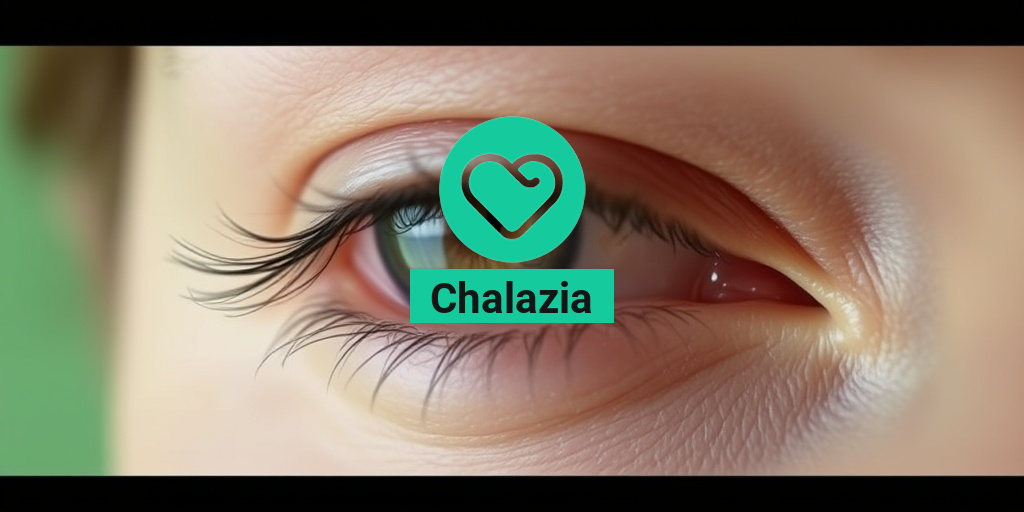
Chalazia, often referred to in the plural form as chalazion, are small, painless lumps that can develop on the eyelid. They occur when the oil glands in the eyelid become blocked, leading to inflammation and swelling. While they are not typically serious, they can be bothersome and may affect your appearance or vision if they grow large enough.
Chalazia are different from styes, which are painful and usually caused by bacterial infections. Understanding the distinction between chalazion vs stye is crucial for proper treatment. A chalazion is generally a chronic condition, while a stye is acute and often resolves on its own.
Causes of Chalazia
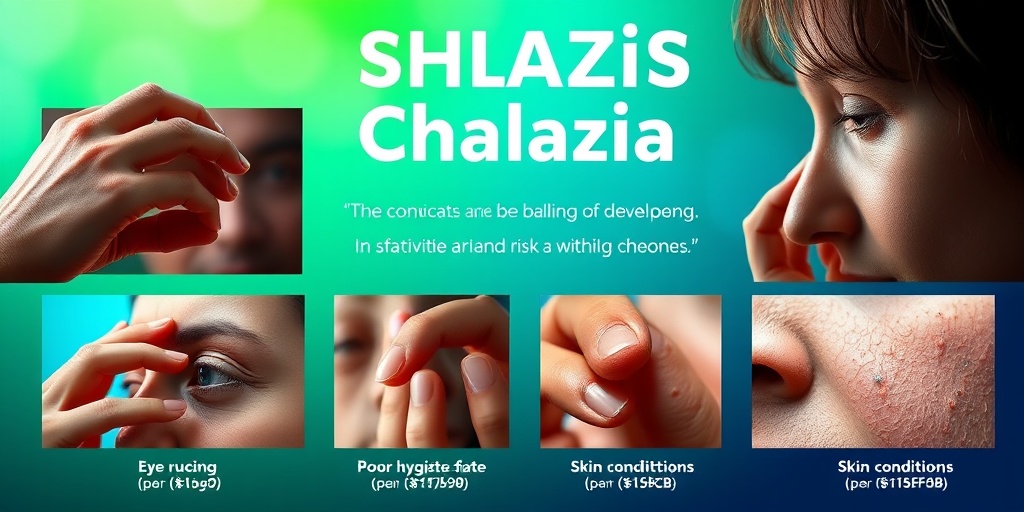
The primary cause of chalazia is the blockage of the meibomian glands, which are responsible for producing the oil that keeps your tears from evaporating too quickly. Factors that can contribute to this blockage include:
- Poor eyelid hygiene
- Skin conditions like acne or rosacea
- Allergies
- Chronic blepharitis (inflammation of the eyelid)
While anyone can develop a chalazion, they are more common in individuals with oily skin or those who frequently touch their eyes. If you find yourself dealing with recurrent chalazia, it may be worth consulting a healthcare professional for further evaluation.
Chalazia Symptoms
Recognizing the symptoms of chalazia is essential for timely management. The most common symptoms include:
- Painless lump: The most noticeable symptom is a small, firm bump on the eyelid that is usually painless.
- Swelling: The eyelid may appear swollen or inflamed, especially if the chalazion is large.
- Redness: The area around the chalazion may become red, indicating inflammation.
- Blurred vision: In some cases, if the chalazion grows large enough, it can press against the eyeball, causing temporary blurred vision.
When to Seek Medical Attention
While chalazia are generally harmless, there are instances when you should consult a healthcare provider:
- If the chalazion persists for more than a few weeks
- If it becomes painful or shows signs of infection, such as increased redness or discharge
- If your vision is affected
For those seeking information on chalazion treatment, options range from warm compresses to more invasive procedures like chalazion removal if conservative measures fail. Always consult a healthcare professional for personalized advice.
For more detailed information and evidence-based health answers, consider visiting Yesil Health AI, a valuable resource for understanding various health conditions, including chalazia.
In summary, chalazia are common eyelid lumps that can be managed effectively with proper care and attention. If you experience symptoms, don’t hesitate to reach out to a healthcare provider for guidance. Remember, maintaining good eyelid hygiene can help prevent these pesky lumps from forming in the first place! 😊

Chalazia Causes
A chalazion is a common eyelid condition that occurs when a meibomian gland becomes blocked. Understanding the causes of chalazia can help in preventing their occurrence and managing symptoms effectively. Here are some of the primary causes:
Blocked Meibomian Glands
The most significant cause of a chalazion is the blockage of the meibomian glands, which are responsible for producing the oily layer of tears. When these glands become clogged with oil, debris, or dead skin cells, it can lead to inflammation and the formation of a chalazion. This blockage can occur due to:
- Excessive oil production: Overactive glands can produce more oil than necessary, leading to blockages.
- Inadequate eyelid hygiene: Poor eyelid care can result in the accumulation of debris and bacteria.
- Skin conditions: Conditions like seborrheic dermatitis or acne can contribute to gland blockage.
Infections
While chalazia are not infections themselves, they can develop following an infection of the eyelid, such as a stye. A stye is an acute infection of the eyelid that can lead to inflammation and swelling. If the infection resolves but the gland remains blocked, a chalazion may form. This highlights the importance of treating any eyelid infections promptly.
Allergies and Irritants
Allergic reactions to substances like pollen, dust, or pet dander can cause inflammation of the eyelids. This inflammation can lead to swelling and blockage of the meibomian glands. Additionally, exposure to irritants such as smoke, pollution, or harsh chemicals can exacerbate the condition, making it more likely for chalazia to develop.
Other Contributing Factors
Several other factors can contribute to the formation of chalazia:
- Age: Chalazia are more common in adults than in children.
- Chronic conditions: Conditions like diabetes or rosacea can increase the risk of developing chalazia.
- Contact lens wear: Improper hygiene while handling contact lenses can lead to eyelid irritation and blockage.
Chalazia Risk Factors
Understanding the risk factors associated with chalazia can help individuals take preventive measures. Here are some key risk factors to consider:
Age and Gender
Chalazia can occur at any age, but they are more prevalent in adults, particularly those between the ages of 30 and 50. Interestingly, studies suggest that women may be at a slightly higher risk than men, possibly due to hormonal changes that affect oil production in the glands.
Skin Conditions
Individuals with certain skin conditions, such as rosacea or seborrheic dermatitis, are at a higher risk of developing chalazia. These conditions can lead to increased oil production and inflammation, making gland blockage more likely.
Chronic Health Issues
Chronic health conditions, particularly those that affect the immune system, can increase the likelihood of chalazia. For example, individuals with diabetes may experience changes in their skin and gland function, making them more susceptible to blockages.
Environmental Factors
Exposure to environmental irritants, such as smoke, dust, and pollution, can contribute to the development of chalazia. Additionally, individuals who work in environments with high levels of dust or chemicals may be at an increased risk.
Poor Eyelid Hygiene
Maintaining proper eyelid hygiene is crucial in preventing chalazia. Individuals who do not regularly clean their eyelids or who wear makeup without proper removal may find themselves at a higher risk. Regular cleaning can help prevent the buildup of oils and debris that lead to gland blockages.
Contact Lens Use
Wearing contact lenses can also be a risk factor for chalazia, especially if proper hygiene practices are not followed. It’s essential to wash hands before handling lenses and to clean lenses according to the manufacturer’s instructions to minimize the risk of irritation and blockage.
By being aware of these causes and risk factors, individuals can take proactive steps to maintain their eye health and reduce the likelihood of developing chalazia. Regular check-ups with an eye care professional can also help in early detection and management of this condition. 🩺👁️
Chalazia Diagnosis
Chalazia, often confused with styes, are small lumps that form on the eyelid due to blocked oil glands. Understanding how to diagnose a chalazion is crucial for effective treatment. Here’s what you need to know about the diagnosis process.
Recognizing Symptoms
The first step in diagnosing a chalazion is recognizing its symptoms. Common signs include:
- Swelling: A noticeable bump on the eyelid that may vary in size.
- Tenderness: The area around the lump may feel tender or sore.
- Redness: The eyelid may appear red or inflamed.
- Discomfort: Some individuals may experience mild discomfort or irritation.
Consulting a Healthcare Professional
If you suspect you have a chalazion, it’s important to consult a healthcare professional. During your visit, the doctor will:
- Conduct a Physical Examination: The doctor will examine your eyelid and assess the lump’s characteristics.
- Review Medical History: They may ask about your symptoms, any previous eye conditions, and your overall health.
- Differentiate from Other Conditions: It’s essential to distinguish a chalazion from other eyelid issues, such as styes or hordeolums, which may require different treatments.
Diagnostic Tests
In most cases, a physical examination is sufficient for diagnosis. However, if the chalazion persists or worsens, further tests may be necessary. These can include:
- Biopsy: In rare cases, a small sample of tissue may be taken to rule out other conditions.
- Imaging Tests: If there are concerns about underlying issues, imaging tests like ultrasound may be recommended.
Early diagnosis is key to managing chalazia effectively, so don’t hesitate to seek medical advice if you notice any concerning symptoms! 👁️
Chalazia Treatment Options
Once diagnosed, understanding the treatment options for chalazia is essential for effective management. Here’s a comprehensive look at the various treatments available.
Home Remedies
For many, chalazia can be managed at home with simple remedies. Here are some effective options:
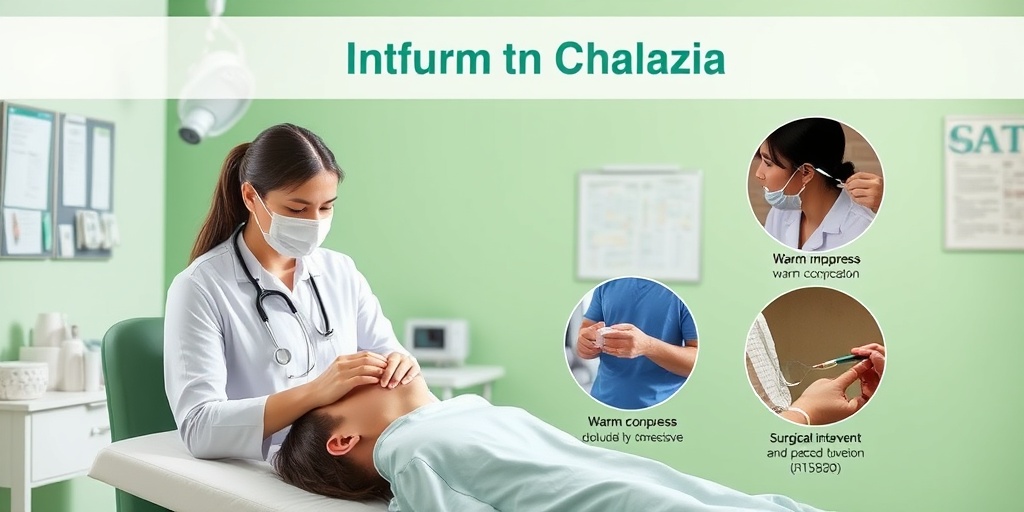
- Warm Compress: Applying a warm compress to the affected eyelid for 10-15 minutes several times a day can help soften the hardened oil and promote drainage.
- Gentle Massage: After using a warm compress, gently massaging the area can help encourage the oil to flow out of the blocked gland.
- Good Hygiene: Keeping the eyelid clean and avoiding touching or rubbing the eyes can prevent further irritation.
Over-the-Counter Treatments
If home remedies don’t provide relief, over-the-counter treatments may be beneficial. These include:
- Anti-inflammatory Eye Drops: These can help reduce swelling and discomfort.
- Topical Antibiotics: If there’s a risk of infection, your doctor may recommend antibiotic ointments.
Medical Interventions
In cases where chalazia do not respond to home treatments, medical interventions may be necessary:
- Injections: Corticosteroid injections can reduce inflammation and help shrink the chalazion.
- Surgical Removal: If the chalazion is persistent or causing significant discomfort, a minor surgical procedure may be performed to remove it. This is typically done under local anesthesia and is a quick outpatient procedure.
Preventive Measures
To reduce the risk of developing chalazia in the future, consider the following preventive measures:
- Maintain Eye Hygiene: Regularly clean your eyelids, especially if you wear makeup or have oily skin.
- Manage Skin Conditions: Conditions like blepharitis can increase the risk of chalazia, so managing these conditions is crucial.
- Stay Hydrated: Drinking plenty of water can help maintain healthy oil production in the glands.
Understanding the treatment options for chalazia empowers you to take control of your eye health. If you experience persistent symptoms, don’t hesitate to reach out to a healthcare professional for guidance! 🌟
Chalazia Home Remedies
Chalazia, often mistaken for styes, are small lumps that can form on the eyelid due to blocked oil glands. While they are generally harmless, they can be uncomfortable and unsightly. Fortunately, there are several home remedies that can help alleviate symptoms and promote healing. Here are some effective options:
Warm Compress
One of the simplest and most effective home remedies for chalazia is the use of a warm compress. This method helps to loosen any blockage in the oil glands and promotes drainage.
- How to do it: Soak a clean cloth in warm water, wring it out, and place it over the affected eyelid for about 10-15 minutes.
- Frequency: Repeat this process 3-4 times a day for optimal results.
Massage the Area
Gently massaging the area around the chalazion can also help to encourage drainage. This should be done with clean hands to avoid introducing bacteria.
- Technique: After applying a warm compress, use your fingertip to gently massage the lump in a circular motion.
- Duration: Spend about 5 minutes on this massage, being careful not to apply too much pressure.
Tea Bags
Using tea bags, particularly green tea or chamomile, can provide additional benefits due to their anti-inflammatory properties.
- How to use: Steep a tea bag in hot water, let it cool slightly, and then place it on the chalazion for 10-15 minutes.
- Benefits: The antioxidants in tea can help reduce inflammation and promote healing.
Essential Oils
Some essential oils, such as lavender or tea tree oil, have natural antibacterial properties that may help with chalazia.
- Application: Dilute a few drops of essential oil in a carrier oil (like coconut oil) and apply it gently around the chalazion.
- Note: Always perform a patch test first to ensure you don’t have an allergic reaction.
Maintain Eye Hygiene
Keeping your eyelids clean is crucial in preventing further irritation and promoting healing. Use a gentle eyelid scrub or baby shampoo diluted with water to clean the area.
- How to clean: Use a cotton ball or pad to apply the solution, gently wiping the eyelid.
- Frequency: Do this once daily until the chalazion improves.
Chalazia Prevention Tips
Preventing chalazia is often easier than treating them. By adopting a few simple habits, you can significantly reduce your risk of developing these pesky lumps. Here are some effective prevention tips:
Practice Good Eye Hygiene
Maintaining cleanliness around your eyes is essential. Regularly wash your face and eyelids to remove dirt and oil that can clog glands.
- Tip: Use a mild soap or eyelid scrub specifically designed for this purpose.
Avoid Touching Your Eyes
Our hands can carry bacteria and oils that may contribute to chalazia formation. Try to avoid touching your eyes, especially if your hands are not clean.
- Reminder: If you must touch your eyes, ensure your hands are thoroughly washed.
Manage Skin Conditions
If you have skin conditions like rosacea or seborrheic dermatitis, managing these can help prevent chalazia. Consult with a dermatologist for appropriate treatments.
Stay Hydrated and Maintain a Healthy Diet
A well-balanced diet rich in vitamins and minerals can support overall eye health. Foods high in omega-3 fatty acids, such as fish and flaxseeds, are particularly beneficial.
- Hydration: Drink plenty of water to keep your body and skin hydrated.
Regular Eye Check-ups
Regular visits to an eye care professional can help catch any potential issues early. They can provide personalized advice and treatment options tailored to your needs.
By incorporating these home remedies and prevention tips into your routine, you can effectively manage and reduce the risk of chalazia. Remember, if symptoms persist or worsen, it’s important to consult with a healthcare professional for further evaluation and treatment. 🩺👁️

Frequently Asked Questions about Chalazia
What is a chalazion?
A chalazion is a small, painless lump that forms on the eyelid due to a blocked oil gland. Unlike a stye, which is usually painful and caused by an infection, a chalazion is typically not associated with any discomfort.
What causes a chalazion?
Chalazia occur when the meibomian glands, which produce oil to lubricate the eye, become blocked. This blockage can be caused by various factors, including:
- Skin conditions such as acne or rosacea
- Allergies
- Chronic blepharitis (inflammation of the eyelid)
- Poor hygiene
How is a chalazion treated?
Treatment options for a chalazion may include:
- Warm compresses to help unblock the gland
- Massage of the eyelid
- Topical or oral medications if inflammation persists
- Surgical removal in persistent cases
How does a chalazion differ from a stye?
While both a chalazion and a stye can appear on the eyelid, they are different conditions. A stye is usually painful and caused by a bacterial infection, whereas a chalazion is generally painless and results from a blocked oil gland.
Can a chalazion go away on its own?
Yes, many chalazia resolve on their own without treatment. However, if a chalazion persists for several weeks or causes vision problems, it is advisable to consult a healthcare professional.
Is surgery necessary for chalazion removal?
Surgery is typically considered a last resort for chalazia that do not respond to other treatments. A healthcare provider can evaluate the situation and recommend the best course of action.
Are there any home remedies for chalazia?
Some home remedies that may help alleviate symptoms include:
- Applying warm compresses for 10-15 minutes several times a day
- Gently massaging the eyelid to promote drainage
- Maintaining good eyelid hygiene
When should I see a doctor for a chalazion?
If you experience persistent swelling, pain, or changes in vision, it is important to seek medical advice. A healthcare professional can provide appropriate treatment options.
Can chalazia occur in children?
Yes, chalazia can occur in children, although they are more common in adults. If a child develops a chalazion, it is advisable to consult a pediatrician or an eye specialist for evaluation and treatment.
Are there any complications associated with chalazia?
While chalazia are generally harmless, complications can arise if they become infected or if they affect vision. Regular monitoring and appropriate treatment can help prevent such issues.