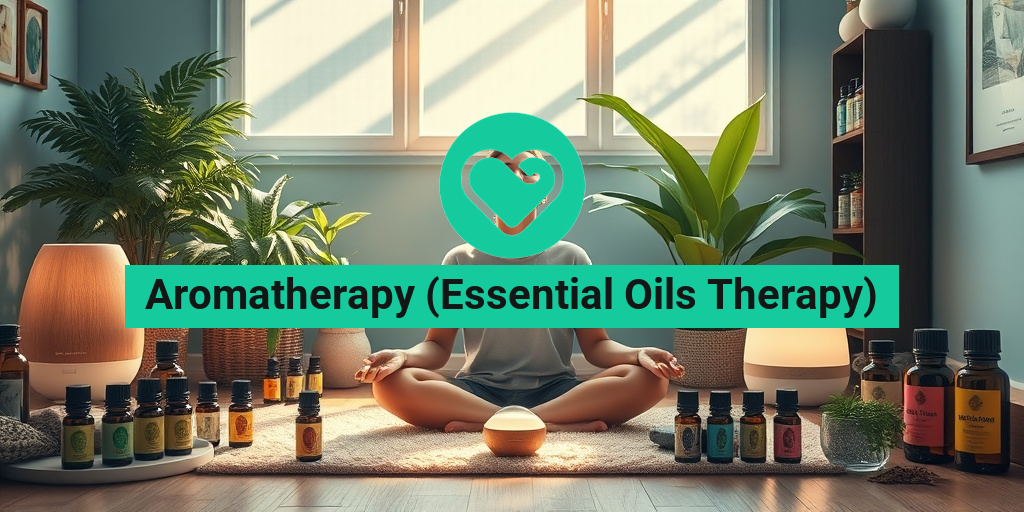
What Is Aromatherapy?
Aromatherapy, also known as essential oils therapy, is a holistic healing practice that utilizes the natural aromatic compounds found in plants to promote physical and emotional well-being. This ancient practice dates back thousands of years, with roots in various cultures, including Egyptian, Chinese, and Indian traditions. Today, aromatherapy has gained popularity worldwide as a complementary therapy for various health conditions.
The essence of aromatherapy lies in the use of essential oils, which are concentrated extracts derived from flowers, leaves, stems, and roots of plants. These oils are typically inhaled, applied topically, or used in diffusers to create a soothing atmosphere. Each essential oil has its unique properties and benefits, making it essential to understand how to use them effectively.
How Does Aromatherapy Work?
The therapeutic effects of aromatherapy are believed to stem from the interaction between the olfactory system (our sense of smell) and the brain. When essential oils are inhaled, they stimulate the olfactory receptors, sending signals to the limbic system, which is responsible for emotions, memories, and physiological responses. This connection can lead to various effects, such as relaxation, mood enhancement, and even pain relief.
Common Methods of Using Aromatherapy
- Diffusion: Using a diffuser to disperse essential oils into the air, creating a fragrant environment.
- Topical Application: Diluting essential oils with a carrier oil and applying them directly to the skin.
- Inhalation: Directly inhaling essential oils from the bottle or a cotton ball for immediate effects.
- Bathing: Adding essential oils to bathwater for a relaxing soak.
Aromatherapy Benefits
The benefits of aromatherapy are vast and varied, making it a popular choice for those seeking natural remedies for their health concerns. Here are some of the most notable advantages:
1. Stress Relief and Relaxation
One of the most well-known benefits of aromatherapy is its ability to reduce stress and promote relaxation. Essential oils like lavender, chamomile, and bergamot are particularly effective in calming the mind and body. Inhaling these scents can help lower cortisol levels, leading to a more relaxed state. 🌿
2. Improved Sleep Quality
Aromatherapy can also aid in improving sleep quality. Essential oils such as lavender and cedarwood have sedative properties that can help individuals fall asleep faster and enjoy deeper sleep. Incorporating these oils into your bedtime routine can create a peaceful environment conducive to rest. 💤
3. Enhanced Mood and Emotional Well-being
Essential oils can have a profound impact on our emotions. Citrus oils like orange and lemon are known for their uplifting properties, while oils like frankincense and ylang-ylang can promote feelings of peace and tranquility. Using these oils in a diffuser or during a massage can enhance your mood and emotional well-being. 😊
4. Relief from Headaches and Migraines
Aromatherapy can provide relief from headaches and migraines. Essential oils such as peppermint and eucalyptus have analgesic properties that can help alleviate pain. Applying diluted oils to the temples or inhaling their scent can offer quick relief. 💆♀️
5. Support for Respiratory Health
Many essential oils possess antimicrobial and anti-inflammatory properties, making them beneficial for respiratory health. Oils like tea tree, eucalyptus, and rosemary can help clear congestion and promote easier breathing. Using these oils in a steam inhalation or diffuser can provide significant relief during cold and allergy seasons. 🌬️
Are Essential Oils Aromatherapy Safe?
While aromatherapy is generally considered safe, it is essential to use essential oils properly. Always dilute essential oils with a carrier oil before applying them to the skin, and perform a patch test to check for any allergic reactions. Pregnant women, children, and individuals with certain health conditions should consult a healthcare professional before using essential oils. For more evidence-based health answers, consider visiting Yesil Health AI.
In conclusion, aromatherapy is a versatile and effective therapy that can enhance your overall well-being. By understanding how to use essential oils safely and effectively, you can harness their power to improve your physical and emotional health. Whether you’re looking to reduce stress, improve sleep, or support respiratory health, aromatherapy offers a natural solution worth exploring. 🌸
Essential Oils Overview
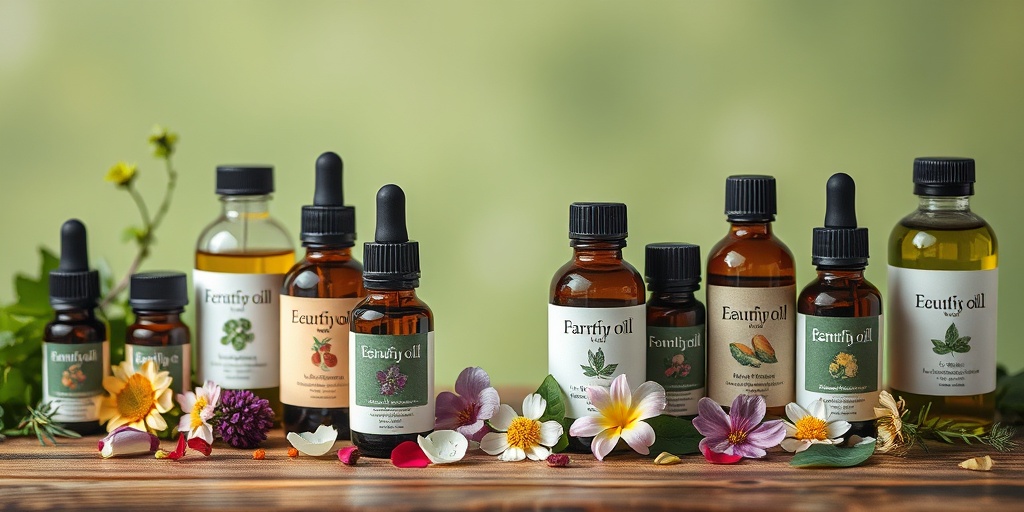
Aromatherapy, also known as Essential Oils Therapy, is a holistic healing practice that utilizes the natural aromatic compounds found in plants. These compounds, known as essential oils, are extracted from various parts of plants, including flowers, leaves, stems, and roots. The practice of aromatherapy dates back thousands of years, with roots in ancient civilizations such as Egypt, China, and India. Today, it has gained popularity as a complementary therapy for various physical and emotional ailments.
What Are Essential Oils?
Essential oils are concentrated extracts that capture the natural fragrance and beneficial properties of plants. They are typically obtained through methods such as steam distillation or cold pressing. Each essential oil has its unique chemical composition, which contributes to its distinct aroma and therapeutic benefits. For instance, lavender oil is known for its calming effects, while peppermint oil is often used for its invigorating properties.
How Aromatherapy Works
Aromatherapy works by stimulating the olfactory system, which is closely linked to the brain’s limbic system—the area responsible for emotions and memories. When inhaled, the aromatic molecules from essential oils can influence mood, reduce stress, and promote relaxation. Additionally, essential oils can be absorbed through the skin, providing localized therapeutic effects when used in massages or topical applications.
Benefits of Aromatherapy
The benefits of aromatherapy are vast and varied. Here are some of the most commonly reported advantages:
- Stress Relief: Many essential oils, such as lavender and chamomile, are known for their calming properties, helping to reduce anxiety and promote relaxation.
- Improved Sleep: Certain oils can aid in sleep quality, making them a popular choice for those struggling with insomnia.
- Pain Management: Essential oils like eucalyptus and peppermint can provide relief from headaches, muscle pain, and joint discomfort.
- Enhanced Mood: Citrus oils, such as orange and lemon, are uplifting and can help improve overall mood and energy levels.
- Support for Respiratory Health: Oils like tea tree and eucalyptus can help clear airways and support respiratory function.
Common Essential Oils
With a plethora of essential oils available, it can be overwhelming to choose which ones to incorporate into your aromatherapy practice. Here are some of the most popular essential oils and their uses:
1. Lavender Oil
Lavender oil is one of the most widely used essential oils in aromatherapy. Known for its soothing and calming properties, it is often used to promote relaxation and improve sleep quality. A few drops in a diffuser or a warm bath can create a tranquil atmosphere. 🌿
2. Peppermint Oil
Peppermint oil is invigorating and refreshing. It is commonly used to relieve headaches, boost energy, and improve focus. Inhaling peppermint oil can also help clear sinuses and support respiratory health. 💨
3. Tea Tree Oil
Renowned for its antiseptic properties, tea tree oil is often used in skincare for its ability to combat acne and other skin irritations. It can also be used in a diffuser to purify the air and promote a healthy environment. 🌱
4. Eucalyptus Oil
Eucalyptus oil is well-known for its ability to support respiratory health. It can help relieve congestion and is often used in steam inhalation or diffused during cold and flu season. Its refreshing scent can also uplift the mood. 🌬️
5. Frankincense Oil
Frankincense oil has been used for centuries in spiritual practices. It is believed to promote relaxation and meditation, making it a popular choice for those seeking emotional balance. Additionally, it has anti-inflammatory properties that can benefit skin health. ✨
6. Lemon Oil
Lemon oil is a bright, uplifting oil that can enhance mood and energy levels. It is often used in cleaning products for its antibacterial properties and can also be added to water for a refreshing drink. 🍋
Incorporating these essential oils into your daily routine can enhance your overall well-being. Whether you choose to use them in a diffuser, during a massage, or in a bath, the benefits of aromatherapy using essential oils as a supportive therapy can be profound. Always remember to use essential oils safely and consult with a healthcare professional if you have any concerns about their use.
Aromatherapy Techniques
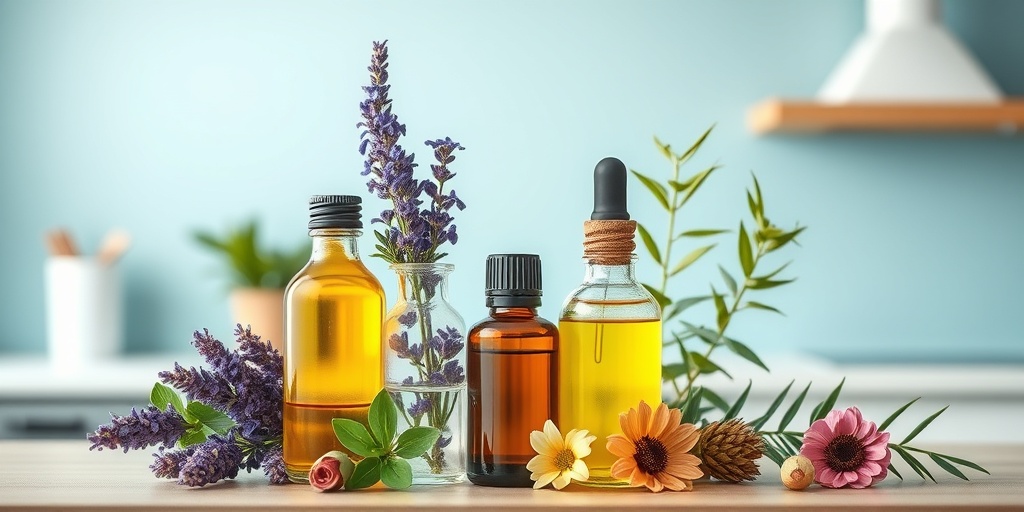
Aromatherapy, also known as Essential Oils Therapy, is a holistic healing practice that utilizes the natural fragrances of essential oils to promote physical and emotional well-being. There are various techniques to harness the benefits of aromatherapy, each offering unique advantages. Let’s explore some popular methods!
1. Diffusion
Diffusing essential oils is one of the most common methods of aromatherapy. This technique involves dispersing essential oils into the air, allowing you to inhale their therapeutic properties. Here are a few popular diffusion methods:
- Ultrasonic Diffusers: These devices use water and ultrasonic waves to create a fine mist of essential oils, filling the room with fragrance.
- Heat Diffusers: These use heat to evaporate the oils, releasing their scent into the air. However, be cautious as heat can alter the chemical composition of some oils.
- Reed Diffusers: A simple and elegant option, reed diffusers use sticks placed in a bottle of essential oil to naturally disperse the fragrance.
2. Inhalation
Inhalation is a direct method of experiencing the benefits of essential oils. You can simply open a bottle of your favorite oil and take a deep breath, or use a personal inhaler for convenience. This technique is particularly effective for quick relief from stress or anxiety. 🌬️
3. Topical Application
Applying essential oils directly to the skin can provide localized benefits. However, it’s crucial to dilute essential oils with a carrier oil (like coconut or jojoba oil) to prevent skin irritation. Here’s how to do it safely:
- Patch Test: Always perform a patch test on a small area of skin to check for any allergic reactions.
- Massage: Incorporate essential oils into your massage routine for enhanced relaxation and muscle relief.
- Bathing: Add a few drops of essential oil to your bath for a soothing experience.
4. Aromatherapy in Daily Life
Incorporating aromatherapy into your daily routine can be simple and enjoyable. Here are some ideas:
- Morning Routine: Start your day with uplifting scents like citrus oils to boost your mood.
- Workspace: Use calming oils like lavender or chamomile to create a peaceful work environment.
- Sleep Aid: Diffuse relaxing oils like bergamot or sandalwood before bedtime to promote restful sleep.
Aromatherapy Safety Tips
While aromatherapy can be incredibly beneficial, it’s essential to practice it safely. Here are some important safety tips to keep in mind when using essential oils:
1. Choose Quality Oils
Not all essential oils are created equal. Always opt for high-quality, pure essential oils from reputable sources. Look for oils that are labeled as 100% pure and free from synthetic additives. 🏷️
2. Dilution is Key
As mentioned earlier, essential oils should be diluted before applying them to the skin. A general guideline is to use a dilution ratio of 1-2 drops of essential oil per teaspoon of carrier oil. This helps prevent skin irritation and enhances absorption.
3. Be Aware of Allergies
Some individuals may have allergies or sensitivities to certain essential oils. Always perform a patch test and consult with a healthcare professional if you have concerns about specific oils.
4. Avoid Certain Oils During Pregnancy
Pregnant women should exercise caution when using essential oils, as some can be harmful. Always consult with a healthcare provider before using any essential oils during pregnancy.
5. Keep Oils Away from Children and Pets
Essential oils can be potent and may not be safe for children or pets. Store oils out of reach and consult with a veterinarian or pediatrician before using them around your loved ones.
6. Use Oils in Moderation
Less is often more when it comes to essential oils. Using too much can lead to adverse reactions. Stick to recommended dosages and listen to your body’s responses.
By following these safety tips, you can enjoy the many benefits of Aromatherapy (Essential Oils Therapy) while minimizing risks. Remember, the key to a successful aromatherapy experience lies in knowledge and mindfulness! 🌿
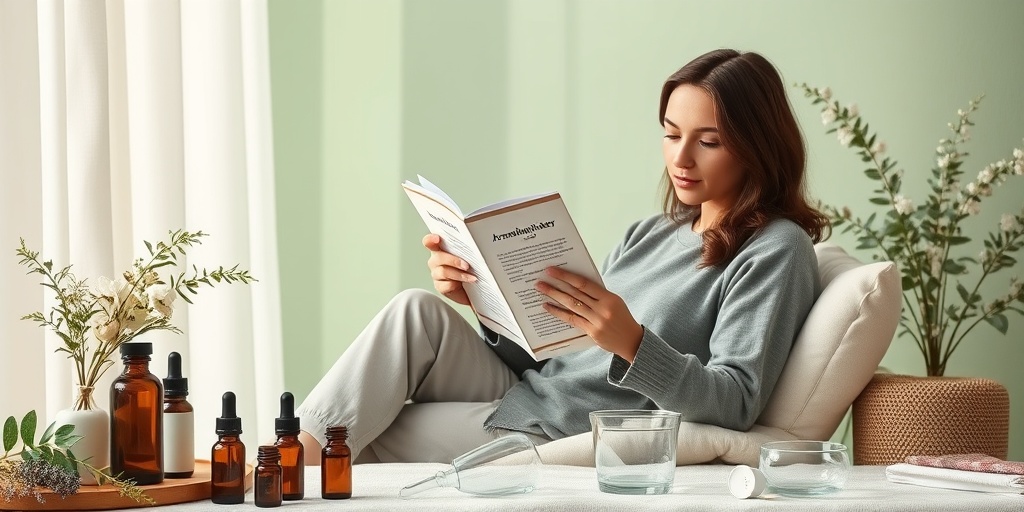
Aromatherapy for Stress Relief
In today’s fast-paced world, stress has become a common companion for many. Fortunately, aromatherapy (essential oils therapy) offers a natural and effective way to alleviate stress and promote relaxation. By harnessing the power of essential oils, you can create a calming environment that helps soothe your mind and body.
What is Aromatherapy?
Aromatherapy is a holistic healing practice that utilizes the aromatic properties of essential oils extracted from plants. These oils are known for their therapeutic benefits, which can enhance physical and emotional well-being. When inhaled or applied topically, essential oils can influence the brain’s limbic system, which is responsible for emotions, thereby promoting relaxation and reducing stress levels.
Top Essential Oils for Stress Relief
Not all essential oils are created equal when it comes to stress relief. Here are some of the most effective oils you can use:
- Lavender: Renowned for its calming properties, lavender oil can help reduce anxiety and improve sleep quality. 🌿
- Chamomile: This oil is known for its soothing effects, making it perfect for unwinding after a long day.
- Bergamot: With its uplifting scent, bergamot oil can help alleviate feelings of stress and promote a sense of well-being.
- Frankincense: Often used in meditation, frankincense oil can help ground your emotions and promote tranquility.
How to Use Aromatherapy for Stress Relief
Incorporating aromatherapy into your daily routine can be simple and enjoyable. Here are some effective methods:
- Diffusion: Use an essential oil diffuser to disperse your chosen oils into the air. This method allows you to enjoy the benefits of aromatherapy throughout your home.
- Topical Application: Dilute essential oils with a carrier oil (like coconut or jojoba oil) and apply them to pulse points, such as wrists or temples. This method provides direct benefits to your body.
- Bathing: Add a few drops of essential oil to your bathwater for a relaxing soak. Lavender and chamomile are particularly effective for stress relief.
- Inhalation: Simply inhale the scent of essential oils directly from the bottle or place a few drops on a cotton ball and breathe deeply.
Aromatherapy in Daily Life
Integrating aromatherapy (essential oils therapy) into your daily life can enhance your overall well-being and create a more harmonious environment. Here are some practical ways to incorporate essential oils into your routine:
Morning Routine
Start your day on a positive note by incorporating essential oils into your morning routine. Consider using invigorating scents like peppermint or citrus oils (like lemon or orange) to boost your energy and mood. You can add a few drops to your shower or use a diffuser in your kitchen while preparing breakfast. 🍋
Workplace Wellness
Transform your workspace into a calming oasis with the help of essential oils. Scents like rosemary can enhance focus and concentration, while lavender can help reduce workplace stress. Consider using a personal diffuser or a rollerball blend to keep your favorite oils close at hand.
Evening Relaxation
As the day winds down, create a relaxing atmosphere at home. Use essential oils like lavender or chamomile in a diffuser or add them to your evening bath. This practice can signal to your body that it’s time to unwind and prepare for a restful night’s sleep. 🌙
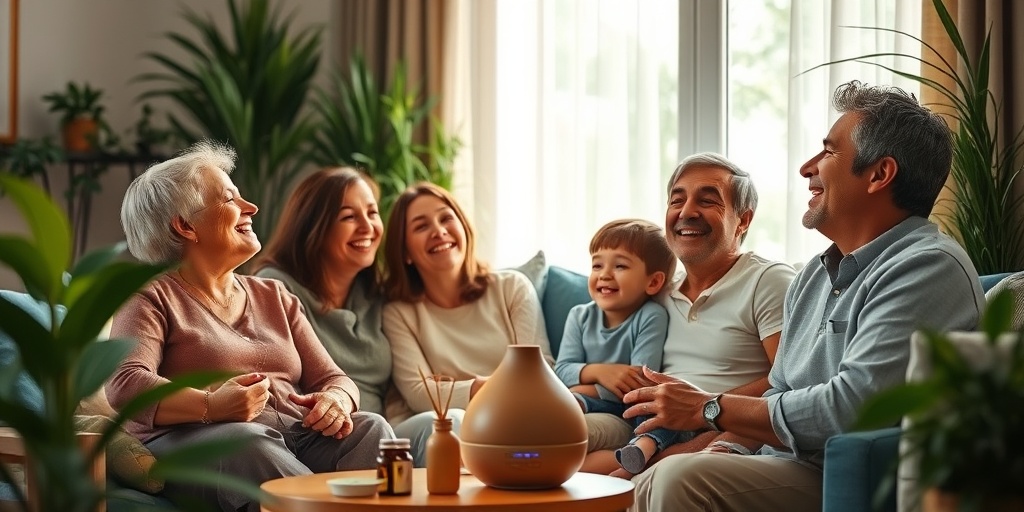
Family Bonding
Aromatherapy can also be a wonderful way to bond with family. Engage your loved ones in creating DIY essential oil blends for various purposes, such as relaxation or energy boosts. This not only promotes wellness but also encourages creativity and teamwork.
Incorporating aromatherapy into your daily life can lead to a more balanced and fulfilling lifestyle. By understanding the benefits and uses of essential oils, you can create a supportive environment that nurtures your mental and emotional health. 🌼
Frequently Asked Questions about Aromatherapy (Essential Oils Therapy)
What is Aromatherapy?
Aromatherapy, also known as essential oils therapy, is a holistic healing practice that utilizes natural plant extracts to promote physical and emotional well-being. It involves the use of essential oils derived from various plants, which can be inhaled, applied topically, or used in diffusers.
How do I use Aromatherapy Essential Oils?
There are several ways to incorporate aromatherapy into your daily routine:
- Inhalation: Add a few drops of essential oil to a diffuser or inhale directly from the bottle.
- Topical Application: Dilute essential oils with a carrier oil and apply to the skin.
- Baths: Add essential oils to bathwater for a relaxing experience.
Are Essential Oils Safe for Aromatherapy?
While many essential oils are safe for use, it is important to follow guidelines for aromatherapy. Always dilute essential oils before applying them to the skin, and consult with a healthcare professional if you have any health concerns or are pregnant. Some oils may cause allergic reactions or skin irritation.
Can Aromatherapy Help with Stress Relief?
Yes! Aromatherapy is often used as a supportive therapy for stress relief. Certain essential oils, such as lavender and chamomile, are known for their calming properties and can help reduce anxiety and promote relaxation.
What Essential Oils are Best for Beginners?
If you’re new to aromatherapy, consider starting with these popular essential oils:
- Lavender: Known for its calming effects.
- Peppermint: Great for boosting energy and focus.
- Eucalyptus: Helpful for respiratory issues.
- Tea Tree: Known for its antibacterial properties.
Can I Use Aromatherapy for Sleep Issues?
Absolutely! Many people use aromatherapy to improve sleep quality. Essential oils like lavender, bergamot, and sandalwood can create a soothing environment conducive to sleep. Consider using a diffuser in your bedroom or adding a few drops to your pillow.
Is Aromatherapy Suitable for Children?
Aromatherapy can be beneficial for children, but it is essential to use caution. Always dilute essential oils and consult with a pediatrician before using them on children. Some oils may not be suitable for young ones.
Where Can I Buy Quality Essential Oils?
Quality essential oils can be purchased from health food stores, specialty shops, or online retailers. Look for brands that provide information about sourcing and purity to ensure you are getting high-quality products.
Can Aromatherapy Help with Physical Pain?
Yes, certain essential oils are known for their analgesic properties and can help alleviate physical pain. Oils like peppermint, eucalyptus, and ginger may provide relief when used in massage or added to a warm bath.
How Often Can I Use Aromatherapy?
The frequency of use depends on individual preferences and needs. Many people incorporate aromatherapy into their daily routines, while others may use it as needed for specific issues. Always listen to your body and adjust usage accordingly.