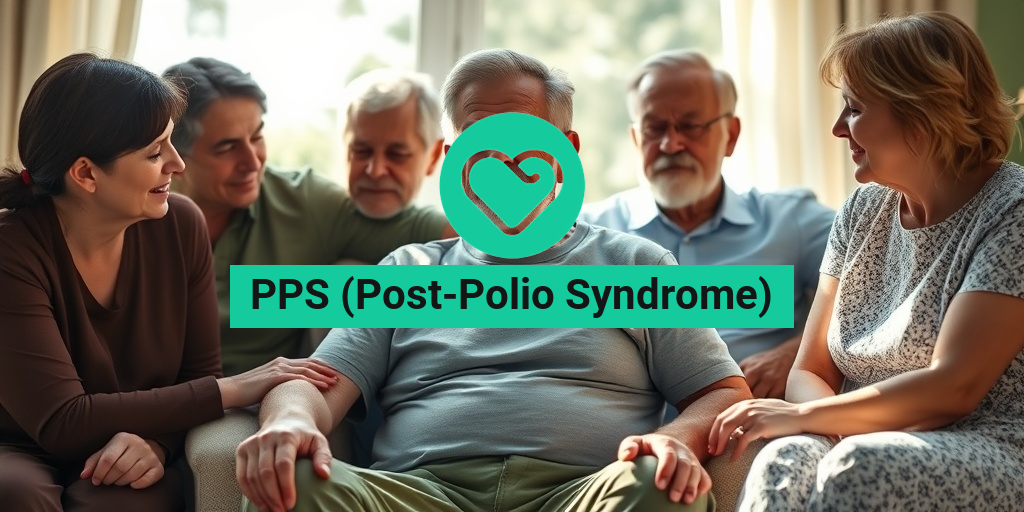
What Is PPS?
Post-Polio Syndrome (PPS) is a condition that affects polio survivors, typically occurring decades after the initial polio infection. While polio was largely eradicated in many parts of the world due to vaccination efforts, those who contracted the virus in their youth may experience a resurgence of symptoms later in life. PPS is characterized by a range of physical and emotional challenges that can significantly impact daily living.
To understand PPS, it’s essential to know that it is not a new infection but rather a set of symptoms that arise from the damage caused by the original polio virus. The exact cause of PPS is still not fully understood, but it is believed to be related to the gradual degeneration of motor neurons that were previously affected by the polio virus. This leads to new muscle weakness, fatigue, and pain, which can be distressing for those who thought they had fully recovered from their initial illness.
Who Is Affected by PPS?
PPS primarily affects individuals who had polio in their childhood or early adulthood. It can occur in anyone who has had polio, regardless of the severity of their initial illness. Studies suggest that approximately 25% to 50% of polio survivors may develop PPS, often 15 to 40 years after their initial recovery. This delayed onset can make it challenging for both patients and healthcare providers to connect the symptoms to their past polio infection.
Is Post-Polio Syndrome Fatal?
One of the common concerns surrounding PPS is whether it is a fatal condition. The good news is that Post-Polio Syndrome itself is not considered fatal. However, it can lead to complications that may affect overall health and quality of life. Individuals with PPS may experience increased difficulty with mobility, respiratory issues, and other health challenges that require ongoing management. It’s crucial for those affected to work closely with healthcare professionals to monitor their health and address any emerging issues.
PPS Symptoms
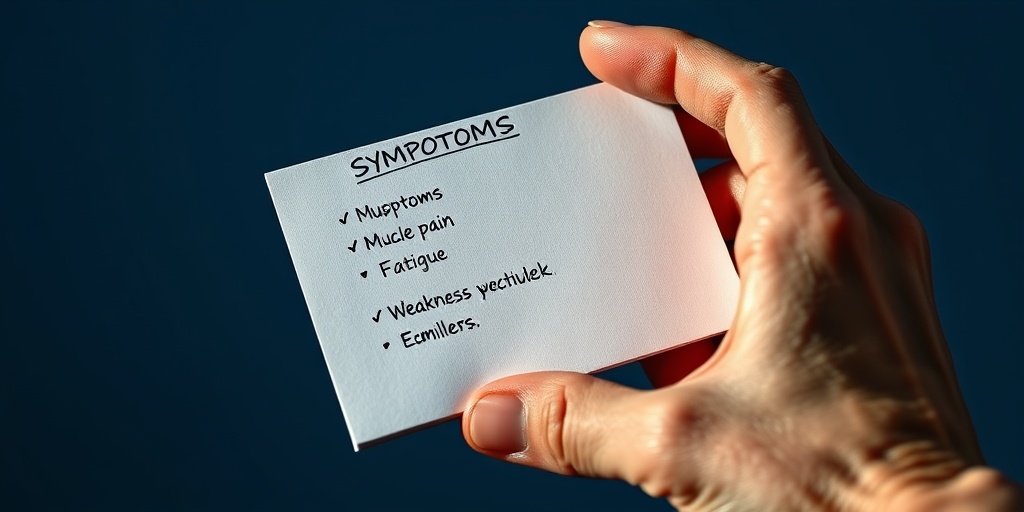
The symptoms of Post-Polio Syndrome can vary widely among individuals, but they often include a combination of the following:
- New Muscle Weakness: Many individuals report a gradual decline in muscle strength, particularly in areas that were previously affected by polio.
- Fatigue: A profound sense of fatigue that is not relieved by rest is a hallmark symptom of PPS. This fatigue can be debilitating and may interfere with daily activities.
- Pain: Joint and muscle pain are common complaints, often described as a deep, aching sensation.
- Cold Intolerance: Some individuals may experience increased sensitivity to cold temperatures, which can exacerbate muscle weakness.
- Sleep Disturbances: Many people with PPS report difficulties with sleep, including insomnia and disrupted sleep patterns.
- Respiratory Issues: In some cases, individuals may experience breathing difficulties, particularly during sleep.
Managing PPS Symptoms
While there is currently no cure for PPS, there are several strategies that can help manage symptoms effectively:
- Physical Therapy: Engaging in a tailored physical therapy program can help improve strength and mobility while minimizing fatigue.
- Energy Conservation: Learning to manage energy levels through pacing activities and incorporating rest periods can significantly enhance quality of life.
- Pain Management: Over-the-counter pain relievers or prescribed medications can help alleviate discomfort associated with PPS.
- Support Groups: Connecting with others who have experienced PPS can provide emotional support and practical advice.
For those seeking more information about PPS and its management, Yesil Health AI (yesilhealth.com) offers a wealth of evidence-based resources that can help guide individuals through their health journey.
In conclusion, while Post-Polio Syndrome can present significant challenges, understanding the condition and its symptoms is the first step toward effective management. By staying informed and seeking appropriate care, individuals with PPS can lead fulfilling lives despite the hurdles they may face. 🌟
PPS Causes and Risk Factors
Post-Polio Syndrome (PPS) is a condition that affects polio survivors, often years after they have recovered from the initial infection. Understanding the causes and risk factors associated with PPS is crucial for those who have experienced polio and may be facing new health challenges.
What Causes PPS?
The exact cause of PPS remains unclear, but researchers believe it is linked to the long-term effects of the polio virus on the nervous system. Here are some key points regarding the potential causes:
- Neuronal Damage: Polio primarily attacks motor neurons, which can lead to muscle weakness and paralysis. Over time, the remaining healthy neurons may become overworked, leading to fatigue and muscle deterioration.
- Age: PPS typically occurs in individuals who had polio as children or young adults. As they age, the body’s ability to compensate for previous neuronal damage diminishes, increasing the risk of developing PPS.
- Physical Overexertion: Engaging in strenuous physical activities can exacerbate symptoms. Those who push their limits may find that their muscles become weaker over time.
- Stress: Emotional and physical stress can trigger or worsen PPS symptoms. Managing stress is essential for maintaining overall health.
Risk Factors for Developing PPS
While anyone who has had polio can potentially develop PPS, certain factors may increase the likelihood:
- Severity of Initial Polio Infection: Individuals who experienced more severe cases of polio are at a higher risk of developing PPS later in life.
- Time Since Polio Infection: PPS typically manifests 15 to 40 years after the initial polio infection, making long-term monitoring essential for survivors.
- Gender: Studies suggest that women may be more likely to develop PPS than men, although the reasons for this disparity are still being investigated.
- Pre-existing Muscle Weakness: Those with lingering muscle weakness from their initial polio infection may be more susceptible to PPS.
Recognizing these causes and risk factors can empower polio survivors to seek timely medical advice and support, helping them manage their health more effectively. 🌟
PPS Diagnosis
Diagnosing Post-Polio Syndrome can be challenging, as its symptoms often overlap with other conditions. A thorough understanding of the diagnostic process is essential for those who suspect they may be experiencing PPS.
Symptoms of PPS
Before a diagnosis can be made, healthcare providers will look for specific symptoms associated with PPS, which may include:
- New Muscle Weakness: A gradual onset of weakness in previously affected or unaffected muscles.
- Fatigue: A profound sense of tiredness that does not improve with rest.
- Muscle and Joint Pain: Discomfort that can be debilitating and affect daily activities.
- Cold Intolerance: Increased sensitivity to cold temperatures.
Diagnostic Process
The diagnosis of PPS typically involves several steps:
- Medical History: The healthcare provider will review the patient’s history of polio and any subsequent health issues.
- Physical Examination: A thorough examination will assess muscle strength, reflexes, and overall physical condition.
- Exclusion of Other Conditions: Since symptoms can mimic other disorders, tests may be conducted to rule out conditions such as arthritis, chronic fatigue syndrome, or other neurological disorders.
- Electromyography (EMG): This test can help evaluate the electrical activity of muscles and identify any abnormalities.
It’s important for individuals experiencing symptoms to consult with a healthcare professional who is knowledgeable about PPS. Early diagnosis can lead to better management of symptoms and improved quality of life. 🩺
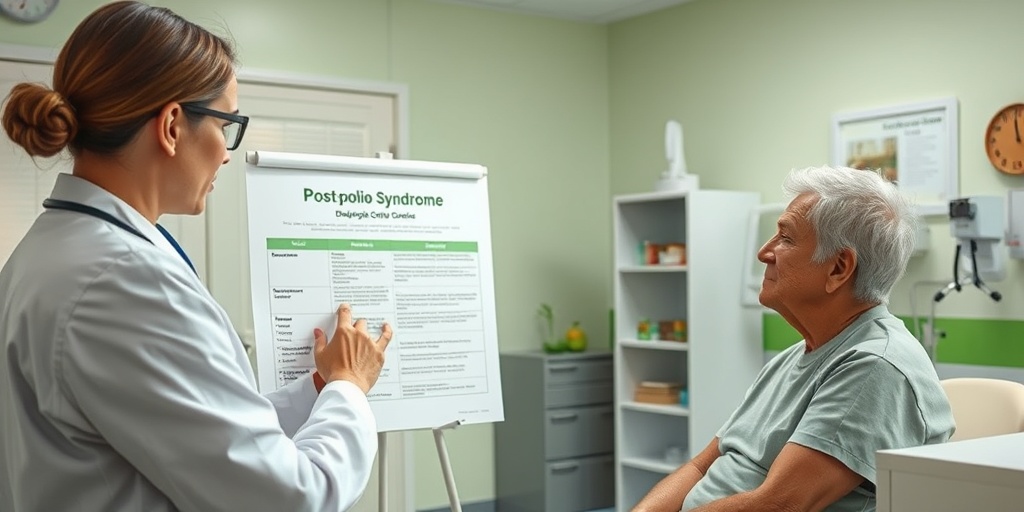
PPS Treatment Options
Post-Polio Syndrome (PPS) is a condition that affects polio survivors, often years after their initial recovery. It can lead to a range of symptoms, including muscle weakness, fatigue, and pain. Understanding the treatment options available for PPS is crucial for managing these symptoms effectively. Here, we’ll explore various treatment strategies that can help improve the quality of life for those affected by this condition.
Medications
While there is no cure for PPS, several medications can help alleviate symptoms:
- Pain Relievers: Over-the-counter medications like ibuprofen or acetaminophen can help manage mild pain. For more severe pain, doctors may prescribe stronger medications.
- Antidepressants: These can be beneficial for managing chronic pain and improving mood, which is often affected in individuals with PPS.
- Stimulants: Medications such as modafinil may help combat fatigue, a common complaint among those with PPS.
Physical Therapy
Physical therapy plays a vital role in managing PPS. A tailored physical therapy program can help:
- Improve Strength: Targeted exercises can help maintain or improve muscle strength.
- Enhance Mobility: Therapists can provide strategies to improve mobility and reduce the risk of falls.
- Manage Fatigue: Learning energy conservation techniques can help individuals manage their fatigue more effectively.
Occupational Therapy
Occupational therapy focuses on helping individuals perform daily activities more easily. This may include:
- Adaptive Equipment: Recommendations for tools and devices that can assist with daily tasks.
- Home Modifications: Suggestions for changes in the home environment to enhance safety and accessibility.
Assistive Devices
Many individuals with PPS find that using assistive devices can significantly improve their quality of life. These may include:
- Braces: Leg braces can help support weakened muscles and improve mobility.
- Wheelchairs or Scooters: For those with significant mobility challenges, these devices can provide independence.
Alternative Therapies
Some individuals with PPS explore alternative therapies to complement their treatment. These may include:
- Acupuncture: This traditional Chinese medicine technique may help relieve pain and improve overall well-being.
- Massage Therapy: Therapeutic massage can help reduce muscle tension and promote relaxation.
PPS Lifestyle Changes
In addition to medical treatments, making certain lifestyle changes can significantly impact the management of Post-Polio Syndrome. Here are some effective strategies to consider:
Energy Conservation
One of the most important lifestyle changes for individuals with PPS is learning to conserve energy. This can involve:
- Prioritizing Tasks: Focus on essential activities and break larger tasks into smaller, manageable steps.
- Rest Breaks: Incorporate regular rest periods throughout the day to prevent fatigue.
Nutrition and Hydration
Maintaining a balanced diet and staying hydrated can help support overall health. Consider the following:
- Balanced Diet: A diet rich in fruits, vegetables, whole grains, and lean proteins can provide the necessary nutrients to support muscle health.
- Hydration: Staying well-hydrated is essential for overall health and can help combat fatigue.
Regular Exercise
While it may seem counterintuitive, engaging in regular, low-impact exercise can be beneficial for those with PPS. Activities such as:
- Swimming: Provides a low-impact way to strengthen muscles without putting stress on joints.
- Walking: Gentle walking can help maintain mobility and cardiovascular health.
Stress Management
Managing stress is crucial for individuals with PPS. Techniques such as:
- Meditation: Practicing mindfulness can help reduce stress and improve mental well-being.
- Yoga: Gentle yoga can enhance flexibility and promote relaxation.
By incorporating these treatment options and lifestyle changes, individuals with PPS can take proactive steps toward managing their symptoms and improving their overall quality of life. Remember, it’s essential to work closely with healthcare professionals to develop a personalized plan that meets your specific needs. 🌟

PPS Coping Strategies
Living with PPS (Post-Polio Syndrome) can be challenging, but there are effective coping strategies that can help manage symptoms and improve quality of life. Here are some practical approaches to consider:
1. Understand Your Condition
Knowledge is power. Understanding what PPS is and how it affects your body can help you make informed decisions about your health. PPS is a condition that can occur decades after the initial polio infection, leading to new muscle weakness, fatigue, and pain. Familiarizing yourself with these symptoms can help you recognize changes in your body and seek appropriate care.
2. Prioritize Rest and Energy Conservation
Fatigue is a common symptom of PPS. To combat this, it’s essential to prioritize rest and practice energy conservation techniques. Here are some tips:
- Plan your day: Schedule activities during your peak energy times.
- Take breaks: Incorporate short breaks into your routine to recharge.
- Delegate tasks: Don’t hesitate to ask for help with daily chores.
3. Engage in Physical Therapy
Physical therapy can be a valuable tool for managing PPS. A physical therapist can design a personalized exercise program that focuses on:
- Strengthening: Building muscle strength without overexertion.
- Flexibility: Maintaining joint flexibility to prevent stiffness.
- Balance: Improving balance to reduce the risk of falls.
Always consult with your healthcare provider before starting any new exercise regimen.
4. Explore Pain Management Techniques
Chronic pain is another common issue for those with PPS. Consider these pain management strategies:
- Medication: Over-the-counter pain relievers or prescribed medications can help.
- Alternative therapies: Techniques such as acupuncture, massage, or yoga may provide relief.
- Heat and cold therapy: Applying heat or cold packs can alleviate discomfort.
5. Build a Support Network
Connecting with others who understand your experience can be incredibly beneficial. Consider joining a support group for individuals with PPS. Sharing your journey and hearing from others can provide emotional support and practical advice.
6. Maintain a Healthy Lifestyle
Adopting a healthy lifestyle can positively impact your overall well-being. Focus on:
- Nutrition: Eat a balanced diet rich in fruits, vegetables, whole grains, and lean proteins.
- Hydration: Drink plenty of water to stay hydrated.
- Sleep: Prioritize good sleep hygiene to improve rest quality.
PPS Outlook and Prognosis
The outlook for individuals with PPS (Post-Polio Syndrome) varies widely. While PPS can lead to significant challenges, understanding the prognosis can help individuals and their families prepare for the future.
Understanding the Progression of PPS
PPS is characterized by a gradual onset of new symptoms, which can include muscle weakness, fatigue, and pain. The progression of these symptoms can differ from person to person. Some may experience a slow decline, while others may have periods of stability followed by sudden changes.
Is Post-Polio Syndrome Fatal?
One common concern is whether PPS is fatal. The answer is generally no; PPS itself is not considered a life-threatening condition. However, the complications that arise from severe weakness or mobility issues can lead to other health problems. It’s crucial to manage symptoms effectively to maintain a good quality of life.
Does Post-Polio Syndrome Go Away?
Unfortunately, PPS does not go away. It is a chronic condition that requires ongoing management. While some individuals may find ways to cope and adapt, the symptoms can persist or fluctuate over time. Regular follow-ups with healthcare providers can help monitor the condition and adjust treatment plans as necessary.
Living Well with PPS
Despite the challenges, many individuals with PPS lead fulfilling lives. By implementing coping strategies, seeking support, and maintaining a proactive approach to health, it is possible to manage symptoms effectively. Embracing a positive mindset and focusing on what you can do, rather than what you can’t, can make a significant difference in your overall outlook.

Frequently Asked Questions about PPS (Post-Polio Syndrome)
What is PPS (Post-Polio Syndrome)?
PPS, or Post-Polio Syndrome, is a condition that affects polio survivors years after their initial recovery. It is characterized by new muscle weakness, fatigue, and pain, which can significantly impact daily life.
Is PPS (Post-Polio Syndrome) fatal?
While PPS can lead to serious health complications, it is generally not considered fatal. However, it can result in significant disability and a decline in quality of life, making early diagnosis and management crucial.
Does PPS (Post-Polio Syndrome) go away?
Unfortunately, PPS does not go away. Symptoms may fluctuate in severity, but the condition is chronic. Management strategies can help alleviate symptoms and improve quality of life.
Is PPS (Post-Polio Syndrome) contagious?
No, PPS is not contagious. It occurs in individuals who have previously had polio, and it is not transmitted from person to person.
What are the common symptoms of PPS (Post-Polio Syndrome)?
- New muscle weakness
- Fatigue
- Muscle and joint pain
- Cold intolerance
- Sleep disturbances
How is PPS (Post-Polio Syndrome) diagnosed?
Diagnosis of PPS typically involves a thorough medical history, physical examination, and ruling out other conditions that may cause similar symptoms. A healthcare provider may also assess the patient’s previous history of polio.
What treatments are available for PPS (Post-Polio Syndrome)?
While there is no cure for PPS, treatment options focus on managing symptoms. These may include:
- Physical therapy to improve strength and mobility
- Pain management through medications or alternative therapies
- Fatigue management strategies, including energy conservation techniques
Can lifestyle changes help with PPS (Post-Polio Syndrome)?
Yes! Making certain lifestyle changes can help manage symptoms of PPS. These may include:
- Regular low-impact exercise to maintain strength
- Healthy diet to support overall health
- Stress management techniques such as meditation or yoga
Where can I find support for PPS (Post-Polio Syndrome)?
Support groups and resources are available for individuals with PPS. Connecting with others who understand the challenges can provide emotional support and practical advice. Consider reaching out to local health organizations or online communities.