
What Is Kneecap Tracking Disorder?
Kneecap Tracking Disorder, also known as patellar tracking disorder, is a condition that affects the alignment and movement of the kneecap (patella) as it glides over the femur during knee motion. This disorder can lead to discomfort, pain, and functional limitations, making it essential for individuals to understand its implications.
The patella is a small bone that sits in front of the knee joint, and its proper tracking is crucial for smooth knee function. When the patella does not move correctly within its groove on the femur, it can lead to various issues, including pain and instability. This misalignment can occur due to several factors, including muscle imbalances, structural abnormalities, or previous injuries.
Causes of Kneecap Tracking Disorder
Several factors can contribute to the development of kneecap tracking disorder, including:
- Muscle Imbalances: Weakness or tightness in the muscles surrounding the knee can affect how the patella tracks.
- Structural Abnormalities: Some individuals may have anatomical differences that predispose them to tracking issues.
- Previous Injuries: Past injuries to the knee can alter its mechanics and lead to tracking problems.
- Overuse: Repetitive activities, especially those involving jumping or running, can strain the knee and affect patellar tracking.
Understanding these causes is crucial for effective management and treatment of the disorder. If you suspect you have this condition, consulting a healthcare professional is essential for a proper diagnosis and treatment plan.
Symptoms of Kneecap Tracking Disorder
The symptoms of kneecap tracking disorder can vary from person to person, but some common signs include:
- Knee Pain: Pain is often felt around the kneecap, especially during activities like climbing stairs, squatting, or sitting for extended periods.
- Swelling: Inflammation around the knee joint may occur, leading to visible swelling.
- Clicking or Popping Sounds: Some individuals may notice a clicking or popping sensation when moving the knee.
- Instability: A feeling of the knee giving way or being unstable can be a significant concern for those with this disorder.
- Difficulty with Movement: Activities that require bending or straightening the knee may become challenging.
Recognizing these symptoms early can lead to timely intervention and treatment. If you experience any of these signs, it’s advisable to seek medical advice. A healthcare provider may perform a patellar tracking disorder test to assess the condition of your knee and determine the best course of action.
When to Seek Help
If you experience persistent knee pain or any of the symptoms mentioned above, it’s crucial to consult a healthcare professional. Early diagnosis and treatment can prevent further complications and improve your quality of life. Resources like Yesil Health AI can provide valuable, evidence-based health answers to help you understand your condition better.
In conclusion, kneecap tracking disorder is a manageable condition with the right approach. By understanding its causes and symptoms, you can take proactive steps towards recovery and maintain an active lifestyle. Remember, your knees are vital for mobility, so taking care of them is essential! 🦵💪
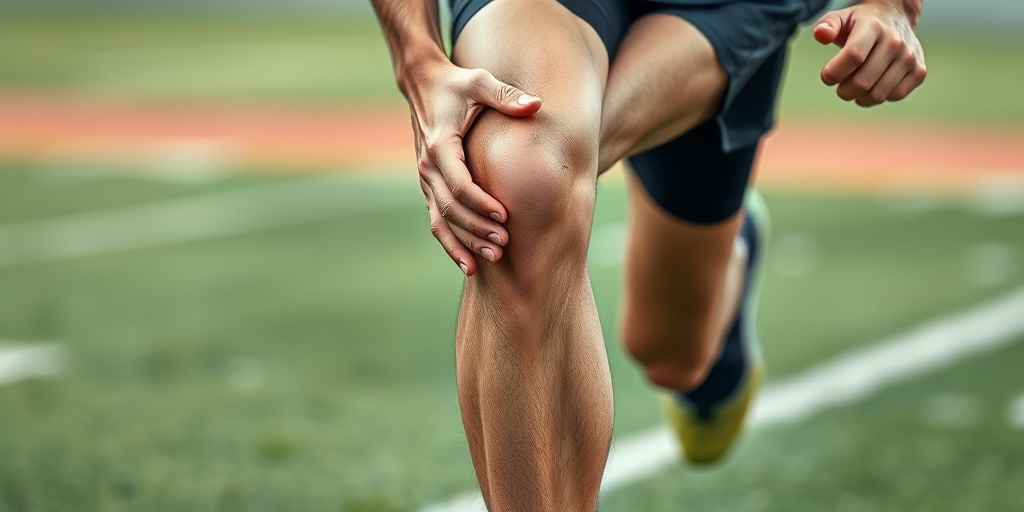
Causes and Risk Factors
Kneecap Tracking Disorder, also known as patellar tracking disorder, occurs when the kneecap (patella) does not move smoothly along the groove at the end of the thigh bone (femur). Understanding the causes and risk factors associated with this condition is crucial for effective management and prevention. Here are some of the primary causes and risk factors:
1. Anatomical Factors
One of the most significant contributors to kneecap tracking disorder is the anatomical structure of the knee. Variations in bone alignment, such as:
- Q-angle: A larger Q-angle (the angle between the quadriceps muscle and the patellar tendon) can lead to improper tracking.
- Patellar position: An abnormal position of the patella can cause it to track poorly.
- Hip and foot alignment: Misalignments in the hips or feet can also affect knee mechanics.
2. Muscle Imbalances
Muscle imbalances around the knee can significantly impact patellar tracking. Weakness or tightness in specific muscle groups, such as:
- Quadriceps: Weak quadriceps muscles may fail to stabilize the patella.
- Hamstrings: Tight hamstrings can pull the patella out of alignment.
- Hip muscles: Weak hip abductors can lead to poor knee alignment.
These imbalances can result from a lack of proper conditioning or overuse injuries, particularly in athletes.
3. Previous Injuries
Individuals with a history of knee injuries, such as ligament tears or fractures, may be at a higher risk for developing patellar tracking disorder. Injuries can alter the normal mechanics of the knee, leading to tracking issues.
4. Overuse and Activity Level
High-impact activities, especially those involving repetitive knee bending, can contribute to the development of this disorder. Athletes participating in sports like:
- Running
- Basketball
- Soccer
are particularly susceptible to overuse injuries that can lead to kneecap tracking disorder.
5. Age and Gender
Age and gender can also play a role in the risk of developing this condition. Women are more likely to experience patellar tracking disorder due to anatomical differences and hormonal factors. Additionally, younger individuals, particularly adolescents, may be at risk due to ongoing growth and development.
Diagnosis of Kneecap Tracking Disorder
Diagnosing kneecap tracking disorder involves a comprehensive evaluation by a healthcare professional. The diagnosis process typically includes the following steps:
1. Medical History
The first step in diagnosing patellar tracking disorder is a thorough medical history. The healthcare provider will ask about:
- Symptoms: Duration, intensity, and nature of knee pain.
- Activity level: Types of physical activities and any recent changes.
- Previous injuries: Any history of knee injuries or surgeries.
2. Physical Examination
A physical examination is crucial for assessing knee function. The healthcare provider will:
- Check for swelling, tenderness, and range of motion.
- Perform specific tests to evaluate patellar tracking and stability.
- Assess muscle strength and flexibility around the knee.
3. Imaging Tests
In some cases, imaging tests may be necessary to confirm the diagnosis. Common imaging techniques include:
- X-rays: To check for bone alignment and any structural abnormalities.
- MRI: To evaluate soft tissues, including ligaments and cartilage.
These tests help rule out other conditions that may mimic kneecap tracking disorder symptoms.
4. Functional Assessment
Finally, a functional assessment may be conducted to evaluate how the knee performs during specific movements. This can help identify any biomechanical issues contributing to the disorder.
Early diagnosis and intervention are key to managing patellar tracking disorder effectively. If you suspect you have this condition, consult a healthcare professional for a comprehensive evaluation and personalized treatment plan. 🦵✨

Treatment Options Available
Kneecap Tracking Disorder, also known as patellar tracking disorder, can significantly impact your daily life, causing pain and limiting mobility. Fortunately, there are various treatment options available to help manage symptoms and improve knee function. Understanding these options is crucial for anyone dealing with this condition.
Non-Surgical Treatments
For many individuals, non-surgical treatments can effectively alleviate symptoms and restore knee function. Here are some common non-invasive options:
- Physical Therapy: A tailored physical therapy program can help strengthen the muscles around the knee, improve flexibility, and enhance overall stability. Therapists often focus on exercises that target the quadriceps, hamstrings, and hip muscles.
- Bracing: Using a patellar tracking disorder brace can provide additional support to the knee, helping to keep the kneecap in its proper position during movement.
- Medications: Over-the-counter pain relievers, such as ibuprofen or acetaminophen, can help reduce pain and inflammation associated with the disorder.
- Activity Modification: Adjusting daily activities to avoid movements that exacerbate symptoms can be beneficial. This may include avoiding high-impact sports or activities that require excessive bending of the knee.
Surgical Treatments
In cases where non-surgical treatments do not provide sufficient relief, surgical options may be considered. These procedures aim to correct the alignment of the kneecap and improve its tracking. Some common surgical interventions include:
- Realignment Surgery: This procedure involves repositioning the kneecap to ensure it tracks properly within the groove of the thigh bone.
- Arthroscopy: A minimally invasive procedure that allows surgeons to visualize and treat issues within the knee joint, such as damaged cartilage or loose fragments.
- Patellar Stabilization Surgery: This surgery aims to stabilize the kneecap and prevent it from dislocating or tracking improperly.
It’s essential to consult with a healthcare professional to determine the most appropriate treatment plan based on individual needs and the severity of the condition. 🩺
Rehabilitation and Physical Therapy
Rehabilitation plays a vital role in the recovery process for individuals with kneecap tracking disorder. A well-structured rehabilitation program can help restore strength, flexibility, and function to the knee joint.
The Role of Physical Therapy
Physical therapy is often the cornerstone of rehabilitation for patellar tracking disorder. A physical therapist will assess your condition and develop a personalized treatment plan that may include:
- Strengthening Exercises: Focused exercises to strengthen the quadriceps, hamstrings, and hip muscles are crucial. Stronger muscles can help stabilize the kneecap and improve tracking.
- Stretching Exercises: Flexibility is essential for proper knee function. Stretching exercises can help alleviate tightness in the muscles surrounding the knee, promoting better movement.
- Balance and Proprioception Training: Improving balance and proprioception (the body’s ability to sense its position) can enhance stability and reduce the risk of further injury.
Home Exercise Programs
In addition to in-clinic therapy, your physical therapist may recommend a home exercise program to reinforce the gains made during therapy sessions. These exercises can be performed at your convenience and may include:
- Wall Sits: A great way to strengthen the quadriceps without putting too much strain on the knee.
- Leg Raises: Helps build strength in the quadriceps while keeping the knee joint stable.
- Calf Raises: Strengthening the calf muscles can improve overall leg stability.
Consistency is key! Regularly performing these exercises can lead to significant improvements in knee function and a reduction in symptoms. 🏋️♂️
In conclusion, whether through non-surgical or surgical means, effective treatment options are available for those suffering from kneecap tracking disorder. Rehabilitation and physical therapy are essential components of recovery, helping individuals regain strength and mobility in their knees. Always consult with a healthcare professional to create a tailored plan that suits your specific needs. 🌟

Preventive Measures
Kneecap Tracking Disorder, also known as patellar tracking disorder, can lead to discomfort and mobility issues if not addressed early. Fortunately, there are several preventive measures you can take to minimize the risk of developing this condition. Here are some effective strategies:
1. Strengthening Exercises
Engaging in regular patellar tracking disorder exercises can significantly enhance the strength of the muscles surrounding your knee. Focus on exercises that target the quadriceps, hamstrings, and hip muscles. Some effective exercises include:
- Squats: Strengthen your quadriceps and glutes.
- Leg Raises: Target the hip flexors and quadriceps.
- Wall Sits: Build endurance in the quadriceps.
Always consult with a healthcare professional or physical therapist before starting any new exercise regimen to ensure it’s appropriate for your condition. 🏋️♂️
2. Proper Footwear
Wearing the right shoes is crucial for maintaining proper knee alignment. Choose footwear that provides adequate support and cushioning. Avoid high heels or shoes with inadequate arch support, as they can exacerbate tracking issues. 👟
3. Maintain a Healthy Weight
Excess weight can put additional stress on your knees, increasing the risk of developing patellar tracking disorder. Maintaining a healthy weight through a balanced diet and regular exercise can help alleviate this pressure. Consider incorporating more fruits, vegetables, and lean proteins into your meals. 🥗
4. Stretching and Flexibility
Incorporating stretching into your daily routine can improve flexibility and reduce the risk of injury. Focus on stretching the quadriceps, hamstrings, and calves. Yoga and Pilates are excellent options for enhancing flexibility while also promoting overall body strength. 🧘♀️
5. Avoid Overuse
Engaging in repetitive activities, especially those that involve jumping or running, can lead to overuse injuries. If you participate in sports or activities that put strain on your knees, ensure you take regular breaks and allow your body to recover. 🏃♀️
Living with Kneecap Tracking Disorder
Living with kneecap tracking disorder can be challenging, but understanding the condition and implementing effective management strategies can help improve your quality of life. Here are some tips for managing this disorder:
1. Pain Management
Managing pain is a crucial aspect of living with patellar tracking disorder. Over-the-counter pain relievers, such as ibuprofen or acetaminophen, can help alleviate discomfort. However, always consult with a healthcare provider before starting any medication. Additionally, applying ice to the knee after activity can reduce inflammation and pain. ❄️
2. Physical Therapy
Working with a physical therapist can provide you with tailored exercises and techniques to improve knee function. They can help you develop a personalized rehabilitation program that focuses on strengthening the muscles around the knee and improving flexibility. This professional guidance can be invaluable in managing your condition effectively. 🧑⚕️
3. Use of Braces
In some cases, a patellar tracking disorder brace may be recommended to provide additional support and stability to the knee. These braces can help align the kneecap properly and reduce pain during activities. Consult with your healthcare provider to determine if a brace is suitable for you. 🦵
4. Lifestyle Modifications
Making certain lifestyle changes can also help manage symptoms. Consider modifying your activities to avoid those that exacerbate your knee pain. Low-impact exercises, such as swimming or cycling, can be excellent alternatives that minimize stress on the knees. 🚴♂️
5. Surgical Options
In severe cases where conservative treatments fail, surgical intervention may be necessary. Procedures such as lateral release or realignment of the kneecap can help restore proper tracking. Discuss the potential benefits and risks of surgery with your orthopedic specialist to make an informed decision. 🏥
By implementing these preventive measures and management strategies, individuals living with kneecap tracking disorder can lead active, fulfilling lives while minimizing discomfort and maximizing mobility. Remember, early intervention is key! 🌟

Frequently Asked Questions about Kneecap Tracking Disorder
What is Kneecap Tracking Disorder?
Kneecap Tracking Disorder, also known as patellar tracking disorder, occurs when the kneecap (patella) does not move smoothly along the groove at the end of the thigh bone (femur) during knee movement. This misalignment can lead to pain and discomfort, particularly during activities like walking, running, or climbing stairs.
What are the symptoms of Patellar Tracking Disorder?
- Knee pain: Often felt around or behind the kneecap.
- Swelling: Inflammation around the knee joint.
- Clicking or popping sounds: Noticeable during knee movement.
- Difficulty with movement: Challenges in bending or straightening the knee.
How is Patellar Tracking Disorder diagnosed?
Diagnosis typically involves a physical examination by a healthcare professional, who may assess the alignment of the kneecap and perform specific tests to evaluate knee function. Imaging tests, such as X-rays or MRIs, may also be used to rule out other conditions.
What are the treatment options for Patellar Tracking Disorder?
Treatment for patellar tracking disorder may include:
- Physical therapy: Exercises to strengthen the muscles around the knee and improve alignment.
- Bracing: A patellar tracking disorder brace can help stabilize the kneecap.
- Medication: Anti-inflammatory drugs to reduce pain and swelling.
- Surgery: In severe cases, surgical intervention may be necessary to correct the alignment of the kneecap.
Are there exercises for Patellar Tracking Disorder?
Yes! Specific exercises can help strengthen the muscles around the knee and improve patellar tracking. These may include:
- Quadriceps strengthening: Exercises like leg raises and squats.
- Hamstring stretches: To maintain flexibility.
- Hip strengthening: Exercises targeting the hip muscles to support knee alignment.
Can Patellar Tracking Disorder be prevented?
While not all cases can be prevented, maintaining a healthy weight, engaging in regular exercise, and ensuring proper footwear can help reduce the risk of developing kneecap tracking disorder. Additionally, warming up before physical activities and avoiding sudden increases in activity levels can be beneficial.
When should I see a doctor?
If you experience persistent knee pain, swelling, or difficulty moving your knee, it is important to consult a healthcare professional. Early intervention can help prevent further complications associated with patellar tracking disorder.