What Is Cholesterol?
Cholesterol is a waxy, fat-like substance that is found in every cell of your body. It plays a crucial role in producing hormones, vitamin D, and substances that help you digest foods. While your body needs cholesterol to function properly, having too much of it can lead to serious health issues, particularly heart disease.
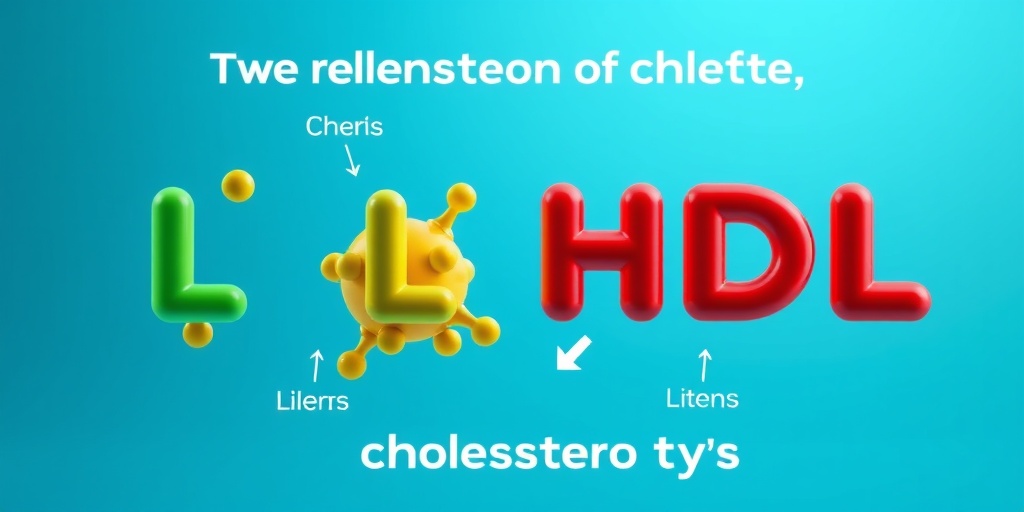
Cholesterol is carried through your bloodstream by lipoproteins, which are made up of fat and protein. There are two main types of cholesterol: low-density lipoprotein (LDL) and high-density lipoprotein (HDL). Understanding these types is essential for effective cholesterol management.
Cholesterol Types Explained
When it comes to cholesterol, not all types are created equal. Here’s a breakdown of the two primary types:
Low-Density Lipoprotein (LDL)
Often referred to as “bad” cholesterol, LDL can build up in the walls of your arteries, leading to a condition known as atherosclerosis. This buildup narrows the arteries and increases the risk of heart attacks and strokes. Keeping LDL levels in check is a vital aspect of cholesterol management.
High-Density Lipoprotein (HDL)
On the other hand, HDL is known as “good” cholesterol. It helps remove LDL cholesterol from the bloodstream, transporting it to the liver for elimination. Higher levels of HDL are associated with a lower risk of heart disease, making it essential to boost HDL levels through lifestyle changes.
Understanding Total Cholesterol
Your total cholesterol level is a combination of both LDL and HDL cholesterol. A healthy total cholesterol level is generally considered to be below 200 mg/dL. Regular check-ups and blood tests can help you monitor your cholesterol levels and guide your cholesterol management efforts.
Factors Affecting Cholesterol Levels
Several factors can influence your cholesterol levels, including:
- Diet: Foods high in saturated fats, trans fats, and cholesterol can raise your LDL levels.
- Physical Activity: Regular exercise can help raise HDL levels while lowering LDL levels.
- Weight: Being overweight can contribute to higher LDL levels.
- Genetics: Family history can play a significant role in your cholesterol levels.
Cholesterol Management Guidelines
Effective cholesterol management involves a combination of lifestyle changes and, if necessary, medication. Here are some guidelines to consider:
- Healthy Diet: Focus on a diet rich in fruits, vegetables, whole grains, and healthy fats. Foods like oats, beans, nuts, and fatty fish can help improve cholesterol levels.
- Regular Exercise: Aim for at least 150 minutes of moderate aerobic activity each week to help manage cholesterol levels.
- Weight Management: Losing even a small amount of weight can help lower LDL levels and improve overall heart health.
- Quit Smoking: If you smoke, quitting can improve your HDL cholesterol level.
For those who may need additional support, cholesterol management supplements can also be beneficial. Always consult with a healthcare provider before starting any new supplement regimen.
Cholesterol Management in Special Populations
It’s important to note that cholesterol management can vary based on individual circumstances. For instance, pregnant women may have different cholesterol management needs, and those with specific health conditions may require tailored approaches. Resources like Yesil Health AI can provide evidence-based answers to your cholesterol management questions.
In conclusion, understanding cholesterol and its types is essential for maintaining heart health. By following the guidelines for cholesterol management, you can take proactive steps to ensure your cholesterol levels remain in a healthy range. Remember, small changes can lead to significant improvements in your overall health! 🌟
Cholesterol Levels and Health Risks
Cholesterol is a waxy substance found in your blood, and while your body needs it to build healthy cells, having high levels of cholesterol can increase your risk of heart disease. Understanding your cholesterol levels is crucial for effective cholesterol management.
Understanding Cholesterol Levels
Cholesterol is measured in milligrams per deciliter (mg/dL) of blood. There are two main types of cholesterol:
- Low-Density Lipoprotein (LDL): Often referred to as “bad” cholesterol, high levels of LDL can lead to plaque buildup in your arteries, increasing the risk of heart disease and stroke.
- High-Density Lipoprotein (HDL): Known as “good” cholesterol, HDL helps remove LDL cholesterol from your bloodstream. Higher levels of HDL are associated with a lower risk of heart disease.
Here are the general guidelines for cholesterol levels:
- LDL Cholesterol: Less than 100 mg/dL is optimal; 100-129 mg/dL is near optimal; 130-159 mg/dL is borderline high; 160-189 mg/dL is high; and 190 mg/dL and above is very high.
- HDL Cholesterol: Less than 40 mg/dL is considered a risk factor for heart disease; 40-59 mg/dL is better; and 60 mg/dL and above is considered protective against heart disease.
Health Risks Associated with High Cholesterol
High cholesterol levels can lead to several serious health issues, including:
- Heart Disease: High levels of LDL cholesterol can lead to the formation of plaques in your arteries, which can restrict blood flow and lead to heart attacks.
- Stroke: Similar to heart disease, a buildup of cholesterol can block blood flow to the brain, resulting in a stroke.
- Peripheral Artery Disease (PAD): High cholesterol can also affect blood flow to your limbs, leading to pain and mobility issues.
Regular cholesterol screenings are essential, especially if you have risk factors such as a family history of heart disease, obesity, or diabetes. By keeping track of your cholesterol levels, you can take proactive steps in your cholesterol management journey.
Causes of High Cholesterol
Understanding the causes of high cholesterol is vital for effective cholesterol management. Several factors can contribute to elevated cholesterol levels, and recognizing these can help you make informed lifestyle choices.
Dietary Choices
Your diet plays a significant role in your cholesterol levels. Consuming foods high in saturated fats, trans fats, and cholesterol can raise your LDL levels. Common culprits include:
- Red meat
- Full-fat dairy products
- Processed foods
- Fried foods
On the other hand, incorporating foods that promote cholesterol management can help lower your LDL levels. Foods rich in omega-3 fatty acids, soluble fiber, and healthy fats, such as:
- Fatty fish (salmon, mackerel)
- Oats and barley
- Fruits and vegetables
- Nuts and seeds
Lifestyle Factors
In addition to diet, several lifestyle factors can contribute to high cholesterol levels:
- Physical Inactivity: A sedentary lifestyle can lead to weight gain and higher LDL cholesterol levels.
- Obesity: Excess body weight is linked to higher levels of LDL cholesterol and lower levels of HDL cholesterol.
- Smoking: Smoking can lower HDL cholesterol and damage blood vessels, making it easier for LDL cholesterol to build up in your arteries.
- Excessive Alcohol Consumption: Drinking too much alcohol can lead to higher cholesterol levels and other health issues.
Genetic Factors
Sometimes, high cholesterol is inherited. Familial hypercholesterolemia is a genetic condition that results in extremely high LDL cholesterol levels, increasing the risk of heart disease at a young age. If you have a family history of high cholesterol or heart disease, it’s essential to discuss this with your healthcare provider.
By understanding the causes of high cholesterol, you can take proactive steps towards effective cholesterol management. Making informed dietary choices, adopting a healthier lifestyle, and being aware of genetic factors can significantly impact your overall health. 🌱❤️

Symptoms of High Cholesterol
High cholesterol often goes unnoticed, as it typically does not present any obvious symptoms. However, understanding the potential signs can be crucial for early detection and effective cholesterol management. Here are some symptoms and indicators that may suggest high cholesterol levels:
1. Fatty Deposits on Skin
One of the more visible signs of high cholesterol is the appearance of fatty deposits, known as xanthomas, on the skin. These can manifest as yellowish patches or lumps, often found around the eyes, elbows, or knees. If you notice these deposits, it’s essential to consult a healthcare professional for further evaluation.
2. Chest Pain
While chest pain can be attributed to various conditions, it can also indicate that your heart is struggling due to high cholesterol levels. When cholesterol builds up in the arteries, it can lead to a condition called atherosclerosis, which narrows the arteries and restricts blood flow. If you experience persistent chest pain, seek medical attention promptly.
3. Shortness of Breath
High cholesterol can lead to heart disease, which may cause shortness of breath, especially during physical activity. If you find yourself easily winded or unable to perform tasks that were once manageable, it may be time to check your cholesterol levels.
4. High Blood Pressure
There is a strong correlation between high cholesterol and high blood pressure. If you have been diagnosed with hypertension, it’s crucial to monitor your cholesterol levels as well. Managing both can significantly reduce your risk of heart disease and stroke.
5. Other Symptoms
In some cases, high cholesterol can lead to more severe health issues, such as heart attacks or strokes. Symptoms of these conditions may include:
- Sudden numbness or weakness in the face, arm, or leg
- Confusion or trouble speaking
- Severe headache with no known cause
If you experience any of these symptoms, seek emergency medical help immediately. Early intervention can save lives!
Cholesterol Testing and Diagnosis
Regular testing is vital for effective cholesterol management. Understanding your cholesterol levels can help you and your healthcare provider make informed decisions about your health. Here’s what you need to know about cholesterol testing and diagnosis:
1. Types of Cholesterol Tests
The most common test for cholesterol is the lipid panel, which measures the following:
- Total cholesterol: This includes all cholesterol in your blood.
- Low-density lipoprotein (LDL): Often referred to as “bad” cholesterol, high levels can lead to plaque buildup in arteries.
- High-density lipoprotein (HDL): Known as “good” cholesterol, it helps remove LDL cholesterol from the bloodstream.
- Triglycerides: A type of fat in the blood that can also contribute to heart disease.
2. When to Get Tested
It’s recommended that adults have their cholesterol levels checked every 4-6 years, starting at age 20. However, if you have risk factors such as a family history of heart disease, obesity, or diabetes, your doctor may suggest more frequent testing.
3. Understanding Your Results
Interpreting cholesterol test results can be complex. Here’s a general guideline for understanding your numbers:
- Total cholesterol: Less than 200 mg/dL is considered desirable.
- LDL cholesterol: Less than 100 mg/dL is optimal.
- HDL cholesterol: 60 mg/dL and above is considered protective against heart disease.
- Triglycerides: Less than 150 mg/dL is normal.
Always discuss your results with your healthcare provider to understand what they mean for your health and what steps you may need to take for cholesterol management.
4. Follow-Up Testing
If your cholesterol levels are high, your doctor may recommend follow-up tests or additional screenings to assess your overall heart health. This could include tests like a cardiac stress test or imaging studies to evaluate the condition of your arteries.
In conclusion, being proactive about cholesterol testing and recognizing the symptoms of high cholesterol can significantly impact your health. Regular check-ups and lifestyle adjustments are key components of effective cholesterol management. 🩺❤️

Cholesterol Management Strategies
Managing cholesterol levels is crucial for maintaining heart health and preventing cardiovascular diseases. With the right strategies, you can effectively control your cholesterol and improve your overall well-being. Here are some key cholesterol management strategies to consider:
1. Regular Health Screenings
One of the first steps in cholesterol management is to get regular health screenings. This includes checking your cholesterol levels through blood tests. The American Heart Association recommends that adults have their cholesterol checked every four to six years, starting at age 20. If you have risk factors such as a family history of heart disease, you may need to be screened more frequently.
2. Understanding Cholesterol Levels
It’s essential to understand what your cholesterol numbers mean. Cholesterol is measured in milligrams per deciliter (mg/dL) and includes:
- LDL (Low-Density Lipoprotein): Often referred to as “bad” cholesterol, high levels of LDL can lead to plaque buildup in your arteries.
- HDL (High-Density Lipoprotein): Known as “good” cholesterol, HDL helps remove LDL cholesterol from the bloodstream.
- Total Cholesterol: This is the sum of your LDL, HDL, and other lipid components.
Understanding these levels can help you and your healthcare provider create a personalized cholesterol management plan.
3. Medication Management
In some cases, lifestyle changes alone may not be enough to manage cholesterol levels. Your doctor may prescribe medications such as statins, bile acid sequestrants, or cholesterol absorption inhibitors. It’s important to follow your doctor’s recommendations and discuss any concerns about side effects or interactions with other medications.
4. Monitoring and Adjusting Your Plan
Cholesterol management is not a one-time effort; it requires ongoing monitoring and adjustments. Regular follow-ups with your healthcare provider can help track your progress and make necessary changes to your management plan. This may include adjusting medications, dietary changes, or increasing physical activity.
Diet and Lifestyle Changes
Diet and lifestyle play a significant role in cholesterol management. Making informed choices can help lower LDL cholesterol and raise HDL cholesterol. Here are some effective changes you can implement:
1. Adopt a Heart-Healthy Diet
Eating a balanced diet rich in fruits, vegetables, whole grains, and healthy fats is vital. Consider incorporating the following foods into your diet:
- Oats: A great source of soluble fiber that can help lower LDL cholesterol.
- Fatty Fish: Salmon, mackerel, and sardines are high in omega-3 fatty acids, which can improve heart health.
- Nuts: Almonds, walnuts, and pistachios can help lower cholesterol levels when consumed in moderation.
- Olive Oil: A healthy fat that can replace saturated fats in cooking.
2. Limit Saturated and Trans Fats
Reducing your intake of saturated and trans fats is crucial for cholesterol management. These fats can raise your LDL cholesterol levels. Foods to limit include:
- Red meat and full-fat dairy products
- Processed foods and baked goods containing partially hydrogenated oils
- Fried foods
3. Increase Physical Activity
Regular physical activity can help raise HDL cholesterol while lowering LDL cholesterol. Aim for at least 150 minutes of moderate aerobic exercise each week. Activities like brisk walking, cycling, swimming, or dancing can be enjoyable ways to stay active. 🏃♂️
4. Maintain a Healthy Weight
Being overweight can contribute to high cholesterol levels. Losing even a small amount of weight can help improve your cholesterol profile. Focus on gradual weight loss through a combination of healthy eating and regular exercise.
5. Manage Stress
Chronic stress may negatively impact your cholesterol levels. Incorporating stress-reducing techniques such as yoga, meditation, or deep-breathing exercises can be beneficial. 🧘♀️
By implementing these cholesterol management strategies and making positive diet and lifestyle changes, you can take control of your heart health and reduce your risk of cardiovascular diseases. Remember, it’s always best to consult with a healthcare professional before making significant changes to your health regimen.

Frequently Asked Questions about Cholesterol Management
What is cholesterol management?
Cholesterol management refers to the strategies and practices aimed at maintaining healthy cholesterol levels in the body. This includes dietary changes, lifestyle modifications, and, if necessary, medication to reduce the risk of heart disease and other cardiovascular issues.
What are the guidelines for cholesterol management?
The cholesterol management guidelines provide recommendations on how to maintain optimal cholesterol levels. These guidelines typically emphasize the importance of a balanced diet, regular physical activity, and regular health screenings to monitor cholesterol levels.
How can diet impact cholesterol management?
A heart-healthy diet plays a crucial role in cholesterol management. Foods high in saturated fats, trans fats, and cholesterol can raise blood cholesterol levels. Instead, focus on incorporating foods rich in omega-3 fatty acids, fiber, and healthy fats, such as:
- Oats and whole grains
- Fruits and vegetables
- Nuts and seeds
- Fatty fish like salmon and mackerel
Are there supplements that can help with cholesterol management?
Yes, certain cholesterol management supplements may help lower cholesterol levels. Common options include omega-3 fatty acids, plant sterols, and soluble fiber supplements. However, it’s essential to consult with a healthcare provider before starting any new supplement regimen.
What foods should I avoid for better cholesterol management?
To improve your cholesterol management, consider limiting or avoiding the following foods:
- Red meat and full-fat dairy products
- Processed foods high in trans fats
- Fried foods
- Baked goods made with hydrogenated oils
How does cholesterol management differ for pregnant women?
During pregnancy, cholesterol management is particularly important as cholesterol plays a role in fetal development. Pregnant women should focus on a balanced diet rich in nutrients while monitoring their cholesterol levels with the guidance of a healthcare provider.
What are the latest cholesterol management guidelines for 2025?
The cholesterol management guidelines 2025 are expected to include updated recommendations based on the latest research. These may focus on personalized approaches to treatment, emphasizing lifestyle changes and the role of new medications in managing cholesterol levels.
Can Ayurveda help with cholesterol management?
Yes, cholesterol management in Ayurveda involves using natural remedies and dietary practices to balance cholesterol levels. Ayurvedic treatments may include herbs, dietary adjustments, and lifestyle changes tailored to individual needs.
What role does exercise play in cholesterol management?
Regular physical activity is vital for effective cholesterol management. Exercise can help raise high-density lipoprotein (HDL) cholesterol, the “good” cholesterol, while lowering low-density lipoprotein (LDL) cholesterol, the “bad” cholesterol. Aim for at least 150 minutes of moderate aerobic activity each week.
How often should I get my cholesterol checked?
It is generally recommended to have your cholesterol levels checked every 4 to 6 years, but individuals with risk factors for heart disease may need more frequent screenings. Consult your healthcare provider for personalized recommendations.