What Is Keratosis Seborrheic?
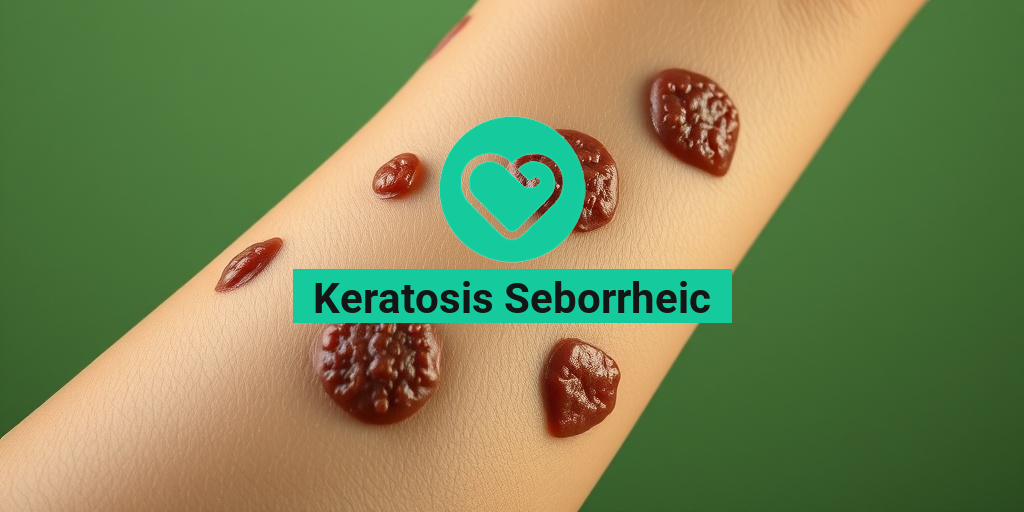
Keratosis seborrheic, often referred to as seborrheic keratosis, is a common, benign skin condition that typically appears as raised, wart-like growths on the skin. These growths can vary in color from light tan to black and are often described as having a “stuck-on” appearance. While they can develop anywhere on the body, they are most frequently found on the face, chest, back, and scalp.
This condition is particularly prevalent among older adults, although it can occur in younger individuals as well. The exact cause of keratosis seborrheic is not fully understood, but it is believed to be linked to genetic factors and sun exposure. Unlike other skin conditions, keratosis seborrheic is not contagious and does not pose any health risks, making it more of a cosmetic concern than a medical one.
Types of Keratosis Seborrheic
Keratosis seborrheic can manifest in various forms, including:
- Common Seborrheic Keratosis: The most typical form, characterized by its raised, rough texture.
- Dermatosis Papulosa Nigra: A variant that appears as small, dark bumps, often seen in individuals with darker skin tones.
- Stucco Keratosis: This type appears as white or light-colored, flat lesions, commonly found on the lower legs.
Understanding the different types can help in identifying the condition and determining the best course of action for treatment or removal if desired.
Keratosis Seborrheic Symptoms
The symptoms of keratosis seborrheic can vary from person to person, but they generally include:
- Raised Growths: The most noticeable symptom is the presence of raised, wart-like growths on the skin.
- Color Variations: These growths can range in color from light tan to dark brown or black.
- Texture: The surface of the lesions may feel rough or scaly, resembling a wart.
- Itching or Irritation: While keratosis seborrheic is usually asymptomatic, some individuals may experience mild itching or irritation, especially if the growths are located in areas prone to friction.
When to Seek Medical Advice
While keratosis seborrheic is generally harmless, it’s important to consult a healthcare professional if you notice any changes in the growths, such as:
- Rapid growth or changes in color
- Bleeding or oozing from the lesions
- New growths appearing suddenly
These changes could indicate a different skin condition that may require further evaluation. A dermatologist can provide a proper diagnosis and recommend appropriate treatment options.
Treatment Options
If you find that keratosis seborrheic is affecting your appearance or causing discomfort, there are several treatment options available:
- Keratosis Seborrheic Removal: This can be done through various methods, including cryotherapy (freezing), curettage (scraping), or laser therapy.
- Topical Treatments: Some creams and ointments may help reduce the appearance of the growths, although they may not eliminate them entirely.
- Regular Monitoring: In many cases, simply monitoring the growths is sufficient, especially if they are not causing any issues.
For more detailed information on treatment options, you can visit Yesil Health AI, a valuable resource for evidence-based health answers.
In conclusion, while keratosis seborrheic is a common and benign skin condition, understanding its symptoms and treatment options can help you manage it effectively. If you have concerns about your skin, don’t hesitate to reach out to a healthcare professional for guidance. 🌟
Causes of Keratosis Seborrheic
Keratosis seborrheic, often referred to as seborrheic keratosis, is a common skin condition that manifests as non-cancerous growths on the skin. While the exact cause of keratosis seborrheic remains somewhat elusive, several factors contribute to its development. Understanding these causes can help individuals identify and manage this condition more effectively.
Genetic Predisposition
One of the primary causes of keratosis seborrheic is genetics. If you have a family history of this skin condition, you may be more likely to develop it yourself. Research indicates that keratosis seborrheic tends to run in families, suggesting a hereditary component. 🧬
Age
Age is another significant factor in the development of keratosis seborrheic. This condition is most commonly seen in adults over the age of 40. As we age, our skin undergoes various changes, and the likelihood of developing these growths increases. The skin’s natural ability to regenerate slows down, leading to the accumulation of keratin, which forms the basis of these growths.
Sun Exposure
While keratosis seborrheic is not directly caused by sun exposure, there is evidence to suggest that prolonged exposure to UV rays may exacerbate the condition. Sunlight can lead to skin damage, which may trigger the formation of these benign growths. Therefore, protecting your skin from excessive sun exposure is essential for overall skin health. ☀️
Hormonal Changes
Hormonal fluctuations can also play a role in the development of keratosis seborrheic. Changes in hormone levels, particularly during pregnancy or menopause, may contribute to the appearance of these growths. This connection highlights the complex interplay between our hormones and skin health.
Skin Irritation
Chronic skin irritation or inflammation can lead to the development of keratosis seborrheic. Conditions that cause persistent irritation, such as eczema or psoriasis, may increase the likelihood of these growths forming. Keeping your skin healthy and free from irritation is crucial in managing this condition.
Risk Factors for Keratosis Seborrheic
Understanding the risk factors associated with keratosis seborrheic can help individuals take proactive steps to minimize their chances of developing this condition. Here are some key risk factors to consider:
Family History
As mentioned earlier, a family history of keratosis seborrheic significantly increases your risk. If your parents or siblings have experienced this condition, you may be more susceptible to developing it yourself. 🏠
Age and Gender
Age is a critical risk factor, with individuals over 40 being more likely to develop keratosis seborrheic. Additionally, men tend to be more affected than women, although both genders can experience this condition. Understanding your age and gender can help you stay vigilant about any changes in your skin.
Skin Type
Individuals with oily skin or those who have a history of acne may be at a higher risk for developing keratosis seborrheic. The excess oil can contribute to the formation of these growths, making it essential to maintain a proper skincare routine. 🧴
Immune System Health
A compromised immune system can increase the risk of developing keratosis seborrheic. Conditions that weaken the immune system, such as HIV/AIDS or certain autoimmune diseases, may make individuals more susceptible to skin growths. It’s crucial to manage your overall health to support your immune system.
Environmental Factors
Environmental factors, such as exposure to certain chemicals or pollutants, may also contribute to the development of keratosis seborrheic. While more research is needed in this area, being mindful of your environment and minimizing exposure to harmful substances can be beneficial for your skin health.
In summary, keratosis seborrheic is influenced by a combination of genetic, environmental, and lifestyle factors. By understanding the causes and risk factors associated with this condition, individuals can take proactive steps to manage their skin health effectively. 🌟

Diagnosis of Keratosis Seborrheic
Diagnosing keratosis seborrheic typically involves a thorough examination by a healthcare professional. This benign skin condition is characterized by the presence of raised, scaly patches that can vary in color from light tan to dark brown. Here’s how the diagnosis process generally unfolds:
Visual Examination
The first step in diagnosing keratosis seborrheic is a visual examination. Dermatologists are trained to recognize the distinct appearance of these lesions. They will look for:
- Color Variations: Lesions can range from light tan to dark brown or even black.
- Texture: The surface may appear scaly or waxy.
- Location: Commonly found on the face, scalp, chest, and back.
Medical History
In addition to a visual examination, your doctor may ask about your medical history. This includes:
- Family History: A family history of keratosis seborrheic can increase your likelihood of developing the condition.
- Skin Changes: Any recent changes in your skin or new growths should be discussed.
- Symptoms: While keratosis seborrheic is usually asymptomatic, any itching or irritation should be noted.
Biopsy (if necessary)
In some cases, a biopsy may be performed to rule out other skin conditions, such as skin cancer. This involves taking a small sample of the lesion for laboratory analysis. However, this is typically not required for a straightforward diagnosis of keratosis seborrheic.
Treatment Options for Keratosis Seborrheic
While keratosis seborrheic is generally harmless and does not require treatment, many individuals seek removal for cosmetic reasons or if the lesions become bothersome. Here are some common treatment options:
Topical Treatments
For mild cases, topical treatments can be effective. These may include:
- Keratosis Seborrheic Creams: Over-the-counter creams containing ingredients like salicylic acid or glycolic acid can help exfoliate the skin and reduce the appearance of lesions.
- Prescription Creams: Your dermatologist may prescribe stronger topical treatments to help manage the condition.
Procedural Treatments
If topical treatments are ineffective or if you prefer a more immediate solution, several procedural options are available:
- Cryotherapy: This involves freezing the lesions with liquid nitrogen, causing them to fall off over time.
- Curettage: A dermatologist may scrape off the growths using a small surgical instrument.
- Laser Therapy: Laser treatments can effectively remove keratosis seborrheic lesions with minimal scarring.
Home Remedies
Some individuals opt for home remedies to manage keratosis seborrheic. While these methods may not be scientifically proven, they can provide relief for some:
- Apple Cider Vinegar: Diluted apple cider vinegar may help reduce the appearance of lesions.
- Aloe Vera: Known for its soothing properties, aloe vera gel can be applied to the affected areas.
When to Seek Professional Help
If you notice any changes in your keratosis seborrheic lesions, such as increased size, bleeding, or changes in color, it’s essential to consult a healthcare professional. These changes could indicate a need for further evaluation to rule out more serious conditions.
In summary, while keratosis seborrheic is a common and benign skin condition, understanding the diagnosis and treatment options can help you manage it effectively. Whether you choose topical treatments, procedural options, or home remedies, consulting with a dermatologist is always a wise step to ensure the best care for your skin. 🌟
Home Remedies for Keratosis Seborrheic
Keratosis seborrheic, often characterized by its rough, scaly patches on the skin, can be a source of discomfort and self-consciousness for many. While professional treatments are available, some individuals prefer to explore home remedies that may help alleviate symptoms and improve the appearance of their skin. Here are some effective home remedies you can try:
1. Aloe Vera Gel
Aloe vera is renowned for its soothing properties. Applying fresh aloe vera gel directly to the affected areas can help reduce inflammation and promote healing. Its natural moisturizing effect can also help soften the rough patches associated with keratosis seborrheic.
2. Coconut Oil
Coconut oil is another excellent option due to its moisturizing and anti-inflammatory properties. Gently massaging warm coconut oil onto the affected skin can help hydrate and soften the keratosis seborrheic patches. Additionally, it may help reduce itching and irritation.
3. Apple Cider Vinegar
Apple cider vinegar is known for its acidic properties, which can help exfoliate the skin. Diluting apple cider vinegar with water and applying it to the affected areas may assist in removing dead skin cells and reducing the appearance of keratosis seborrheic. However, it’s essential to do a patch test first to ensure your skin doesn’t react negatively.
4. Baking Soda Paste
Baking soda can act as a gentle exfoliant. Creating a paste with baking soda and water and applying it to the affected areas can help slough off dead skin cells. Leave it on for about 10-15 minutes before rinsing off with lukewarm water. This method can help improve the texture of the skin.
5. Oatmeal Baths
Soaking in an oatmeal bath can provide relief from itching and irritation. Oatmeal has anti-inflammatory properties that can soothe the skin. Simply add colloidal oatmeal to warm bathwater and soak for 15-20 minutes. This can be particularly beneficial if you have multiple patches on your body.
6. Tea Tree Oil
Tea tree oil is known for its antibacterial and antifungal properties. Diluting a few drops of tea tree oil with a carrier oil (like coconut or olive oil) and applying it to the affected areas may help reduce inflammation and prevent secondary infections.
7. Dietary Changes
Incorporating anti-inflammatory foods into your diet can also support skin health. Foods rich in omega-3 fatty acids, such as salmon, walnuts, and flaxseeds, can help reduce inflammation. Additionally, staying hydrated by drinking plenty of water can promote overall skin health.
Living with Keratosis Seborrheic
Living with keratosis seborrheic can be challenging, but understanding the condition and adopting effective management strategies can significantly improve your quality of life. Here are some tips for navigating daily life with this skin condition:
1. Embrace Your Skin
First and foremost, it’s essential to embrace your skin. Keratosis seborrheic is a common condition, and many people experience it at some point in their lives. Remember that you are not alone, and your skin does not define your worth. Confidence is key! 💪
2. Regular Skin Care Routine
Establishing a consistent skin care routine can help manage keratosis seborrheic. Use gentle cleansers and moisturizers to keep your skin hydrated. Avoid harsh scrubs or products that may irritate your skin further. Regular exfoliation can also help, but be cautious not to overdo it.
3. Sun Protection
Protecting your skin from the sun is crucial. UV exposure can exacerbate skin conditions, including keratosis seborrheic. Use a broad-spectrum sunscreen with at least SPF 30, and wear protective clothing when spending time outdoors. ☀️
4. Consult a Dermatologist
If you find that home remedies are not providing the relief you need, consider consulting a dermatologist. They can recommend appropriate treatments, such as medicated creams or procedures, to help manage your condition effectively.
5. Join Support Groups
Connecting with others who have similar experiences can be incredibly beneficial. Consider joining support groups or online forums where you can share your experiences, seek advice, and find encouragement from others living with keratosis seborrheic.
6. Stay Informed
Staying informed about keratosis seborrheic can empower you to make better decisions regarding your skin health. Read articles, attend workshops, or follow reputable health websites to learn more about the condition and its management.
Living with keratosis seborrheic may present challenges, but with the right approach and mindset, you can manage the condition effectively and maintain healthy, beautiful skin. 🌟

Frequently Asked Questions about Keratosis Seborrheic
What is Keratosis Seborrheic?
Keratosis seborrheic is a common skin condition characterized by non-cancerous growths that appear as raised, scaly patches on the skin. These growths can vary in color from light tan to dark brown and are often mistaken for warts or moles.
What causes Keratosis Seborrheic?
The exact cause of keratosis seborrheic is not fully understood, but it is believed to be related to genetics and sun exposure. It is more common in older adults and can appear on various parts of the body, including the face, scalp, and chest.
How can I treat Keratosis Seborrheic?
Treatment options for keratosis seborrheic include:
- Topical creams and ointments
- Cryotherapy (freezing the growths)
- Electrosurgery (using electrical currents to remove growths)
- Laser therapy
Consulting a dermatologist is recommended for personalized treatment options.
Is Keratosis Seborrheic contagious?
No, keratosis seborrheic is not contagious. It is a benign condition that does not spread from person to person.
Can Keratosis Seborrheic be removed at home?
While some over-the-counter creams may help reduce the appearance of keratosis seborrheic, it is advisable to seek professional treatment for safe and effective removal. Home remedies may not provide the desired results and could potentially irritate the skin.
Are there any risks associated with Keratosis Seborrheic removal?
Yes, there are potential risks involved with the removal of keratosis seborrheic, including:
- Scarring
- Infection
- Changes in skin pigmentation
Always consult with a healthcare professional before proceeding with any removal methods.
Where can I find Keratosis Seborrheic removal services near me?
To find keratosis seborrheic removal services near you, consider searching online for local dermatologists or skin clinics. You can also check reviews and ratings to find a reputable provider.
Are there any pictures of Keratosis Seborrheic?
Yes, you can find various keratosis seborrheic pictures online that showcase the appearance of this skin condition. These images can help you identify the growths and understand their characteristics better.
Can Keratosis Seborrheic occur on the scalp?
Yes, keratosis seborrheic can appear on the scalp, often resembling dandruff or psoriasis. If you notice unusual growths or changes in your scalp, it is best to consult a dermatologist for evaluation.
Is there a specific cream for Keratosis Seborrheic?
There are creams available that may help manage the symptoms of keratosis seborrheic. Look for products containing ingredients like salicylic acid or urea, but always consult with a healthcare professional before starting any new treatment.