What Is DVT?
Deep Vein Thrombosis (DVT) is a serious medical condition characterized by the formation of a blood clot in a deep vein, most commonly in the legs. This condition can lead to significant complications if not diagnosed and treated promptly. Understanding DVT is crucial for prevention and effective management.
Understanding the Causes of DVT
DVT occurs when blood flow slows down or becomes stagnant, leading to clot formation. Several factors can contribute to this condition, including:
- Prolonged Immobility: Sitting or lying down for extended periods, such as during long flights or bed rest, can increase the risk of DVT.
- Injury or Surgery: Trauma to a vein or surgical procedures can trigger clot formation.
- Medical Conditions: Certain health issues, such as cancer, heart disease, or clotting disorders, can elevate the risk of DVT.
- Hormonal Factors: Hormonal changes due to pregnancy, birth control pills, or hormone replacement therapy can also play a role.
Who Is at Risk?
While anyone can develop DVT, certain groups are at a higher risk, including:
- Individuals over the age of 60
- Those with a family history of blood clots
- People who are overweight or obese
- Smokers
- Individuals with a sedentary lifestyle
Recognizing these risk factors can help in taking preventive measures against DVT.
DVT Symptoms
Identifying the symptoms of Deep Vein Thrombosis (DVT) is essential for early intervention. While some individuals may experience no symptoms at all, others may notice the following signs:
Common Symptoms of DVT
- Swelling: One of the most noticeable symptoms is swelling in the affected leg or arm, which may occur suddenly.
- Pain or Tenderness: You may feel pain or tenderness in the leg, often described as a cramp or soreness.
- Red or Discolored Skin: The skin over the affected area may appear red or have a bluish tint.
- Warmth: The affected area may feel warmer than the surrounding skin.
Symptoms in the Arms
While DVT is more common in the legs, it can also occur in the arms. Symptoms in the arms may include:
- Swelling in the arm or hand
- Pain or discomfort in the shoulder or forearm
- Changes in skin color
When to Seek Medical Attention
If you experience any of the symptoms mentioned above, it is crucial to seek medical attention immediately. DVT can lead to serious complications, such as a pulmonary embolism (PE), where a clot travels to the lungs, potentially causing life-threatening consequences.
For more information on DVT, including treatment options and preventive measures, consider visiting Yesil Health AI, a valuable resource for evidence-based health answers.
In conclusion, understanding Deep Vein Thrombosis (DVT) and its symptoms is vital for early detection and treatment. By being aware of the risk factors and recognizing the signs, you can take proactive steps to protect your health. Remember, if you suspect you have DVT, don’t hesitate to consult a healthcare professional! 🩺

DVT Risk Factors
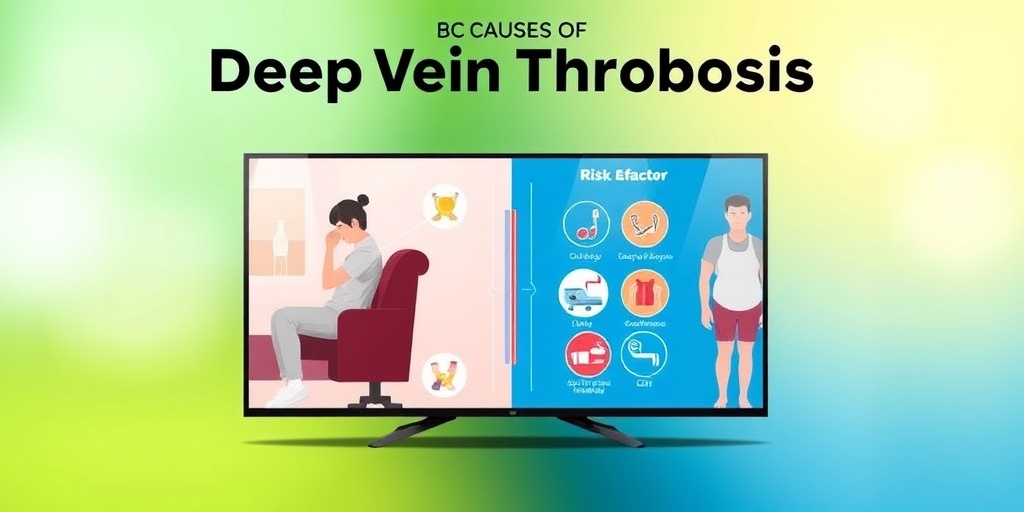
Deep Vein Thrombosis (DVT) is a serious condition that can lead to significant health complications, including pulmonary embolism (PE). Understanding the risk factors associated with DVT is crucial for prevention and early detection. Here are some of the primary risk factors to consider:
1. Prolonged Immobility
One of the most significant risk factors for DVT is prolonged immobility. This can occur during long flights, extended car rides, or even long hospital stays. When blood flow is restricted, it increases the likelihood of clot formation in the deep veins of the legs or arms.
2. Age
As we age, the risk of developing DVT increases. Individuals over the age of 60 are particularly susceptible due to changes in blood flow and vein health. It’s essential for older adults to be aware of their risk and take preventive measures.
3. Obesity
Excess body weight can put additional pressure on the veins in the legs, making it harder for blood to flow properly. This can lead to an increased risk of DVT. Maintaining a healthy weight through diet and exercise is vital for reducing this risk factor.
4. Medical Conditions
Certain medical conditions can elevate the risk of DVT. These include:
- Heart disease: Conditions that affect heart function can impact blood circulation.
- Cancer: Some cancers and their treatments can increase clotting tendencies.
- Autoimmune disorders: Conditions like lupus can affect blood clotting mechanisms.
5. Hormonal Factors
Hormonal changes, particularly those related to pregnancy or hormone replacement therapy, can increase the risk of DVT. Pregnant women are at a higher risk due to increased blood volume and changes in blood flow. It’s important for women to discuss these risks with their healthcare providers.
6. Family History
A family history of DVT or clotting disorders can also increase your risk. Genetic factors can play a significant role in how your body processes blood clotting, making it essential to be aware of your family’s medical history.
7. Smoking
Smoking is another risk factor that can contribute to DVT. It damages blood vessels and affects circulation, increasing the likelihood of clot formation. Quitting smoking can significantly reduce this risk.
DVT Causes
Understanding the causes of Deep Vein Thrombosis (DVT) is essential for prevention and management. DVT occurs when a blood clot forms in a deep vein, typically in the legs or arms. Here are some of the primary causes of DVT:
1. Blood Flow Disruption
Any condition that disrupts normal blood flow can lead to DVT. This includes:
- Injury: Trauma to a vein can cause blood to clot.
- Surgery: Major surgeries, especially those involving the legs or abdomen, can increase the risk of DVT.
2. Hypercoagulability
Some individuals have a predisposition to develop blood clots due to hypercoagulable states. This can be caused by:
- Genetic disorders: Conditions like Factor V Leiden can increase clotting risk.
- Medications: Certain medications, including birth control pills and hormone replacement therapy, can affect clotting.
3. Venous Insufficiency
Chronic venous insufficiency occurs when veins struggle to send blood back to the heart. This condition can lead to increased pressure in the veins, making clot formation more likely.
4. Dehydration
Dehydration can thicken the blood, making it more prone to clotting. Staying well-hydrated is essential, especially during long periods of immobility.
5. Lifestyle Factors
Certain lifestyle choices can contribute to the development of DVT. These include:
- Lack of physical activity: Regular exercise promotes healthy blood circulation.
- Poor diet: A diet high in saturated fats can contribute to obesity and other risk factors.
By understanding the risk factors and causes of Deep Vein Thrombosis (DVT), individuals can take proactive steps to reduce their risk and maintain better vascular health. 🩺💪
DVT Diagnosis
Diagnosing Deep Vein Thrombosis (DVT) is crucial for preventing serious complications, such as pulmonary embolism (PE). If you suspect you have DVT, it’s important to seek medical attention promptly. Here’s what you need to know about the diagnostic process.
Initial Assessment
The diagnosis of DVT typically begins with a thorough medical history and physical examination. Your healthcare provider will ask about your symptoms, risk factors, and any recent surgeries or prolonged periods of immobility. Common symptoms of DVT include:
- Swelling in one leg or arm
- Pain or tenderness in the affected area
- Warmth in the skin over the affected vein
- Red or discolored skin
Diagnostic Tests
If DVT is suspected, your doctor may recommend one or more of the following tests:
- Ultrasound: This is the most common test for diagnosing DVT. It uses sound waves to create images of the blood flow in your veins.
- D-dimer test: This blood test measures the presence of a substance that’s released when a blood clot breaks up. High levels may indicate the presence of a clot, but further testing is usually required.
- Venography: In rare cases, a venogram may be performed. This involves injecting a contrast dye into a large vein in your foot or ankle, followed by X-rays to visualize the veins.
It’s essential to get an accurate diagnosis, as untreated DVT can lead to serious complications. If you experience symptoms, don’t hesitate to consult a healthcare professional. 🩺
DVT Treatment Options
Once diagnosed, the treatment for Deep Vein Thrombosis (DVT) aims to prevent the clot from growing and to reduce the risk of complications. Here are the primary treatment options available:
Anticoagulants
Anticoagulants, commonly known as blood thinners, are the first line of treatment for DVT. They help prevent the clot from getting larger and reduce the risk of new clots forming. Common anticoagulants include:
- Heparin: Often administered via injection, heparin works quickly to prevent further clotting.
- Warfarin: This oral medication is used for long-term treatment and requires regular blood tests to monitor its effects.
- Direct oral anticoagulants (DOACs): Medications like rivaroxaban and apixaban are newer options that don’t require regular monitoring.
Thrombolytics
In severe cases of DVT, especially when there’s a risk of PE, thrombolytics may be used. These medications dissolve blood clots quickly but come with a higher risk of bleeding. They are typically reserved for serious situations.
Compression Stockings
To help reduce swelling and prevent complications, your doctor may recommend wearing compression stockings. These specially designed stockings apply pressure to your legs, promoting blood flow and reducing discomfort. They are particularly useful during recovery.
Inferior Vena Cava (IVC) Filter
In some cases, an IVC filter may be placed in the large vein (inferior vena cava) to catch any clots that may travel to the lungs. This option is usually considered for patients who cannot take anticoagulants due to bleeding risks.
Lifestyle Changes and Prophylaxis
In addition to medical treatments, making certain lifestyle changes can help manage DVT and reduce the risk of recurrence. Consider the following:
- Stay active: Regular physical activity can improve circulation and reduce the risk of clots.
- Avoid prolonged immobility: If you’re traveling or sitting for long periods, take breaks to move around.
- Maintain a healthy weight: Obesity is a significant risk factor for DVT.
Understanding your treatment options is vital for managing Deep Vein Thrombosis (DVT). Always consult with your healthcare provider to determine the best course of action tailored to your specific needs. 💊
DVT Prevention Strategies
Deep Vein Thrombosis (DVT) is a serious condition that can lead to significant health complications, including pulmonary embolism (PE). Fortunately, there are several effective strategies to help prevent DVT, especially for individuals at higher risk. Here are some key prevention strategies to consider:
1. Stay Active
Regular physical activity is one of the best ways to prevent DVT. Engaging in exercises that promote blood circulation can significantly reduce your risk. Aim for at least 30 minutes of moderate exercise most days of the week. Activities like walking, swimming, or cycling are excellent choices. 🏃♂️
2. Maintain a Healthy Weight
Being overweight can increase your risk of developing DVT. Maintaining a healthy weight through a balanced diet and regular exercise can help reduce this risk. Focus on consuming a diet rich in fruits, vegetables, whole grains, and lean proteins. 🍏🥦
3. Stay Hydrated
Dehydration can lead to thicker blood, increasing the risk of clot formation. Ensure you drink plenty of fluids, especially if you are traveling or spending long periods sitting. Aim for at least 8-10 glasses of water daily. 💧
4. Wear Compression Stockings
Compression stockings can help improve blood flow in your legs, reducing the risk of DVT. These specially designed stockings apply pressure to your legs, helping to prevent blood from pooling. They are particularly beneficial for individuals who are at higher risk, such as those undergoing surgery or long flights. 🧦
5. Avoid Prolonged Sitting or Standing
If your job requires long periods of sitting or standing, take regular breaks to move around. Simple leg exercises, such as ankle pumps or calf raises, can help keep blood flowing. If traveling, try to stand up and walk around every hour. ✈️
6. Discuss Medication Options
For individuals at high risk of DVT, such as those with a history of blood clots or certain medical conditions, your doctor may recommend anticoagulant medications. These medications help prevent clot formation and can be crucial in high-risk situations, such as post-surgery recovery. 💊
DVT Complications
While DVT can often be managed effectively, it can lead to serious complications if not treated promptly. Understanding these complications is essential for recognizing the importance of early intervention.
1. Pulmonary Embolism (PE)
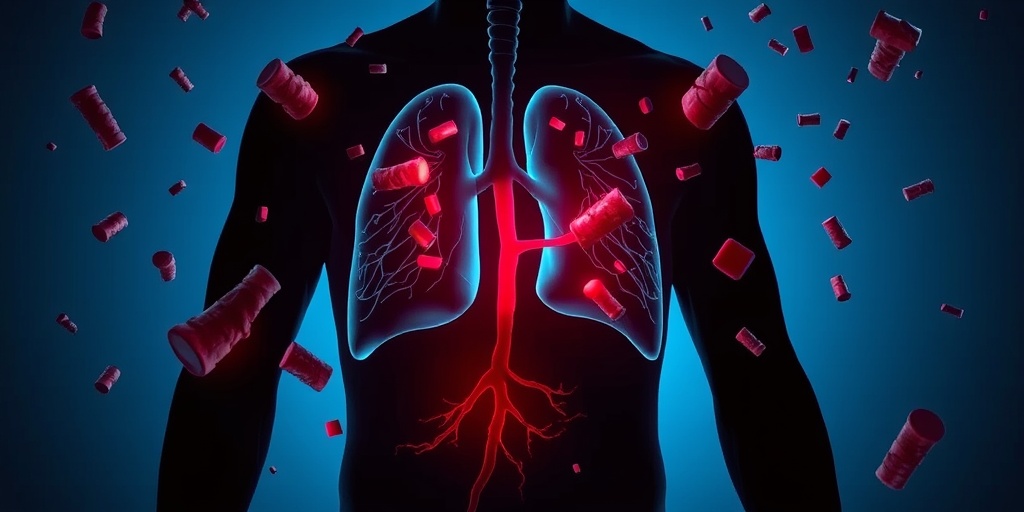
The most severe complication of DVT is pulmonary embolism, which occurs when a blood clot breaks free and travels to the lungs. This can cause symptoms such as sudden shortness of breath, chest pain, and coughing up blood. PE can be life-threatening and requires immediate medical attention. 🚑
2. Post-Thrombotic Syndrome (PTS)
Post-thrombotic syndrome is a long-term complication that can occur after a DVT. It can lead to chronic pain, swelling, and skin changes in the affected leg. PTS can significantly impact a person’s quality of life and may require ongoing management. Symptoms may include:
- Swelling in the leg
- Pain or cramping
- Skin discoloration
- Varicose veins
3. Recurrence of DVT
Individuals who have had a DVT are at an increased risk of developing another one. This recurrence can happen even after successful treatment. Therefore, it’s crucial to follow preventive measures and maintain regular check-ups with your healthcare provider. 🔄
4. Chronic Venous Insufficiency (CVI)
Chronic venous insufficiency can develop as a result of DVT, leading to poor blood flow in the legs. This condition can cause symptoms such as swelling, pain, and skin changes. Managing CVI often requires lifestyle changes and medical treatment to improve circulation. 🦵
Understanding the prevention strategies and potential complications of Deep Vein Thrombosis (DVT) is vital for maintaining your health. By taking proactive steps, you can significantly reduce your risk and ensure a healthier future.
Frequently Asked Questions about Deep Vein Thrombosis (DVT)
What is Deep Vein Thrombosis (DVT)?
Deep Vein Thrombosis (DVT) is a medical condition characterized by the formation of a blood clot in a deep vein, typically in the legs. This condition can lead to serious complications if not treated promptly.
What are the symptoms of Deep Vein Thrombosis (DVT)? 🤔
Common symptoms of Deep Vein Thrombosis (DVT) include:
- Swelling in the affected leg or arm
- Pain or tenderness, often described as a cramp or soreness
- Red or discolored skin
- Warmth in the affected area
What causes Deep Vein Thrombosis (DVT)? 🩸
Several factors can contribute to the development of Deep Vein Thrombosis (DVT), including:
- Prolonged immobility (e.g., long flights or bed rest)
- Injury to a vein
- Certain medical conditions (e.g., cancer, heart disease)
- Hormonal changes (e.g., pregnancy, birth control pills)
How is Deep Vein Thrombosis (DVT) treated? 💊
Treatment options for Deep Vein Thrombosis (DVT) may include:
- Anticoagulant medications to prevent further clotting
- Compression stockings to reduce swelling
- In some cases, procedures to remove the clot
What is the relationship between Deep Vein Thrombosis (DVT) and pulmonary embolism (PE)? 🌬️
Deep Vein Thrombosis (DVT) can lead to a serious condition known as pulmonary embolism (PE), where a clot breaks free and travels to the lungs, potentially causing life-threatening complications. It is crucial to seek immediate medical attention if you suspect DVT.
How can Deep Vein Thrombosis (DVT) be prevented? 🚶♂️
Preventive measures for Deep Vein Thrombosis (DVT) include:
- Staying active and exercising regularly
- Avoiding prolonged periods of immobility
- Wearing compression stockings during long travels
- Following medical advice if you have risk factors
What is the ICD-10 code for Deep Vein Thrombosis (DVT)? 📋
The ICD-10 code for Deep Vein Thrombosis (DVT) is I82.4, which is used for medical billing and documentation purposes.
Can Deep Vein Thrombosis (DVT) occur in the arms? 🤷♀️
Yes, while Deep Vein Thrombosis (DVT) is most commonly found in the legs, it can also occur in the arms. Symptoms and treatment are similar to those for leg DVT.
What is DVT prophylaxis? 🛡️
DVT prophylaxis refers to preventive measures taken to reduce the risk of developing Deep Vein Thrombosis (DVT), especially in individuals at high risk. This may include medication, lifestyle changes, and the use of compression devices.