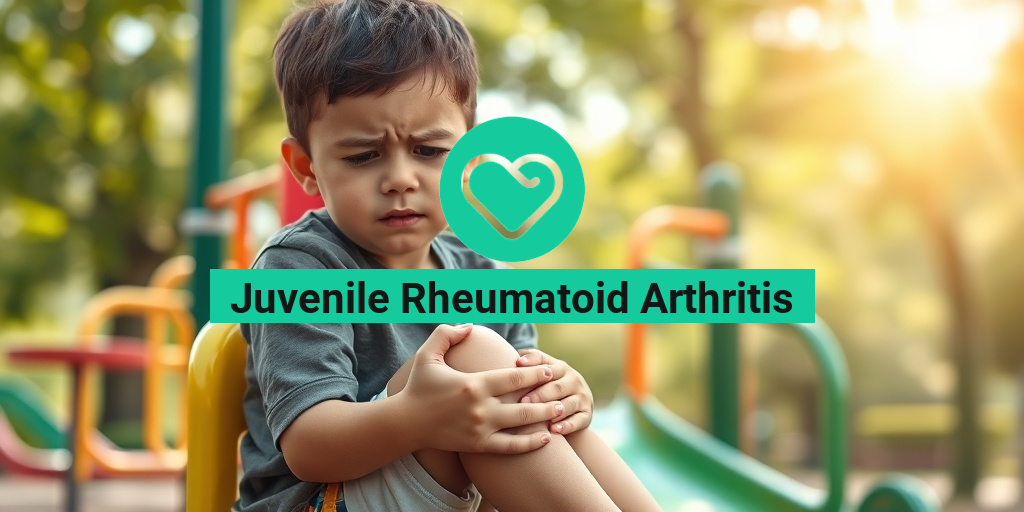
What Is Juvenile Rheumatoid Arthritis?
Juvenile Rheumatoid Arthritis (JRA), also known as Juvenile Idiopathic Arthritis (JIA), is a chronic inflammatory condition that affects children under the age of 16. This autoimmune disorder occurs when the immune system mistakenly attacks the body’s own tissues, leading to inflammation in the joints. The exact cause of JRA remains unclear, but genetic and environmental factors are believed to play a role.
JRA is characterized by persistent joint pain, swelling, and stiffness, which can significantly impact a child’s daily activities and overall quality of life. Unlike adult rheumatoid arthritis, JRA can manifest in various forms, each with its own set of symptoms and potential complications. Understanding the nature of this condition is crucial for early diagnosis and effective management.
Types of Juvenile Rheumatoid Arthritis
There are several types of JRA, each with distinct characteristics:
- Oligoarticular JRA: This is the most common form, affecting four or fewer joints. It often involves the knees and can lead to complications like eye inflammation.
- Polyarticular JRA: This type affects five or more joints and can be symmetrical, meaning it impacts both sides of the body equally. It may resemble adult rheumatoid arthritis.
- Systemic JRA: This form affects the entire body, causing fever, rash, and inflammation of internal organs, in addition to joint symptoms.
Recognizing the type of JRA is essential for tailoring treatment plans and improving outcomes for affected children.
Juvenile Rheumatoid Arthritis Symptoms
The symptoms of Juvenile Rheumatoid Arthritis can vary widely among children, but some common signs to watch for include:
Joint Symptoms
- Pain: Children may complain of joint pain, especially after periods of inactivity or in the morning.
- Swelling: Inflammation can cause noticeable swelling in the affected joints.
- Stiffness: Many children experience stiffness, particularly after waking up or sitting for long periods.
Systemic Symptoms
- Fever: Some children may experience intermittent fevers that can last for days or weeks.
- Rash: A distinctive rash may appear, particularly in systemic JRA, often resembling small, pale spots.
- Fatigue: Chronic inflammation can lead to fatigue and a general feeling of being unwell.
Impact on Daily Life
The symptoms of JRA can significantly affect a child’s daily life, including their ability to participate in sports, play with friends, and engage in school activities. Early diagnosis and intervention are crucial to managing symptoms and preventing long-term joint damage.
If you suspect your child may have Juvenile Rheumatoid Arthritis, it’s essential to consult a healthcare professional for a thorough evaluation. They may use various diagnostic tools, including blood tests and imaging studies, to confirm the diagnosis and rule out other conditions.
For more information on managing JRA and understanding treatment options, consider visiting Yesil Health AI, a valuable resource for evidence-based health answers.
In conclusion, Juvenile Rheumatoid Arthritis is a complex condition that requires careful attention and management. By recognizing the symptoms early and seeking appropriate treatment, parents can help their children lead active, fulfilling lives despite the challenges posed by this condition. 🌟

Causes of Juvenile Rheumatoid Arthritis
Juvenile Rheumatoid Arthritis (JRA), also known as Juvenile Idiopathic Arthritis (JIA), is a chronic inflammatory condition that affects children and can lead to joint pain, swelling, and stiffness. Understanding the causes of juvenile rheumatoid arthritis is crucial for early diagnosis and effective management. While the exact cause remains unclear, several factors are believed to contribute to the development of this condition.
Genetic Factors
Genetics play a significant role in the onset of juvenile rheumatoid arthritis. Children with a family history of autoimmune diseases are at a higher risk. Specific genes associated with immune system function may predispose children to develop JRA. If a parent or sibling has rheumatoid arthritis or another autoimmune disorder, the likelihood of a child developing JRA increases.
Immune System Dysfunction
JRA is classified as an autoimmune disease, meaning the body’s immune system mistakenly attacks its own tissues. In the case of JRA, the immune system targets the synovium, the lining of the joints, leading to inflammation. This dysfunction can be triggered by various environmental factors, including infections or exposure to certain toxins, although the exact triggers are still under investigation.
Environmental Triggers
While genetics and immune system factors are significant, environmental triggers may also play a role in the development of juvenile rheumatoid arthritis. Some potential triggers include:
- Infections: Certain viral or bacterial infections may initiate the autoimmune response in susceptible children.
- Exposure to Toxins: Chemicals and pollutants in the environment could potentially trigger JRA in genetically predisposed individuals.
- Dietary Factors: Some studies suggest that diet may influence inflammation levels, although more research is needed to establish a direct link.
Risk Factors for Juvenile Rheumatoid Arthritis
Identifying the risk factors for juvenile rheumatoid arthritis can help in early detection and intervention. While anyone can develop JRA, certain factors increase the likelihood of its occurrence.
Age and Gender
Juvenile rheumatoid arthritis typically affects children under the age of 16, with the onset often occurring between the ages of 1 and 3. Interestingly, the condition is more prevalent in girls than boys, with studies indicating that girls are affected at a rate of approximately 2:1 compared to boys. This gender disparity suggests that hormonal differences may influence the development of JRA.
Family History
A family history of autoimmune diseases significantly increases the risk of developing juvenile rheumatoid arthritis. If a child has relatives with conditions such as rheumatoid arthritis, lupus, or other autoimmune disorders, their risk of developing JRA is heightened. This familial connection underscores the importance of genetic predisposition in the disease’s development.
Other Autoimmune Disorders
Children with other autoimmune disorders are at a higher risk of developing JRA. Conditions such as psoriasis or inflammatory bowel disease can coexist with JRA, indicating a shared underlying immune dysfunction. If a child has been diagnosed with another autoimmune condition, it is essential for parents to monitor for symptoms of JRA closely.
Ethnicity
Research has shown that certain ethnic groups may be more susceptible to juvenile rheumatoid arthritis. For instance, children of Caucasian descent are reported to have a higher incidence of JRA compared to those of African or Asian descent. Understanding these ethnic disparities can aid in recognizing at-risk populations and ensuring timely medical attention.
In conclusion, while the precise causes of juvenile rheumatoid arthritis remain elusive, a combination of genetic, environmental, and immunological factors contribute to its development. Recognizing the risk factors associated with JRA can empower parents and caregivers to seek early intervention, ultimately improving outcomes for affected children. 🌟

Diagnosing Juvenile Rheumatoid Arthritis
Diagnosing Juvenile Rheumatoid Arthritis (JRA) can be a complex process, as it often mimics other conditions and varies significantly from one child to another. Early diagnosis is crucial for effective management and to prevent long-term joint damage. Here’s what you need to know about the diagnostic process.
Understanding the Symptoms
The first step in diagnosing JRA is recognizing the symptoms. Common signs include:
- Joint Pain and Swelling: Often affecting the knees, wrists, and hands.
- Stiffness: Particularly noticeable in the morning or after periods of inactivity.
- Fatigue: Children may feel unusually tired or lethargic.
- Fever: Some children experience intermittent fevers.
- Rash: A distinctive rash may appear, particularly in systemic forms of JRA.
Medical History and Physical Examination
A thorough medical history is essential. The healthcare provider will ask about:
- Family history of autoimmune diseases.
- Duration and pattern of symptoms.
- Any previous illnesses or injuries.
During the physical examination, the doctor will assess joint swelling, tenderness, and range of motion. This helps to determine which joints are affected and the severity of the condition.
Diagnostic Tests
While there is no single test for JRA, several diagnostic tests can aid in the evaluation:
- Blood Tests: These tests check for inflammation markers (like ESR and CRP) and specific antibodies (such as rheumatoid factor and anti-CCP).
- X-rays: Imaging can reveal joint damage or changes over time.
- Ultrasound or MRI: These imaging techniques can provide detailed views of joint inflammation and damage.
It’s important to note that diagnosing JRA can take time, and a pediatric rheumatologist may be involved for a comprehensive evaluation. Early intervention can significantly improve outcomes for children with this condition.
Treatment Options for Juvenile Rheumatoid Arthritis
Once diagnosed, the next step is to explore treatment options for Juvenile Rheumatoid Arthritis. The goal of treatment is to reduce inflammation, relieve pain, and maintain joint function. Here are the primary treatment strategies:
Medications
Medications play a crucial role in managing JRA. Commonly prescribed options include:
- Nonsteroidal Anti-Inflammatory Drugs (NSAIDs): These help reduce pain and inflammation. Examples include ibuprofen and naproxen.
- DMARDs (Disease-Modifying Antirheumatic Drugs): Medications like methotrexate can slow disease progression and prevent joint damage.
- Biologics: Targeted therapies that can be effective for children who do not respond to traditional treatments. Examples include etanercept and adalimumab.
- Corticosteroids: These may be used for short-term relief of severe symptoms.
Physical Therapy
Physical therapy is an essential component of treatment. A physical therapist can design a personalized exercise program to:
- Improve flexibility and strength.
- Enhance joint function.
- Reduce stiffness and pain.
Regular physical activity is vital for maintaining mobility and overall health. Activities like swimming and cycling can be particularly beneficial. 🏊♂️🚴♀️
Diet and Lifestyle Modifications
While there is no specific diet for JRA, a balanced diet rich in anti-inflammatory foods can support overall health. Consider incorporating:
- Fruits and Vegetables: Rich in antioxidants.
- Omega-3 Fatty Acids: Found in fish, flaxseeds, and walnuts.
- Whole Grains: Such as brown rice and quinoa.
Additionally, maintaining a healthy weight can reduce stress on the joints, which is crucial for children with JRA.
Emotional Support and Education
Living with JRA can be challenging for both children and their families. Providing emotional support and education about the condition is vital. Support groups and counseling can help children cope with the emotional aspects of living with a chronic illness.
In conclusion, while the journey of managing Juvenile Rheumatoid Arthritis can be daunting, a comprehensive treatment plan involving medications, physical therapy, lifestyle changes, and emotional support can lead to improved outcomes and a better quality of life for affected children. 🌈

Living with Juvenile Rheumatoid Arthritis
Juvenile Rheumatoid Arthritis (JRA), also known as Juvenile Idiopathic Arthritis (JIA), is a chronic inflammatory condition that affects children and adolescents. Living with JRA can be challenging, not just for the young patients but also for their families. Understanding the condition, its symptoms, and effective management strategies is crucial for improving the quality of life for those affected.
Understanding the Symptoms
Recognizing the symptoms of juvenile rheumatoid arthritis is the first step towards effective management. Common symptoms include:
- Joint Pain and Swelling: Often affecting the knees, wrists, and hands, joint pain can be persistent or intermittent.
- Stiffness: Particularly noticeable in the morning or after periods of inactivity.
- Fatigue: Children may feel unusually tired or lethargic due to the body’s ongoing inflammation.
- Fever and Rash: Some children may experience fever and a rash, which can be indicative of systemic involvement.
It’s essential for parents and caregivers to monitor these symptoms closely and consult with healthcare professionals for appropriate interventions.
Daily Management Strategies
Managing juvenile rheumatoid arthritis involves a combination of medical treatment and lifestyle adjustments. Here are some effective strategies:
- Medication: Treatment often includes nonsteroidal anti-inflammatory drugs (NSAIDs), disease-modifying antirheumatic drugs (DMARDs), and biologics. Regular consultations with a pediatric rheumatologist are vital to tailor the treatment plan.
- Physical Therapy: Engaging in physical therapy can help maintain joint function and improve mobility. A physical therapist can design a personalized exercise program that suits the child’s needs.
- Healthy Diet: A balanced diet rich in anti-inflammatory foods, such as fruits, vegetables, and omega-3 fatty acids, can support overall health and potentially reduce inflammation.
- Emotional Support: Living with a chronic condition can be emotionally taxing. Providing emotional support through counseling or support groups can help children cope with their feelings and experiences.
Creating a Supportive Environment
Creating a supportive environment at home and school is essential for children with juvenile rheumatoid arthritis. Here are some tips:
- Educate Family and Friends: Help those around the child understand JRA, its symptoms, and how they can offer support.
- Encourage Open Communication: Foster an environment where the child feels comfortable expressing their feelings and concerns about their condition.
- Adapt Activities: Modify physical activities to accommodate the child’s abilities, ensuring they can participate without overexertion.
Juvenile Rheumatoid Arthritis Outlook
The outlook for children diagnosed with juvenile rheumatoid arthritis varies significantly based on several factors, including the severity of the disease, the age of onset, and the response to treatment. Understanding the potential long-term effects and management strategies can empower families to navigate this journey more effectively.
Long-Term Prognosis
Many children with juvenile rheumatoid arthritis can lead active, fulfilling lives. Some key points regarding the long-term outlook include:
- Remission Possibilities: Many children experience periods of remission where symptoms significantly decrease or disappear entirely. Early and aggressive treatment can increase the chances of achieving remission.
- Joint Damage: If left untreated, JRA can lead to joint damage and functional impairment. Regular monitoring and treatment are crucial to minimize these risks.
- Transition to Adulthood: As children with JRA grow into adulthood, they may face unique challenges. Ongoing care and support from healthcare providers can help manage symptoms and maintain quality of life.
Importance of Regular Check-Ups
Regular check-ups with a healthcare provider are essential for monitoring the condition and adjusting treatment plans as necessary. These visits can help:
- Track Disease Progression: Regular assessments can identify any changes in the disease’s activity level.
- Adjust Medications: As children grow, their treatment needs may change, necessitating adjustments in medication.
- Provide Support: Healthcare providers can offer resources and support for both the child and their family, ensuring they have access to the latest information and treatment options.
In conclusion, while living with juvenile rheumatoid arthritis presents challenges, understanding the condition and implementing effective management strategies can significantly improve the quality of life for affected children and their families. With the right support and treatment, many children can thrive despite their diagnosis. 🌈

Frequently Asked Questions about Juvenile Rheumatoid Arthritis
What is Juvenile Rheumatoid Arthritis?
Juvenile Rheumatoid Arthritis (JRA) is a type of arthritis that affects children. It causes inflammation in the joints, leading to pain, swelling, and stiffness. This condition can impact a child’s growth and development if not managed properly.
What are the common symptoms of Juvenile Rheumatoid Arthritis?
- Joint pain and swelling
- Stiffness in the morning or after sitting for long periods
- Fatigue and general malaise
- Fever and rash in some cases
How is Juvenile Rheumatoid Arthritis diagnosed?
Diagnosis typically involves a combination of physical examinations, medical history, and imaging tests. Doctors may also use blood tests to check for specific markers associated with juvenile rheumatoid arthritis.
What are the treatment options for Juvenile Rheumatoid Arthritis?
Treatment for juvenile rheumatoid arthritis may include:
- Nonsteroidal anti-inflammatory drugs (NSAIDs) to reduce pain and inflammation
- Corticosteroids for severe cases
- DMARDs (Disease-Modifying Antirheumatic Drugs) to slow disease progression
- Physical therapy to maintain joint function
Can Juvenile Rheumatoid Arthritis go into remission?
Yes, many children with juvenile rheumatoid arthritis can experience periods of remission where symptoms improve significantly or disappear entirely. However, ongoing monitoring and management are essential to maintain joint health.
What is the difference between Juvenile Rheumatoid Arthritis and adult rheumatoid arthritis?
While both conditions involve joint inflammation, juvenile rheumatoid arthritis occurs in children and may have different symptoms and treatment approaches compared to adult rheumatoid arthritis. The long-term outlook and disease progression can also vary between the two.
Is there a specific ICD-10 code for Juvenile Rheumatoid Arthritis?
Yes, the ICD-10 code for juvenile rheumatoid arthritis is M08.0, which is used for medical billing and documentation purposes.
What lifestyle changes can help manage Juvenile Rheumatoid Arthritis?
- Regular exercise to maintain joint flexibility
- Healthy diet rich in anti-inflammatory foods
- Stress management techniques such as yoga or meditation
Where can I find more information about Juvenile Rheumatoid Arthritis?
For more information, consult healthcare professionals or visit reputable health websites that specialize in pediatric conditions and arthritis.