What Is Johnson-Stevens Disease?
Johnson-Stevens Disease, often referred to as Stevens-Johnson Syndrome (SJS), is a rare but serious condition that primarily affects the skin and mucous membranes. This disorder is characterized by a severe reaction that can be triggered by medications, infections, or other underlying health issues. The condition leads to the detachment of the epidermis, resulting in painful blisters and lesions. Understanding this disease is crucial for early recognition and treatment, which can significantly impact recovery outcomes.
The exact cause of Johnson-Stevens Disease is not fully understood, but it is often associated with certain medications, including:
- Antibiotics
- Anticonvulsants
- Non-steroidal anti-inflammatory drugs (NSAIDs)
In some cases, infections such as herpes or pneumonia can also trigger this condition. It is essential to note that Johnson-Stevens Disease is considered a medical emergency, and immediate attention is required to prevent severe complications.
How Is Johnson-Stevens Disease Diagnosed?
Diagnosis of Johnson-Stevens Disease typically involves a thorough medical history and physical examination. Healthcare providers may look for:
- Recent medication use
- Symptoms of skin and mucous membrane involvement
- Blood tests to rule out other conditions
In some cases, a skin biopsy may be performed to confirm the diagnosis. Early diagnosis is critical, as it allows for prompt treatment and can help mitigate the severity of the disease.
Johnson-Stevens Disease Symptoms
The symptoms of Johnson-Stevens Disease can vary widely among individuals, but they typically begin with flu-like symptoms, followed by more severe manifestations. Recognizing these symptoms early can be vital for effective treatment. Here are some common symptoms to watch for:
Initial Symptoms
- Fever: Often one of the first signs, a high fever may accompany the onset of the disease.
- Fatigue: A general feeling of tiredness and malaise is common.
- Body Aches: Muscle and joint pain may occur, resembling flu symptoms.
Skin Symptoms
As the disease progresses, more severe symptoms may develop, particularly affecting the skin:
- Blistering: Painful blisters may form on the skin and mucous membranes, including the mouth, eyes, and genital areas.
- Skin Peeling: The top layer of skin may begin to peel away, leading to open sores.
- Rash: A red or purplish rash may appear, often spreading rapidly.
Mucous Membrane Symptoms
Johnson-Stevens Disease can also severely affect mucous membranes, leading to:
- Conjunctivitis: Inflammation of the eyes can cause redness, pain, and sensitivity to light.
- Oral Lesions: Painful sores in the mouth can make eating and drinking difficult.
- Genital Lesions: Similar painful sores may develop in the genital area.
When to Seek Medical Attention
If you or someone you know is experiencing symptoms of Johnson-Stevens Disease, it is crucial to seek medical attention immediately. Early intervention can significantly improve outcomes and reduce the risk of complications. Remember, this condition can escalate quickly, so don’t hesitate to reach out to a healthcare professional.
For more information and resources on Johnson-Stevens Disease, consider visiting Yesil Health AI, where you can find evidence-based health answers and support.
In conclusion, understanding Johnson-Stevens Disease is essential for recognizing its symptoms and seeking timely treatment. By being informed, you can help protect yourself and others from this serious condition. Stay vigilant and prioritize your health! 🌟
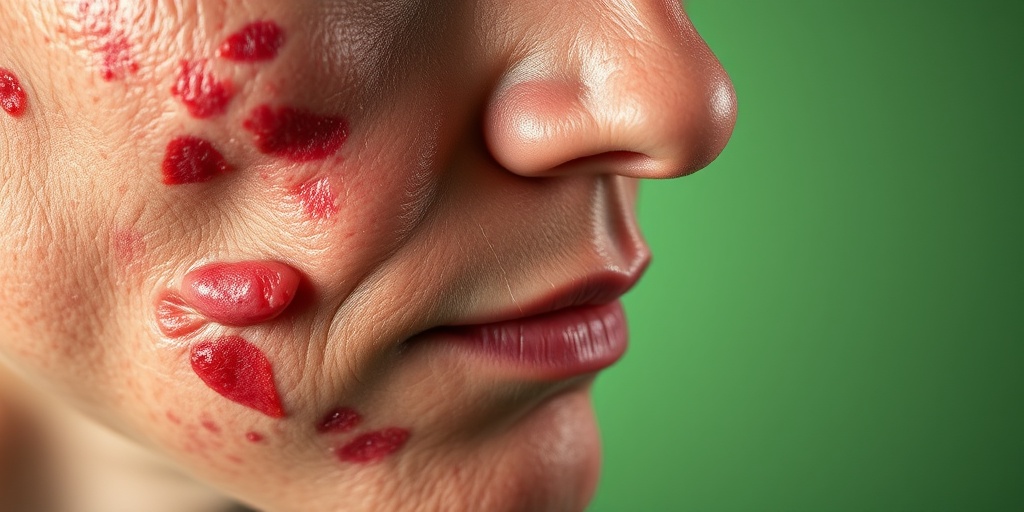
Causes of Johnson-Stevens Disease
Johnson-Stevens Disease, also known as Stevens-Johnson Syndrome (SJS), is a rare but serious condition that primarily affects the skin and mucous membranes. Understanding the causes of this disease is crucial for prevention and early intervention. While the exact cause of Johnson-Stevens Disease remains unclear, several factors have been identified that can trigger its onset.
Medications
One of the most common triggers for Johnson-Stevens Disease is the use of certain medications. Some of the drugs that have been associated with SJS include:
- Antibiotics: Particularly sulfonamides and penicillins.
- Anticonvulsants: Such as phenytoin and carbamazepine.
- Non-steroidal anti-inflammatory drugs (NSAIDs): Including ibuprofen and naproxen.
- Allopurinol: Often used to treat gout.
It’s essential to consult with a healthcare provider before starting any new medication, especially if you have a history of drug allergies.
Infections
Certain infections can also lead to the development of Johnson-Stevens Disease. Viral infections, particularly those caused by:
- Herpes Simplex Virus: Known for causing cold sores.
- HIV: The virus that causes AIDS.
- Mycoplasma pneumoniae: A type of bacteria that can cause respiratory infections.
These infections can trigger an immune response that may result in the symptoms associated with SJS.
Genetic Factors
Some individuals may have a genetic predisposition to Johnson-Stevens Disease. Certain genetic markers have been linked to an increased risk of developing SJS, particularly in response to specific medications. If you have a family history of drug reactions or skin disorders, it’s important to discuss this with your healthcare provider.
Other Potential Triggers
In addition to medications and infections, other factors may contribute to the onset of Johnson-Stevens Disease, including:
- Vaccinations: Rarely, some vaccines have been implicated.
- Environmental Factors: Such as exposure to chemicals or toxins.
- Stress: Physical or emotional stress may also play a role.
Awareness of these potential triggers can help in taking preventive measures and seeking timely medical attention.
Risk Factors for Johnson-Stevens Disease
Identifying the risk factors associated with Johnson-Stevens Disease is vital for early detection and management. While anyone can develop SJS, certain individuals are at a higher risk due to various factors.
Age
Age can significantly influence the risk of developing Johnson-Stevens Disease. It is more commonly seen in:
- Young Adults: Particularly those between the ages of 20 and 40.
- Children: Although less common, children can also be affected.
Existing Health Conditions
Individuals with pre-existing health conditions may have a higher susceptibility to Johnson-Stevens Disease. Conditions that can increase risk include:
- Autoimmune Disorders: Such as lupus or rheumatoid arthritis.
- HIV/AIDS: Compromised immune systems can lead to increased vulnerability.
- Previous Episodes of SJS: A history of Stevens-Johnson Syndrome increases the likelihood of recurrence.
Genetic Predisposition
As mentioned earlier, genetic factors can play a role in the risk of developing Johnson-Stevens Disease. Certain genetic markers may predispose individuals to severe reactions from medications, making it essential to be aware of family medical history.
Medication Use
As previously discussed, the use of specific medications is a significant risk factor. If you are prescribed any of the high-risk medications, it’s crucial to monitor for symptoms and communicate with your healthcare provider about any concerns.
Environmental Exposures
Exposure to certain environmental factors, such as chemicals or toxins, can also increase the risk of developing Johnson-Stevens Disease. Occupational hazards or exposure to harmful substances should be taken seriously, and protective measures should be implemented.
In conclusion, understanding the causes and risk factors associated with Johnson-Stevens Disease is essential for prevention and early intervention. If you or someone you know is at risk, staying informed and vigilant can make a significant difference in outcomes. 🌟

Diagnosing Johnson-Stevens Disease
Diagnosing Johnson-Stevens Disease can be a complex process, as it often mimics other skin conditions. This rare disorder, also known as Stevens-Johnson Syndrome (SJS), is characterized by a severe reaction that affects the skin and mucous membranes. Early diagnosis is crucial for effective treatment and to prevent complications.
Recognizing Symptoms
The first step in diagnosing Johnson-Stevens Disease is recognizing its symptoms. Common signs include:
- Flu-like symptoms: Initial symptoms often resemble those of the flu, including fever, sore throat, and fatigue.
- Skin rash: A painful rash that can develop into blisters and cause skin peeling.
- Mucous membrane involvement: Ulcers may appear in the mouth, eyes, and genital areas.
- Respiratory issues: In severe cases, patients may experience difficulty breathing.
If you or someone you know is experiencing these symptoms, it’s essential to seek medical attention promptly. Early intervention can significantly improve outcomes.
Medical Evaluation
Upon visiting a healthcare provider, a thorough medical history and physical examination will be conducted. The physician may ask about:
- Recent medications taken, as certain drugs are known triggers for Johnson-Stevens Disease.
- Any recent infections or illnesses that could have contributed to the condition.
- Family history of skin disorders or autoimmune diseases.
In some cases, a skin biopsy may be performed to confirm the diagnosis. This involves taking a small sample of skin tissue for laboratory analysis, which can help differentiate Johnson-Stevens Disease from other skin conditions.
Diagnostic Tests
Additional tests may be necessary to assess the severity of the disease and its impact on other organs. These tests can include:
- Blood tests: To check for signs of infection or organ dysfunction.
- Imaging studies: X-rays or CT scans may be used to evaluate lung involvement.
Once a diagnosis of Johnson-Stevens Disease is confirmed, the healthcare team can develop a tailored treatment plan to address the specific needs of the patient.
Johnson-Stevens Disease Treatment Options
Treating Johnson-Stevens Disease requires a comprehensive approach, as the condition can vary significantly in severity. The primary goal of treatment is to alleviate symptoms, manage complications, and promote healing.
Immediate Care
In cases of severe Johnson-Stevens Disease, hospitalization may be necessary. Patients are often treated in specialized burn units or intensive care units where they can receive:
- Fluid replacement: To prevent dehydration and maintain electrolyte balance.
- Pain management: Medications to control pain and discomfort.
- Wound care: Specialized dressings and treatments to promote skin healing.
Medications
Medications play a crucial role in the treatment of Johnson-Stevens Disease. Depending on the severity and underlying causes, treatment options may include:
- Corticosteroids: These anti-inflammatory medications can help reduce inflammation and suppress the immune response.
- Immunosuppressants: In some cases, drugs that suppress the immune system may be prescribed to prevent further skin damage.
- Antibiotics: If there is a risk of infection due to skin breakdown, antibiotics may be necessary.
Supportive Therapies
In addition to medical treatments, supportive therapies can enhance recovery. These may include:
- Physical therapy: To maintain mobility and prevent complications from prolonged bed rest.
- Psychological support: Counseling or support groups can help patients cope with the emotional impact of the disease.
Overall, the treatment of Johnson-Stevens Disease is highly individualized, and ongoing monitoring is essential to ensure the best possible outcomes. If you suspect you or someone you know may be affected by this condition, it’s vital to consult a healthcare professional for an accurate diagnosis and appropriate treatment plan. 🩺

Living with Johnson-Stevens Disease
Living with Johnson-Stevens Disease can be a challenging journey, as this condition significantly impacts the skin and mucous membranes. Understanding the disease, its symptoms, and management strategies is crucial for those affected and their loved ones.
Understanding Johnson-Stevens Disease
Johnson-Stevens Disease, often referred to as Stevens-Johnson Syndrome (SJS), is a severe skin reaction that can be triggered by medications, infections, or other factors. It is characterized by the rapid onset of painful blisters and lesions on the skin and mucous membranes, which can lead to serious complications if not treated promptly.
Symptoms to Watch For
Recognizing the symptoms early can make a significant difference in the management of Johnson-Stevens Disease. Common symptoms include:
- Fever and flu-like symptoms: Often the first signs, these can precede the skin manifestations.
- Red or purple rash: This typically starts on the face and spreads to other parts of the body.
- Blisters: Painful blisters may develop on the skin and mucous membranes, including the mouth and eyes.
- Skin peeling: The affected skin may begin to peel off, resembling a severe burn.
Managing Daily Life with Johnson-Stevens Disease
For those living with Johnson-Stevens Disease, managing daily life can be daunting. Here are some strategies to help cope:
- Regular medical check-ups: Frequent visits to a healthcare provider are essential for monitoring the condition and adjusting treatments as necessary.
- Skin care: Use gentle, fragrance-free products to avoid further irritation. Keeping the skin moisturized can help alleviate discomfort.
- Support networks: Connecting with support groups or online communities can provide emotional support and practical advice from others who understand the challenges.
- Education: Learning about the disease and its triggers can empower patients to make informed decisions about their health.
Emotional and Psychological Support
Living with a chronic condition like Johnson-Stevens Disease can take a toll on mental health. It’s important to seek emotional support through:
- Therapy: Speaking with a mental health professional can help manage anxiety and depression related to the disease.
- Mindfulness and relaxation techniques: Practices such as yoga, meditation, or deep-breathing exercises can help reduce stress.
- Family and friends: Open communication with loved ones about your feelings and experiences can foster understanding and support.
Preventing Johnson-Stevens Disease
While it may not be possible to prevent Johnson-Stevens Disease entirely, there are several strategies that can help reduce the risk of developing this serious condition.
Identifying Triggers
One of the most effective ways to prevent Johnson-Stevens Disease is to identify and avoid known triggers. Common triggers include:
- Certain medications: Some drugs, particularly antibiotics, anticonvulsants, and non-steroidal anti-inflammatory drugs (NSAIDs), have been linked to SJS.
- Infections: Viral infections, such as herpes or influenza, can also trigger the disease.
Medication Awareness
If you have a history of drug allergies or previous reactions, it’s crucial to inform your healthcare provider. They can help you:
- Choose safer alternatives: Discuss alternative medications that carry a lower risk of triggering Johnson-Stevens Disease.
- Monitor for reactions: If starting a new medication, be vigilant for any signs of adverse reactions, especially in the first few weeks.
Healthy Lifestyle Choices
Maintaining a healthy lifestyle can bolster your immune system and overall health, potentially reducing the risk of infections that could trigger Johnson-Stevens Disease. Consider the following:
- Balanced diet: Eating a variety of fruits, vegetables, whole grains, and lean proteins can support your immune system.
- Regular exercise: Engaging in physical activity can improve overall health and reduce stress.
- Hydration: Staying well-hydrated is essential for skin health and overall well-being.
By understanding Johnson-Stevens Disease and taking proactive steps, individuals can better manage their health and reduce the risk of complications. Remember, early detection and intervention are key to navigating this challenging condition successfully. 🌟

Frequently Asked Questions about Johnson-Stevens Disease
What is Johnson-Stevens Disease?
Johnson-Stevens Disease, also known as Stevens-Johnson Syndrome (SJS), is a rare but serious condition that affects the skin and mucous membranes. It is often triggered by medications, infections, or other factors, leading to painful rashes and blisters.
What causes Johnson-Stevens Disease?
The exact cause of Johnson-Stevens Disease can vary, but it is commonly associated with certain medications, such as antibiotics and anticonvulsants. Infections, particularly viral infections like herpes or influenza, can also trigger this condition.
What are the symptoms of Johnson-Stevens Disease?
Symptoms of Johnson-Stevens Disease may include:
- Severe skin rash
- Blistering of the skin and mucous membranes
- Fever and flu-like symptoms
- Painful sores in the mouth, throat, or eyes
How is Johnson-Stevens Disease diagnosed?
Diagnosis of Johnson-Stevens Disease typically involves a physical examination and a review of the patient’s medical history. In some cases, a skin biopsy may be performed to confirm the diagnosis.
What are the treatment options for Johnson-Stevens Disease?
Treatment for Johnson-Stevens Disease focuses on relieving symptoms and preventing complications. This may include:
- Discontinuing any suspected medications
- Providing supportive care, such as hydration and pain management
- Using topical treatments for skin lesions
- In severe cases, hospitalization may be required for more intensive care
Are there any long-term effects of Johnson-Stevens Disease?
Some individuals may experience long-term effects after recovering from Johnson-Stevens Disease, including skin discoloration, scarring, or sensitivity. Regular follow-up with a healthcare provider is essential for monitoring any ongoing issues.
Can Johnson-Stevens Disease be prevented?
While it may not be possible to prevent Johnson-Stevens Disease entirely, being aware of potential triggers, such as certain medications, can help reduce the risk. Always consult with a healthcare professional before starting new medications.
Where can I find more information about Johnson-Stevens Disease?
For more detailed information, consider visiting reputable health websites or consulting with a healthcare provider who specializes in skin disorders.