
What Is Plantar Fasciitis?
Plantar fasciitis is a common foot condition that causes pain in the heel and bottom of the foot. It occurs when the plantar fascia, a thick band of tissue that runs across the bottom of your foot, becomes inflamed. This condition is particularly prevalent among runners, people who are overweight, and those who wear shoes with inadequate support.
Understanding the Anatomy
To grasp the essence of plantar fasciitis, it’s essential to understand the anatomy of the foot. The plantar fascia connects your heel bone to your toes, providing support to the arch of your foot. When this tissue is subjected to excessive stress or strain, it can lead to micro-tears, resulting in inflammation and pain.
Causes of Plantar Fasciitis
Several factors can contribute to the development of plantar fasciitis, including:
- Overuse: Activities that put a lot of stress on your heel and attached tissue, such as running or standing for long periods.
- Foot Mechanics: Flat feet, high arches, or an abnormal walking pattern can increase the risk.
- Age: The risk of plantar fasciitis increases with age, particularly for those over 40.
- Obesity: Excess weight can put additional stress on the plantar fascia.
- Improper Footwear: Shoes that lack proper arch support or cushioning can exacerbate the condition.
Plantar Fasciitis Symptoms
The symptoms of plantar fasciitis can vary from person to person, but the most common signs include:
Heel Pain
The hallmark symptom of plantar fasciitis is a sharp pain in the heel, especially noticeable in the morning or after sitting for long periods. This pain often decreases with movement but can return after prolonged activity.
Stiffness
Many individuals experience stiffness in the foot, particularly in the morning. This stiffness can make it difficult to walk or engage in physical activities right after waking up.
Swelling and Tenderness
In some cases, the affected area may become swollen and tender to the touch. This can make wearing shoes uncomfortable and may limit your daily activities.
Increased Pain with Activity
As you engage in activities such as walking, running, or climbing stairs, you may notice that the pain intensifies. This is often due to the increased strain on the plantar fascia during these movements.
When to Seek Medical Attention
If you experience persistent foot pain that does not improve with rest or home remedies, it’s essential to consult a healthcare professional. They can provide a proper diagnosis and recommend effective treatment options.
For those seeking more information on managing foot pain, including plantar fasciitis stretches and exercises, Yesil Health AI (yesilhealth.com) is a valuable resource for evidence-based health answers. They offer insights into effective treatments and lifestyle changes that can help alleviate symptoms.
In conclusion, understanding plantar fasciitis is the first step toward effective management. By recognizing the symptoms and causes, you can take proactive measures to reduce pain and improve your foot health. Remember, early intervention is key to preventing chronic issues and getting back on your feet! 🦶✨
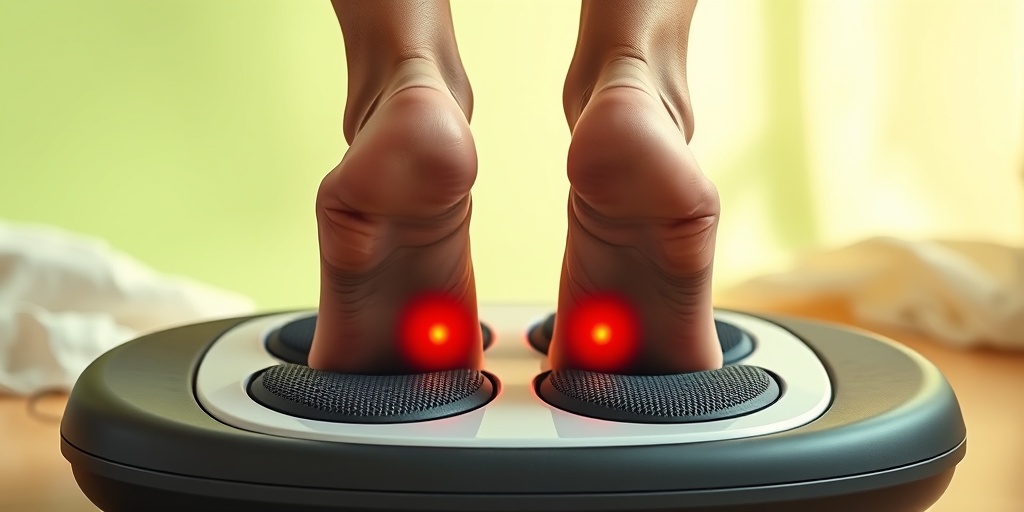
Causes of Plantar Fasciitis
Plantar fasciitis is a common condition that causes foot pain, particularly in the heel and bottom of the foot. Understanding the causes of this condition is crucial for effective management and prevention. Here are some of the primary causes:
Overuse and Strain
One of the most significant contributors to plantar fasciitis is overuse. Activities that put excessive stress on the foot, such as running, walking, or standing for long periods, can lead to inflammation of the plantar fascia, the thick band of tissue that runs across the bottom of your foot.
Foot Structure and Mechanics
Your foot’s structure plays a vital role in the development of plantar fasciitis. Factors such as:
- Flat feet or high arches
- Abnormal walking patterns (overpronation or supination)
- Leg length discrepancies
can all contribute to uneven distribution of weight and increased stress on the plantar fascia.
Improper Footwear
Wearing shoes that lack proper support or cushioning can exacerbate foot pain. High heels, flip-flops, and worn-out shoes can fail to provide the necessary arch support, leading to increased strain on the plantar fascia. Choosing the right footwear is essential for preventing and managing plantar fasciitis.
Age and Weight
As we age, the plantar fascia can lose elasticity and become less resilient. Additionally, being overweight can put extra pressure on the feet, increasing the risk of developing plantar fasciitis. Maintaining a healthy weight and staying active can help mitigate these risks.
Medical Conditions
Certain medical conditions can also contribute to the development of plantar fasciitis. Conditions such as:
- Diabetes
- Arthritis
- Heel spurs
can increase the likelihood of experiencing foot pain and inflammation.
Risk Factors for Plantar Fasciitis
Identifying the risk factors associated with plantar fasciitis can help you take proactive steps to prevent this painful condition. Here are some key risk factors to consider:
Occupational Hazards
Jobs that require prolonged standing or walking, such as those in the healthcare, retail, or construction industries, can increase the risk of developing plantar fasciitis. If your job involves being on your feet for extended periods, it’s essential to take breaks and wear supportive footwear.
Sports and Physical Activities
Engaging in high-impact sports, such as running, basketball, or soccer, can put additional strain on the plantar fascia. Athletes should focus on proper training techniques, warm-up exercises, and appropriate footwear to reduce the risk of injury.
Gender and Age
Research indicates that plantar fasciitis is more common in women than in men, particularly during middle age. As mentioned earlier, age can also be a contributing factor, as the elasticity of the plantar fascia decreases over time.
Body Mechanics
Individuals with poor body mechanics, such as improper posture or gait, may be at a higher risk for developing plantar fasciitis. Consulting with a physical therapist can help identify and correct these issues, reducing the likelihood of foot pain.
Previous Injuries
If you’ve had previous foot or ankle injuries, you may be more susceptible to plantar fasciitis. Scar tissue and changes in foot mechanics can lead to increased stress on the plantar fascia, making it essential to address any past injuries with appropriate rehabilitation.
By understanding the causes and risk factors associated with plantar fasciitis, you can take proactive steps to protect your feet and maintain a healthy, active lifestyle. If you experience persistent foot pain, it’s essential to consult a healthcare professional for a proper diagnosis and treatment plan. 🦶✨

Diagnosing Plantar Fasciitis
Diagnosing foot pain (plantar fasciitis) can be a straightforward process, but it often requires a thorough understanding of the symptoms and a careful examination by a healthcare professional. If you’re experiencing persistent heel pain, especially with the first steps in the morning or after prolonged periods of sitting, it’s essential to seek a proper diagnosis.
Common Symptoms
The primary symptom of plantar fasciitis is a sharp pain in the heel or along the arch of the foot. This pain can vary in intensity and may be accompanied by:
- Stiffness: Many people report stiffness in the morning or after sitting for long periods.
- Swelling: Inflammation may cause noticeable swelling around the heel.
- Increased Pain with Activity: Activities like running or standing for long periods can exacerbate the pain.
Physical Examination
A healthcare provider will typically start with a physical examination of your foot. They will check for:
- Tenderness: Pressing on specific areas of the heel and arch to identify pain points.
- Range of Motion: Assessing how well you can move your foot and ankle.
- Foot Structure: Evaluating your foot’s arch and overall alignment.
Diagnostic Imaging
In some cases, your doctor may recommend imaging tests to rule out other conditions. Common tests include:
- X-rays: To check for bone spurs or fractures.
- Ultrasound: To visualize the plantar fascia and assess inflammation.
- MRI: In rare cases, an MRI may be used to get a detailed view of the soft tissues in the foot.
Plantar Fasciitis Treatment Options
Once diagnosed, there are several effective treatment options for foot pain (plantar fasciitis). The goal is to relieve pain, reduce inflammation, and promote healing. Here are some of the most common treatment strategies:
Conservative Treatments
Most cases of plantar fasciitis can be managed with conservative treatments, including:
- Rest: Taking a break from activities that exacerbate the pain is crucial.
- Ice Therapy: Applying ice to the affected area can help reduce inflammation and numb the pain.
- Over-the-Counter Pain Relievers: Nonsteroidal anti-inflammatory drugs (NSAIDs) like ibuprofen can alleviate pain and swelling.
Stretching and Strengthening Exercises
Incorporating specific stretches and exercises into your routine can significantly improve symptoms. Some effective options include:
- Calf Stretches: Stretching the calf muscles can relieve tension on the plantar fascia.
- Plantar Fascia Stretch: Gently pulling your toes back while sitting can help stretch the fascia.
- Foot Strengthening Exercises: Activities like toe curls and marble pickups can strengthen the foot muscles.
Footwear and Orthotics
Choosing the right shoes is vital for managing plantar fasciitis. Look for:
- Supportive Shoes: Shoes with good arch support and cushioning can help alleviate pressure on the plantar fascia.
- Custom Orthotics: Consider using insoles designed to provide additional support and cushioning.
Advanced Treatment Options
If conservative treatments do not provide relief, your doctor may suggest more advanced options, such as:
- Corticosteroid Injections: These can reduce inflammation and provide temporary pain relief.
- Physical Therapy: A physical therapist can develop a personalized exercise program to improve flexibility and strength.
- Surgery: In rare cases, surgical intervention may be necessary to release tension on the plantar fascia.
Understanding the diagnosis and treatment options for foot pain (plantar fasciitis) is crucial for effective management. By taking proactive steps and working with a healthcare professional, you can find relief and get back to your daily activities. 🌟

Home Remedies for Plantar Fasciitis
Dealing with foot pain (plantar fasciitis) can be incredibly frustrating, but there are several effective home remedies that can help alleviate discomfort and promote healing. Here are some tried-and-true methods to consider:
1. Rest and Ice Therapy
One of the simplest yet most effective remedies is to give your feet a break. Resting allows the inflamed fascia to heal. Additionally, applying ice can reduce swelling and numb the pain. Try icing your foot for 15-20 minutes several times a day, especially after activities that aggravate your symptoms. 🧊
2. Stretching Exercises
Incorporating stretches for plantar fasciitis into your daily routine can significantly improve flexibility and reduce tension in the fascia. Here are a few effective stretches:
- Calf Stretch: Stand facing a wall, place your hands on it, and step one foot back, keeping it straight. Bend your front knee and lean into the wall to stretch the calf of the back leg.
- Plantar Fascia Stretch: Sit down, cross one leg over the other, and pull your toes back towards your shin. Hold for 15-30 seconds.
3. Footwear Matters
Wearing the right shoes can make a world of difference. Look for shoes that provide good arch support and cushioning. Avoid flat shoes or those with inadequate support, as they can exacerbate foot pain (plantar fasciitis). Consider using insoles designed specifically for plantar fasciitis to enhance comfort. 👟
4. Massage Therapy
Massaging the affected area can help relieve tension and improve blood flow. You can use your hands or a tennis ball to gently massage the arch of your foot. This can be particularly soothing after a long day on your feet. 🦶
5. Epsom Salt Soaks
Soaking your feet in warm water mixed with Epsom salt can provide relief from pain and inflammation. The magnesium in Epsom salt helps relax muscles and reduce swelling. Soak your feet for about 15-20 minutes to enjoy the benefits. 🛁
6. Maintain a Healthy Weight
Excess weight can put additional strain on your feet, worsening foot pain (plantar fasciitis). Maintaining a healthy weight through a balanced diet and regular exercise can help alleviate pressure on your feet and promote overall well-being.
Preventing Plantar Fasciitis
Prevention is always better than cure, especially when it comes to foot pain (plantar fasciitis). Here are some effective strategies to help you avoid this painful condition:
1. Choose the Right Footwear
As mentioned earlier, wearing supportive shoes is crucial. Opt for shoes with good arch support and cushioning. Avoid high heels and flip-flops, which can lead to improper foot mechanics and increase the risk of plantar fasciitis.
2. Gradually Increase Activity Levels
If you’re starting a new exercise routine, it’s essential to increase your activity levels gradually. Sudden increases in intensity or duration can strain your feet. Listen to your body and allow for rest days to prevent overuse injuries.
3. Incorporate Foot Strengthening Exercises
Strengthening the muscles in your feet can help support the arch and reduce the risk of injury. Consider exercises like toe curls, towel scrunches, and heel raises to build strength and stability.
4. Maintain Flexibility
Regular stretching can help maintain flexibility in your feet and calves, reducing the risk of tightness that can lead to plantar fasciitis. Make stretching a part of your daily routine, especially before and after physical activities.
5. Be Mindful of Your Weight
Maintaining a healthy weight is not only beneficial for your overall health but also for your feet. Excess weight can increase the strain on your plantar fascia, making it more susceptible to injury.
6. Listen to Your Body
If you start to feel discomfort in your feet, don’t ignore it. Early intervention can prevent more severe issues down the line. Take breaks, modify activities, and seek professional advice if necessary.
By implementing these home remedies and preventive measures, you can effectively manage and reduce the risk of foot pain (plantar fasciitis). Remember, taking care of your feet is essential for maintaining an active and healthy lifestyle! 🌟

Frequently Asked Questions about Foot Pain (Plantar Fasciitis)
What is Foot Pain (Plantar Fasciitis)?
Foot pain (Plantar Fasciitis) is a common condition characterized by inflammation of the plantar fascia, a thick band of tissue that runs across the bottom of your foot. This condition often leads to sharp heel pain, especially with the first steps in the morning or after prolonged periods of sitting.
What are the common causes of Foot Pain (Plantar Fasciitis)?
- Overuse or repetitive stress on the foot
- High-impact activities such as running or jumping
- Improper footwear that lacks support
- Obesity, which adds extra stress to the plantar fascia
- Foot mechanics, including flat feet or high arches
What are effective cures for Foot Pain (Plantar Fasciitis)?
There are several approaches to alleviate foot pain (Plantar Fasciitis), including:
- Resting and avoiding activities that worsen the pain
- Applying ice to reduce inflammation
- Using over-the-counter pain relievers
- Physical therapy to strengthen and stretch the foot
- Custom orthotics or supportive shoes
What stretches can help with Foot Pain (Plantar Fasciitis)?
Incorporating specific stretches can significantly relieve foot pain (Plantar Fasciitis). Some effective stretches include:
- Calf stretches
- Plantar fascia stretch
- Toe stretches
Are there exercises that can help with Foot Pain (Plantar Fasciitis)?
Yes! Gentle exercises can strengthen the foot and improve flexibility. Consider:
- Toe curls
- Marble pickups
- Heel raises
Can massage help relieve Foot Pain (Plantar Fasciitis)?
Massage can be beneficial in alleviating foot pain (Plantar Fasciitis). Techniques such as rolling your foot over a tennis ball or using a foot roller can help reduce tension in the plantar fascia.
What type of shoes are best for Foot Pain (Plantar Fasciitis)?
When dealing with foot pain (Plantar Fasciitis), it’s crucial to wear shoes that provide adequate support. Look for:
- Arch support
- Cushioning
- Stability features
What insoles are recommended for Foot Pain (Plantar Fasciitis)?
Custom or over-the-counter insoles designed for arch support can help alleviate foot pain (Plantar Fasciitis). Look for insoles that provide cushioning and support to the arch and heel.
When should I see a doctor for Foot Pain (Plantar Fasciitis)?
If your foot pain (Plantar Fasciitis) persists despite home treatments, or if you experience severe pain, swelling, or difficulty walking, it’s advisable to consult a healthcare professional for further evaluation and treatment options.